Sikhs are hurt from film “Santa Banta Pvt. Ltd.” treating them as Buffons & Idiots!

The direction of the Mumbai High Court to the producers of the film ‘Santa Banta Pvt. Ltd.’ to file affidavit by 27th April, has somewhat exhausted the legal options available to contain the damage the film will cause to the Sikh sentiments. In view of this, the two options available before us and to be […]

The direction of the Mumbai High Court to the producers of the film ‘Santa Banta Pvt. Ltd.’ to file affidavit by 27th April, has somewhat exhausted the legal options available to contain the damage the film will cause to the Sikh sentiments.

In view of this, the two options available before us and to be executed are

1) We have planned a silent protest in front of the office of VIACOM 18, Subhash Road, Vile Parle (E) at 11.30 am on Thursday, 21st April 2016. All are requested to gather at the said place in large numbers.

2) File as many private FIR’s under section 295A of IPC at your respective Police stations after the release of the film on 22nd April. The Xerox copy of the complaint should be sent by courier to Punjabi Cultural Heritage Board, 9 Gala Nagar, J.N.Road, next to Mehul cinema, Mulund (W), Mumbai – 400080 on or before 25th April.

Imp. Note : The copies of FIR’s will be presented to the Hon’ble High Court on 27th April, which is the next date of the case.

You can reach us on :

Mob : 09967777753
Email : mohansaini1@gmail. com
Twitter @mohanssaini

Please share this information on Facebook and other social platforms so as to reach maximum people

Suggestions if any are welcome

Turban Fest – Oslo, Norway

Over 10,000 people attended the Turban day in Oslo on Saturday. Those who attended were served Indian food and got the opportunity to wear a turban. The day was celebrated with a sikh train of nearly a thousand people who went from Østbanehallen to Spikersuppa, escorted by police horses, Aftenposten writes. After had reached its […]

Over 10,000 people attended the Turban day in Oslo on Saturday. Those who attended were served Indian food and got the opportunity to wear a turban.

The day was celebrated with a sikh train of nearly a thousand people who went from Østbanehallen to Spikersuppa, escorted by police horses, Aftenposten writes.

After had reached its destination, people were given Indian snacks and had turbans twirled around their head by volunteers. The queue to wear a turban and get it twirled around your head went from Spikersuppa to Egertorget.

The Turban Day coincides with the Sikh festival Vaisakhi.

We want tell the world what Sikhism is like and that, although we have a beard and turban, we are not dangerous, the main organizer of the turban day, Sumeet Singh Patpatia, says.

Source: NTB scanpix / Norway Today

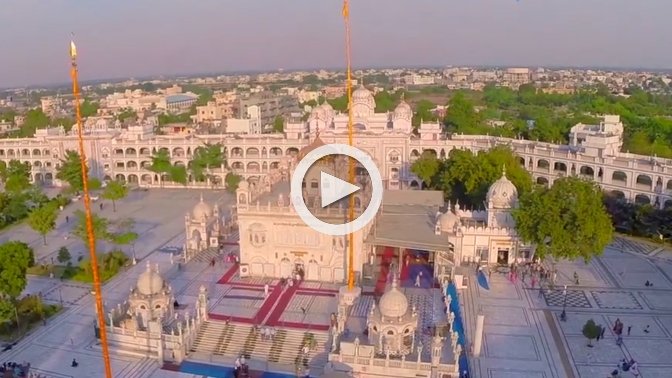
Drone View of Shri Hazoor Sahib will make you Spellbound!

It was here that in the first week of Sept’1708, that a Bairagi Sadhu Madho Dass was baptized to Sikhism by Guru Gobind Singh ji and was given a new name – Banda Singh Bahadur. It was this great hero who in the next seven years (1709-1715) gave a sharp turn to the history of Sikhs by shaking the foundation of Mughal Empire in the North-west and paved the way for the liberation of the Punjab in 1764-65.

His another disciple Bhai Santokh Singh was advised to continue to stay at Nanded and to start “Guru ka Langar” for the devotees.

Bhai Daya Singh and Dharam Singh, two of the Panj Piare (Five beloved Ones) who had offered their heads at the Guru’s call when the Khalsa was created in Kesgarh Fort of Anandpur Sahib on the Baisakhi Day of 1699, and had survived the battle of Chamkaur, subsequently died here.

A Gurudwara was constructed by Maharaja Ranjit Singh ji at the site where Guru Gobind Singh ji breathed his last. It took 5 years to complete (1832-1837). It is revered as “Sachkhand Sri Hazur Abchal Nagar Sahib”. This historical shrine, which is one of the five Takhts (thrones) of the Sikhs is situated near Godavari river. It is visited by lakhs of devotees throughout the year. It is a two-storey building. Its interior is artistically ornamented in the style of Harmandir Sahib, Amritsar. The walls of the inner room called Angitha Sahib have been covered with golden plates. The dome is polished and on the pinnacle is the kalash made of gold plated copper.

The building stands on a high base and has a small square room on the second floor bearing the gilded ribbed dome topped with a tall gilded pinnacle and umbrella shaped finial. There are some rooms in the basement too, so that the edifice is technically four-storied. Corners of the roof of the first floor are decorated with domed kiosks on octagonal pedestals. Other embellishments on the exterior included oriel windows and a fancy fencing on the roof top. Inside, the sanctum it has marble lining decorated with inset work in floral patterns on lower parts of the walls and stucco and tukari work on the upper parts as well as on the ceiling.

Guru Granth Sahib is seated in the room in front of the sanctum during the day time only and at night it is brought inside and placed on a marbled platform. During the day there are some old weapons and other relics such as a golden dagger, a matchlock gun, a quiver with 35 arrows, two bows, a steel shield studded with precious stones and five golden swords. All these are placed on a marbled platform.

The building complex of the Takhat Sahib is spread over several hectares. It also includes two other shrines, Bunga Mai Bhago ji (comprising a large room where Guru Granth Sahib is seated) and Angitha Sahib (place of cremation).

Guru Gobind Singhji, while conferring Guruship on the holy Book, had named Nanded region as Abchalnagar (steadfast city). The word Sachkhand (region of Truth) was used to mean the abode of God.

Besides Gurdwara Sachkhand Sahib, other major Gurdwaras in Nanded area are Nagina Ghat , Banda Ghat, Sangat Sahib, Baoli Sahib, Mal Tekdi, Shikar Ghat, Hira Ghat and Mata Sahib, etc.

~ Source: hazursahib.com

English Reading Competition held at Akal Academy Uddat Saidewala!

Recently English reading competition was held at Akal Academy Uddat Saidewala for 3rd to 6th class. Students enthusiastically participated in this competition. Students read from sources liter, Magic pot, Educational world, Children world, Indian today and Newspaper etc. evaluation was done by the teacher on the basis of their pronunciation, fluency, accent etc. after those teachers decided their position according to their performance. All the students enjoyed very much. All performed well in their competition.

English Reading Competition held  at Akal Academy Uddat Saidewala!

English Reading Competition held  at Akal Academy Uddat Saidewala!

Result from 3rd class

  1. Navneet Kaur from 3rd-C class got 1st position
  2. Rupanveer Singh from 3rd-B class got 2nd position
  3. Robinpreet Singh from 3rd-B class got 3rd position

Result from 4th class

  1. Palknoor Singh from 4th-A class got 1st position
  2. Simran Kaur from 4th-B class got 2nd position
  3. Anmoldeep Kaur from 4th-B class got 3rd position

Result from 5th class

  1. Khushdeep Kaur from 5th-A class got 1st position
  2. Amanat Kaur from 5th-A class got 2nd position
  3. Simran Kaur from 5th-B class got 3rd position

Result from 6th class

  1. Parwinder Kaur from 6th-B class got 1st position
  2. Jashanpreet Kaur from 6th-A class got 2nd position
  3. Simrandeep kaur from 6th-A class got 3rd position

~ Jasvinder Kaur
~ New Delhi, 20th April ’16

Turban Day Vaisakhi Celebrations at New York

The iconic Times Square was seeped in the colours of the Sikh culture as thousands of community members gathered in New York to celebrate Turban Day, an annual Vaisakhi celebration and a day to educate fellow Americans about Sikhism in the wake of growing incidents of hate crimes and discrimination against them. Legendary Indian sportsman […]

The iconic Times Square was seeped in the colours of the Sikh culture as thousands of community members gathered in New York to celebrate Turban Day, an annual Vaisakhi celebration and a day to educate fellow Americans about Sikhism in the wake of growing incidents of hate crimes and discrimination against them.

Legendary Indian sportsman Milkha Singh addressed one of the largest such celebrations in the US, calling on the Sikh community to educate the new generation about the significance of the Sikh culture.

Hundreds of excited tourists and children queued up at the popular city destination to get turbans tied on their heads in bright colours by members of the Sikh community and took pictures and selfies wearing them as ‘Turban Day’ was also celebrated at the event.

The participants jostled to get a picture clicked with the elderly ‘Flying Sikh’, who had travelled from Canada for the event.

“Today if the Sikhs have a name, are known around the world, it is because of the turban. Milkha Singh is called a ‘Flying Sikh’ because I have the turban on my head and the beard on my face. My beard and turban are the reasons for the respect and recognition that I have across the world,” Mr Singh told PTI.

Non-profit organisation, Sikhs of New York and New Jersey and the event’s organisers Bobby Sidana, Kawaldeep Sahni, Chanpreet Singh and Gurmeet Sodhi said the event aimed at not only celebrating the festival marking the spring harvest but also educating Americans and thousands of tourists about the Sikh culture.

They said it would also make them aware of the significance of the Sikh articles of faith like turban and beard and to address the misinformation about Sikhism that leads to profiling and backlash against members of the community, particularly after the 9/11 attack.

“People here should know that Sikhs are warriors, they have fought for other people and will do everything to help others. The event will inspire people here and educate them about the Sikh culture, they will get to know who Sikhs are,” Mikha Singh said lauding the organisers for putting together the event.

In his message to the gathering, Mr Singh said he would like to see “one more Milkha Singh” from the Sikh community spread across the US and the world.

Lamenting that Sikh articles of faith such as the turban and beard are often still misconstrued and associated with terrorism, the organisers invited passers-by and those at the event to get a turban tied on their heads and to ask about the Sikh culture.

Source : NDTV

ਨੌਵੇਂ ਗੁਰੂ ਗੁਰੂ ਤੇਗ ਬਹਾਦੁਰ ਜੀ (ਹਿੰਦ ਦੀ ਚਾਦਰ)

ਠੀਕਰ ਫੋਰਿ ਦਿਲੀਸ ਸਿਰਿ, ਪ੍ਰਭ ਪੁਰਿ ਕਿਯਾ ਪਯਾਨ॥ ਤੇਗ ਬਹਾਦੁਰ ਸ੍ਰੀ ਕ੍ਰਿਆ, ਕਰੀ ਨ ਕਿਨਹੂੰ ਆਨਿ॥ ਤੇਗ ਬਹਾਦੁਰ ਕੇ ਚਲਤ, ਭਯੋ ਜਗਤ ਕੋ ਸੋਕ॥ ਹੈ ਹੈ ਹੈ ਸਭ ਜਗ ਭਯੋ, ਜੈ ਜੈ ਜੈ ਸੁਰ ਲੋਕਿ॥ ,,,,,(ਦਸਮ ਗ੍ਰੰਥ) ਗੁਰੂ ਤੇਗ ਬਹਾਦਰ ਸਾਹਿਬ ਜੀ ਦਾ ਜਨਮ 1 ਅਪ੍ਰੈਲ 1621 ਦਿਨ ਐਤਵਾਰ ਨੂੰ ਮਾਤਾ ਨਾਨਕੀ ਜੀ ਦੀ ਕੁਖੋਂ […]

ਠੀਕਰ ਫੋਰਿ ਦਿਲੀਸ ਸਿਰਿ, ਪ੍ਰਭ ਪੁਰਿ ਕਿਯਾ ਪਯਾਨ॥
ਤੇਗ ਬਹਾਦੁਰ ਸ੍ਰੀ ਕ੍ਰਿਆ, ਕਰੀ ਨ ਕਿਨਹੂੰ ਆਨਿ॥
ਤੇਗ ਬਹਾਦੁਰ ਕੇ ਚਲਤ, ਭਯੋ ਜਗਤ ਕੋ ਸੋਕ॥
ਹੈ ਹੈ ਹੈ ਸਭ ਜਗ ਭਯੋ, ਜੈ ਜੈ ਜੈ ਸੁਰ ਲੋਕਿ॥ ,,,,,(ਦਸਮ ਗ੍ਰੰਥ)

ਗੁਰੂ ਤੇਗ ਬਹਾਦਰ ਸਾਹਿਬ ਜੀ ਦਾ ਜਨਮ 1 ਅਪ੍ਰੈਲ 1621 ਦਿਨ ਐਤਵਾਰ ਨੂੰ ਮਾਤਾ ਨਾਨਕੀ ਜੀ ਦੀ ਕੁਖੋਂ ਅੰਮ੍ਰਿਤਸਰ ਵਿਖੇ ਹੋਇਆ। ਆਪ ਜੀ ਛੇਵੇਂ ਗੁਰੂ ਹਰਗੋਬਿੰਦ ਸਾਹਿਬ ਜੀ ਦੇ ਪੰਜਵੇਂ ਅਤੇ ਸੱਭ ਤੋਂ ਛੋਟੇ ਸਪੁੱਤਰ ਸਨ।

ਔਰੰਗਜ਼ੇਬ ਦੇ ਜ਼ੁਲਮ ਦਾ ਸ਼ਿਕਾਰ ਬਣੇ ਕਸ਼ਮੀਰੀ ਪੰਡਿਤਾਂ ਦੀ ਫ਼ਰਿਆਦ ਕਿਸੇ ਪਾਸੇ ਨਾ ਸੁਣੀ ਗਈ ਤਾਂ ਉਨ੍ਹਾਂ ਨੇ ਨੌਵੇਂ ਪਾਤਸ਼ਾਹ ਸ੍ਰੀ ਗੁਰੂ ਤੇਗ ਬਹਾਦਰ ਜੀ ਦੀ ਸ਼ਰਨ ਲੈਣ ਦਾ ਨਿਸ਼ਚੈ ਕੀਤਾ ਅਤੇ ਕਿਹਾ ਕੀ ਸਾਡੀ ਫਰਿਯਾਦ ਕਿਸੇ ਨੇ ਨਹੀ ਸੁਨੀ ਤੇ ਹੁਣ ਸਾਡੀ ਆਖ਼ਰੀ ਆਸ ਸਿਰਫ਼ ਗੁਰੂ ਨਾਨਕ ਸਾਹਿਬ ਦਾ ਦਰ ਹੀ ਹੈ। ਗੁਰੂ ਤੇਗ਼ ਬਹਾਦਰ ਸਾਹਿਬ ਨੇ ਬ੍ਰਾਹਮਣਾਂ ਦੀ ਨਿੰਮੋਝੂਣਤਾ ਵੇਖ ਕੇ ਉਨ੍ਹਾਂ ਨੂੰ ਕਿਹਾ ਕਿ, ”ਗੁਰੂ ਨਾਨਕ ਸਾਹਿਬ ਦੇ ਦਰ ਤੋਂ ਕਦੇ ਵੀ ਕੋਈ ਖ਼ਾਲੀ ਨਹੀਂ ਜਾਂਦਾ।

ਉਨ੍ਹਾਂ ਦੀ ਦਰਦ ਕਹਾਣੀ ਸੁਣ ਕੇ ਗੁਰੂ ਜੀ ਨੇ “ਜੋ ਸਰਣਿ ਆਵੈ ਤਿਸੁ ਕੰਠਿ ਲਾਵੈ” ਮਹਾਂਵਾਕ ਅਨੁਸਾਰ ਉਨ੍ਹਾਂ ਨੂੰ ਵਿਸ਼ਵਾਸ ਦਿਵਾਇਆ ਕਿ ਉਹ ਬਾਬੇ ਨਾਨਕ ਦੇ ਦਰ ਤੋਂ ਮਾਯੂਸ ਨਹੀਂ ਪਰਤਣਗੇ। ਇਸ ਤੋਂ ਬਾਅਦ ਗੁਰੂ ਜੀ ਕਿਸੇ ਡੂੰਘੀ ਸੋਚ ਵਿੱਚ ਡੁੱਬ ਗਏ ਅਤੇ ਕੁਝ ਸਮੇਂ ਬਾਅਦ ਫ਼ੁਰਮਾਉਣ ਲੱਗੇ ਕਿ ਅਜੇ ਧਰਮ ਯੁੱਧ ਦਾ ਸਮਾਂ ਨਹੀਂ ਆਇਆ। ਇਸ ਸਮੇਂ ਕਿਸੇ ਮਹਾਨ ਆਤਮਾ ਦੀ ਸ਼ਹੀਦੀ ਦੀ ਲੋੜ ਹੈ। ਸਿਰਫ਼ ਕੁਰਬਾਨੀ ਨਾਲ ਹੀ ਡੁੱਬਦੇ ਧਰਮ ਨੂੰ ਬਚਾਇਆ ਜਾ ਸਕਦਾ ਹੈ। ਆਪ ਜੀ ਦੇ ਬਚਨ ਸੁਣ ਕੇ ਪੂਰੇ ਦਰਬਾਰ ਵਿੱਚ ਸੱਨਾਟਾ ਛਾ ਗਿਆ ਤਦ ਬਾਲ ਗੋਬਿੰਦ ਰਾਇ ਜੀ ਨੇ ਕਿਹਾ ਕਿ ਆਪ ਜੀ ਤੋਂ ਬਿਨਾਂ ਹੋਰ ਮਹਾਂਪੁਰਖ ਕੌਣ ਹੋ ਸਕਦਾ ਹੈ? ਆਪ ਆਪਣਾ ਬਲੀਦਾਨ ਦੇ ਕੇ ਇਨ੍ਹਾਂ ਦੇ ਡੁੱਬਦੇ ਹੋਏ ਧਰਮ ਦੀ ਰੱਖਿਆ ਕਰੋ। ਆਪਣੇ ਬਾਲ ਦੇ ਨਿੱਕੇ ਜਿਹੇ ਮੂੰਹੋਂ ਏਨੀ ਵੱਡੀ ਗੱਲ ਸੁਣ ਕੇ ਗੁਰੂ ਜੀ ਨੂੰ ਵਿਸ਼ਵਾਸ ਹੋ ਗਿਆ ਕਿ ਇਹ ਬਾਲਕ ਆਉਣ ਵਾਲੀ ਹਰ ਔਖੀ ਤੋਂ ਔਖੀ ਘੜੀ ਦਾ ਸਾਹਮਣਾ ਕਰਨ ਲਈ ਹਰ ਪੱਖੋਂ ਸਮਰੱਥ ਹੈ। ਆਪ ਜੀ ਨੇ ਹਿੰਦੂ ਧਰਮ ਦੀ ਰੱਖਿਆ ਲਈ ਕੁਰਬਾਨੀ ਦੇਣ ਦਾ ਫ਼ੈਸਲਾ ਕਰ ਲਿਆ। ਗੁਰੂ ਜੀ ਨੇ ਕਸ਼ਮੀਰੀ ਪੰਡਤਾਂ ਨੂੰ ਕਿਹਾ ਕਿ ਤੁਸੀਂ ਨਿਸ਼ਚਿੰਤ ਹੋ ਕੇ ਜਾਓ ਤੇ ਔਰੰਗਜ਼ੇਬ ਨੂੰ ਕਹਿ ਦਿਓ ਕਿ ਜਾਹ! ਪਹਿਲਾਂ ਸਾਡੇ ਗੁਰੂ ਤੇਗ ਬਹਾਦਰ ਸਾਹਿਬ ਨੂੰ ਮੁਸਲਮਾਨ ਬਣਾ ਲੈ। ਜੇ ਉਨ੍ਹਾਂ ਨੇ ਇਸਲਾਮ ਧਰਮ ਕਬੂਲ ਕਰ ਲਿਆ ਤਾਂ ਅਸੀਂ ਖ਼ੁਸ਼ੀ-ਖੁਸ਼ੀ ਮੁਸਲਮਾਨ ਬਣ ਜਾਵਾਂਗੇ।

ਜਦੋਂ ਗੁਰੂ ਜੀ ਨੂੰ ਇਸਲਾਮ ਦੇ ਨਸ਼ੇ ਵਿੱਚ ਧੁੱਤ ਔਰੰਗਜ਼ੇਬ ਦੇ ਸਾਹਮਣੇ ਲਿਆਂਦਾ ਗਿਆ ਤਾਂ ਉਸ ਨੇ ਇਸਲਾਮ ਦੀ ਮਹਿਮਾ ਗਾਉਂਦਿਆਂ ਆਪ ਜੀ ਨੂੰ ਇਸਲਾਮ ਕਬੂਲਣ ਲਈ ਪ੍ਰੇਰਿਆ। ਪਰ ਗੁਰੂ ਜੀ ਨੇ ਉਸ ਦੀ ਉਮੀਦ ਦੇ ਉਲਟ ਉੱਤਰ ਦਿੱਤਾ ਕਿ ਧਰਮ ਜ਼ਬਰਦਸਤੀ ਤਲਵਾਰਾਂ ਦੀ ਨੋਕ ਉੱਤੇ ਨਹੀਂ ਬਦਲਾਇਆ ਜਾ ਸਕਦਾ। ਹਿੰਦੂਆਂ ਨੂੰ ਜ਼ਬਰਦਸਤੀ ਮੁਸਲਮਾਨ ਬਣਾ ਕੇ ਨਾ ਤਾਂ ਤੁਸੀਂ ਸੱਚੇ ਮੁਸਲਮਾਨ ਹੋਣ ਦਾ ਸੰਕੇਤ ਦੇ ਰਹੇ ਹੋ, ਨਾ ਹੀ ਰੱਬ ਦੀ ਰਜ਼ਾ ਵਿੱਚ ਚੱਲ ਰਹੇ ਹੋ ਅਤੇ ਨਾ ਹੀ ਆਪਣੀ ਪਰਜਾ ਪ੍ਰਤੀ ਆਪਣੇ ਕਰਤੱਵ ਦਾ ਪਾਲਣ ਕਰ ਰਹੇ ਹੋ। ਬਾਦਸ਼ਾਹ ਹੋਣ ਦੇ ਨਾਤੇ ਤੁਹਾਡਾ ਫ਼ਰਜ਼ ਹੈ ਕਿ ਤੁਸੀਂ ਹਿੰਦੂਆਂ ਅਤੇ ਮੁਸਲਮਾਨਾਂ ਨੂੰ ਬਰਾਬਰ ਸਮਝੋ। ਪਰ ਇਸ ਦੇ ਉਲਟ ਤੁਸੀਂ ਤਾਂ ਹਿੰਦੂਆਂ ਨੂੰ ਆਪਣੇ ਅੰਨ੍ਹੇ ਜ਼ੁਲਮ ਦਾ ਸ਼ਿਕਾਰ ਬਣਾਇਆ ਹੈ। ਔਰੰਗਜ਼ੇਬ! ਤੇਰੇ ਇਸ ਜ਼ੁਲਮ ਨੂੰ ਠੱਲ੍ਹ ਪਾਉਣ ਲਈ ਅਤੇ ਮਾਸੂਮ ਹਿੰਦੂਆਂ ਦੀ ਰੱਖਿਆ ਲਈ ਅਸੀਂ ਮੈਦਾਨ ਵਿੱਚ ਆ ਨਿੱਤਰੇ ਹਾਂ। ਤੂੰ ਤਾਂ ਬਾਦਸ਼ਾਹ ਹੋਣ ਦੇ ਨਾਤੇ ਆਪਣੀ ਪਰਜਾ ਤੋਂ ਮੂੰਹ ਮੋੜੀ ਬੈਠਾ ਹੈਂ ਪਰ ਅਸੀਂ ਇਨ੍ਹਾਂ ਮਜ਼ਲੂਮਾਂ ਦੀ ਬਾਂਹ ਪਕੜ ਲਈ ਹੈ।

ਇਸ ਪ੍ਰਕਾਰ ਗੁਰੂ ਜੀ ਨੂੰ ਚੜ੍ਹਦੀ ਕਲਾ ਵਿੱਚ ਅਤੇ ਉਨ੍ਹਾਂ ਦੁਆਰਾ ਇਸਲਾਮ ਨਾ ਕਬੂਲਣ ਦੇ ਅਟੱਲ ਨਿਸ਼ਚੈ ਨੂੰ ਵੇਖ ਕੇ ਔਰੰਗਜ਼ੇਬ ਗੁੱਸੇ ਵਿੱਚ ਕੰਬ ਉੱਠਿਆ। ਕੁਰਬਾਨੀ ਲਈ ਤਿਆਰ ਗੁਰੂ ਜੀ ਨੂੰ ਦੇਖ ਕੇ ਉਸ ਦੇ ਮਨਸੂਬਿਆਂ ਦੀਆਂ ਨੀਹਾਂ ਹਿੱਲ ਗਈਆਂ। ਆਪਣੀ ਇਸ ਹਾਰ ਨੂੰ ਵੇਖ ਕੇ ਉਸ ਨੇ ਅੰਤ ਸਿਪਾਹੀਆਂ ਨੂੰ ਹੁਕਮ ਦਿੱਤਾ ਕਿ ਗੁਰੂ ਜੀ ਨੂੰ ਲੋਹੇ ਦੇ ਪਿੰਜਰੇ ਵਿੱਚ ਬੰਦ ਕਰ ਦਿੱਤਾ ਜਾਵੇ ਅਤੇ ਇਨ੍ਹਾਂ ਦੇ ਮੁਰੀਦਾਂ ਨੂੰ ਤਸੀਹੇ ਦੇ-ਦੇ ਕੇ ਮਾਰ ਦਿੱਤਾ ਜਾਵੇ।

ਔਰੰਗਜ਼ੇਬ ਦੇ ਹੁਕਮ ਅਨੁਸਾਰ ਪਹਿਲਾਂ ਭਾਈ ਮਤੀ ਦਾਸ ਜੀ ਨੂੰ ਆਰੇ ਨਾਲ ਚੀਰਿਆ ਗਿਆ। ਭਾਈ ਦਿਆਲਾ ਜੀ ਨੂੰ ਉਬਲਦੀ ਦੇਗ ਵਿੱਚ ਸੁੱਟ ਦਿੱਤਾ ਗਿਆ। ਇਸ ਪ੍ਰਕਾਰ ਇੱਕ-ਇੱਕ ਕਰਕੇ ਗੁਰੂ ਜੀ ਦੇ ਮੁਰੀਦਾਂ ਨੂੰ ਅਣਮਨੁੱਖੀ ਤਸੀਹੇ ਦੇ ਕੇ ਹੋਣੀ ਦੀ ਭੱਠੀ ਵਿੱਚ ਝੋਕ ਦਿੱਤਾ ਗਿਆ ਜਿਸ ਨੂੰ ਵੇਖ ਕੇ ਗੁਰੂ ਜੀ ਡੋਲੇ ਨਹੀਂ ਸਗੋਂ ਉਨ੍ਹਾਂ ਦਾ ਸਿਦਕ ਹੋਰ ਵੀ ਅਡੋਲ ਹੋ ਗਿਆ।

ਅੰਤ ਮਿਤੀ 11 ਨਵੰਬਰ, 1675 ਈ: ਨੂੰ ਚਾਂਦਨੀ ਚੌਕ ਵਿਖੇ ਕਾਜ਼ੀ ਨੇ ਫ਼ਤਵਾ ਪੜ੍ਹਿਆ। ਜੱਲਾਦ ਜਲਾਲਦੀਨ ਨੇ ਤਲਵਾਰ ਨਾਲ ਵਾਰ ਕੀਤਾ ਅਤੇ ਗੁਰੂ ਸਾਹਿਬ ਦਾ ਸੀਸ ਧੜ ਨਾਲੋਂ ਅਲੱਗ ਹੋ ਗਿਆ। ਪਰ ਆਪਣੇ ਮੂੰਹੋਂ ਸੀਅ ਨਾ ਉਚਾਰੀ। ਆਪ ਜੀ ਦੀ ਅਦੁੱਤੀ ਸ਼ਹਾਦਤ ਬਾਰੇ ਸ੍ਰੀ ਗੁਰੂ ਗੋਬਿੰਦ ਸਿੰਘ ਨੇ ‘ਬਚਿਤਰ ਨਾਟਕ’ ਵਿੱਚ ਲਿਖਿਆ ਹੈ:

ਤਿਲਕ ਜੰਞੂ ਰਾਖਾ ਪ੍ਰਭ ਤਾਕਾ॥ ਕੀਨੋ ਬਡੋ ਕਲੂ ਮਹਿ ਸਾਕਾ॥
ਸਾਧਨ ਹੇਤਿ ਇਤੀ ਜਿਨਿ ਕਰੀ॥ ਸੀਸੁ ਦੀਯਾ ਪਰੁ ਸੀ ਨ ਉਚਰੀ॥
ਧਰਮ ਹੇਤ ਸਾਕਾ ਜਿਨਿ ਕੀਆ॥ ਸੀਸੁ ਦੀਆ ਪਰੁ ਸਿਰਰੁ ਨ ਦੀਆ॥,,,,,,(ਦਸਮ ਗ੍ਰੰਥ)

~ Source: wikipedia

Why do Sikhs keep long, un-cut hair?

Kesh, or uncut hair, is considered to be an essential part of Sikhi. In Sikhism, Kesh (sometimes Kes) is the practice of allowing one’s hair to grow naturally as a symbol of respect for the perfection of God’s creation. The practice is one of the Five Ks, the outward symbols ordered by Guru Gobind Singh […]

Kesh, or uncut hair, is considered to be an essential part of Sikhi. In Sikhism, Kesh (sometimes Kes) is the practice of allowing one’s hair to grow naturally as a symbol of respect for the perfection of God’s creation. The practice is one of the Five Ks, the outward symbols ordered by Guru Gobind Singh in 1699 as a means to profess the Sikh faith. The hair is combed twice daily with a Kanga, another of the Five Ks, and tied into a simple knot known as a Joora or Rishi knot. This knot of hair is usually held in place with the Kanga and covered by a turban.

I am not going to give a “seal of approval” to any points or counter any reasoning. Each person’s connection to their kesh is personal and not for me to judge. I will not critique any reasons, as I am not in a position to unearth the validity of each claim, but rather I present them to you so you can judge for yourself.

Yet, no one has given me a convincing answer as to why it is essential or why the Gurus commanded Sikhs to keep long hair. Throughout my life, I keep getting half-baked, unsubstantiated answers. So, I decided to go on a quest, compiling all the solid answers that I could find.

Below is a brief summary of the different reasons I could find that people give for why Sikhs keep uncut, long hair. Through this research, my personal reasons for keeping kesh have become clearer and more resolute. Different reasons resonate with different people. Hopefully, this may help you find your reasons too. I hope you enjoy this catalogue and find a reason that works for you.

FAITH

Reason 1: Saintliness or Holiness Orders

Another theory is that keeping kesh honors Guru Gobind Singh’s 1699 Visakhi Hukam (command/order) that amritdhari Sikhs, must wear the 5Ks, one of which is kesh.

In June of 1699, after the first Sikh Visakhi, Guru Gobind Singh Ji issued a hukam nama for the sangat of Kabul specifically according to the Bikrami calendar, Jeth 26, Sammat 1756. In this hukham, Guru Ji refers to kesh several times, “Keep your hair (kesh) uncut – this is the seal of the Guru….Look after your hair and comb (kanga) it twice a day….Never have any connection whatsoever with those who…celebrate the cutting of children’s hair,” (Guru Gobind Singh, 1699).

Some point to the rehatnama (code of conduct) written by Bhai Daya Singh Ji, a contemporary of Guru Gobind Singh Ji, that states, “The hair resides on the body, forsake cutting it,” (Singh, Nihang.).

The Damdami Taksal Rehat Maryada also indicates the importance of kesh, “Unshorn hair
 from your head down to your toes. All hair is to be kept unshorn and your hair is to be tied
 and complemented with a turban,” (Damdami Taksal).

Almost all other rehatnamas lay special emphasis

In ancient India, it was a general practice with Hindu sages and ascetics to keep long hair tied in a knot on top of their head and keep a long beard. Gurdev Singh hypothesizes in his paper, Perspectives on the Sikh Tradition, that Guru Gobind Singh wanted his Sikhs, despite being householders, to also be karma yogis, or practical saints. Kesh was a way to symbolize this balance.

In India, kesh is a symbol of saintliness or holiness, (Manasukhani, Gobind Singh).

Long hair serves as a reminder for Sikhs to behave like the saints and Rishis of the past, (Sidhu, GS).
G. A. Gaskell writes, “Hair of the head is a symbol of faith, intuition of truth, or the highest qualities of the mind.”

Reason 2: Collective Consciousness

GS Sidhu in his paper, A Brief Introduction to Sikhism, writes that long hair across the panth builds collective consciousness among Sikhs; it is a mark of dedication and group consciousness.

A Sikh collective consciousness is a set of shared beliefs, values, history, ideas, and moral attitudes which serves as a unifying force within the panth. It plays a role in uniting Sikhs to achieve communal goals and overcome obstacles. “The totality of beliefs and sentiments common to the average members of a society forms a determinate system with a life of its own. It can be termed the collective or creative consciousness,” (Durkheim, Emile).

The contents of an individual Sikh’s consciousness are shared in common with all other Sikhs within the panth, creating solidarity through mutual likeness. Such solidarity facilitates the advancement of Sikh interests, objectives, and standards within the panth and also, beyond it.

Furthermore, according to Mary Kelsey’s theory (sociology lecturer at UC Berkeley), collective consciousness brings Sikhs together as a dynamic group to share resources and knowledge.

Lastly, collective consciousness in the Sikh context can endow the Sikh panth with unique agency: it contributes to an individual Sikh to think and act in a way that reflects the panthic values. This often promotes positive behavior and deters negative behavior. For example, many Sikhs are highly visible (with the beard, long hair or turban) and thus may think twice about stealing since it reflects poorly on all other Sikhs and “gives them a bad name.” As Burns and Egdahl state, those in collective consciousness “can be considered to possess agential capabilities: to think, judge, decide, act, reform; to conceptualize self and others as well as self’s actions and interactions; and to reflect.”

Reason 3 : PHYSICAL HEALTH

Reduce Sexual Dimorphism

When Singhs adopt the stereotypically “feminine” characteristic of long hair, sexual dimorphism between Kaurs and Singhs is reduced. (Sexual dimorphism is the presences of physically obvious differences between the male and female.) It has been scientifically observed that the lower the sexual dimorphism in a species, the more the social equality. My personal belief is that, the sharing of a physical characteristic (long hair) between Kaurs and Singhs can foster greater social equality and cross-gender empathy.

Reason 4: on the maintenance of unshorn hair, (Khalsa, Sukhmandir).

SPIRITUALITY

Reason 5: Because the Gurus Said So

“When you have faith, you don’t need any absolute reason for doing anything. The Gurus said to keep long hair, so I do. I don’t question it,” someone once told me.

Reason 6: Devotion

Another theory is that the head of a devout Sikh is an offering to the Guru and long hair is proof of the Sikh’s devotion and a sign of a Sikh’s commitment and devotion to his/her Guru, (Manasukhani, Gobind Singh).

Others say that kesh indicates a life decided to the services of God and humanity, (Singh, Gurdev).

Some say that kesh is a mark of dedication to the Guru, (Sidhu, G.S.).

Reason 7: Truth

Writer Sukhmandir Kaur Khalsa says that keeping kesh honors truth. Hair, like truth, continually asserts itself despite whatever measures are taken to deny it. Whether plucked, shaved, or curled, or colored hair, the hereditary disposition and condition of hair cannot be changed or concealed, for hair always returns to its original genetic growth pattern, (Khalsa, Sukhmandir).

Ms. Khalsa also says that keeping kesh benefits the body and soul. “Hair is prayer and kesh acts as a subtle spiritual antenna. One who keeps kesh intact, practices meditation and achieves humility comes to know the benefit of kesh which can never be realize if hair is severed,” (Khalsa, Sukhmandir).

INDIVIDUAL DEVELOPMENT

Reason 8: Hair Makes a Person Whole

Another reason a Sikh may keep long hair is that long hair establishes a complete and natural person. When the body is whole, it represents a whole spirit, a spirit unlimited by worldly consideration, (Wylam, Pamela Margaret).

Reason 9: Sikh Sovereignty

Sikhs do not conform to time-bound, secular fashion trends; Sikhs are not attached to the world. Thus, Wylam says, long hair indicates a freedom from socially deemed fashionable haircuts, (Wylam, Pamela Margaret.) The Sikh is sovereign from social standards of beauty and only behaves in accordance with the Gurus’ standards.

Reason 10: Discipline

Personal discipline is central to Sikhi and some feel that keeping long hair, combing it every day and washing it, develops disciplines, (Singh, Gurdev).

Reason 11: Vanity

Some writers feel that keeping kesh vanquishes vanity. Keeping hair intact is a constant reminder to make conscious choices when facing the challenges of confronting ego, (Khalsa, Sukhmandir).

Reason 12: Self-esteem

Keeping kesh builds self-esteem, in another point of view. Keeping hair intact allows one to experience courage, conquer fear, and realize unconditional love, (Khalsa, Sukhmandir).

Reason 13: Eliminates Duality

The Sikh eliminates the duality in the mind that may come with cutting hair; that Waheguru made the human perfect but somehow the Sikh is not perfect and thus must cut the hair. Bringing thoughts and actions in line with each other can help establish inner peace.

PANTHIC DEVELOPMENT

Reason 14: A Common Denominator

Since every practicing Sikh keeps long hair, it is the common denominator between all Sikhs. It helps connect everyone mentally, reminding Sikhs that they are all striving to reach the same religious, spiritual, social objective, together, (Wylam, Pamela Margaret). Long hair across the panth psychologically connects Sikhs to their fellow Sikhs.

Reason 15: LINK WITH THE GURU

Because the Gurus had Long Hair

According to Trilochan Singh in The Turban and Sword of the Sikhs, Sikhs live in the physical image of the Guru, and since the Gurus kept long hair, so do Sikhs. This may be as a tribute to the Gurus’ life or as a way to live in line with the Gurus’ lifestyle.

Reason 16: Kinship

Long hair forges an association of the Guru’s disciplines as equals, says Gurdev Singh in Perspectives on the Sikh Tradition, decided to the services of God and humanity.
HISTORICAL CONNECTION

Reason 17: Kesh Psychologically Connects Sikhs to their History

As Sikhs in history kept long hair, keeping long hair in the modern era can help connect contemporary Sikhs with the Sikh Panth of the past, keeping history alive and giving Sikhs strength (Singh, Trilocan).

WILL OF GOD

Reason 18: It’s a Gift from God

Some Sikhs believe that hair is provided by God, with its peculiar distribution over the body, and it should be respected (Manasukhani, Gobind Singh).

For some, hair is the symbol of love and respect for God.

Reason 19: God Made Us This Way

Another reason some Sikhs keep long hair is to live in harmony with the will of God (Manasukhani, Gobind Singh).
Trimming or shaving only emphasizes the futility of human effort (Manasukhani, Gobind Singh).

Kesh indicates a Sikhs acceptance of God’s will (Sidhu, GS.).

Keeping kesh intact honors the Creator’s intention. Hair is a birthright inherent in the Creator’s design (Khalsa, Sukhmandir).

Others say that kesh is just like any other part of the body and as one would not cut or mutate an arm, for instance, one should not do that to kesh either.

UNIFORM

Reason 20: Sikh Identity

The Sikh Coalition asserts that kesh is a part of the daily uniform of a Sikh; kesh forms an external identity for a Sikh (Sikh Coalition).

Keeping kesh identifies one as a Sikh. Hair is a visible identifier, which distinguishes the Sikh from all other religions and walks of life. Keeping hair intact encourages and gives support to fellow Sikhs (Khalsa, Sukhmandir).

Reason 21: Fierce Image

Gurdev Singh proposes the idea that long hair was to create a fierce and bold, warrior appearance within the Khalsa. The warrior tribesmen of the historic North West Afghan frontier kept long hair, though trimmed, and perhaps the Gurus wished the Sikhs to have a similarly impressive and alarming appearance, thus mandating the keeping of Kesh (Singh, Gurdev).

Reason 22: Inexpensive

Kesh contributes to the Sikh’s uniform and it is an inexpensive, impressive, permanent uniform accessible to all (Singh, Gurdev.) Regardless of how poor you are, because kesh costs no money, anyone can have at least this one article of faith connecting him/her to the Khalsa.

Kesh is a natural uniform (Manasukhani, Gobind Singh).

RELATION TO OTHER FAITHS

Reason 23: Long Hair as the Antithesis of Hindu Renunciation

Some Hindu saints, those who practiced asceticism (abstaining from worldly pleasures with the aim of pursuing spiritual goals), would shave their heads to proclaim their detachment from the world. Sikhs, according to Uberoi, keep hair to take a stand against this practice: to renounce renunciation, to indicate that they could be part of this world, and still pursue spiritual goals. This Sikh practice fused together the householder/common citizen with the renouncer/spiritual ascetic (Uberoi, J.P.S.).

EQUALITY

Reason 24: Physical Connection to Gurus

Long hair can help a Sikh feel connected to the Guru. It is a physical commonality a Sikh shares with his/her Guru and thus, can serve as a reminder that a Sikh can be Guru-like and must strive to embody qualities the Gurus had.
Long hair is regarded as the seal of the Guru, (Manasukhani, Gobind Singh). Typically, a seal authenticates a document or is placed on package holding valuables. In this light, kesh is the Guru’s seal authenticating the Sikh as a disciple, or long hair can be considered the emblem upon the valuable mind/soul contained within the body.
One author believes that long hair symbolizes the spiritual link a Sikh has with the Guru’s power, (Manasukhani, Gobind Singh).

Reason 25: Protein

According to some Sikhs, hair is the most potent, purest form of protein in the world. The very root of the hair has the oil of the protein. This oil is enough to support your brain through any activity. Hair is the pranic antenna. It is energy, pure protein (Khalsa, Gurumustuk Singh).

Reason 26: Vitamin Provider

Hair’s purpose is to work on the brain, as stated by Gurmustukh Singh Khalsa. The brain needs vitamin D, energy, phosphorus, and metals. The number of units of vitamin D that these hairs provide immediately to the brain is unbelievable (Khalsa, Gurumustuk Singh).

Reason 27: Power of the Rishi Knot

Some Sikhs believe that it is very positive for a Sikhs to wear her hair tied on top of the head on the solar center in a rishi knot.

“In India, a Rishi is known as a wise one who coils his or her hair up on the crown of the head during the day to energize the brain cells, and then combs it down at night. A ‘rishi knot’ energizes your magnetic field (aura) and stimulates the pineal gland in the center of your brain,” according to Gurumustukh Khalsa (Khalsa, Gurumustuk Singh 2).

Reason 28: Magnetic Field

As per some Sikhs, shaving the legs and underarms may negatively affect one’s magnetic field. “Perhaps if they realize that by cutting the hairs under the arms they are affecting their magnetic field and the sympathetic nervous system and that by shaving the leg hairs they are altering the electromagnetic field of the lower spine, they might think twice about shaving. Those hairs create an electromagnetic field, which balances the movement of the pituitary,” (Khalsa, Gurumustuk Singh).

Reason 29: Pranic Life Force

“Some Sikhs believe that when you allow your hair to grow to its full length and coil it on the crown of the head, the sun energy, pranic life force, is drawn down the spine. To counteract that downward movement, the Kundalini life energy rises to create balance,” Gurumustuk Khalsa. In Yogi Bhajan’s words, “Your hair is not there by mistake. It has a definite purpose, which saints will discover and other men will laugh at,” (Khalsa, Gurumustuk Singh 2).

~ Source : Kaurlife.org

Quotes that will you to make your life simple and less complicated by Guru Nanak Dev Ji

“Dwell in peace in the home of your own being And the messenger of death will not be able to touch you “Even Kings and Emperors with heaps Of wealth and vast dominion cannot Compare with an ant filled with the love of god “. “He who has no faith in himself Can never have […]

“Dwell in peace in the home of your own being
And the messenger of death will not be able to touch you

“Even Kings and Emperors with heaps
Of wealth and vast dominion cannot
Compare with an ant filled with the love of god “.

“He who has no faith in himself
Can never have faith in god “.

“The world is a drama
Staged in a dream “.

“Speak only that which will
Bring you honor “.

“Burn worldly love,
Rub the Ashes and make ink of it,
Make the heart the pen,
The intellect the writer,
Write that which has no end or limit .”

“Those who have loved are those
That have found god “

“Death would not be called bad,
O people , if one knew how to truly die .”

“I am neither male nor female,
Nor am I sexless. I am the peaceful one,
Whose form is self- effulgent ,
Powerful radiance .”

“I am neither a child, A young man,
Nor an ancient ; nor am I of any caste

Source : ScoopWhoop

A true exemplary of a Sikh spreading awareness on Sikhism by serving langar: Sahaj Singh!

Food Service for Homeless and Low Income Families in the Reno-Tahoe Area while spreading awareness of Sikhism; Received Coverage on Local News Station; Due to the great success that the event had, I hope to host similar food services in the coming months.

Food Service for Homeless and Low Income Families in the Reno-Tahoe Area while spreading awareness of Sikhism; Received Coverage on Local News Station; Due to the great success that the event had, I hope to host similar food services in the coming months.