Inter House Divinity Poetry Competition at Akal Academy, Bhadaur!

Recently Akal Academy Bhadaur organized an Inter-House Divinity Poetry compilation & Recitation competition. It was conducted by Abhai House. The Punjabi teacher Mrs. Veerpal Kaur & Mrs. Satveer Kaur were appointed as the judges. The students of 3rd and 4th grade participated in this activity. Students presented sensitizing ‘Kavita’ dedicated to life saga of Gurus, […]

Recently Akal Academy Bhadaur organized an Inter-House Divinity Poetry compilation & Recitation competition. It was conducted by Abhai House. The Punjabi teacher Mrs. Veerpal Kaur & Mrs. Satveer Kaur were appointed as the judges.

Inter House Divinity Poetry Competition at Akal Academy, Bhadaur!

The students of 3rd and 4th grade participated in this activity. Students presented sensitizing ‘Kavita’ dedicated to life saga of Gurus, evoking Sikhism in the form of beautiful compilation. They eulogized the divine teachings of Sikhism in a poetic form.

Inter House Divinity Poetry Competition at Akal Academy, Bhadaur!

Students were appreciated for their efforts and distributed prizes according to their performances.

ਅਕਾਲ ਅਕੈਡਮੀ ਬਹਾਦਰਗੜ੍ਹ ਵਿਖੇ ਇੰਟਰਹਾਊਸ ਡਿਵਨਿਟੀ ਕਵਿਤਾ ਗਾਇਨ ਮੁਕਾਬਲੇ ਕਰਵਾਏ

ਅਕਾਲ ਅਕੈਡਮੀ ਬਹਾਦਰਗੜ੍ਹ ਵਿਖੇ ਇੰਟਰ ਹਾਊਸ ਡਿਵਨਿਟੀ ਕਵਿਤਾ ਲੇਖਣ ਅਤੇ ਗਾਇਨ ਮੁਕਾਬਲੇ ਕਰਵਾਏ ਗਏ।ਅਭੀ ਹਾਊਸ ਵੱਲੋਂ ਕਰਵਾਏ ਇਨ੍ਹਾਂ ਮੁਕਾਬਲਿਆਂ ਵਿੱਚ ਪੰਜਾਬੀ ਅਧਿਆਪਕਾ ਸ਼੍ਰੀਮਤੀ ਵੀਰਪਾਲ ਕੌਰ ਅਤੇ ਸ਼੍ਰੀਮਤੀ ਸਤਵੀਰ ਕੌਰ ਨੇ ਜੱਜਾਂ ਦੀ ਭੂਮਿਕਾ ਨਿਭਾਈ।

Inter House Divinity Poetry Competition at Akal Academy, Bhadaur!

ਤੀਸਰੇ ਅਤੇ ਚੌਥੇ ਗਰੇਡ ਦੇ ਵਿਦਿਆਰਥੀਆਂ ਨੇ ਇਸ ਮੁਕਾਬਲੇ ਵਿੱਚ ਭਾਗ ਲੈਂਦਿਆਂ ਗੁਰੂ ਸਾਹਿਬਾਨ ਦੇ ਜੀਵਣ ਇਤਿਹਾਸ,ਸਿੱਖੀ ਵਿਰਸੇ ਦੀਆਂ ਝਲਕੀਆਂ ਅਤੇ ਗੁਰੂ ਸਾਹਿਬਾਨ ਦੀਆਂ ਸਿੱਖਿਆਵਾਂ ਅਤੇ ਉਪਦੇਸ਼ਾਂ ਨੂੰ ਬੇਹੱਦ ਖੂਬਸੂਰਤ ਸ਼ਬਦਾਵਲੀ ਵਿੱਚ ਪਿਰੋ ਕੇ ਪੇਸ਼ ਕੀਤਾ।

Inter House Divinity Poetry Competition at Akal Academy, Bhadaur!

ਇਸ ਮੁਕਾਬਲੇ ਵਿੱਚ ਭਾਗ ਲੈਣ ਵਾਲੇ ਬੱਚਿਆਂ ਦੀ ਕਲਾਤਮਕ ਪ੍ਰਤਿਭਾ ਅਤੇ ਖੂਬਸੂਰਤ ਜਜ਼ਬਿਆਂ ਨਾਲ ਭਰਪੂਰ ਯਤਨਾਂ ਦੀ ਸ਼ਲਾਘਾ ਕਰਦਿਆਂ ਉਨ੍ਹਾਂ ਦੀ ਉਪਲਬੱਧੀ ਅਨੁਸਾਰ ਇਨਾਮ ਵੀ ਤਕਸੀਮ ਕੀਤੇ ਗਏ।

~ Tapasleen kaur
~ New Delhi, 19th August ’15

‘Meri Pehchaan Meri Dastaar’ at AIYC Camp 2015 #BaruSahib

Beautiful Turbans spruce up students of Akal International Youth Camp, Celebrating the pride of Turban! Getting themselves adorned with this beautiful crown, these students promise to keep up the Sikh Articles of Faith for the rest of their lives. They shall always be reminded of their faith and firm commitment to Sikhi. Deeply intertwined with […]

Beautiful Turbans spruce up students of Akal International Youth Camp, Celebrating the pride of Turban!

Getting themselves adorned with this beautiful crown, these students promise to keep up the Sikh Articles of Faith for the rest of their lives. They shall always be reminded of their faith and firm commitment to Sikhi.

Deeply intertwined with the Sikh identity, a Turban is a manifestation of the mission given to all Sikhs – to fearlessly stand against tyranny and protect the downtrodden. It imbibes you with great sense of responsibility. More than That it blesses you with an inner strength, courage, wisdom, clear conscience, and the ability to stand up for your won actions!

Share & Spread to be a part of the great Pride!

~ Tapasleen Kaur
~ New Delhi, 18th August ’15

Inter House Quiz on National Heroes Held by Akal Academy Kajri!

Heroes are ordinary people who make their life extraordinary. With the objectives of enabling the learners to get a grip over the history and awareness about the historical events that shaped the destiny of India, Akal Academy Kajri organized Inter House Quiz programme on the theme “Our Great National Heroes” on 25 July 2015. The […]

Heroes are ordinary people who make their life extraordinary. With the objectives of enabling the learners to get a grip over the history and awareness about the historical events that shaped the destiny of India, Akal Academy Kajri organized Inter House Quiz programme on the theme “Our Great National Heroes” on 25 July 2015. The enthusiastic teams comprising all houses of the school zestfully participated in the programme.The quiz was anchored by Mr. Harpal Singh, Ajay House Master.

All the rounds of the quiz were zestfully prepared with each questions having link to historical events that happened across India. Each team by the end of the session had tough competition with other teams.

Inter House Quiz on National Heroes Held by Akal Academy Kajri!

Mr. Sudhir Kumar, Mrs. Kanak, Mrs. Kanchan, Mr. Vattanpreet, Mr. Philip Xavier, Librarian Head and all housemasters were present on the occasion. The Principal during her brief appearance at the venue asked the teachers to remain updated with history and events and congratulated the winners and appreciated the house teachers and subject guides who prepared the children.

The competition concluded with the announcement of the winner house. In this competition Amul, Ajay and Abhai Houses remained at the top first position each and Atul House stood second.

ਆਮ ਲੋਕਾਂ ਵਿੱਚੋਂ ਹੀ ਹੁੰਦੇ ਨੇ ਹੀਰੋ, ਜੋ ਆਪਣੇ ਅਸਾਧਾਰਣ ਕੰਮਾਂ ਕਾਰਣ ਆਪਣੀ ਅਜਿਹੀ ਵਿੱਲਖਣ ਪਛਾਣ ਬਣਾਉਣ ਵਿੱਚ ਕਾਮਯਾਬ ਹੋ ਜਾਂਦੇ ਹਨ।ਭਾਰਤ ਦੀ ਕਿਸਮਤ ਬਦਲਣ ਵਾਲੀਆਂ ਇਤਿਹਾਸਿਕ ਘਟਨਾਵਾਂ ਤੋਂ ਸਿੱਖਿਆਰਥੀਆਂ ਨੂੰ ਜਾਣੂੰ ਕਰਵਾਉਣ ਅਤੇ ਇਤਿਹਾਸ ਗਿਆਨ ‘ਤੇ ਆਪਣੀ ਪਕੜ ਮਜਬੂਤ ਬਣਾਉਣ ਦੇ ਮੰਤਵ ਨਾਲ ਅਕਾਲ ਅਕੈਡਮੀ ਕਾਜਰੀ ਵਿਖੇ ਇੰਟਰ ਹਾਊਸ ਕੁਇਜ਼ ਪ੍ਰੋਗਰਾਮ ਦਾ ਆਯੋਜਨ ਕੀਤਾ ਗਿਆ।

“ਸਾਡੇ ਮਹਾਨ ਕੌਮੀ ਹੀਰੋ” ਵਿਸ਼ੇ ‘ਤੇ ੨੫ ਜੁਲਾਈ ਨੂੰ ਆਯੋਜਿਤ ਕੀਤੇ ਗਏ ਇਸ ਕੁਇਜ਼ ਵਿੱਚ ਅਕੈਡਮੀ ਦੇ ਸਾਰੇ ਹਾਊਸਾਂ ਦੇ ਵਿਦਿਆਰਥੀਆਂ ਨੇ ਬੜੇ ਭਾਰੀ ਉਤਸ਼ਾਹ ਨਾਲ ਭਾਗ ਲਿਆ।’ਅਜੇਯ ਹਾਊਸ ਮਾਸਟਰ’ ਮਿ. ਹਰਪਾਲ ਸਿੰਘ ਦੀ ਖੂਬਸੂਰਤ ਮੰਚ ਸੰਚਾਲਨਾ ਹੇਠ ਪੇਸ਼ ਕੀਤੇ ਗਏ ਇਸ ਕੁਇਜ਼ ਪ੍ਰੋਗਰਾਮ ਦੇ ਸਾਰੇ ਰਾਊਂਡਜ਼ ਨੂੰ ਭਾਰਤ ਭਰ ਵਿੱਚ ਵਾਪਰੀਆਂ ਬੇਮਿਸਾਲ ਇਤਿਹਾਸਿਕ ਘਟਨਾਵਾਂ ਨਾਲ ਭਰਪੂਰ ਪ੍ਰਸ਼ਨਾਵਲੀ ਨਾਲ ਤਿਆਰ ਕੀਤਾ ਗਿਆ ਸੀ ਜਿਸ ਨੇ ਹਰੇਕ ਟੀਮ ਲਈ ਆਖਰੀ ਪਲਾਂ ਤੱਕ ਇਸ ਮੁਕਾਬਲੇ ਨੂੰ ਰੌਚਕ ਅਤੇ ਚੁਣੌਤੀਪੂਰਨ ਬਣਾ ਰੱਖਿਆ

Inter House Quiz on National Heroes Held by Akal Academy Kajri!

ਇਸ ਕੁਇਜ਼ ਦੇ ਫਸਵੇਂ ਮੁਕਾਬਲਿਆਂ ਉਪਰੰਤ ਐਲਾਨੇ ਗਏ ਨਤੀਜਿਆਂ ਵਿੱਚ ਅਮੁੱਲ, ਅਜੇਯ ਅਤੇ ਅਭੈ ਹਾਊਸ ਨੂੰ ਪਹਿਲੇ ਸਥਾਨ ਦੇ ਵਿਜੇਤਾ ਅਤੇ ਅਤੁੱਲ ਹਾਊਸ ਨੂੰ ਦੂਜੇ ਸਥਾਨ ਦੇ ਵਿਜੇਤਾ ਐਲਾਨਿਆ ਗਿਆ। ਇਸ ਮੌਕੇ ‘ਤੇ ਪ੍ਰਿੰਸੀਪਲ ਨੇ ਆਪਣੇ ਸੰਖੇਪ ਸੰਬੋਧਨ ਵਿੱਚ ਸਾਰੇ ਅਧਿਆਪਕਾਂ ਨੂੰ ਗਿਆਨ ਵਰਧਕ ਇਤਿਹਾਸਿਕ ਘਟਨਾਵਾਂ ਤੋਂ ਆਪਣੇ ਆਪ ਨੂੰ ਲਗਾਤਾਰ ਅਪਡੇਟ ਰੱਖਣ ਦੀ ਅਪੀਲ ਕੀਤੀ ਅਤੇ ਇਨਾਮ ਹਾਸਿਲ ਕਰਨ ਵਾਲੇ ਵਿਦਿਆਰਥੀਆਂ ਨੂੰ ਮੁਬਾਰਕਬਾਦ ਦਿੰਦਿਆਂ ਵਿਦਿਆਰਥੀਆਂ ਦੀ ਤਿਆਰੀ ਕਰਵਾਉਣ ਵਿੱਚ ਯਗਿਦਾਨ ਦੇਣ ਵਾਲੇ ਹਾਊਸ ਟੀਚਰਜ਼ ਅਤੇ ਵਿਸ਼ਾ ਮਾਹਿਰਾਂ ਦੀ ਸ਼ਲਾਘਾ ਕੀਤੀ।ਇਸ ਮੌਕੇ ‘ਤੇ ਸ਼੍ਰੀ ਸੁਧੀਰ ਕੁਮਾਰ,ਸ਼੍ਰੀਮਤੀ ਕਨਕ,ਸ਼੍ਰੀਮਤੀ ਵਤਨ ਪ੍ਰੀਤ,ਮ੍ਰਿ. ਫਿਲਿਪ ਜ਼ੇਵੀਅਰ,ਲਾਇਬ੍ਰੇਰੀਅਨ ਹੈੱਡ ਅਤੇ ਸਾਰੇ ਹਾਊਸ ਮਾਸਟਰ ਮੌਜੂਦ ਸਨ।

Sikhs can now wear TURBAN in their driver’s license photos in Illinois

After working more than a year on the case by SALDELF, It was recently announced that the state of Illinois confirmed that Sikhs can now wear their turbans in their driver’s license photos. After receiving reports that Sikh Americans and members of other communities were being asked to remove their turbans, and in some cases […]

After working more than a year on the case by SALDELF, It was recently announced that the state of Illinois confirmed that Sikhs can now wear their turbans in their driver’s license photos.

After receiving reports that Sikh Americans and members of other communities were being asked to remove their turbans, and in some cases to modify their articles of faith, in order to get their driver’s license in Illinois, SALDEF began pursuing the change.

The Sikh organization engaged in discussions with the Drivers Service Department to create religious accommodations for Sikhs and members of other faiths. It resulted in a published poster and handout on these accommodations, which is being shared with every office in the state, as well as the public.

“The release of this poster and guidance confirms the right of every American to practice their faith,” said SALDEF executive director Jasjit Singh in a statement. “A driver’s license or photo identification card is a basic need in today’s society. We commend Secretary (of State, Jesse) White and the department for addressing this problem and publishing a valuable resource for all residents of Illinois.”

SALDEF teamed up with the Council on American Islamic Relations, the Mexican American Legal Defense and Education Fund and the South Asian American Policy and Research Institute to work on the issue.

-Indiawest.com

Oscar Winning Actor Sir Ben Kingsley voices Appreciation for SIKHS on a Talk Show!

Oscar-Winning Actor Sir Ben Kingsley will now be seen as a soft-spoken Sikh New York cab driver in a upcoming film, which touches upon the issue of discrimination the community faced in a post-9/11 America. He plays Darwan Singh Tur in the movie Learning to Drive, to be released this week. 71-year-old actor plays a […]

Oscar-Winning Actor Sir Ben Kingsley will now be seen as a soft-spoken Sikh New York cab driver in a upcoming film, which touches upon the issue of discrimination the community faced in a post-9/11 America. He plays Darwan Singh Tur in the movie Learning to Drive, to be released this week.

71-year-old actor plays a soft-spoken and righteous cab driver, proud of his Sikh identity, who settles in New York after getting political asylum in the country.

Kingsley praised the Sikh community on the Jimmy Fallon talk show, particularly voicing appreciation for the help extended by them to New Yorkers in after the 9/11 attacks.

“I hope after the film that the wonderful Sikh community or the next Sikh that you see with those great turbans and everything, you just may be give them a second look and think about the past, his exile and where he has come from,” Kingsley said.

“The Sikh drivers after 9/11 turned off all their metres and were slowing down and asking people where is your loved one, I will help you find them. All the Sikh community in New York, beautiful.”

The distinguished actor gets into the skin of his character and looks and behaves every bit the Sikh he portrays.
He has seamlessly adapted the Sikh mannerism when it comes to tying the turban or offering prayers at the Gurdwara.

~ Source: dnaindia.com

TURBAN UNWRAPPED!

I was sitting near the boarding gate of my ‘Air France’ flight to the United States. A man of seemingly European origin made himself comfortable on the bench close by. He had been staring at me in a strange way since the time I noticed his presence. After a brief smile, he came up to […]

I was sitting near the boarding gate of my ‘Air France’ flight to the United States. A man of seemingly European origin made himself comfortable on the bench close by. He had been staring at me in a strange way since the time I noticed his presence. After a brief smile, he came up to me and explained the reason behind his behavior. Why do you have that thing on your head? He asked. I was glad of his interest and answered him enthusiastically. This was the first time I was confronted with this kind of question. Little had I known that it would become the most frequent query once I left India – asked by known and strangers alike, a zillion times. So, why do I wear a turban? What are its significances, advantages and limitations? Here, I try to answer some of the most frequent turban queries.

Sikh turban is an article of faith that has been made mandatory by the founders of Sikhism. It is not merely cultural paraphernalia. The symbolisms of wearing a turban are many from it being regarded as a symbol of sovereignty, dedication, self-respect, courage, devotion, and style, but, the foremost reason all practicing Sikhs wear a turban is just one – out of love, obedience and commitment to the wishes of the founders of their faith. The turban is deeply intertwined with the Sikh identity and is a manifestation of the mission given to all Sikhs – to fearlessly stand against tyranny and protect the downtrodden. Wearing a turban ensures that no Sikh can hide in the crowd and escape this responsibility. Turban was included in the Sikh dress code contrary to the prevailing diktat that only the superior class could wear a turban. The Sikh prophets sought to uplift the subjugated and make them the equals of the highest of the high. They diligently worked to create an egalitarian society dedicated to justice and equality.

Sikh turban has an immense spiritual as well as historical significance. Just being exposed to this royal attire brings about changes to person’s attitude and psyche. It is a popular belief in northern India, where most Sikhs come from, “Anything anyone else can do, a Sikh can do better.” In a country diseased by poverty and teeming with beggars, no Sikh can ever be found stretching out hands for alms. In a swarm of people, a Sikh is always expected to act as a leader and fight oppression. At the same time, turban brings a great deal of responsibility. It provides Sikhs with a unique identity and unwanted attention. This means that Sikhs are accountable for each and every action since there is no hiding. Zeal and Courage are must to acknowledge being different, to be singled out in the crowd, and hence easily recognizable and accessible. A person’s actions are no longer just tied to him or her; they are visible to everyone, which helps in becoming more disciplined and virtuous.

Turban has indeed become synonymous with Sikhism. In the western countries, 99.9% of the people who wear turban are Sikhs. Yet, other religions have similar tenets. The turban’s importance can be found in just about every culture and religion, starting with the ancient Babylonians to western religions such as Judaism, Christianity, Islam, and several eastern traditions. The Old Testament proclaims, “Once they enter the gates of the court”, implying God’s courts, “they are to wear linen vestments. They shall wear linen turban.” From English-turban, French-tulband, Portugese-turbante, Dutch-tulbans, Romanian-tulipan, Persian-sarband, Turkish-sarik, Egyptian-pjr to Indian or Punjabi-pugree, turban has been part of every civilization. Muslim men (particularly religious elders), Afghan men, Iranian leaders, Indian men (in addition to Sikhs), men from Turkey, Palestine, Jordan, Saudi Arabia, the Arab Persian Gulf, and desert people from all over the world wear turban for varied number of reasons.

Although essentially religious, the Sikh turban, in practical terms, is not without merit. It is made to measure of fine cotton and tied daily. It fits the contour or shape of the head, and is very comfortable once habitual. Contrary to what many people think, Sikh turban is light (few ounces only) and soft on the head. Like a vacuum flask, it is an ideal headgear for both winter and summer. Even in icy winds it keeps the head and ears cozy and comfortable, while under the hot perspiring sun, it has more utility than many people would think. The turban is hygienic for anyone with long hair (Sikh men and women keep their hair unshorn) and provides reasonable safety for the head. It is fast and easy to tie and inexpensive compared to any other hairstyle one can think of. For variety and taste, pick any possible color; match it with any part of attire with a choice to sport a different head color every single day! If you thought coloring hair red or blue was cool, think again!

Due to its distinguishable nature, the turban has often been a target during times of oppression. 9/11 terrorist attacks provoked uninformed and ignorant people to carry out series of hate crimes against innocent Sikhs who were mistaken for Arabs and Muslims (to avoid misinterpretation – hate crimes against any community are equally tragic and unacceptable). The public redefined the turban as an official Bin Laden headgear and anyone wearing it, his supporter. Post 9/11, Sikhs have been targets of several hate crimes including the recent Wisconsin Sikh Temple shooting. This is the cost Sikhs continue to pay for being different. But, it is nothing new. Sikh history is rampant with such carnages, some of which have been much worse. It requires courage to face the gawking public, sometimes furious, sometimes fearful. These hate crimes are just an example, rather comfy, of the times that have shaped the Sikh character.

The turban being part of Sikhism has given me much inner strength, courage, wisdom, clear conscience, and the ability to stand up to my actions. I have enjoyed every moment of it and threatening episodes have only made me a stronger and better human being. Every time excited children gaze at me from the back seat windows of their car, I am reaffirmed of the legacy and the virtues of the Sikh identity.

~ Photo Credit: turbanmasters.com
~ Source: CNN

Jaspreet Singh – Man behind the Innovation of Water Resistant Socks!

A 23-year-old, SIKH student from the US has found a perfect solution to this problem by developing water-resistant socks. Jaspreet Singh, a law student at Wayne State University in Detroit, is the man behind this idea. The socks look like a regular pair of athletic socks, but when they come in contact with liquid, it […]

A 23-year-old, SIKH student from the US has found a perfect solution to this problem by developing water-resistant socks.

Jaspreet Singh, a law student at Wayne State University in Detroit, is the man behind this idea. The socks look like a regular pair of athletic socks, but when they come in contact with liquid, it beads up and runs off because of the fibres which are fused with water-resistant particles.

Singh got the idea during a public speaking class at the University of Michigan where he was supposed to pitch in a business idea. It took him about 18 months to come up with the final prototype for hydrophobic athletic socks.

When submerged into water, they will get wet, but not as quickly as regular socks, and they will dry faster. There are completely waterproof socks in the market, but they are not breathable and are not soft. On the other hand, Singh’s socks are for everyday use, he says.

He launched an online crowdfunding campaign to raise funds for his project and managed to raise more than his goal of $10,000 just within two days.

The socks brand name is 5 Water Socks, which is inspired from both Punjab and Detroit. The five is to signify the Great Lakes and also because Punjab is known as “the land of five rivers“.

~ Source – thebetterindia

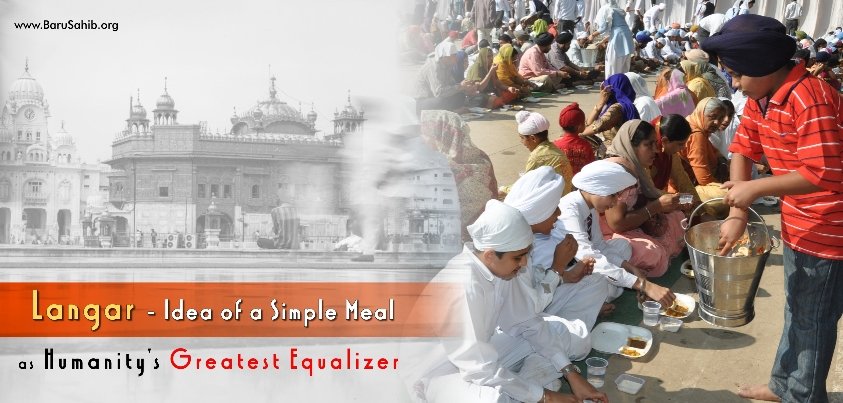
Langar – Idea of a Simple Meal as Humanity’s Greatest Equalizer

I elbow my way past pedestrians, carts and the occasional cow down a narrow road in Amritsar, Punjab. The afternoon sun beats down mercilessly, forcing me to squint. “Maybe it is a bad time to visit” I tell myself. Within minutes however, everything else seems to melt away as my eyes widen to take in […]

I elbow my way past pedestrians, carts and the occasional cow down a narrow road in Amritsar, Punjab. The afternoon sun beats down mercilessly, forcing me to squint. “Maybe it is a bad time to visit” I tell myself.

Within minutes however, everything else seems to melt away as my eyes widen to take in the sheer expanse and grandeur of the structure in front of me. Its minarets and walls glisten with gold and its central dome stands high in majestic glory, sagely surveying the thousands below. Considered the holiest of shrines in the Sikh religion, the Golden Temple is to Sikhs what St. Peter’s Basilica is to Catholics or the Kaaba to Muslims.

I buy a scarf to cover my head. Visitors are expected to cover their heads as a sign of respect. I leave my shoes and collect a token for them at a neatly organised stall, run by volunteers, before washing my feet in a pool of water (again, mandatory) I enter the shrine from one of its four entrances, built to indicate openness to all religions. Inside, the temple complex is massive with a large tank surrounding the temple. Devotees take dips in the holy water, while others mill around the marbled quadrangle with their eyes closed, brows furrowed and palms together, absorbed in their prayers. Despite the crowd, there isn’t the cacophony I had expected, but a revered silence. I am surrounded by European backpackers, newly weds, turbaned Sikh men and families.

One of the tenets of the Sikh religion is the “langar” – A kitchen, where a free meal is served to all visitors every day. This has been the practice since the founding of the Shrine in 1604. Imagine 100,000 people at a sit-down lunch every day! I cynically mutter “Impossible. Got to see this for myself”. Soon, I find myself in a queue approaching the dining hall with a plate and spoon in hand. Volunteers guide the crowd, wash used utensils and keep the place absolutely clean. The hall is lined with hundreds of people seated cross-legged on mats while Sikh men in uniform serve lunch – A simple but tasty vegetarian fare prepared by any visitor who wishes to contribute and serve on that day. My mind tries to calculate the number of rotis (flattened bread) that must be produced for 100,000 people on a daily basis. It is unfathomable.

Having lived and worked in the globalised world where everything must make “logical sense”, I don’t understand why the Sikhs do this. It requires immense planning, costs millions of dollars, no return on investment and… My thoughts are interrupted by a nudge in the ribs. The man sitting next to me, smiles. He is emaciated, wears torn clothes with white plaster stains on his shirt. He asks me where I am from. I tell him. He says I am a long way from home. He is a Hindu and though his family lives far away in another state, he has come to Punjab to make a living as a labourer. “A few more years…” he adds wistfully. In front of me, sits a turbaned gentleman in a business suit, his tie carefully tucked away while he eats. He catches my eye. “First time here?” he enquires in impeccable English. We start talking. He runs several businesses in Canada and visits India every year. “Surely there are Gurudwaras in Toronto?” I ask. “True…. But… It isn’t the same…” he trails off, looking around the hall.

Then it hits me! This is the reason why the Sikhs undertake this immense task – So that people, irrespective of religion, nationality, sex, status, caste or creed may sit down together and partake in a meal. No separate dining areas and no preferential treatment, even if you are the President. Underlying the principles of love and compassion, the founder of Sikhism, Guru Nanak decreed that no person must ever go hungry. Gurudwaras around the world take this seriously. The idea of a simple meal as humanity’s greatest equaliser moves me.

The man next to me wipes his mouth on his shirtsleeve and bids goodbye. He will be back again tomorrow he says. His friends wait for him on the other side of the hall. I wonder if Sikh volunteers at the temple would ever get irritated and consider regulars “freeloaders” My eyes follow the group of labourers as they exit the hall. A sturdy guard at the door flashes them a smile and engages in a quick, familiar chat. My question is answered.

I collect my shoes from an old man who mans the locker facility. I ask him if he works here. “Oh. No” he laughs “I am too old for that! But my wife and I choose to volunteer here 2 days every week” There is pride in his voice. He leans forward “Son, did you eat lunch?”
“Yes”

“Ah. Good” His eyes crinkle in an avuncular smile.

Of course the Golden Temple is a visual treat. Steeped in history, it boasts of beautiful architecture and rare paintings. But it is more than all that. It is not another visit that you merely cross off your travel agenda. It is an experience. It stays with you long after you go back to the world where everything must make economic sense and where there is no such thing as a “free lunch”

JOSHUA KARUNAKARAN

~ Source: thewire.in

Manjinder Kaur – The First SIKH to join US army at the age of 17

Manjinder Kaur was in the Police Academy from freshman year of her high school (9th grade), and from school projects, She found that she loved the idea of being in the military. She joined the United States Army at age 17 (November of 2001), turned 18 in boot camp training, and celebrated her 19th birthday […]

Manjinder Kaur was in the Police Academy from freshman year of her high school (9th grade), and from school projects, She found that she loved the idea of being in the military. She joined the United States Army at age 17 (November of 2001), turned 18 in boot camp training, and celebrated her 19th birthday in Mosul, Iraq.

She was born in Pind Mian-wal Arian, Dist Jalandhar, Punjab. After her father, Charanjeet Singh, filed for them, she came to California at age 6 with her mother, Lakhwinder Kaur and became a citizen shortly after. She has three younger siblings who are born in California.

She grew up in Stockton, California. When the 9/11 attacks happened, her father stopped wearing his turban and started to wear hats and beanies in fear of attacks from people who didn’t know the difference between Indians and Muslim terrorists.

Sharing her views on that, “I love being a Sikh, so I was very upset and decided that I would spread word about my religion to the world and that is why I joined. I watched the twin towers fall in history class on Sept 11- only 12 days before my 17th birthday. I wanted to join right way, but I could not join until I was 17. So, I completed my requirements for the army and signed up two months later, in November 2001. After completing 4 years in police academy during high school, I was ready to go further.”

She was deployed to Iraq from 2003 to 2004. She was part of the first team in the United States Army- “OIF Team One” was our title. From there, She volunteered for many missions without fear. She was chosen to go on many missions with my top leaders because she was Punjabi, she looked like an Iraqi, and many Iraqis respected her .

She shares her experience in Iraq saying “With this in common, many leaders wanted me to go with them. I lost some battle buddies in a fight against the enemies-(they were killed), one was my leader Command Sergeant Major Wilson. I was among several that were injured during combat. Some of the things I did was helping train and teach Iraqi police officers, women, and children, and handled enemy prisoners, and more. “

“After redeploying, I was stationed in Germany. I continued to spread word about being a Sikh and how we are a peaceful religion and the differences between us and Islam. Many soldiers were not happy to meet me at first because they thought I was a Muslim, but when I talked to them about being a Sikh, they started to understand and accept me- but I guess I could say ‘us’ referring to Sikhs as a whole. I am very proud of being blessed so I could spread our religion to many places around the world. I had my Nitnem Gutka Sahib with me when I was in the Army and would do Paatth often, no matter where I was.”

She is now a retired war veteran. She expresses her deep desire to continue to spread knowledge about Sikhism and even did her bit many school and college projects, videos, interviews, and reports on it, especially around Vaisakhi and Gurpurab.

She owns a vegetarian business where we make soaps, oils, lotions, conditioners, body scrubs, foot scrubs, make-up, and many more products perfect for the Sikh community, and especially for the Amritdharis. She has had a passion to serve the community since she was young and she chose to do so by providing products without animal ingredients in them.

On her last not, she shares her message

“I may not be the first Sikh female, but as I’ve researched, I have not found any others that joined before me. I would like to give a benefit of doubt and state that I am confident that I am at least in the top two count.

I am very proud of EVERY Sikh female that enters the United States Armed Forces and would like to one day stand beside them. Nothing would make me more happy than to meet these wonderful women!”

~ Tapasleen Kaur

NOTE- Due to lack to accurate information from the sources, we would like to rectify the information regarding the First SIKH Woman to join US army in our previous post about Ranbir Kaur

We would also like to invite such SIKH personalities to share their achievements so that it acts as a medium to inspire the Youth!

The Great Guru in Mecca!

Glowing countenance, book, staff, mat in hand Blue attired, wooden slippered, braving the sand Accompanied by disciple Mardana, the great Rababi Set forth Baba Nanak to Mecca dressed as a Hajji Mecca the land of Kabah stood imploring the devotees Reaching the city, Baba Nanak rested after daily duties Amazed locals cursed the visitor thus […]

Glowing countenance, book, staff, mat in hand Blue attired, wooden slippered, braving the sand

Accompanied by disciple Mardana, the great Rababi Set forth Baba Nanak to Mecca dressed as a Hajji

Mecca the land of Kabah stood imploring the devotees

Reaching the city, Baba Nanak rested after daily duties

Amazed locals cursed the visitor thus slumbered Feet pointing towards Kabah! He has blundered

The Kazi thus angered, arrived fretting and fuming Kafir your feet point towards the place of praying

Baba Nanak smiled and said politely, “O my brother, Move my feet to a place where is no God but other”.

Show me a house or an abode bereft of His being Show me a soul or an object out of His blessing

Lead me to a place where He is not to be found For I see and feel Him in every nook, corner around

On the feet of the great Guru, the Kazi fell Please guide me, as only truth is what you tell

You showed me the path, the right place of God Indebted I remain to you whole life, my lord

Glory of Nanak spread in Mecca and beyond Devotees came forward for his blessings abound

“Hindu greater or a Muslim”, from hint People inquired “Without noble deeds both will suffer” Nanak inspired.

~ Gurpreet Singh Rana