Mr. Amandeep Hunjan, a Punjabi bus driver, saved a lady from attempted sexual assault

Canada : The transit officials are singing the praises of a Punjabi driver who is being credited for interrupting the assault and helping the victim, while, Calgary police continue to investigate an attempted sexual assault in the northwest Tuesday night. Around 10:45 p.m. as a woman was getting off a bus near the intersection of […]

Canada : The transit officials are singing the praises of a Punjabi driver who is being credited for interrupting the assault and helping the victim, while, Calgary police continue to investigate an attempted sexual assault in the northwest Tuesday night.

Around 10:45 p.m. as a woman was getting off a bus near the intersection of Sandstone Drive and Berkshire Boulevard N.W.,a man forced her to the ground and attempted to sexually assault her, police say.

It was at this time that bus driver Amandeep Hunjan arrived.

“The girl came towards me crying. I asked, ‘Do you need any help?’ She said yes,” Hunjan told CBC News. He with the help of his dispatcher called police and an ambulance. Hunjan brought the woman onto the bus, gave her water and comforted her until police arrived.

His boss says Hunjan did exactly what he should have done.

“It was clear that she had been attacked by the male, and if it weren’t for the operator arriving when he did, we can only predict that it could have been much worse for her,” said Brian Whitelaw, head of safety at Calgary Transit.

Investigators believe it was a random attack.

The suspect is white, between 18 and 20 years old, and about five feet ten inches tall with a medium build. He was wearing a black baseball cap, a grey hooded sweatshirt and blue jeans.

~ Source‬: CBC News

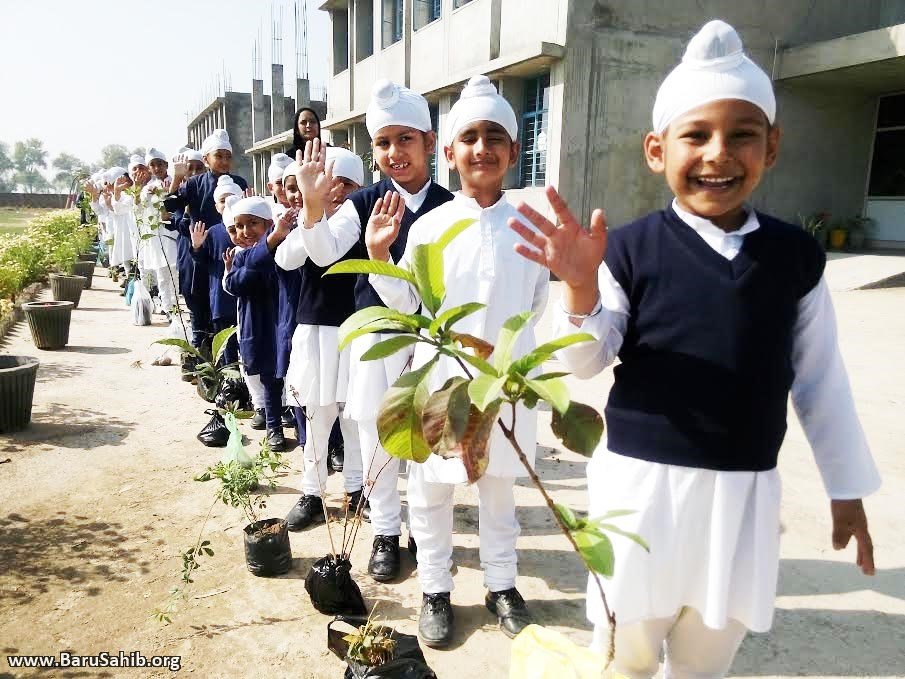
ਅਕਾਲ ਅਕਾਦਮੀ ਥੇਹ ਕਲੰਦਰ ਦੇ ਬੱਚਿਆਂ ਨੇ ਲਾਏ ਵੱਖ ਵੱਖ ਕਿਸਮਾਂ ਦੇ ਪੌਧੇ |

ਅਕਾਲ ਅਕਾਦਮੀ ਥੇਹ ਕਲੰਦਰ ਵਿਖੇ ਪਹਿਲੀ ਤੋ ਛੇਵੀ ਜਮਾਤ ਦੇ ਨਿੱਕੇ ਬੱਚਿਆਂ ਨੇ ਆਪਣੇ ਨਿੱਕੇ ਨਿੱਕੇ ਹਥਾਂ ਨਾਲ ਅਧਿਆਪਕਾਂ ਦੀ ਦੇਖ ਰੇਖ ‘ਚ ਲਾਏ ਵੱਖ ਵੱਖ ਕਿਸਮ ਦੇ ਪੌਧੇ ਇਹਨਾਂ ਪੌਧਿਆਂ ਨੂੰ ਰੋਪਦੇ ਹੋਏ ਬਚੇ ਬੜੇ ਹੀ ਖੁਸ਼ ਸਨ | ਆਪਣੇ ਹਥੀ ਰੋਪੇ ਪੋਧੀਆਂ ਰਾਹੀਂ ਬਚਿਆਂ ਨੂੰ ਵਾਤਾਵਰਨ ਲਈ ਆਪਣੀ ਜ਼ਿਮ੍ਮੇਵਾਰੀ ਦਾ ਇਹਸਾਸ ਕਰਾਇਆ ਗਿਆ […]

ਅਕਾਲ ਅਕਾਦਮੀ ਥੇਹ ਕਲੰਦਰ ਵਿਖੇ ਪਹਿਲੀ ਤੋ ਛੇਵੀ ਜਮਾਤ ਦੇ ਨਿੱਕੇ ਬੱਚਿਆਂ ਨੇ ਆਪਣੇ ਨਿੱਕੇ ਨਿੱਕੇ ਹਥਾਂ ਨਾਲ ਅਧਿਆਪਕਾਂ ਦੀ ਦੇਖ ਰੇਖ ‘ਚ ਲਾਏ ਵੱਖ ਵੱਖ ਕਿਸਮ ਦੇ ਪੌਧੇ ਇਹਨਾਂ ਪੌਧਿਆਂ ਨੂੰ ਰੋਪਦੇ ਹੋਏ ਬਚੇ ਬੜੇ ਹੀ ਖੁਸ਼ ਸਨ |

ਆਪਣੇ ਹਥੀ ਰੋਪੇ ਪੋਧੀਆਂ ਰਾਹੀਂ ਬਚਿਆਂ ਨੂੰ ਵਾਤਾਵਰਨ ਲਈ ਆਪਣੀ ਜ਼ਿਮ੍ਮੇਵਾਰੀ ਦਾ ਇਹਸਾਸ ਕਰਾਇਆ ਗਿਆ |

ਖਿੜਖਿੜਾਉਦੇ ਬੱਚਿਆਂ ਨੂੰ ਵੇਖ ਕੇ ਸਾਡੇ ਦੇਸ਼ ਦੇ ਭਵਿਖ ਨੂੰ ਵਾਤਾਵਰਨ ਪ੍ਰਤੀ ਜਾਗਰੂਕ ਕਰਨ ਦਾ ਇਹ ਇਕ ਸਫਲ ਉਪਰਾਲਾ ਰਿਹਾ |

~ Jasvinder Kaur
~ New Delhi, 25th March ’16

Arjuna Award Sikh hockey captain now serving as Security Officer of T20 Players!

Rajpal Singh is a former captain of Indian hockey team — an Arjuna Award winner. He is a man who captained the Indian hockey team in 2010 Commonwealth Games and has led India to many heights in international hockey. His identity is getting associated by the skyrocketing craze of the 2016 ICC T20 World Cup? […]

Rajpal Singh is a former captain of Indian hockey team — an Arjuna Award winner. He is a man who captained the Indian hockey team in 2010 Commonwealth Games and has led India to many heights in international hockey. His identity is getting associated by the skyrocketing craze of the 2016 ICC T20 World Cup? He is a traffic DSP who has been assigned the responsibility of players’ safety at the Mohali stadium.

Rajpal spearheaded the Indian team until it was taken over by Sardar Singh. No doubt, he has been doing his duty like a responsible security personnel, but those who are being protected by him have no clue who he isThe State gave him the opportunity to work in the police force.

Rajpal had represented Delhi Waveriders during the 2014 edition of the Hockey India League, but most of the time he was warming the benches. He led the Indian hockey team to victory in 2011 Asian Men’s Hockey Champions Trophy defeating Pakistan in the final.

Like Rajpal, other sportsmen who have been offered positions in the state police include the likes of Joginder Sharma — the man who became the hero 2007 ICC T20 world cup final, Dalip ‘The Great Khali’ — wrestler. Other Arjun awards like Baljit Dhillon, Jugraj Singh have also joined the police department.

Source : thelogicalindian

Hazoor Sahib Singhs Come up with the memorandum over Santa Banta films !

The film mocks the Sikh religion and disrespects the image of a Sikh. The Sikhs stated that if the film releases than the government would be responsible for any damages resulting Sikhs from Sri Hazur Sahib Nanded have given out a memorandum to the local collector and SP over the film Santa Banta which looks […]

The film mocks the Sikh religion and disrespects the image of a Sikh.

The Sikhs stated that if the film releases than the government would be responsible for any damages resulting
Sikhs from Sri Hazur Sahib Nanded have given out a memorandum to the local collector and SP over the film Santa Banta which looks to completely destroy the Sikh image.

The Sikhs met the collector and the police to express their disappointment over the film and the negative reaction of the Sikh community. The Sikhs is alleging that the film targets the entire community and makes them appear as clowns and jokers. The Sikhs want to further prevent false stereotypes from going into the mainstream.

Source : DailySikhUpdates

Brussels Sikhs come to rescue : Food and Shelter

The Sikh community worldwide condemns the terror attacks in which many innocent people have died. Our Prayers to the victims of the Brussels Attacks. Gurdwaras around the city are providing shelter and food around the clock. If Anyone needs a place to stay arrangements are being made. One of the largest Sikh Gurdwara’s in Europe, […]

The Sikh community worldwide condemns the terror attacks in which many innocent people have died.

Our Prayers to the victims of the Brussels Attacks. Gurdwaras around the city are providing shelter and food around the clock. If Anyone needs a place to stay arrangements are being made.

One of the largest Sikh Gurdwara’s in Europe, the Guru Nanak Gurdwara in Smethwick has lit up in the colours of the Belgian flag in solidarity with Brussels following a series of terror attacks which left over 31 dead and dozens injured.

In a statement made by the General Secretary of GNG Jaswinder Singh Birring said “We are in solidarity with the people of Belgium and will light up the Gurdwara (Sikh place of worship) with the colours of the Belgian flag for the next 2 days”.

Guru Nanak Gurdwara Smethwick’s management committee prays for the victims of this blind violence and sends condolences to the friends and families of those killed in today’s attacks.

Anyone stranded in Brussels is welcome at a Local Sikh Gurdwara for Food & Support.
Contact- Address: Lange Molenstraat 14, 1800 Vilvoorde, Belgium
Phone:+32 2 251 87 82

~ Source :Guru Nanak Da Panth Nirala

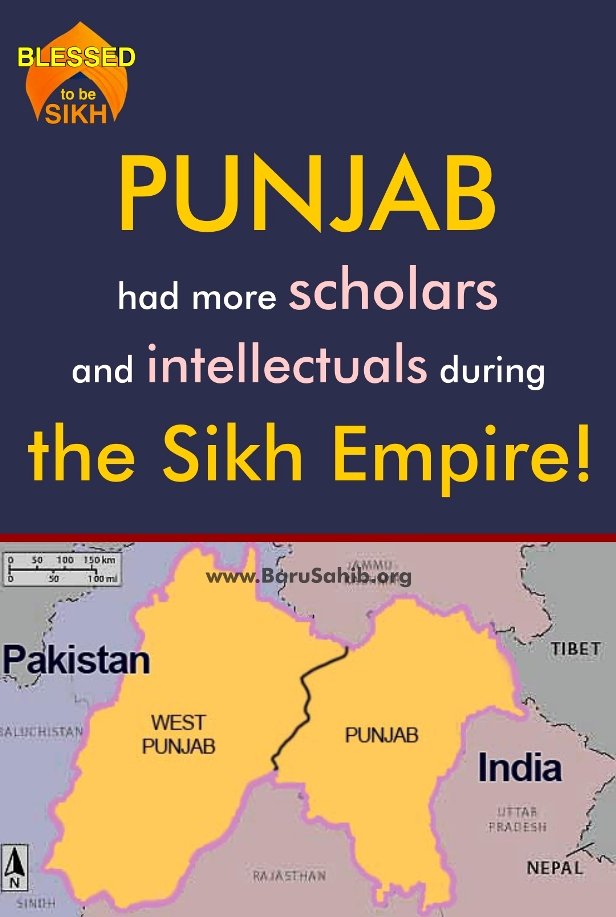
Punjab had more scholars and intellectuals during the Sikh Empire!

The notion that with the fall of the Sikhs in 1849 the British East India Company ushered in the ‘modern age’ in the Punjab, especially in Lahore, is one that we need to revisit. What went wrong, and remained wrong subsequently, is a subject that we all need to reconsider. The British Historian G.W Leitner […]

The notion that with the fall of the Sikhs in 1849 the British East India Company ushered in the ‘modern age’ in the Punjab, especially in Lahore, is one that we need to revisit. What went wrong, and remained wrong subsequently, is a subject that we all need to reconsider.

The British Historian G.W Leitner in his work published in 1881, The number of students attaining education dropped nearly 50% from Maharaja Ranjit Singh’s Sikh empire to British Colonization. Punjab had more scholars and intellectuals then anywhere but after the British took over all changed.

When the Lahore Khalsa Darbar collapsed, the EIC, thanks mainly to the Lawrence brothers, set about trying to win over the Punjabis, especially the Sikhs. There was a cogent reason for this. The EIC, after a survey, discovered that education in Lahore, and the Punjab, was far superior to the education the British had introduced all over ‘conquered India’. In Lahore alone there were 18 formal schools for girls besides specialist schools for technical training, languages, mathematics and logic, let alone specialised schools for the three major religions, they being Hinduism, Islam and Sikhism. There were craft schools specialising in miniature painting, sketching, drafting, architecture and calligraphy.

Punjab Ahead of Europe in Education

Every village in the Punjab, through the Tehsilar, had an ample supply of the Punjabi ‘qaida’, which was compulsory for females.The Company concluded that the Punjabis were years ahead in the field of education than the so-called ‘enlightened’ Europeans. Thus, almost every Punjabi woman was literate in the sense that she could read and write the ‘lundee’ form of Gurmukhi. To overcome this, and yet keep the Punjabis ‘in line’, a deliberate campaign to burn all Punjabi ‘qaida’ was planned. The events of 1857 provided them this opportunity, even though it was because of the ‘loyalty and sacrifices’ of the Punjabis that the British regained India.

But how did the British rulers, now formally under the Crown after the EIC was dislodged after becoming bankrupt because of expense incurred in 1857, gauge the situation? Here we have an amazing book from the legendary G.W. Leitner, the founder of Government College, Lahore, and the Punjab University and undoubtedly one of the world’s greatest ever linguist, who studied ‘Indigenous Education in the Punjab’ in amazing detail in 1882. His conclusions make much better sense today, for they were ignored by the British during the years of their rule. Not that we today care for what the great man said then, yet it seems sensible to bring the matter to our readers’ attention.

In the ‘Introduction’ to his original 1882 publication, he starts off by stating: “… in spite of the best intentions, the most public-spirited officers, and a generous Government that had the benefit of the traditions of others provinces, the true education of the Punjab was crippled, checked and nearly destroyed … our system stands convicted of worse than official failure”. The Punjab has this tradition whereby the “most unscrupulous chief, the avaricious money-lender, and even the freebooter, vied with the small land-owner in making peace with his conscience by founding schools and rewarding thelearned. There is not a mosque, a temple, a dharmsala that had not a school attached to it”.

British Burnt Books in Punjab

The british set up a network to destroy. In the carnage of revenge that followed 1857, the British made it a special effort to search every house of a village and to burn every book. Even in the secular schools of Lahore which used Persian or ‘lundee’ as the medium of instruction, books formed the major bonfire than the British troops ‘cleansed’ the area. Leitner claims that before 1857 the Punjab had an estimated computation as he called it, 330,000 pupils learning “all the sciences in Arabic and Sanskrit schools and colleges, as well as Oriental literature, Oriental law, Logic, Philosophy and Medicine were taught to the highest standard”. Leitner claimed that after the events of 1857 the Punjab, by 1880, had, again a computed estimation, just 190,000 pupils. He says an entire tradition, far superior to what Europe had to offer, was destroyed.

To explain his claim, Leitner quotes from the Punjab Administration Report for 1849-51, paragraph 377: “The Musalman schools are nearly all connected with the village mosque, where the land is rent-free … the endowments are secular and religious to support temples, mosques, schools, village-inns … more of a monastic character”. An extract of report No. 335, 6th July, 1857, reaches the conclusion: “That elementary, and sometimes high, oriental classical and vernacular education was more widespread in the Punjab before annexation than it is now”. The report concludes that the events of 1857 destroyed the huge endowments that kept this ‘magnificent educational system intact’.

Maharaja Ranjit Singh Spent More on Education then British in India

Here an amazing table brings the assertions of Dr. Leitner to the fore in his claim that the Punjab, and especially Lahore, was better off educationally in the days of Maharajah Ranjit Singh than in the British days before 1882, when his research was published. It shows that total revenue collected by Ranjit Singh in his last years, say 1838-9 as equalling 1.85 million pounds. The British managed 1.45 million pounds. Then comes the stunner. “The Sikh ruler, as a percentage, spent more on education than the Company from the revenues collected.”

Most Scholars in the World

In the Lahore District report of 1860, it had 576 formal schools where 4,225 scholars taught. This being the case, if Lahore had so many scholars (teachers) in the year 2010, it could again become a ‘first world’ educational city and district. Dr. Leitner provides still more statistics. He says 41.3 per cent learn the Quran, 37.0 per cent learn Persian and Urdu, 8 per cent learn Nagri, 6.7 per cent learn Gurmukhi and 7 per cent learn Hindi or debased Nagri. “The teachers are all paid in grain by the local landlords, who also send in daily rations.” Special mention has been made of the extra amounts of grain sent to teachers in Sialkot. This probably explains the qualitative edge that Sialkot education has always maintained. Its manifestations in Iqbal and Faiz can easily be seen.

Sikh Empire has a Impressive Teach to Student Ratio

It would be of interest for us today to understand the schools of Lahore of those days. Schools opened from 7am and closed at midday. In no case was a class allowed to exceed 50 pupils. If any report of this number came forward, the ‘Subedar’ would send soldiers to arrest the teacher for trying to ‘destroy the future of our children’. Imagine! Can we ever imagine such care and love today.

Inside the walled city all the schools have been described in great detail. For example the Kashmiri Bazaar Mosque School had a teacher by the name of Allah Jewaya who taught the Quran and all subjects in Arabic. The Kucha Chabaksawaran School had a teacher by the name of Muhammad Abdul Aziz who taught in Persian and Arabic. In the nearby mosque of Faizullah, the teacher was Mahmood the Eunuch, who excelled in Persian and Arabic, and taught pupils how to learn the Quran by heart. In the advanced Arabic school in the Anarkali Mosque taught Maulvi Nur Ahmed, who taught grammar, logic, Muslim law and mathematics. In Suttar Mandi School taught Pandit Gauri Shankar, who taught mathematics, logic, medicine and Puran literature.

It is very clear that Lahore in the dying days of the Lahore Khalsa Darbar and the years before 1857 had a first rate educational system that was far superior to what the British had to offer. What amazes one the most is the fact that women were more educated than men, and this, Dr. Leitner observes, is what made sure that with every passing year, the literacy rate increased. Once this stopped, it progressively declined. What we are today is for all of us to think about. My way of measuring literacy, given the bias that a journalist would have, is the number of newspapers sold every day. In Pakistan the number barely crosses one million. For a population of 180 million, this means a Functional Literacy Rate of 0.55 per cent. Need one say more? The destruction continues.

A few years ago through this column we requested the Punjab government to rename Kutchery Road – from the District Court crossing to Nila Gumbad-Anarkali crossing – as Leitner Road. A ‘bright’ bureaucrat observed on the request “no one knows of this strange man”. Shahbaz Sharif agreed and dropped the request. I am not surprised. Luckily, he is not part of the 0.55 per cent figure, though he attended the institution Leitner founded.

~ Source: Dawn Newspaper

Why did a Christian Couple gave their baby a Sikh name!

A couple in New Zealand highlanders has given their baby a Sikh name. The city has a brand new Gurdwara that completed construction only in July of 2015. Across from an orange farm owned by a Sikh family, live a couple that were getting on in years. They had almost given up hope of ever […]

A couple in New Zealand highlanders has given their baby a Sikh name. The city has a brand new Gurdwara that completed construction only in July of 2015.

Across from an orange farm owned by a Sikh family, live a couple that were getting on in years. They had almost given up hope of ever having children. They had been together for 18 years and the lady had had some form of cancer and some surgery which made it even more likely she would not bear children.

One day, the owner of the orange farm, Bhai Avtar Singh ji, was going to the gurdwara, which was in the process of being constructed. He went to help clean up the grounds and do gardening. It was a very hot day and the neighbouring highlander, who Singh knew as being a hard working man, and who called Singh “Papa”, asked where he was going. When he heard where Singh was going, he insisted on coming. Singh felt it was unfair as he had been working all day on the hot farm and no punjabi people had even volunteered to do this sewa.

The highlander even insisted on cutting the grass, telling Singh he should rest. In the blistering hot sun, the man cut the grass and weeded, and Bhai Sahib thought to himself of how amazing it was that this Christian man was doing sewa for the gurdwara when even their own punjabi people were not volunteering.

By the end of the day the highlander was filthy from working and Bhai Sahib told him “May God bless you for your helping today.” A few days later the highlander told Singh that his wife was pregnant, and when she gave birth to a healthy boy, they named him Avtar Singh. The child loves Bhai Sahib and his wife and enjoys hearing the word “waheguru” too.

~ Source: DailySikhUpdates!

A needle leads to Divine Wisdom!

ਸਾਥਿ ਨ ਚਾਲੇ ਬਿਨੁ ਭਜਨ ਬਿਖਿਆ ਸਗਲੀ ਛਾਰੁ ।। ਹਰਿ ਹਰਿ ਨਾਮੁ ਕਮਾਵਨਾ ਨਾਨਕ ਇਹੁ ਧਨੁ ਸਾਰ ।।1।। Guru Nanak travelled far and wide teaching people about God. He explained that God is there for everyone, and we should seek his truth. We should work hard and be generous to one another. The Guru met […]

ਸਾਥਿ ਨ ਚਾਲੇ ਬਿਨੁ ਭਜਨ ਬਿਖਿਆ ਸਗਲੀ ਛਾਰੁ ।।
ਹਰਿ ਹਰਿ ਨਾਮੁ ਕਮਾਵਨਾ ਨਾਨਕ ਇਹੁ ਧਨੁ ਸਾਰ ।।1।।

Guru Nanak travelled far and wide teaching people about God. He explained that God is there for everyone, and we should seek his truth. We should work hard and be generous to one another. The Guru met many different people, both rich and poor, along the way. Some listened to, and welcomed him. Others jeered at him.

There was one rich trader called Duni Chand. He was very good at making money. He was also very mean. He didn’t spend his money on other people. Duni Chand just kept all his money for himself. One day, Duni Chand heard that Guru Nanak was teaching in the city. Duni Chand wanted to meet this famous man. So he sent out a servant to invite Guru Nanak to a feast in his glorious palace. When the Guru arrived at the palace he noticed rows of coloured flags flying above the palace walls.

‘What are those flags for?’ asked the Guru in surprise. Duni Chand puffed out his chest with pride. ‘Oh, Guru Nanak,’ he replied, ‘every time I save a thousand rupees, I fly a new flag. As you can see, I have many, many flags. So I have millions of rupees!’

After the feast, Guru Nanak turned to Duni Chand. ‘You have the best food and wine in this city. I see that you are a very wealthy man,’ he said. Duni Chand nodded happily. ‘Yes, I am very rich. I have everything I could
wish for.’ The Guru smiled and held out his hand. ‘Here,’ he said to Duni Chand.

‘You’re a careful man. Take this needle. Keep it safe for me. When I die, we will meet up in the next world. Then you can give the needle back.’ Duni Chand was very grateful for this honour. But that night, he began to think hard. How could he take the needle with him when he died? How could he take anything with him when he died? Duni Chand didn’t sleep at all that night.

The next morning Duni Chand set off early to find Guru Nanak. He handed back the needle and said, ‘You have taught me a very big lesson. I can’t take this needle with me into the next world. And I can’t take all my gold and riches with me either.’ Guru Nanak was pleased that Duni Chand had learned this lesson. From that day on, Duni Chand shared his wealth with people who needed it.

~ Source : Sikh Awareness Society (SAS)

Sikh are Greatest Warriors in history : Article in an American magazine!

This American magazine had written an article on Sikhs! That was some based on “Sikhs are one of the greatest warriors in history”. FRESNO, CA — I think I’ve finally found a religion I can convert to. I’m thinking of turning Sikh. And we’ll just slide right by all the puns popping into your little […]

This American magazine had written an article on Sikhs! That was some based on “Sikhs are one of the greatest warriors in history”.

FRESNO, CA — I think I’ve finally found a religion I can convert to. I’m thinking of turning Sikh. And we’ll just slide right by all the puns popping into your little heads, if you don’t mind. The Sikhs are just the coolest warrior tribe around. Take their scripture.

It all started when I got a letter from a guy named Gill, a Sikh in the UK, whining about how I’d talked up all the other warrior tribes but never had a word to say for the Sikhs. “Give us some love, Gary,” Gill whined.

Well, the War Nerd makes war, not love, but after weeks of looking into this Sikh thing, I gotta give the bearded boys their due. The Sikhs have one of the most amazing military histories on the planet. And they’re still living through their Golden Age right now. One of the great last stands in Sikh history happened less than 25 years ago, when 200 Sikh militants holed up in their version of the Mormon Tabernacle, the “Golden Temple” in Amritsar, India. Anybody with sense knew those 200 Sikhs were going to fight like demons, because that’s what Sikhs have been doing for the past 400 years. Sikh military history is so packed with glorious last stands that George Armstrong Custer would be a smalltime footnote if he’d worn a big turban to go with that long hair and beard of his.

It was 1984, and the Indian Army must have known it was in for a big bloody mess to get the temple back, especially since its upper ranks are filled mostly with Sikh generals, Sikhs being the designated hitters of the Indian war game. But Indira Gandhi was PM, and she was a lady who didn’t like being disobeyed, so she ordered her Sikh Commanding General to overrun the temple.

Mistake. The Sikh CO inside the temple was a dude named Shahbeg Singh, who pretty much single-handedly engineered the collapse of the Pakistani Army in the 1971 Indo-Pak War. It was Shahbeg who organized the Mukhti Bahini, the Bangladeshi guerrillas who made history by being the first Bengali armed force in history not to pee in their dhotis and flee at the sound of gunfire. In fact, this Sikh must’ve given the Bengalis some kind of Sikh blood transfusion because they fought well enough to make the West Pak garrisons surrender en masse even before Indian troops crossed the Bengal border. After that it was the end of history for East Bengal, except for a bunch of whiney George Harrison begging chanteys, and a tidal wave or two.

Well, this same Shahbeg arranged the defense of the Golden Temple so well that at the end of a seven-day battle with the Indian Army’s best units, his 200-odd amateur militants had inflicted 83 KIA on the army and even managed to blast the first tank to enter the compound. They paid a price, naturally – at least 500 Sikh dead. But Sikhs — well, if there’s one thing you can say about ‘em, it’s that they’re willing to pay any price.

And they make the enemy pay, too. Less than five months after Indira Gandhi ordered the attack on the Temple, she was strolling into her garden to be interviewed by that fat old Brit with the Russian name, Peter Ustinov, when the Sikhs got their revenge. It must have been a pretty scene, the fat man sweating in the Delhi heat, Indira swirling up in her best sari — when BOOM! Two of her bodyguards, who were Sikhs, naturally, opened fire on her with machine guns, turning her into human chutney. She died before the sweat dried on Ustinov’s chins. And then, just to add to Ustinov’s fun, her other non-Sikh bodyguards started blasting at the Sikh shooters, killing one and wounding another.

That was the Sikh revenge for “Operation Bluestar,” the temple raid. By the way, that’s another of these lame ops titles they keep coming up with. Should’ve called it “Operation Blowback,” or “Operation Indira, Are You Sure?”

For the Sikhs, this was just like Chapter Two Million in a long and glorious series of battles, assassinations and massacres. The Sikhs were born in the Punjab, the coolest part of India. Every conqueror in history headed that way as soon as he got his learner’s license at 15. Punjab was the last, and the toughest place Alexander himself ever tried to take. He was so impressed with the army of Pontus, as they called it then, that he said every Punjabi deserved to be called Alexander. Which was high praise, since Alex was never known for modesty.

Before him even those lazy necrophiliac Egyptians had a stab at the Punjab. I couldn’t believe it when I read it, but apparently those Nile-side loungers had the energy to attack the Punjab. Everybody had a turn, though it was the Persians and the Afghans who turned invading the Punjab from a healthy, occasional fun evening into an unhealthy obsession.

And that was before Islam was added to the subcontinental mix. By the time Sikhism started, about 400 years ago, the Mughal emperors, basically a bunch of land pirates who swooped down out of Afghanistan to plunder the plains, had tried to convert India to Islam by using the time-honored method of appealing to the prospect’s common sense: “Convert or we’ll hack you into a million tiny pieces.” The Hindu majority, under the thumbs of hundreds of feudal kings, tried to weasel out of conversion so they could hang on to their own homegrown miseries, like the caste system. The Hindus’ ultimate weapon was simple inertia and birthrate. The Afghans’ sword arms just got tired after a while, hacking in that heat, and they said, “Aw, the Hell with it.” Northern India settled into a lazy routine with the occasional massacre, a lot of bribery, nasty little village snobs hating each other.

Then along comes the founder of Sikhism, Nanak, and says, “There is no Muslim, there is no Hindu.” Meaning the Hell with both of you. Sikhs were radicals from the start. All the little traditions people know about them started out as in-your-face rebel yells in the Punjab. Like those beards: only the Mughal were allowed to wear long hair and beards. So the Sikh all let theirs grow longer than John and Yoko’s. That name, “Singh,” every Sikh guy has? It means “Lion” but the real point is that it replaced all the caste names they had before. Like Malcolm making his last name “X.”

The Sikhs’ real weapon was the flintlock. A grumbly Muslim Afghan wrote that “these dogs [the Sikhs] invented the musket, and nobody knows these weapons better. These bad-tempered people discharge hundreds of bullets on the enemy, on the left and right and back.” Aww, poor little Afghan! Those pesky bad-tempered Sikhs, shooting at you when all you want to do is massacre them for their unbelief and steal their stuff along the way! No-friggin’-fair!

The Sikhs were more than happy to fight hand-to-hand whenever it made sense, and even got praise from the Brits for hacking Brit soldiers to death with their swords even after being spitted on the redcoats’ bayonets. But the Sikhs were also sensible people: Why risk getting cut when you can lure the enemy into an ambush and knock him out of the saddle at long range?

The Sikhs evolved a theory of warfare called “the two-and-a-half strikes.” You got a full point for ambushes and hit-and-run attacks, but only a half point for pitched battles where you lost a lot of your own men. Nathan Bedford Forrest, Francis Marion and Patton himself would have agreed.

By 1810 the Sikhs had driven the Mughals out of the Punjab. They owned the place, literally: They had an independent Sikh kingdom running there, and by all accounts it was the one place in India where something sorta resembling law and order actually prevailed.

The only reason the Sikhs didn’t go on to run all of India and maybe the world is simple: They ran into the Brits. Same reason the Zulu didn’t get to own all of southern Africa. A lot of big, strong tribes were on the move in Queen Victoria’s time, and the same thing happened to most of them: They met the Brits, and that was all she wrote.

Ranjit Singh, the ruler of the Punjab, was smart enough to sign a treaty with the Brits, keep a strong army to back it up, and avoid the sort of little faked “border incidents” the Raj loved to use to start a war. When he died in 1839, the Punjab fell into the usual bickering, and the Brits pounced.

I keep telling you, the Brits circa 1840 weren’t the cute little Monty Python guys you imagine. They were stone killers, the best since the Romans, totally ruthless, no more conscience than a drain contractor. They saw the Sikhs fighting among themselves and went for it.

Even then, even with Sikh traitors fighting for the Brits, the Sikhs had the best of the first Anglo-Sikh war. The Brits lost more than 2,000 men in the first battle, Ferozeshah, in 1845, and were on the verge of offering unconditional surrender when reinforcements arrived and overwhelmed the Khalsa, the Sikh army. The second war, in 1849, was easier, because the Brits, who knew more about occupation than our lame Bremer clones ever will, used the three years in between to bribe, assassinate and divide the Sikh elite. Even so, the Sikh cavalry, fighting basically without any leaders, slaughtered the British cavalry at the battle of Chillianwalla, smacking down the redcoats’ little ceremonial swords with their big scimitars. I’ve read Brit officers’ accounts of that battle, and they say something you get in all accounts of the Sikh: how big and strong the bastards are. The Brits said they felt like children beside the Sikh horsemen, and there’s really funny picture of a white officer surrounded by Sikh soldiers, looking like a pasty little midget with his bodyguards.

And you know the best thing about the Sikhs? They don’t waste time holding grudges. The Brits won; they accepted it, worked with it, and in a few years they were the core of the Raj’s army. That came in handy during the Great Mutiny; the Sikhs stayed loyal and that was what saved the Raj. In fact, the Sikhs stayed so loyal that the battle of Saraghari, one of their greatest-ever last stands, was fought in the service of the British.

In 1897, 21 Sikh soldiers in British service were occupying two tiny forts on the Afghan frontier. The Pushtun were getting bored, the way they do every few months, and decided to stop taking British gold and attack the Raj instead. So 15 or 20,000 Afghans whooped down to the frontier. And those 21 Sikhs were standing in their way.

Saragarhi Fort 1

The Sikh garrison knew they were doomed, and if anything it kind of relaxed them. They went on to cover themselves with glory, killing hundreds of Afghans before they were overrun. The unit’s communications specialist, who used a helicograph, a kind of semaphore, sent his last message asking permission of his Brit officer to stop signaling and go down and die spitting Afghans on his bayonet. Permission was granted, and he carefully packed up his helicograph, charged into the fight and died gloriously.

The only objection you could make, and it’s kind of a quibble, is that politically this is a little weird, like a bunch of Mexicans dying in defense of the Alamo. I mean, it was the Brits who wrecked the Sikh’s homeland and all. But see, that kind of nitpicking is what ruins war-nerding. If you ask me, the Sikhs who died at Saraghari were just doing what they do best. I mean, what boy didn’t dream of dying at the Alamo, or Thermopylae, or on the Bonhomme Richard? Not many of us get a chance to actually do it, and if you do, you don’t nitpick about who pays your wages, you just soak up the gloriousness of it and imagine the songs they’ll write about you, how you’ll look as a statue.

And that’s the great thing about being a Sikh, which I’m gonna be soon unless the beard turns out too scratchy: It’s still happening! The Golden Age of Sikhism is still in session! When the rest of the world is a convalescent home, you can count on the Punjab – along with the Horn of Africa, and the Congo — to keep the old ways going. And you can count on the Sikh to be there, doing a Little Big Horn or Alamo every few years to keep life sweet, and give me hope that there’s something better outside of this office life I’m stuck in.

SOURCE : Dailysikhupdates

Ibadat’16 – A Spiritual Saga

A program for the Youth. Of the Youth. By the Youth.

Meet TAREN KAUR – young singing sensation from UK.
Taallbaaz – Yogesh Bir Singh and Prabhsimran Kaur
Gatka by Khalsa Anadpur Sahib Wale

Free Entry with Registration Only:

[button color=”color” size=”medium” url=”http://barusahib.org/ibadat/” icon=”bookmark” iconcolor=”white” ] Register NOW! [/button]

or Reach us at: 97111-93845 & 98111-08329