Sikh Brothers joins Muslims to distribute โ€˜Iftariโ€™ inโ€‰Ramzan in Pakistan

The Sikh community has joined Muslims here to distribute โ€˜iftarisโ€™, the sunset meal to break the dawn-to-dusk fast during Ramzan, to promote religious harmony and tolerance in Pakistan. At Aasia Gate, Sikh businessman Sahib Singh has set up a stall outside his medicine shop to dole out sweet-drinks, โ€˜lassiโ€™ and food to fasting Muslims. โ€œThe […]

The Sikh community has joined Muslims here to distribute โ€˜iftarisโ€™, the sunset meal to break the dawn-to-dusk fast during Ramzan, to promote religious harmony and tolerance in Pakistan.

At Aasia Gate, Sikh businessman Sahib Singh has set up a stall outside his medicine shop to dole out sweet-drinks, โ€˜lassiโ€™ and food to fasting Muslims.

โ€œThe objective behind distributing iftari items is to promote the concept of inter-faith harmony in our country,โ€ he said. Singh has also arranged food for the needy.

A former councillor, Singh said he wanted to apprise Muslims that his community accorded full reverence to their religious rituals. โ€œThis is the spirit of interfaith harmony,โ€ he said.

Singh said he also wanted tell the world that religious tolerance exists in Pakistan where people from different faiths and beliefs respect each other and accord reverence to religious festivals.

โ€œThe Hindu community has also decided to start the practice of bringing people of different faiths nearer to each other,โ€ Founding Member Council of Pakistan World of Religion, Haroon Sarbdial, said.

Sarbdial said we are planning to hold iftari at different places in Peshawar and waiting for Maulana Qureshi, the Imam of the Masjid Mohabat Khan, who is in Saudi Arabia for performance of Umra, to arrive.

He said because of this spirit, people in this region reside together in harmony.

The Hindu community has made iftari arrangements, like in Peshawar, for Muslims in Sindh province, Sarbdial said.

โ€œThis is the real face of Pakistan and its people who have great regard and reverence for each other, regardless of difference of faith and believes,โ€ he said.

_Hindustan Times

Student of Akal Academy, Gomti scores 94.2 % in CBSE XII & gets listed among the Top 10 District Toppers

Belonging to a rural area was no deterrent for Jasmeet Kaur a student of Akal Academy Gomti U.P. who became a shining star with her exceptional performance in CBSE Board 2017 Results. Hailing from a rural background this girl has proved that success can come the way we want. Jasmeet Kaur scored 94.2 per cent […]

Belonging to a rural area was no deterrent for Jasmeet Kaur a student of Akal Academy Gomti U.P. who became a shining star with her exceptional performance in CBSE Board 2017 Results.

Hailing from a rural background this girl has proved that success can come the way we want. Jasmeet Kaur scored 94.2 per cent marks in commerce stream and exams and is first in Tehsil and 7th in District.

Jasmeet said that worked hard throughout the year under the guidance of her teachers .Her father Sardar Satpal Singh and mother sardarni Manpreet Kaur too had their role in bringing laurels โ€œIt was due to the hard work put in by teachers and parents. She has toiled really hard for us and prepared herself without tuition or extra coaching. Her performance is no less than the students from city schools.

Sikhs & Hindu Brothers Join Hands To Build A Mosque as a Ramzan Gift in this Punjab Village

It’s an ideal present that members of the Muslim community could hope to get, ahead of the holy month of Ramzan in their village. They will no longer have to travel to nearby villages to offer ‘namaz’. Setting an example of communal harmony, the villagers of Ghalib Ran Singh Waal โ€” which has a majority […]

It’s an ideal present that members of the Muslim community could hope to get, ahead of the holy month of Ramzan in their village. They will no longer have to travel to nearby villages to offer ‘namaz’. Setting an example of communal harmony, the villagers of Ghalib Ran Singh Waal โ€” which has a majority of Sikhs and Hindus โ€” have constructed a mosque in the village.

The mosque was formally inaugurated by the villagers on Thursday. “Our long cherished demand has been fulfilled with the joint efforts of villagers. It’s a beautiful mosque. We will be able to pray here during the holy month, and it is an Eid gift for us,” said Liaqat Ali, a local villager.

Appreciating the gesture of Shahi Imaam Punjab and the village panchayat, Muslims said the Hazrat Abu Bakar mosque indeed was an Eid gift for them. “It’s so touching, and a big gesture of brotherhood on the part of villagers, that they came forward to help us in the construction of Hazrat Abu Bakar mosque in the village. This was a long pending demand of our community members in the village. Now, we will be able to pray in the village in this mosque,” said Shahi Imaam Punjab, Maulana Habib Ur Rehman Saani Ludhianvi.

The resolution for the construction of a mosque was passed way back in 1998. “The villager’s meeting had approved it with consensus. After that, about a kanal of panchayat land was also allotted for the construction. But the work could only begin on 2 May last year, following the efforts of villagers,” said village sarpanch Jagdeep Kaur. Taking pride in describing her village as an epitome of communal harmony, she says a temple was also now being constructed in the village with the joint efforts of villagers.

With a population of about 1,300, the village has around 700 Sikhs, 200 Hindus, and 150 Muslims. Most of the Muslims had settled in the village after partition. The village also has a Nanaksar Gurdwara where members of various communities go and offer their respects.

-Hindustan Times

Those fighting in the name of religion instead of dividing, work to unite human beings

Sikhs & Hindu Brothers Join Hands To Build A Mosque as a Ramzan Gift in this Punjab Village

It’s an ideal present that members of the Muslim community could hope to get, ahead of the holy month of Ramzan in their village. They will no longer have to travel to nearby villages to offer ‘namaz’. Setting an example of communal harmony, the villagers of Ghalib Ran Singh Waal โ€” which has a majority […]

It’s an ideal present that members of the Muslim community could hope to get, ahead of the holy month of Ramzan in their village. They will no longer have to travel to nearby villages to offer ‘namaz’. Setting an example of communal harmony, the villagers of Ghalib Ran Singh Waal โ€” which has a majority of Sikhs and Hindus โ€” have constructed a mosque in the village.

The mosque was formally inaugurated by the villagers on Thursday. “Our long cherished demand has been fulfilled with the joint efforts of villagers. It’s a beautiful mosque. We will be able to pray here during the holy month, and it is an Eid gift for us,” said Liaqat Ali, a local villager.

Appreciating the gesture of Shahi Imaam Punjab and the village panchayat, Muslims said the Hazrat Abu Bakar mosque indeed was an Eid gift for them. “It’s so touching, and a big gesture of brotherhood on the part of villagers, that they came forward to help us in the construction of Hazrat Abu Bakar mosque in the village. This was a long pending demand of our community members in the village. Now, we will be able to pray in the village in this mosque,” said Shahi Imaam Punjab, Maulana Habib Ur Rehman Saani Ludhianvi.

The resolution for the construction of a mosque was passed way back in 1998. “The villager’s meeting had approved it with consensus. After that, about a kanal of panchayat land was also allotted for the construction. But the work could only begin on 2 May last year, following the efforts of villagers,” said village sarpanch Jagdeep Kaur. Taking pride in describing her village as an epitome of communal harmony, she says a temple was also now being constructed in the village with the joint efforts of villagers.

With a population of about 1,300, the village has around 700 Sikhs, 200 Hindus, and 150 Muslims. Most of the Muslims had settled in the village after partition. The village also has a Nanaksar Gurdwara where members of various communities go and offer their respects.

-Hindustan Times

Those fighting in the name of religion instead of dividing, work to unite human beings

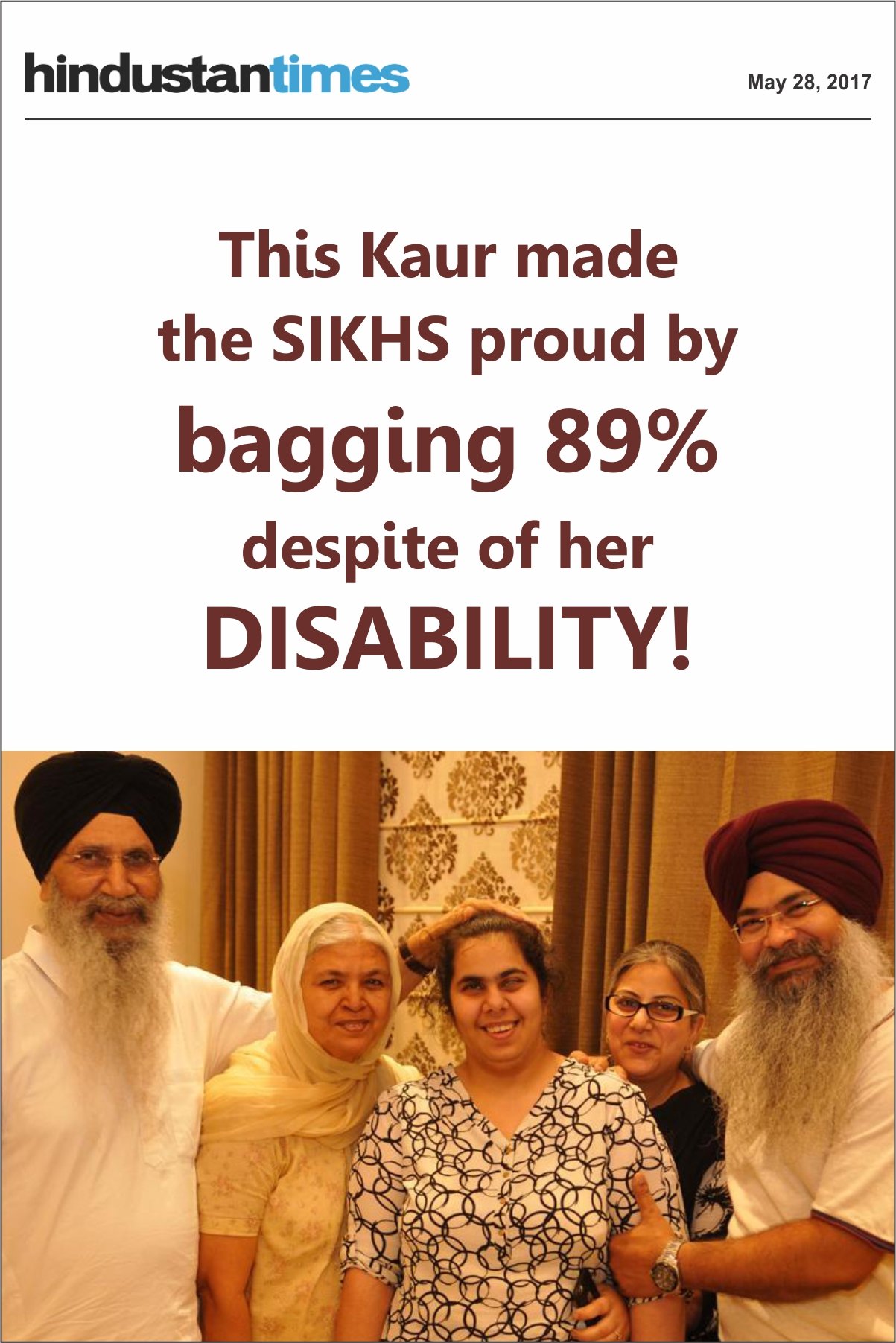
This Kaur made the SIKHS proud by bagging 89% despite of her DISABILITY!

Paul House,โ€™ situated in the centre of the city, was lightened up with flashes of cameras as the familyโ€™s daughter, who is visually impaired, scored 89% marks in Central Board of Secondary Education (CBSE) Class 12 exams, the result of which was declared on Sunday. Gurleen Kaur, 18, is suffering from the disability since birth. […]

Paul House,โ€™ situated in the centre of the city, was lightened up with flashes of cameras as the familyโ€™s daughter, who is visually impaired, scored 89% marks in Central Board of Secondary Education (CBSE) Class 12 exams, the result of which was declared on Sunday.

Gurleen Kaur, 18, is suffering from the disability since birth. Her mother Manpreet Kaur, a housewife, said that she is proud of her daughter as despite her disability, Gurleen did not quit and continued her studies. She wants her daughter to become an IAS officer.

Manpreet make files and notes for her daughter on the laptop and convert them into speech with the help of a special software that Gurleen uses.

Talking about Gurleenโ€™s routine, her mother said, โ€œShe gets up at 6am and studies. On the day of exam, she used to get up at 2am and study till 8. Whenever I asked if she needed any help, she say that she will manage.โ€ Her father Sukhwinder Paul Singh, who is in paint business, said he was extremenly overjoyed.

Gurleen is a student of Cambridge International School for Girls. โ€œI am a gadget freak. I love to play games and work on the laptop,โ€ she said.

โ€œWe plan to take her outside and organise a grand party to celebrate the success,โ€ said her mother.

This Kaur made the SIKHS proud by bagging 89% despite of her DISABILITY!

Paul House,โ€™ situated in the centre of the city, was lightened up with flashes of cameras as the familyโ€™s daughter, who is visually impaired, scored 89% marks in Central Board of Secondary Education (CBSE) Class 12 exams, the result of which was declared on Sunday. Gurleen Kaur, 18, is suffering from the disability since birth. […]

Paul House,โ€™ situated in the centre of the city, was lightened up with flashes of cameras as the familyโ€™s daughter, who is visually impaired, scored 89% marks in Central Board of Secondary Education (CBSE) Class 12 exams, the result of which was declared on Sunday.

Gurleen Kaur, 18, is suffering from the disability since birth. Her mother Manpreet Kaur, a housewife, said that she is proud of her daughter as despite her disability, Gurleen did not quit and continued her studies. She wants her daughter to become an IAS officer.

Manpreet make files and notes for her daughter on the laptop and convert them into speech with the help of a special software that Gurleen uses.

Talking about Gurleenโ€™s routine, her mother said, โ€œShe gets up at 6am and studies. On the day of exam, she used to get up at 2am and study till 8. Whenever I asked if she needed any help, she say that she will manage.โ€ Her father Sukhwinder Paul Singh, who is in paint business, said he was extremenly overjoyed.

Gurleen is a student of Cambridge International School for Girls. โ€œI am a gadget freak. I love to play games and work on the laptop,โ€ she said.

โ€œWe plan to take her outside and organise a grand party to celebrate the success,โ€ said her mother.

Khalsa Day celebrated with religious zeal at Ontario, Canada

Even a rainy day couldnโ€™t dampen the festivities to celebrate the 318th birthday of the Sikh faith. The annual Khalsa Day celebrations occurs every spring with a downtown parade, marshal arts demonstrations and the sharing of food. โ€œWe are celebrating Khalsa Day โ€” and we are celebrating 125 years of Windsor, 150 years of Ontario […]

Even a rainy day couldnโ€™t dampen the festivities to celebrate the 318th birthday of the Sikh faith.

The annual Khalsa Day celebrations occurs every spring with a downtown parade, marshal arts demonstrations and the sharing of food.

โ€œWe are celebrating Khalsa Day โ€” and we are celebrating 125 years of Windsor, 150 years of Ontario and Canada,โ€ said Harjinder Singh Kandola, president of the Sikh Cultural Society of Metropolitan Windsor.

โ€œWe are here to sing the praises of God and โ€ฆ we are remembering the guruโ€™s teachings of freedom, equality and justice.โ€

Food and celebration marked the opening ceremonies at the Riverfront Festival Plaza on Sunday.

Volunteers prepared and served puddings, samosas and bread.

โ€œThatโ€™s what we are known for โ€ฆ anyone who enters a holy place like our gurdwara, everybody gets food,โ€ said Jagjit Singh Varaich, a Khalsa Day organizer.

About 800 attendees then gathered for a parade, led by Windsor police cars in recognition of Windsorโ€™s 125th birthday.

Police vehicles were followed by a float decorated with colourful flowers and banners, containing the religionโ€™s scriptural canon.

The float was accompanied by five Panj Pyare, representing the five men who formed the initial Khalsa โ€” which translates to โ€˜pureโ€™ โ€” in 1699. All Sikhs who have undergone the faithโ€™s baptism ceremony and live within the religionโ€™s philosophy are part of the Khalsa community.

Varaich said the presence of the five Panj Pyare demonstrates the faithโ€™s emphasis on equality.

The five Panj Pyare were baptized by Guru Gobind Singh, the 10th Sikh guru. Those five, in turn, baptized the guru โ€” a symbolic gesture of equality among all devotees of the Sikh faith.

โ€œAll men and women, you see them,โ€ Varaich said. โ€œThey are sitting together, they are eating together, and everybody has prepared the food together.โ€

Attendees joined together to sing the divine hymns along the parade route, which began at the Riverfront Festival Plaza, travelled down Riverside Drive East to Church Street, and looped around from Pitt Street to Ferry Street before returning to Riverside Drive West.

โ€œThis day for me, personally, is everything,โ€ said Kandola. โ€œBecause this day, Sikhism was formalized as a Khalsa community, and we were given this form of Sikh five articles of faith and Sikh identity.โ€

Khalsa Day also celebrates the establishment of the five articles of faith, or the Five Ks, also established by Guru Gobind Singh in 1699. They include uncut hair, a wooden comb, an iron bracelet, a cotton tie-able undergarment and an iron dagger.

For attendee Narinder Varaich, Khalsa Day is a celebration of where she comes from.

โ€œWeโ€™re so honoured that weโ€™re allowed to do this here and just show who we are, all the similarities,โ€ she said. โ€œWe look different, but when you get to know (each other), all the core principles are the same.

โ€œWe believe in humanity and serving each other, so itโ€™s really about getting to know one another. And this is a great way to do that.โ€

Tharris@postmedia.com

Source- Windsorstar,com

Khalsa Day celebrated with religious zeal at Ontario, Canada

Even a rainy day couldnโ€™t dampen the festivities to celebrate the 318th birthday of the Sikh faith. The annual Khalsa Day celebrations occurs every spring with a downtown parade, marshal arts demonstrations and the sharing of food. โ€œWe are celebrating Khalsa Day โ€” and we are celebrating 125 years of Windsor, 150 years of Ontario […]

Even a rainy day couldnโ€™t dampen the festivities to celebrate the 318th birthday of the Sikh faith.

The annual Khalsa Day celebrations occurs every spring with a downtown parade, marshal arts demonstrations and the sharing of food.

โ€œWe are celebrating Khalsa Day โ€” and we are celebrating 125 years of Windsor, 150 years of Ontario and Canada,โ€ said Harjinder Singh Kandola, president of the Sikh Cultural Society of Metropolitan Windsor.

โ€œWe are here to sing the praises of God and โ€ฆ we are remembering the guruโ€™s teachings of freedom, equality and justice.โ€

Food and celebration marked the opening ceremonies at the Riverfront Festival Plaza on Sunday.

Volunteers prepared and served puddings, samosas and bread.

โ€œThatโ€™s what we are known for โ€ฆ anyone who enters a holy place like our gurdwara, everybody gets food,โ€ said Jagjit Singh Varaich, a Khalsa Day organizer.

About 800 attendees then gathered for a parade, led by Windsor police cars in recognition of Windsorโ€™s 125th birthday.

Police vehicles were followed by a float decorated with colourful flowers and banners, containing the religionโ€™s scriptural canon.

The float was accompanied by five Panj Pyare, representing the five men who formed the initial Khalsa โ€” which translates to โ€˜pureโ€™ โ€” in 1699. All Sikhs who have undergone the faithโ€™s baptism ceremony and live within the religionโ€™s philosophy are part of the Khalsa community.

Varaich said the presence of the five Panj Pyare demonstrates the faithโ€™s emphasis on equality.

The five Panj Pyare were baptized by Guru Gobind Singh, the 10th Sikh guru. Those five, in turn, baptized the guru โ€” a symbolic gesture of equality among all devotees of the Sikh faith.

โ€œAll men and women, you see them,โ€ Varaich said. โ€œThey are sitting together, they are eating together, and everybody has prepared the food together.โ€

Attendees joined together to sing the divine hymns along the parade route, which began at the Riverfront Festival Plaza, travelled down Riverside Drive East to Church Street, and looped around from Pitt Street to Ferry Street before returning to Riverside Drive West.

โ€œThis day for me, personally, is everything,โ€ said Kandola. โ€œBecause this day, Sikhism was formalized as a Khalsa community, and we were given this form of Sikh five articles of faith and Sikh identity.โ€

Khalsa Day also celebrates the establishment of the five articles of faith, or the Five Ks, also established by Guru Gobind Singh in 1699. They include uncut hair, a wooden comb, an iron bracelet, a cotton tie-able undergarment and an iron dagger.

For attendee Narinder Varaich, Khalsa Day is a celebration of where she comes from.

โ€œWeโ€™re so honoured that weโ€™re allowed to do this here and just show who we are, all the similarities,โ€ she said. โ€œWe look different, but when you get to know (each other), all the core principles are the same.

โ€œWe believe in humanity and serving each other, so itโ€™s really about getting to know one another. And this is a great way to do that.โ€

Tharris@postmedia.com

Source- Windsorstar,com

เจ…เจ•เจพเจฒ เจ…เจ•เฉˆเจกเจฎเฉ€ เจฆเจพ เจธเจพเจนเจฟเจฒ เจเจถเฉ€เจ…เจจ เจ–เฉ‡เจกเจพเจ‚ เจฒเจˆ เจšเฉเจฃเจฟเจ† เจ—เจฟเจ†

เจ…เจ•เจพเจฒ เจ…เจ•เฉˆเจกเจฎเฉ€ เจฆเฉ‡ เจ–เฉ‡เจก เจ‰เจชเจฐเจพเจฒเฉ‡ เจจเฉ‚เฉฐ เจชเจฟเจ† เจฌเฉ‚เจฐ : เจเจถเฉ€เจ…เจจ เจ–เฉ‡เจกเจพเจ‚ เจฒเจˆ เจตเจฟเจฆเจฟเจ†เจฐเจฅเฉ€ เจฆเฉ€ เจนเฉ‹เจˆ เจšเฉ‹เจฃ เจฌเฉ€เจคเฉ‡ 9-10 เจฎเจˆ เจจเฉ‚เฉฐ เจฐเจพเจถเจŸเจฐเฉ€ เจ–เฉ‡เจก เจชเฉเจฐเจคเฉ€เจฏเฉ‹เจ—เจคเจพ เจจเจตเฉ€เจ‚ เจฆเจฟเฉฑเจฒเฉ€ เจฆเฉ‡ เจคเจฟเจ†เจ— เจฐเจพเจœ เจธเจŸเฉ‡เจกเฉ€เจ…เจฎ เจตเจฟเจš เจฐเจพเจถเจŸเจฐเฉ€ เจฏเฉเจตเจพ เจ•เฉ‹เจชเจฐเฉ‡เจŸเจฟเจต เจธเฉ‹เจธเจพเจ‡เจŸเฉ€ (เจเจจ.เจตเจพเจˆ.เจธเฉ€.เจเจธ) เจฆเฉเจ†เจฐเจพ เจ•เจฐเจตเจพเจˆ เจ—เจˆ เจธเฉ€เฅค เจœเจฟเจธ เจตเจฟเจš เจชเฉ‚เจฐเฉ‡ เจญเจพเจฐเจค เจฆเฉ‡ เจ–เจฟเจกเจพเจฐเฉ€เจ†เจ‚ เจจเฉ‡ เจญเจพเจ— เจฒเจฟเจ†เฅค เจ‡เจธ เจตเจฟเจš เจ‰เฉฑเจคเจฐ เจœเฉ‹เจจ เจตเจฒเฉ‹เจ‚ เจชเฉฐเจœเจพเจฌ เจฆเฉ‡ […]

เจ…เจ•เจพเจฒ เจ…เจ•เฉˆเจกเจฎเฉ€ เจฆเฉ‡ เจ–เฉ‡เจก เจ‰เจชเจฐเจพเจฒเฉ‡ เจจเฉ‚เฉฐ เจชเจฟเจ† เจฌเฉ‚เจฐ : เจเจถเฉ€เจ…เจจ เจ–เฉ‡เจกเจพเจ‚ เจฒเจˆ เจตเจฟเจฆเจฟเจ†เจฐเจฅเฉ€ เจฆเฉ€ เจนเฉ‹เจˆ เจšเฉ‹เจฃ

เจฌเฉ€เจคเฉ‡ 9-10 เจฎเจˆ เจจเฉ‚เฉฐ เจฐเจพเจถเจŸเจฐเฉ€ เจ–เฉ‡เจก เจชเฉเจฐเจคเฉ€เจฏเฉ‹เจ—เจคเจพ เจจเจตเฉ€เจ‚ เจฆเจฟเฉฑเจฒเฉ€ เจฆเฉ‡ เจคเจฟเจ†เจ— เจฐเจพเจœ เจธเจŸเฉ‡เจกเฉ€เจ…เจฎ เจตเจฟเจš เจฐเจพเจถเจŸเจฐเฉ€ เจฏเฉเจตเจพ เจ•เฉ‹เจชเจฐเฉ‡เจŸเจฟเจต เจธเฉ‹เจธเจพเจ‡เจŸเฉ€ (เจเจจ.เจตเจพเจˆ.เจธเฉ€.เจเจธ) เจฆเฉเจ†เจฐเจพ เจ•เจฐเจตเจพเจˆ เจ—เจˆ เจธเฉ€เฅค เจœเจฟเจธ เจตเจฟเจš เจชเฉ‚เจฐเฉ‡ เจญเจพเจฐเจค เจฆเฉ‡ เจ–เจฟเจกเจพเจฐเฉ€เจ†เจ‚ เจจเฉ‡ เจญเจพเจ— เจฒเจฟเจ†เฅค เจ‡เจธ เจตเจฟเจš เจ‰เฉฑเจคเจฐ เจœเฉ‹เจจ เจตเจฒเฉ‹เจ‚ เจชเฉฐเจœเจพเจฌ เจฆเฉ‡ เจ…เจ•เจพเจฒ เจ…เจ•เฉˆเจกเจฎเฉ€ เจญเจฐเฉเจฏเจพเจฒ เจฒเจนเจฟเจฐเฉ€, เฉ›เจฟเจฒเฉเจนเจพเจ‚ เจชเจ เจพเจจเจ•เฉ‹เจŸ เจฆเฉ‡ เจธเจพเจนเจฟเจฒ, เจœเจฟเจธเจฆเฉ€ เจ‰เจฎเจฐ 17 เจธเจพเจฒ เจฆเฉ€ เจนเฉˆ, เจœเฉ‹ 11เจตเฉ€เจ‚ เจ•เจฒเจพเจธ เจฆเจพ เจตเจฟเจฆเจฟเจ†เจฐเจฅเฉ€ เจนเฉˆ เจ‰เจธ เจจเฉ‡ เจตเฉ€ เจนเจฟเฉฑเจธเจพ เจฒเจฟเจ† เฅค เจธเจพเจนเจฟเจฒ เจจเฉ‡ เจ‰เฉฑเจคเจฐ เจœเฉ‹เจจ, เจญเจพเจฐเจค เจตเจฟเจšเฉ‹เจ‚ 17 เจฎเฉเฉฐเจกเจฟเจ†เจ‚ เจตเจฟเจšเฉ‹เจ‚ 100 เจฎเฉ€เจŸเจฐ เจฆเฉŒเฉœ เจจเฉ‚เฉฐ 10.93 เจธเฉˆเจ•เจฟเฉฐเจก เจตเจฟเจš เจชเฉ‚เจฐเจพ เจ•เจฐเจ•เฉ‡ เจชเจนเจฟเจฒเจพ เจธเจฅเจพเจจ เจนเจพเจธเจฟเจฒ เจ•เฉ€เจคเจพเฅค

เจฆเฉฑเจธเจฃเจฏเฉ‹เจ— เจนเฉˆ เจ•เจฟ เจชเจพเจ•เจฟเจธเจคเจพเจจ เจฌเจพเจฐเจกเจฐ เจฆเฉ‡ เจจเจœเจฆเฉ€เจ•เฉ€ เจœเจฟเจฒเฉเจนเจพ เจชเจ เจพเจจเจ•เฉ‹เจŸ เจตเจฟเจš เจ‰เจธเจฆเจพ เจจเจฟเฉฑเจ•เจพ เจœเจฟเจนเจพ เจชเจฟเฉฐเจก เจนเฉˆเฅค เจ‰เจธ เจฆเฉ‡ เจชเจฟเจคเจพ เจœเฉ€ เจฎเฉฐเจกเฉ€เจ•เจฐเจจ เจฌเฉ‹เจฐเจก, เจชเฉฐเจœเจพเจฌ เจชเจ เจพเจจเจ•เฉ‹เจŸ เจตเจฟเจš เจกเจฐเจพเจˆเจตเจฐ เจนเจจ เจคเฉ‡ เจฎเจพเจคเจพ เจœเฉ€ เจ˜เจฐเฉ‡เจฒเฉ‚ เจ•เฉฐเจฎ-เจ•เจพเจฐ เจ•เจฐเจฆเฉ‡ เจนเจจเฅค เจ‡เจ• เจชเจฟเฉฐเจก เจตเจฟเจš เจฐเจนเจฟเฉฐเจฆเฉ‡ เจนเฉ‹เจ เจตเฉ€ เจ‰เจน เจ…เจ•เจพเจฒ เจ…เจ•เฉˆเจกเจฎเฉ€ เจฆเจพ เจตเจฟเจฆเจฟเจ†เจฐเจฅเฉ€ เจนเฉ‹เจฃ เจจเจพเจคเฉ‡ เจ†เจชเจฃเฉ€เจ†เจ‚ เจ–เฉ‡เจกเจพเจ‚ เจจเฉ‚เฉฐ เจœเจพเจฐเฉ€ เจฐเฉฑเจ–เจฆเจพ เจนเฉˆเฅค เจธเฉเจฐเฉ€ เจฎเจพเจจ เจนเจฐเจชเจพเจฒ เจธเจฟเฉฐเจ˜ เจชเฉ€.เจŸเฉ€.เจ†เจˆ. เจ…เจ•เจพเจฒ เจ…เจ•เฉˆเจกเจฎเฉ€ เจฌเจฐเจฟเจ†เจฐ เจฒเจนเจฟเจฐเฉ€ เจฆเฉเจ†เจฐเจพ เจธเจพเจนเจฟเจฒ เจจเฉ‚เฉฐ เจธเจฟเจ–เจฒเจพเจˆ เจคเฉ‡ เจจเจฟเจฐเจฆเฉ‡เจถเจฟเจค เจ•เฉ€เจคเจพ เจœเจพ เจฐเจฟเจนเจพ เจนเฉˆเฅค เจ‡เจธ เจชเฉเจฐเจพเจชเจคเฉ€ เจธเจฆเจ•เจพ เจญเจพเจฐเจค เจธเจฐเจ•เจพเจฐ เจฆเฉเจ†เจฐเจพ เจ‰เจธเจฆเจพ เจชเฉœเฉเจนเจพเจˆ เจ…เจคเฉ‡ เจ–เฉ‡เจกเจพเจ‚ เจฆเจพ เจ–เจฐเจšเจพ เจ‰เจ เจพเจ‡เจ† เจœเจพเจตเฉ‡เจ—เจพเฅค เฉ›เจฟเจ•เจฐเจฏเฉ‹เจ— เจนเฉˆ เจ•เจฟ เจ‡เฉฐเจกเฉ€เจ…เจจ เจธเจชเฉ€เจก เจธเจŸเจพเจฐ เจญเจพเจฐเจคเฉ€ เจเจฅเจฒเฉˆเจŸเจฟเจ• เจฏเฉ‹เจ—เจคเจพ เจธเจฎเจฐ เจ‰เจฒเฉฐเจชเจฟเจ• 2020-2024 เจฒเจˆ เจธเจพเจนเจฟเจฒ เจฆเฉ€ เจšเฉ‹เจฃ เจนเฉ‹ เจ—เจˆ เจนเฉˆ เจœเฉ‹ เจ…เจ•เจพเจฒ เจ…เจ•เฉˆเจกเจฎเฉ€ เจฆเฉ‡ เจ–เฉ‡เจกเจพเจ‚ เจชเฉเจฐเจคเฉ€ เจ•เฉ€เจคเฉ‡ เจ—เจ เจ‰เจชเจฐเจพเจฒเจฟเจ†เจ‚ เจจเฉ‚เฉฐ เจฌเฉ‚เจฐ เจชเจฟเจ† เจนเฉˆเฅค

เจ…เจ•เจพเจฒ เจ…เจ•เฉˆเจกเจฎเฉ€ เจฆเจพ เจธเจพเจนเจฟเจฒ เจเจถเฉ€เจ…เจจ เจ–เฉ‡เจกเจพเจ‚ เจฒเจˆ เจšเฉเจฃเจฟเจ† เจ—เจฟเจ†

เจ…เจ•เจพเจฒ เจ…เจ•เฉˆเจกเจฎเฉ€ เจฆเฉ‡ เจ–เฉ‡เจก เจ‰เจชเจฐเจพเจฒเฉ‡ เจจเฉ‚เฉฐ เจชเจฟเจ† เจฌเฉ‚เจฐ : เจเจถเฉ€เจ…เจจ เจ–เฉ‡เจกเจพเจ‚ เจฒเจˆ เจตเจฟเจฆเจฟเจ†เจฐเจฅเฉ€ เจฆเฉ€ เจนเฉ‹เจˆ เจšเฉ‹เจฃ เจฌเฉ€เจคเฉ‡ 9-10 เจฎเจˆ เจจเฉ‚เฉฐ เจฐเจพเจถเจŸเจฐเฉ€ เจ–เฉ‡เจก เจชเฉเจฐเจคเฉ€เจฏเฉ‹เจ—เจคเจพ เจจเจตเฉ€เจ‚ เจฆเจฟเฉฑเจฒเฉ€ เจฆเฉ‡ เจคเจฟเจ†เจ— เจฐเจพเจœ เจธเจŸเฉ‡เจกเฉ€เจ…เจฎ เจตเจฟเจš เจฐเจพเจถเจŸเจฐเฉ€ เจฏเฉเจตเจพ เจ•เฉ‹เจชเจฐเฉ‡เจŸเจฟเจต เจธเฉ‹เจธเจพเจ‡เจŸเฉ€ (เจเจจ.เจตเจพเจˆ.เจธเฉ€.เจเจธ) เจฆเฉเจ†เจฐเจพ เจ•เจฐเจตเจพเจˆ เจ—เจˆ เจธเฉ€เฅค เจœเจฟเจธ เจตเจฟเจš เจชเฉ‚เจฐเฉ‡ เจญเจพเจฐเจค เจฆเฉ‡ เจ–เจฟเจกเจพเจฐเฉ€เจ†เจ‚ เจจเฉ‡ เจญเจพเจ— เจฒเจฟเจ†เฅค เจ‡เจธ เจตเจฟเจš เจ‰เฉฑเจคเจฐ เจœเฉ‹เจจ เจตเจฒเฉ‹เจ‚ เจชเฉฐเจœเจพเจฌ เจฆเฉ‡ […]

เจ…เจ•เจพเจฒ เจ…เจ•เฉˆเจกเจฎเฉ€ เจฆเฉ‡ เจ–เฉ‡เจก เจ‰เจชเจฐเจพเจฒเฉ‡ เจจเฉ‚เฉฐ เจชเจฟเจ† เจฌเฉ‚เจฐ : เจเจถเฉ€เจ…เจจ เจ–เฉ‡เจกเจพเจ‚ เจฒเจˆ เจตเจฟเจฆเจฟเจ†เจฐเจฅเฉ€ เจฆเฉ€ เจนเฉ‹เจˆ เจšเฉ‹เจฃ

เจฌเฉ€เจคเฉ‡ 9-10 เจฎเจˆ เจจเฉ‚เฉฐ เจฐเจพเจถเจŸเจฐเฉ€ เจ–เฉ‡เจก เจชเฉเจฐเจคเฉ€เจฏเฉ‹เจ—เจคเจพ เจจเจตเฉ€เจ‚ เจฆเจฟเฉฑเจฒเฉ€ เจฆเฉ‡ เจคเจฟเจ†เจ— เจฐเจพเจœ เจธเจŸเฉ‡เจกเฉ€เจ…เจฎ เจตเจฟเจš เจฐเจพเจถเจŸเจฐเฉ€ เจฏเฉเจตเจพ เจ•เฉ‹เจชเจฐเฉ‡เจŸเจฟเจต เจธเฉ‹เจธเจพเจ‡เจŸเฉ€ (เจเจจ.เจตเจพเจˆ.เจธเฉ€.เจเจธ) เจฆเฉเจ†เจฐเจพ เจ•เจฐเจตเจพเจˆ เจ—เจˆ เจธเฉ€เฅค เจœเจฟเจธ เจตเจฟเจš เจชเฉ‚เจฐเฉ‡ เจญเจพเจฐเจค เจฆเฉ‡ เจ–เจฟเจกเจพเจฐเฉ€เจ†เจ‚ เจจเฉ‡ เจญเจพเจ— เจฒเจฟเจ†เฅค เจ‡เจธ เจตเจฟเจš เจ‰เฉฑเจคเจฐ เจœเฉ‹เจจ เจตเจฒเฉ‹เจ‚ เจชเฉฐเจœเจพเจฌ เจฆเฉ‡ เจ…เจ•เจพเจฒ เจ…เจ•เฉˆเจกเจฎเฉ€ เจญเจฐเฉเจฏเจพเจฒ เจฒเจนเจฟเจฐเฉ€, เฉ›เจฟเจฒเฉเจนเจพเจ‚ เจชเจ เจพเจจเจ•เฉ‹เจŸ เจฆเฉ‡ เจธเจพเจนเจฟเจฒ, เจœเจฟเจธเจฆเฉ€ เจ‰เจฎเจฐ 17 เจธเจพเจฒ เจฆเฉ€ เจนเฉˆ, เจœเฉ‹ 11เจตเฉ€เจ‚ เจ•เจฒเจพเจธ เจฆเจพ เจตเจฟเจฆเจฟเจ†เจฐเจฅเฉ€ เจนเฉˆ เจ‰เจธ เจจเฉ‡ เจตเฉ€ เจนเจฟเฉฑเจธเจพ เจฒเจฟเจ† เฅค เจธเจพเจนเจฟเจฒ เจจเฉ‡ เจ‰เฉฑเจคเจฐ เจœเฉ‹เจจ, เจญเจพเจฐเจค เจตเจฟเจšเฉ‹เจ‚ 17 เจฎเฉเฉฐเจกเจฟเจ†เจ‚ เจตเจฟเจšเฉ‹เจ‚ 100 เจฎเฉ€เจŸเจฐ เจฆเฉŒเฉœ เจจเฉ‚เฉฐ 10.93 เจธเฉˆเจ•เจฟเฉฐเจก เจตเจฟเจš เจชเฉ‚เจฐเจพ เจ•เจฐเจ•เฉ‡ เจชเจนเจฟเจฒเจพ เจธเจฅเจพเจจ เจนเจพเจธเจฟเจฒ เจ•เฉ€เจคเจพเฅค

เจฆเฉฑเจธเจฃเจฏเฉ‹เจ— เจนเฉˆ เจ•เจฟ เจชเจพเจ•เจฟเจธเจคเจพเจจ เจฌเจพเจฐเจกเจฐ เจฆเฉ‡ เจจเจœเจฆเฉ€เจ•เฉ€ เจœเจฟเจฒเฉเจนเจพ เจชเจ เจพเจจเจ•เฉ‹เจŸ เจตเจฟเจš เจ‰เจธเจฆเจพ เจจเจฟเฉฑเจ•เจพ เจœเจฟเจนเจพ เจชเจฟเฉฐเจก เจนเฉˆเฅค เจ‰เจธ เจฆเฉ‡ เจชเจฟเจคเจพ เจœเฉ€ เจฎเฉฐเจกเฉ€เจ•เจฐเจจ เจฌเฉ‹เจฐเจก, เจชเฉฐเจœเจพเจฌ เจชเจ เจพเจจเจ•เฉ‹เจŸ เจตเจฟเจš เจกเจฐเจพเจˆเจตเจฐ เจนเจจ เจคเฉ‡ เจฎเจพเจคเจพ เจœเฉ€ เจ˜เจฐเฉ‡เจฒเฉ‚ เจ•เฉฐเจฎ-เจ•เจพเจฐ เจ•เจฐเจฆเฉ‡ เจนเจจเฅค เจ‡เจ• เจชเจฟเฉฐเจก เจตเจฟเจš เจฐเจนเจฟเฉฐเจฆเฉ‡ เจนเฉ‹เจ เจตเฉ€ เจ‰เจน เจ…เจ•เจพเจฒ เจ…เจ•เฉˆเจกเจฎเฉ€ เจฆเจพ เจตเจฟเจฆเจฟเจ†เจฐเจฅเฉ€ เจนเฉ‹เจฃ เจจเจพเจคเฉ‡ เจ†เจชเจฃเฉ€เจ†เจ‚ เจ–เฉ‡เจกเจพเจ‚ เจจเฉ‚เฉฐ เจœเจพเจฐเฉ€ เจฐเฉฑเจ–เจฆเจพ เจนเฉˆเฅค เจธเฉเจฐเฉ€ เจฎเจพเจจ เจนเจฐเจชเจพเจฒ เจธเจฟเฉฐเจ˜ เจชเฉ€.เจŸเฉ€.เจ†เจˆ. เจ…เจ•เจพเจฒ เจ…เจ•เฉˆเจกเจฎเฉ€ เจฌเจฐเจฟเจ†เจฐ เจฒเจนเจฟเจฐเฉ€ เจฆเฉเจ†เจฐเจพ เจธเจพเจนเจฟเจฒ เจจเฉ‚เฉฐ เจธเจฟเจ–เจฒเจพเจˆ เจคเฉ‡ เจจเจฟเจฐเจฆเฉ‡เจถเจฟเจค เจ•เฉ€เจคเจพ เจœเจพ เจฐเจฟเจนเจพ เจนเฉˆเฅค เจ‡เจธ เจชเฉเจฐเจพเจชเจคเฉ€ เจธเจฆเจ•เจพ เจญเจพเจฐเจค เจธเจฐเจ•เจพเจฐ เจฆเฉเจ†เจฐเจพ เจ‰เจธเจฆเจพ เจชเฉœเฉเจนเจพเจˆ เจ…เจคเฉ‡ เจ–เฉ‡เจกเจพเจ‚ เจฆเจพ เจ–เจฐเจšเจพ เจ‰เจ เจพเจ‡เจ† เจœเจพเจตเฉ‡เจ—เจพเฅค เฉ›เจฟเจ•เจฐเจฏเฉ‹เจ— เจนเฉˆ เจ•เจฟ เจ‡เฉฐเจกเฉ€เจ…เจจ เจธเจชเฉ€เจก เจธเจŸเจพเจฐ เจญเจพเจฐเจคเฉ€ เจเจฅเจฒเฉˆเจŸเจฟเจ• เจฏเฉ‹เจ—เจคเจพ เจธเจฎเจฐ เจ‰เจฒเฉฐเจชเจฟเจ• 2020-2024 เจฒเจˆ เจธเจพเจนเจฟเจฒ เจฆเฉ€ เจšเฉ‹เจฃ เจนเฉ‹ เจ—เจˆ เจนเฉˆ เจœเฉ‹ เจ…เจ•เจพเจฒ เจ…เจ•เฉˆเจกเจฎเฉ€ เจฆเฉ‡ เจ–เฉ‡เจกเจพเจ‚ เจชเฉเจฐเจคเฉ€ เจ•เฉ€เจคเฉ‡ เจ—เจ เจ‰เจชเจฐเจพเจฒเจฟเจ†เจ‚ เจจเฉ‚เฉฐ เจฌเฉ‚เจฐ เจชเจฟเจ† เจนเฉˆเฅค