Amritdhari Sikh candidates told to remove their articles of faith before entering the Exam

Two amritdhari (batptised) Sikh candidates were told to remove their articles of faith before entering the examination centre at polytechnic institute here today. The candidates, wearing kirpan (small sword) and kada (steel bangle), were to appear in the examination for recruitment to the post of patwari. When the candidates reached the examination centre this morning, […]

Two amritdhari (batptised) Sikh candidates were told to remove their articles of faith before entering the examination centre at polytechnic institute here today. The candidates, wearing kirpan (small sword) and kada (steel bangle), were to appear in the examination for recruitment to the post of patwari.

When the candidates reached the examination centre this morning, examiner stopped Karamvir Singh and Sukhvinder Singh and asked them to remove their kada and kirpan before entering the examination hall.

The candidates informed their parents. On getting information, SGPC member reached the centre and protested against the attitude of examiner. The candidates were allowed to appear for the test. The Sikh leaders demanded strict action against the official. The issue reported the matter to the Secretary, Haryana Staff Selection Commission, for necessary action.

~ Source: fatehnetworks.com

300 Yr Old Gurdwara Sahib in Peshawar opens for the FIRST TIME in 73 Yrs!

An armed policeman stood guard outside the 300-year-old Sikh temple, known as a Gurdwara, in northwest Pakistan. He kept a watchful eye on everyone who passed him on the narrow street, looking for a suspicious gesture, or a bulge beneath the clothes that hints at a hidden gun or a bomb. Earlier this month, the […]

An armed policeman stood guard outside the 300-year-old Sikh temple, known as a Gurdwara, in northwest Pakistan. He kept a watchful eye on everyone who passed him on the narrow street, looking for a suspicious gesture, or a bulge beneath the clothes that hints at a hidden gun or a bomb.

Earlier this month, the gurdwara in Peshawar’s crowded Old City opened its doors to worshippers for the first time in 73 years. The reopening was celebrated by Pakistan’s tiny Sikh minority, but security is a constant concern.
The newly-opened gurdwara has a 24-hour Sikh Security detail as well as police guards, but their Muslim neighbors believe an attack is inevitable.

“Security is very necessary … for the people who want to come here for prayers without any fear,” said Gurpal Singh, security chief for Peshawar’s Sikh community.

Gohar Iqbal, a bookseller who works at a busy stall opposite the temple was certain the building would be targeted by militants. “We are worrying because of the children if something happens,” he said, gesturing to the white cement building that houses a girls’ high school, which abuts the gurdwara.

Few in this overwhelmingly Muslim neighborhood welcomed the gurdwara’s opening. Apart from the security risks, many simply don’t want Sikhs in their midst. The Sikhs that lived in the area and attended the gurdwara left when it closed in the 1940s.

It is not known how many Sikhs live in Pakistan today. The vast majority migrated to India in 1947, the year Pakistan was created as a homeland for Muslims of the subcontinent. The CIA Factbook estimates that 3.6 percent of Pakistan’s 180 million people are non-Muslims, including Sikhs, Christians and Hindus.

Sikhs are among the smallest minorities. They are easily identifiable because of their tightly wound and often colorful turbans, and because they share the surname Singh.

Many of the Sikhs living in Pakistan are internally displaced, having fled their traditional homes in Pakistan’s tribal regions as the threat posed by militants increased.

to their original owners — as happened with the gurdwara — and at other times they are given to those who migrated from India to Pakistan, provided they can prove they owned property of a similar value in India.

Despite receiving a chilly reception from their Muslim neighbors, the Sikhs of the gurdwara are giving shelter to an elderly Muslim woman.

In one of the ramshackle buildings lives Begum Shafqat Ara, a diminutive old woman who believes her age to be around 90. She has lived in the gurdwara for some 60 years. She never married and taught at the vocational school, where she continued to live after she retired.

“I didn’t have anywhere to go, no family. This is my home,” she told AP, sitting on the purple carpeted floor of the gurdwara’s prayer hall.

Charanjeet Singh says Ara will stay. The Sikh community takes care of her and has promised to continue to do so for as long as she lives. Ara smiled a mostly toothless grin as she heard this and affectionately rested her hand on the knee of a nearby Sikh volunteer who had helped her to the prayer hall.

~ Source: bigstory.ap.org

ਅਕਾਲ ਅਕੈਡਮੀ ਧੁੱਗਾ ਕਲਾਂ ‘ਅਕਸੀਡ’ ਵਿਧੀ ਨੂੰ ਅਪਣਾਉਣ ਵਾਲਾ ਇਲਾਕੇ ਦਾ ਇਕੋ ਇੱਕ ਬਣਿਆ ਪਹਿ​ਲਾ​​​ ਸਕੂਲ

ਮਿਤੀ 30 ਅਪ੍ਰੈਲ 2016 ਨੂੰ ਅਕਾਲ ਅਕੈਡਮੀ ਧੁੱਗਾ ਕਲਾਂ ਵਿਖੇ ਪੀ.ਟੀ.ਐਮ ਤੇ ਬੱਚਿਆ ਦੇ ਮਾਤਾ-ਪਿਤਾ ਨੂੰ ਨਵੇਂ ਸੈਸ਼ਨ ਦੌਰਾਨ ਅਕੈਡਮੀ ਵਿੱਚ ਵਿਦੇਸ਼ੀ ਪਾਠਕ੍ਰਮ ‘ਅਕਸੀਡ’ ਸ਼ੁਰੂ ਕਰਨ ਲਈ ਵਰਕਸ਼ਾਪ ਲਗਾਈ ਗਈ । ਇਸ ਵਿੱਚ ਵਿਦਿਆਰਥੀਆ ਦੇ ਮਾਪਿਆ ਨੇ ਵਿੱਚ ਸ਼ਮੂਲੀਅਤ ਕੀਤੀ । ਅਕਾਲ ਅਕੈਡਮੀ ਧੁੱਗਾ ਕਲਾਂ ਆਪਣੇ ਇਲਾਕੇ ਵਿੱਚ ‘ਅਕਸੀਡ’ ਸਿਸਟਮ ਸ਼ੁਰੂ ਕਰਨ ਵਾਲਾ ਪਹਿਲਾ ਸਕੂਲ […]

ਮਿਤੀ 30 ਅਪ੍ਰੈਲ 2016 ਨੂੰ ਅਕਾਲ ਅਕੈਡਮੀ ਧੁੱਗਾ ਕਲਾਂ ਵਿਖੇ ਪੀ.ਟੀ.ਐਮ ਤੇ ਬੱਚਿਆ ਦੇ ਮਾਤਾ-ਪਿਤਾ ਨੂੰ ਨਵੇਂ ਸੈਸ਼ਨ ਦੌਰਾਨ ਅਕੈਡਮੀ ਵਿੱਚ ਵਿਦੇਸ਼ੀ ਪਾਠਕ੍ਰਮ ‘ਅਕਸੀਡ’ ਸ਼ੁਰੂ ਕਰਨ ਲਈ ਵਰਕਸ਼ਾਪ ਲਗਾਈ ਗਈ । ਇਸ ਵਿੱਚ ਵਿਦਿਆਰਥੀਆ ਦੇ ਮਾਪਿਆ ਨੇ ਵਿੱਚ ਸ਼ਮੂਲੀਅਤ ਕੀਤੀ । ਅਕਾਲ ਅਕੈਡਮੀ ਧੁੱਗਾ ਕਲਾਂ ਆਪਣੇ ਇਲਾਕੇ ਵਿੱਚ ‘ਅਕਸੀਡ’ ਸਿਸਟਮ ਸ਼ੁਰੂ ਕਰਨ ਵਾਲਾ ਪਹਿਲਾ ਸਕੂਲ ਬਣ ਗਿਆ ਹੈ ।

ਅਕਸੀਡ’ ਦੀ ਲੋੜ ਅਤੇ ਬੱਚਿਆ ਨੂੰ ਪੜਾਉਣ ਦੇ ਢੰਗ ਤਰੀਕਿਆ ਨੂੰ ਤਜ਼ਰਬੇਕਾਰ ਅਧਿਆਪਕਾ ਵੱਲੋਂ ਇਸ ਵਿਧੀ ਬਾਰੇ ਬੱਚਿਆ ਦੇ ਮਾਤਾ-ਪਿਤਾ ਨੂੰ ਜਾਣੂ ਕਰਵਾਇਆ ਗਿਆ ਅਤੇ ਕਿ ਇਹ ਵਿਧੀ ਬਾਹਰਲੇ ਦੇਸ਼ਾ ਵਿੱਚ ਅਪਣਾਈ ਜਾਂਦੀ ਹੈ ਅਪਣੇ ਦੇਸ਼ ਅੰਦਰ ਵੀ ਇਸਦੀ ਲੋੜ ਮਹਿਸੂਸ ਹੋਣ ਤੇ ਕਲਗੀਧਰ ਟਰੱਸਟ ਬੜੂ ਸਾਹਿਬ ਵੱਲੋਂ ਆਪਣੀਆ ਅਕੈਡਮੀਆ ਵਿੱਚ ਇਸ ਵਿਧੀ ਨੂੰ ਅਪਣਾਇਆ ਗਿਆ । ਅਕਸੀਡ’ ਵਿਧੀ ਵਿਦਆਰਥੀਆ ਨੂੰ ਮਾਨਸਿਕ ਤਨਾਵ ਅਤੇ ਕਿਤਾਬਾ ਦੇ ਭਾਰੀ ਬੋਝ ਤੋਂ ਬਚਾਉਣ ਲਈ ਸਿੱਖਿਆ ਦੇ ਖੇਤਰ ਵਿੱਚ ਇਹ ਬਹੁਤ ਵੱਡਾ ਉਪਰਾਲਾ ਹੈ ।

ਦੁਸਰੇ ਪਾਸੇ ਪਹਿਲੀ ਤੋਂ ਪੰਜਵੀਂ ਕਲਾਸ ਤੱਕ ਦੇ ਵਿਦਿਆਰਥੀਆ ਨੇ ‘ਊਰਜਾ ਬਚਾਉ’ ਵਿਸ਼ੇ ਤੇ ਕਵਿਤਾਵਾਂ, ਨਾਟਕ, ਭਾਸ਼ਣ ਕਰਵਾਏ ਗਏ ਜਿਸ ਵਿੱਚ ਸਾਰੇ ਵਿਦਿਆਰਥੀਆ ਨੇ ਭਾਗ ਲਿਆ । ਵੱਖ-ਵੱਖ ਵੰਨਗੀਆ ਨਾਲ ਜਿਥੇ ਬੱਚਿਆ ਨੇ ਆਪਣੀਆ ਕਲਾਵਾਂ ਨਾਲ ਮਾਪਿਆ ਦਾ ਮਨ ਮੋਹ ਲਿਆ ਅਤੇ ਮਾਪਿਆ ਦੁਆਰਾ ਕਿਹਾ ਗਿਆ ਕਿ ਇਹੋ ਜਿਹੇ ਪ੍ਰੋਗਰਾਮ ਭਵਿੱਖ ਵਿੱਚ ਉਲੀਕਦੇ ਰਹਿਣਾ ਚਾਹੀਦਾ ਹੈ । ‘ਇਸ ਮੋਕੇ ਵੱਖ-ਵੱਖ ਅਧਿਆਪਕਾਂ ਅਤੇ ਪ੍ਰਿੰਸੀਪਲ ਮੈਡਮ ਪਰਮਿੰਦਰ ਕੋਰ ਦੁਆਰਾ ਮਾਤਾ-ਪਿਤਾ ਨੂੰ ਸੰਬੋਧਨ ਕੀਤਾ ਗਿਆ ਅਤੇ ਉਰਜਾ ਨੂੰ ਬਚਾਉਣ ਲਈ ਅਪੀਲ ਕੀਤੀ ਗਈ ।

ਇਸ ਮੋਕੇ ਗੁਰਚਰਨ ਸਿੰਘ, ਗੁਰਪ੍ਰੀਤ ਸਿੰਘ, ਮਨਵੀਰ ਸਿੰਘ, ਹਰਮਨਪ੍ਰੀਤ ਸਿੰਘ,ਹਰਜਿੰਦਰ ਸਿੰਘ, ਨਿਸ਼ਾਨ ਸਿੰਘ, ਕਮਲਦੀਪ ਸਿੰਘ, ਸਤਿੰਦਰਜੀਤ ਕੋਰ, ਸੀਮਾਂ, ਮੀਨੂੰ ਸ਼ਰਮਾਂ, ਗੁਰਪਿੰਦਰ ਕੋਰ, ਸਤਵੰਤ ਕੋਰ, ਸੁਖਜੀਤ ਕੋਰ,ਕਰਮਜੀਤ ਕੋਰ, ਹਰਪ੍ਰੀਤ ਕੋਰ, ਰਾਜਵਿੰਦਰ ਕੋਰ, ਮਨਦੀਪ ਕੋਰ, ਨਵਪ੍ਰੀਤ ਕੋਰ, ਗੁਰਜਿੰਦਰ ਕੋਰ, ਪਲਵਿੰਦਰ ਕੋਰ,ਸੁਖਵਿੰਦਰ ਕੋਰ, ਲਖਵੀਰ ਕੋਰ ਅਤੇ ਮਨਜੀਤ ਕੋਰ, ਸੰਤੋਖ ਸਿੰਘ, ਸ਼ਰਨਜੀਤ ਸਿੰਘ, ਅਮਰਜੀਤ ਸਿੰਘ ਆਦਿ ਸਟਾਫ ਮੈਂਬਰ ਹਾਜ਼ਰ ਸਨ ।

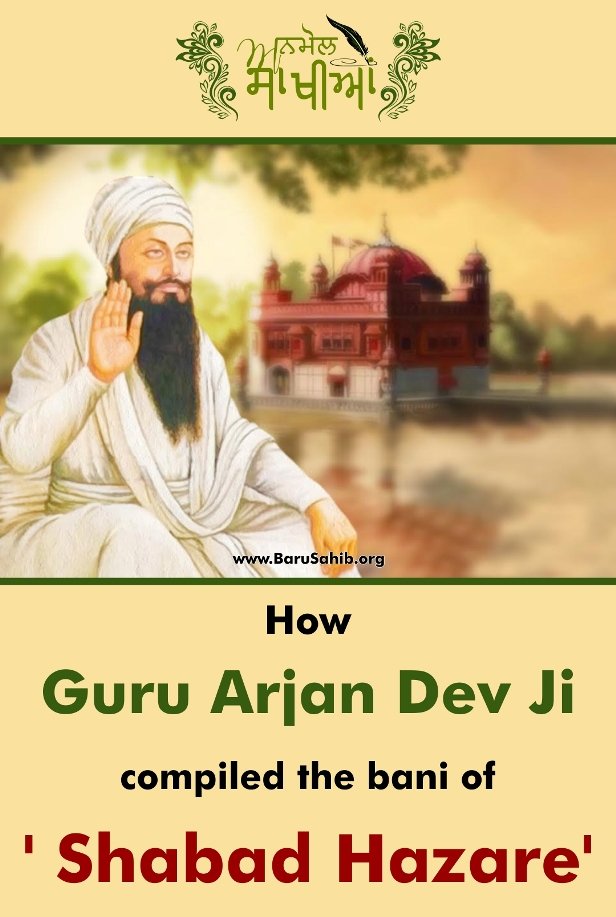
How Guru Arjan Dev Ji compiled the bani of ‘ Shabad Hazare’

A cousin of Guru Ram Das Ji came to Amritsar from Lahore especially to ask Guru Sahib to attend his son’s wedding. But Guru Ji being unable to attend the wedding personally for some reason said, “Perhaps I can send one of my Sons instead.” Guru Ram Das Ji had three sons: Prithi Chand or […]

A cousin of Guru Ram Das Ji came to Amritsar from Lahore especially to ask Guru Sahib to attend his son’s wedding. But Guru Ji being unable to attend the wedding personally for some reason said, “Perhaps I can send one of my Sons instead.” Guru Ram Das Ji had three sons: Prithi Chand or Prithia, Mahadev, and Arjan Mal. Prithia was in charge of collecting donations. When the Guru asked him to attend the wedding, Prithia said, “I have to take care of the collections. And I hate going to weddings.” Actually, he was afraid if he were away from the Guru for too long, he might not be appointed the Guru’s successor. Guru Ji then turned to Mahadev. Mahadev lived his life in meditation and said, “I have no desire to involve myself in worldly affairs.” Finally, Guru Sahib Ji asked Arjan if he would go. Arjan said, “I only desire to do what you wish.” Guru Ji was very pleased. He asked Arjan to spend some time in Lahore to share the Guru’s teachings with the Sikhs there. Any donations he received were to be given to the free kitchen to feed the poor. The last words he said to Arjan were, “You should stay in Lahore until I send for you”

Arjan Mal stayed in Lahore after the wedding and grew to be much loved by his relations and the Sikhs there. Still, all the time he was there, his heart was with his father/Guru, Guru Ram Das Ji. When he expressed his longing to his new friends, they suggested he write a letter asking that he be able to return. Arjan Mal wrote a beautiful shabad :

“My soul longs for the Guru like the pied-cuckoo longs for the rain of the monsoon. I am always a sacrifice unto the True Guru.”

He sent this letter with one of the Sikhs who had come with him to Lahore. When the messenger reached Amritsar, Prithia saw him and suspected that he had a letter for the Guru from his brother. He said “I will take the letter to the Guru myself.” When he read the letter he knew that it was so beautiful that it would move the Guru’s heart in Arjan’s favor. So he hid the letter in his coat and sent the Sikh back to Arjan telling him that the Guru said he should stay in Lahore until sent for. When Arjan received this message, he knew that Prithia, and not his father, had sent it. He then wrote a second letter with strict orders that it be given only to the Guru. In it, he wrote,
“I love the sight of the Guru’s face and the sound of his words, and it has been long since I have seen him. I am ever a sacrifice unto the True Guru.”

This time, Prithia grabbed the letter out of the messenger’s hands, and grew more angry than before. Again, he hid the letter in his coat. He sent another message that Arjan was to remain in Lahore until sent for. When Arjan heard this from the messenger, he wrote a third letter, this time putting a number “3” on it. He told the messenger to be on his guard against Prithia and to give the letter to Guru Ram Das Ji himself. The messenger waited until Prithia had to go home, and then quickly reached the Guru and gave him the letter. In it, Arjan said,
“Each second away from the Guru is like an age. I cannot sleep without a sight of the Guru. I am ever a sacrifice unto him.”

On this letter, the Guru saw the number “3”, and knew instantly that he had not received the other two letters. The messenger related the story to him, and the Guru grew very angry. He called for Prithia and asked him three times if he knew anything about the other letters. Prithia denied it everytime. The all knowing Guru knew his thoughts, and told the messenger to go get the coat in Prithia’s house. When he returned with it, the two missing letters were in the pocket.

At once, the Guru sent Bhai Buddha to Lahore with a carriage to bring ArjanMal home as soon as possible. When Arjan was finally united with his father, he placed his head on Guru Sahib Ji’s chest against his long beard. He remained that way for many moments, while the Guru held him gently in his arms. The Guru then said that as he had written three stanzas, he should write a fourth to finish the poem. Arjan wrote the last verse saying,
“It is my good fortune to have met the True Guru, and I have found the Immortal God in my own home. My greatest desire is to never be separated from him again, not even for an instant. I am ever a sacrifice to the True Guru.”

Upon hearing this, the Guru was very pleased. He said, “The Guruship is passed on because of merit. As only the one who is most humble can claim it, I grant it to you.” Guru Ji then sent for a coconut and five paisey and placed them before Arjan. He descended from his throne and seated Arjan upon it in front of the whole sangat. Bhai Buddha pressed the tilak on Arjan’s forehead as a symbol that the light of Guru Ram Das Ji had now passed to Arjan, who then became Guru Arjun Dev Ji the fifth Guru of the Sikhs.

SHABAD HAZARE

The Bani (Scripture) of Fifth Guru Arjan Dev, in the Raag (Musical measure) called Maajh, Chau-Padas (Four lines per Hymn), First House of Raag.

~ Source- TuhiTu.com

Taren Kaur, UK pays heart touching Obeisance to Guru Arjan Dev Ji

‘Aise Gur Ko Bal Bal Jaiye’ ‘ਐਸੇ ਗੁਰ ਕਉ ਬਲਿ ਬਲਿ ਜਾਈਐ’
In Honour Of Our Guru Sahiban And In Celebration Of The Birth Of Sri Guru Arjan Dev Ji Maharaj.

ਇਹ ਸ਼ਬਦ ਦਸ ਗੁਰੂ ਸਾਹਿਬਾਨ ਅਤੇ ਵਿਸ਼ੇਸ਼ ਤੌਰ ਤੇ ਧੰਨ ਧੰਨ ਸਾਹਿਬ ਸ੍ਰੀ ਗੁਰੂ ਅਰਜਨ ਦੇਵ ਜੀ ਦੇ ਆਗਮਨ ਪੁਰਬ ਨੂੰ ਸਮਰਪਿਤ ਹੈ ਜੀ ।

Harjinder Singh Rediscovers Sikh statues of Bukit Brown Cemetery, Singapore

Ludhiana-based Social Activist and Businessman, Harjinder Singh Kukreja set on a journey to explore and highlight an important chapter in the history of Sikhs in Singapore. The Sikhs came to Singapore in the 19th century as soldiers and policemen serving the British. After World War II, many sought work as private guards for the Chinese.

They became so indispensable and were so honest, loyal and brave that their statues were placed before their employers’ tombs to continue guarding them.

The Chinese believed that their Sikh Guards will protect them even after their death.

This is a massive tribute to the spirit of the Sikh people and a great chapter in Singapore-Sikh Heritage.

‘The Daily Show’ proves how Americans know nothing about Sikhs

After a rise in Islamophobic bigotry towards America’s Sikh population, Hasan Minhaj explores how much Americans actually know about them.

“The Daily Show” confronted Americans on the streets to see if they know anything about Sikhs. Presented with four options, most people said a Sikh was a bird. It featured Sikhs and brought awareness on how Sikhs are different from Muslims. No religion should be victimized on the basis of racial profiling.

Let’s tell AMERICA who are SIKHS!

Guru Tegh Bahadur sacrificed his life for upholding the principle of Freedom of Conscience

This event happened long before the United Nations Universal Declaration of Human Rights (1948) guaranteed every one right to freedom of thought, conscience and religion. It was also much before the establishment of Western democracies. The Guru carried the conviction more than three hundred years ago, when religious intolerance and persecution were common all over […]

Sakhi related to Guru Tegh Bahadur Sahib Ji 3

This event happened long before the United Nations Universal Declaration of Human Rights (1948) guaranteed every one right to freedom of thought, conscience and religion. It was also much before the establishment of Western democracies. The Guru carried the conviction more than three hundred years ago, when religious intolerance and persecution were common all over the world that every individual must have the freedom to worship the faith of his or her choice.

Guru Tegh Bahadur lived at a time when even personal laws were oppressive and the right to worship as per one’s choice was denied, culminating in an atmosphere of fear and severe backlash. Guru Tegh Bahadur became the spiritual head of the Sikhs just at the time when the Mughal Emperor of India , Aurangzeb, was imposing Islam on the people.
He had no tolerance for other religions and proceeded on a brutal campaign of repression. Aurangzeb closed down Hindu schools, demolished temples or turned them into mosques, charged non-Muslims heavy taxes and Emperor persecuted those who would not conform to Islamic law. He forbade Hindus from celebrating their festivals, ordered that only Muslims could be landlords of crown lands, dismissed all Hindu clerks and ordered governors to put a stop to the teachings and practicing of idolatrous forms of worship.

Denied the freedom to follow their faith, the Hindus of Kashmir approached Guru Tegh Bahadur for help and guidance. The Hindu Brahmin Pandits of Kashmir were among the most highly learned and orthodox of the Hindu leadership. Aurangzeb felt if they could be converted, the rest of the country would easily follow. Given this ultimatum, a large delegation of 500 Kashmiri Pandits met the Guru and explained their dire predicament and requested him to intercede on their behalf.
When an anguished Guru Tegh Bahadur sought a way to help the suffering multitude, his son Guru Gobind Singh, as a nine-year-old, spoke words of encouragement, which energized him to pursue the path of wisdom. He told the Pandits to inform Aurangzeb that the Brahmins would gladly accept and embrace Islam if Guru Tegh Bahadur can be convinced to do so and made preparations to go to Delhi and sacrifice his life.

As soon as Aurangzeb heard the news he ordered the immediate arrest of the Guru. He ordered Guru Tegh Bahadur to be forced to convert to Islam through torture or be killed. Guru Tegh Bahadur refused to embrace Islam, saying

“For me, there is only one religion – of God – and whosoever belongs to it, be he a Hindu or a Muslim, him I own and he owns me. I neither convert others by force, nor submit to force, to change my faith.”

Guru Tegh Bahadur was subjected to many cruelties; he was kept in an iron cage and starved for many days. The Guru faced a further test to his righteousness when three of his followers were tortured in his presence. Yet he remained steadfast and bore these cruelties without flinching or showing any anger or distress. He preferred the torture of the flesh to sacrificing the ideals of virtue. Finally on November 11, 1675 Guru Tegh
Bahadur was publicly beheaded as he prayed. The bodies of those so executed were usually quartered and exposed to public view, but Tegh Bahadur’s followers managed to steal the body under cover of darkness, cremate it in Delhi , and bring the severed head to Tegh Bahadur’s son Gobind Rai, 250 miles away in Anandpur. The last rites were performed in Anandpur Sahib by Guru Gobind Singh ji.

The site of Guru Tegh Bahadur jis execution was later turned into an important Gurudwara (Sikh House of Worship) Sisganj in Delhi, India . Millions of people of all social and religious backgrounds pay homage to the Guru at this shrine. He is honoured as a man who gave his life for religious freedom for all peoples, not just Sikhs. The shrine holds the symbolism of war against injustice, a determination to stand up to atrocity, though it may mean sacrifice of the self.
He taught the ethos of self-sacrifice for the common good of mankind and this is enshrined in his spiritual legacy. Never in history has the religious leader of one religion sacrificed his life to save the freedom of another religion .

“One untouched by avarice, attachment, egotism and pursuit of evil passions,
And one risen above joy and sorrow — know such a one to be God’s own image.”
Thus sang Guru Tegh Bahadur. Guru sacrificed his life for upholding the principle of freedom of conscience.

In today world, scarred by religious fanaticism and intolerance Guru Tegh Bahadur is truly a hero to be revered and emulated.

Mystic Saint Kabir in one of his verses says, “The true hero is one who in defence of the helpless may be hacked limb to limb, but flees not the field,” and there can be no greater testimonial to the Guru’s unflinching courage which earned him the praise as “one who covered dharma (religion) and protected it.”

Source- TuhiTu.blogspot.in

Guru Tegh Bahadur Sahib Ji NOT only prohibited Sikhs from SMOKING but also TOUCHING It

Guru Tegh Bahadur Sahib Ji NOT only prohibited Sikhs from SMOKING but also TOUCHING It During his tour of Malwa, Sri Guru Tegh Bahadur Sahib Ji reached village Barna from Kaithal. He inquired of a man outside the village, “Brother, does any Sikh of Guru Nanak live in this village ?” He replied, “There is […]

Guru Tegh Bahadur Sahib Ji NOT only prohibited Sikhs from SMOKING but also TOUCHING It

Guru Tegh Bahadur Sahib Ji NOT only prohibited Sikhs from SMOKING but also TOUCHING It

During his tour of Malwa, Sri Guru Tegh Bahadur Sahib Ji reached village Barna from Kaithal. He inquired of a man outside the village, “Brother, does any Sikh of Guru Nanak live in this village ?” He replied, “There is one fanner who is Guru Nanak’s Sikh.” The Guru said to him, “Please go and tell him that your Guru is outside the village and calls you.” That man went and brought the farmer to the Guru.

That Sikh came, touched the feet of the Guru in reverence and requested, “Please honour me by going to my house and make yourself comfortable there. I shall be back in a short time after getting my fields measured by these men. They are to measure my fields to calculate land revenue payable by me to the Zamindar.” In those days Zamindars owned all the land and farmers working on the land owe 2/3 of the farm produce. Taking leave of the Guru, the farmer went to his fields with the waiting men. The fields were measured and the measurement came to half of what it used to be in the previous years. This resulted in the land revenue coming to half. Seeing his taxes coming to half, his belief in the Guru was complete because by the honour of seeing the Guru, his land revenue was reduced to half.

That Sikh, served the Guru with great devotion on his return from the fields. The Guru said to him, “My dear Sikh give up the use of tobacco. Do not even touch it. If you bring it in the house, not only disease but poverty also will harass you.”

In those days smoking was increasing not only among the rich but also among the poor because tobacco was cheap. Tobacco does not act like other intoxicants such as hump, cannabis or alcohol which have a sudden benumbing effect on the mind and which were forbidden by all religions at that time but not tobacco. However it effects the body and mind as badly as the other intoxicants do. No other religion except the Sikh faith has prohibited the use of tobacco. All except the Sikhs adopted it. It’s demand was increasing day by day. To meet the demand, people had started its cultivation.

Shri Guru Tegh Bahadur Sahib Ji had not only prohibited his Sikh from smoking but had also asked him not to touch it, because if the use of tobacco could bring disease and poverty to a Sikh. How could the Guru, who wished welfare of everybody, allow his Sikh to produce tobacco in his fields for others.

We look around and see so many brothers and sisters smoking tobacco (Cigarettes), but, why do we go out and want to be someone were not ? Do you ever see any black or white people trying to be like us (Sikhs)? NO! Because they are proud to be what they are, Unlike US?!!

We smoke and do drugs to be ‘Cool’, but whats so Cool in smoking? ‘Cool’ is a person who can be him or herself without choosing the path that ends up only for the worse. Smoking or doing drugs doesn’t prove your ‘Cool’ at all infact it proves you are Selfish with No respect for SIKHI or your Family.

Source- SikhAwarenes.com

Share & Spread this for the message to reach maximum no of people!