This 62-Year-Old Sikh Cab Driver in NYC Was Asked To Model for a Luxury Fashion Brand!

Very rarely do we see people picked up at random from the streets for a modelling gig for a big fashion brand. We might be secretly wishing for the same, but it rarely happens. But success comes to those who do not expect the fruit. Take Ajit Singh Bharth, for example. He’s a 62-year-old cab […]

Very rarely do we see people picked up at random from the streets for a modelling gig for a big fashion brand. We might be secretly wishing for the same, but it rarely happens. But success comes to those who do not expect the fruit.

Take Ajit Singh Bharth, for example. He’s a 62-year-old cab driver in New York City. On one trip, he dropped off a passenger in Midtown Manhattan and was spotted by Quinton Clemm from Eidos Fashion, a luxury fashion brand for men.

“I ONLY CAUGHT A GLIMPSE OF HIS PROFILE, BUT AS THE CAB PULLED OFF FROM THE CURB AND INTO THE TRAFFIC, I KNEW THAT I HAD TO CATCH THIS CAB. AFTER JOGGING TWO BLOCKS AFTER THE VEHICLE, BHARTH CAUGHT A TRAFFIC LIGHT AND I HOPPED INTO THE BACK OF HIS CAB.”

Quinton immediately pursued Bharth’s cab and got to talk to him. He asked him if he could come down for a trial fitting. Co-incidentally, Antonio Ciongoli, Creative Director of Eidos was present later that day, and they put together an ensemble for Bharth to try on.

Clemm also said that Antonio wanted to feature only people of Indian origin for Eidos’ 2017 Spring/Summer Collection, and he got the idea from a tour of Rajasthan earlier this year. Bharth and his turban really stood out, which is why he chose him to be featured.

“EVERYTHING FROM HIS GLASSES AND FULL WHITE BEARD, TO THE OFF-WHITE SPREAD COLLAR SHIRT THAT HE WAS WEARING WHEN WE MET MADE IT CLEAR THAT BHARTH BELONGED IN OUR PRESENTATION.”

Clemm said Bharth was very polite and accommodating during the whole process. Many international publications and reviewers gave a positive opinion about the collection and Antonio’s idea bore fruit.

You never know when the Universe decides to bless you!

Source- Times Of India

When Guru Nanak Dev Ji amazed the devout Muslim Priest with his knowledge!

Guru Nanak Dev Ji as a child was busy in playing with other children when his father Baba Kalu ji called him home. He was now worrying about his education in Persian and Arabic. As he was a village Patwari (one who keeps records of farming lands in village) and Persian language was used as […]

Guru Nanak Dev Ji as a child was busy in playing with other children when his father Baba Kalu ji called him home. He was now worrying about his education in Persian and Arabic. As he was a village Patwari (one who keeps records of farming lands in village) and Persian language was used as official language so he wanted his son to learn Persian and Arabic language. As a child, Nanak was handsome and was always adorned with beautiful clothes by Mata (Mother) Tripta Ji and always appreciated by onlookers while he played with other friends in the lanes of Talwandi. He always played intellectual games and asked his friends to utter sweet words in the praise of God which people found unusual for children of his age.

Baba Kalu ji called him as he wanted to take him to the local Persian teacher Rukn-ul-din as his employer Rai Dular had promised that he will appoint Nanak in succession to his father if he becomes well versed in Persian language as that was the language used for recording and accounting purpose. Baba Kalu ji reasoned, “Nanak will be wasting his life in playing with street children without formal Persian education, the language of the learned in those times. What other work he can do for earning wealth in future than that being done in the family? If he does any other trade lower than this one than people will slander him. It is my duty as father to educate him as these are very crucial years for his education.”

Baba Kaluji took his son to Mulla’s place so that he could learn Farsi and Arabic. Baba Kaluji sat with the Mulla and began to introduce and praise his son. He said, “Mulla ji, please teach my son lovingly. He is a very sharp child and will learn quickly. Kindly tell me the auspicious time when I bring the child to initiate his learning of Farsi?”

Mullah ji consulted his Hizri calendar and found that next day was the day when Prophet Mohammed ended his meditation in cave called Hira, located on the mountain called Jabal-an-Nour near Mecca. He replied, “Tomorrow is an auspicious day to bring your son to school. I will teach him lovingly and will not try to discourage him. He appears to be sweet and bright child. Send him with a black wooden slate and chalk pieces for writing Farsi alphabets on them”

In the morning said to his son, “Beta (son) Nanaka ! Please try to study sincerely as the Mullah instructs you and learn all your lessons properly instead of wasting time in playing with children.” Baba Kalu took some sweets and a silver rupee to the school which was given to the Mullah as Guru dakshina (offering to guru). Mullah distributed the sweets among children and started writing on the blackboard. First he read the Qalma invocating the All Merciful Allah for showering grace on Guru and wrote the first word ‘Alif’ (الف) then asked Guru Nanak to repeat it. Likewise, he wrote 10 words and asked Nanak to memorize them and asked him to come next day for next ten words. But Guru Nanak told him that he has already learnt these words and wanted him to teach new words as these words made him remember the Almighty Lord. Mullah was shocked as he himself felt that these alphabets were just dull meaningless words and were to be remembered by repeated rote learning and here was this boy who found these alphabets interesting as they made him remember God. A guru always becomes happy if his student takes interest in his teaching and here was a genius thirsty student who wanted to learn more. He willingly started writing more Farsi alphabets and lo! Behold, Guru Nanak memorized them all. He wrote these words on his wooden takhti (slate) in such a beautiful manner as if Allah himself has taught him the art of calligraphy.

Now it was the turn of Guru Nanak to question his teacher. After doing proper sizda (prostration), he said, “Mullah ji! I have learned all the Farsi alphabets that you taught me but could you explain me their real meaning?” Mullah ji was surprised as no student ever asked him such question. He himself considered these alphabets as mere elementary construct to form words in a language and has no idea about the meaning of these alphabets. He was really shocked and bewildered.

Guru Nanak went into a meditative trance and then started uttering these words, “Mullah ji! Alif represents the pious and precious name of Allah. The ‘alif’ in between the two ‘noons’ which symbolize the absolute Lord (Akulpurakh) and the last ‘kaaf’ represents ‘the ultimate great prophet’.

ALIF (الف) – This word represents the Divine Qalma, Bange Aasmani or Allah. It says that you have to always remember God and banish any neglect of Him from thy heart. Those are the unfortunate who do not remember and their life is cursed in this world who take breath without uttering His Name.

BE (ہو) . This word ask you to renounce heresy and walk according to the Shariat. Be humble before every one, and call no one bad. You should act according to dharma (righteous conduct and perform duty in society)

TE. (تے) This word asks you to repent with sincerity of heart lest thou afterwards grieve. Ask for forgiveness from God for your sin and keep your mind in prayer. Thy body shall perish: thy mouth shall be buried with it; what canst thou do then?

SE. (از) This word asks you to praise God very much; draw not thy breath without doing so, Or you shall be offered for sale from shop to shop in cycle of birth and death, and not an adh (eighth part of English farthing – coin denomination) shall be obtained for thee.

JIM (جیم). This word asks you to put together travelling expenses, and pack up wherewithal to go with thee: Without the Lord thou shalt trudge about wearily. One has to do earn his spiritual wealth by reciting Lord’s name and meditation and only that wealth will go after death. You should keep this wealth else agents of death (Kaal) will rob you of wealth of good deeds during your transit after death and then you will be punished for your misdeeds.

HE. (اے) This word asks you to embrace humility, and asks you to renounce the pride of thy heart; you should restrain thy wandering mind, O Rukn-ul-Din, and every moment remember thy Creator.

KHE. (کہے) This word tells that they were qafirs (traitors) who forgot their Creator; their minds were bent on the hoarding of wealth, and they bore loads of sin upon their heads and real momins (lovers of God) always remember God.

DAL. (دال) This work exhorts man to be honest, and sleep not during the eight watches of day and night and keep no remembering Lord. At least he should remain awake for one watch (Two and half hours i.e. 10 percent of 24 hours) and hold conversation with God preferably in the last watch of night (Amrit Vela).

ZAL. (پانی) This word ask you to remember God, O man, vacillate not an iota; So shall hell fire not touch thee at all, and thy covetousness and worldly love be at an end. The remembrance of God will help you to cross the gate of death very easily and devil’s agents (yamdoots) will not punish you and way to God will be very smooth.

RE. (رے) This word tells you that the advantage of having faith in God thou shalt know when thou arrivest before God. Restrain from the five evil passions (Lust, anger, greed, false attachment and egotism), O Rukn-ul-Din, and apply thy heart to God. A man who restrain his mind from these passions can only devote his mind in God. Observe restraint from these five passions.

ZE. (ذے) This word asks you to practise humility, the Lord is independent and does not need anyone’s support; He doeth what he pleaseth; what certainty is there regarding His acts? You can reach only when He wills it. Thus it is not your efforts but His grace that you can reach Him. So be humble.

SIN. (سین) This word implores you to search thy heart; the Lord is in thee. You do not have to go to temple or mosque to search him. You are Ashraf-e-Makhlukaat (top of creation). The body is a vessel which He wrought, and into which He infused His workmanship and skill. You are the highest among His creation and God has bestowed you the privilege of meeting him and whole of this creation is in your service.

SHIN. (شن) This word assures you that thou shalt obtain martyrdom if thou die for the love of the dear One. O Rukn-ul-Din, this human body shall depart while in it pray to obtain God. This human body is the temple of living God, the natural mosque where God is calling you every day with his beautiful Ajan (Prayer call) but you remain sleeping.

SUAD. (سواد) Let thy mind be contented when thou obtainest thine allotted food. God who gave thee the disease of hunger is thy physician. God arranges food for even insects living inside stones, birds and flowers. Why should you worry about daily bread?

ZUAD. (جڈ) This word reveals that God’s splendour and grace is lost for those individuals who associate themselves only with worldly affairs. Arise, look before thee, and do not immerse yourself completely in the play of the world.

TOE. (توے) Embrace tariqat and enter upon marafat and finally attain the age of Muqaam-e-Haque. This body of thine shall become a heap of dust in the grave. Realize God before that.

ZOE. (جوئے) This word signifies the misery of tyrants who heeded not the Lord’s Name: How can man obtain peace without his Master?

Child Nanak was referring to four stages of Sûfism: Sharîat, the law or external ceremonies; Tarîqat, walking in God’s way; Mârafat, the Divine knowledge through perfect Master; Haqîqat, certainty or union with God. Many learned natives of India believe that the Sûfi system is based on Vedânta.

‘AIN. (غلطی) This word advises man to practice good deeds to the best of thy power: Without good works and virtues man shall die full of regret. Good deeds done in name of God will always please Him as whole of His creation His own and He watches everybody.

GHAIN. (گھن) This word tells you, O Rukn-ul-Din, they are rich who know themselves (Self-realization) — In this cage of the body God who hath neither mother nor father sporteth. You will know Him only after you know yourself.

FE. (فے) This word signifies that one should do all his duties with this world but keep his mind in God, and think it not thine own: If thou deem it to belong to God, thou shalt not be confounded.

QAF. (کف) This word represent those whose hearts the love of God hath arisen shall have no rest till they find Him. The bodies of those who have met the Lord God have become refined gold. Those who waste their time in sensual pleasures are likely lowly insect born in vomit and sputum.

KAF. (کف) This word implores that you should remember thy creed; in what else is there profit? O Rukn-ul-Din, be not excessively addicted to sensuality. You are the soul, a drop in ocean of super-consciousness. You should aspire for merging in the Lord, your true source.

GAF. (گپھ) This word explains that man’s mind is wanton; if thou restrain it, Thou shalt plant thy feet firmly on the way to haqiqat (Muqam-i-Haque).

LAM. (لم) This word that sufferings will rain on those who abandon their prayers and they lose whatever little or much they have earned by their good deeds. Satan takes them under his and punishes for their bad deeds.

MIM. (م) This word signifies that following dictates of mind, egotism and wilfulness is prohibited; one should walk as thy spiritual guide directeth thee. One should give his extra wealth to needy. The wealth of those, saith Nanak, who have not given alms shall slip away.

NUN. (نون) This word emphasizes that one should look to truth alone, and know that the world is false mad maya (illusion). They who think the world is true shall die confounded.

WAW. (وو) This word stresses that they become faqirs (saints) who associate with the True. The more they remember God, the more they love Him.

HE. (اے) This word emphasizes that you should be in fear of that day when God will judge thee; what order will He pass in our case, O Rukn-ul-Din? Always do good deeds and spend your time in remembrance of God.

The Mulla ji was really shocked and bewildred. Guru Nanak was explaining him those eternal truths which he could not understand even after being a devout Muslim priest and that too at this stage of life. He saw the reflection of God in that child. The Mulla thought to himself, ‘Nanak is mastering the difficult letters of the Farsi alphabet with ease. This child is young but his mind is wise like an elderly male.” Within a week time, the Siharis and Muktas (special letters), accumulation and accounts were all mastered by Sri Guru Nanak Dev Ji. The children aged ten years at the school could not equal to the intellect of Sri Guru Nanak Dev Ji. He reflected that this could not be the work of any ordinary individual and the child Nanak must be a divine manifestation of God.

The Mulla started to praise Sri Guru Nanak Dev Ji, “Baba Kalu Ji’s son’s intellect is great. He has easily mastered the difficult language of Farsi.” People come to see the face of Sri Guru Nanak Dev Ji and asked him difficult questions to test his intellect. People are surprised at hearing his words of wisdom. All of the people started praising Sri Guru Nanak Dev Ji as his age is small but his intellect is great.

When Guru Nanak Dev Ji amazed the devout Muslim Priest with his knowledge!

Guru Nanak Dev Ji as a child was busy in playing with other children when his father Baba Kalu ji called him home. He was now worrying about his education in Persian and Arabic. As he was a village Patwari (one who keeps records of farming lands in village) and Persian language was used as […]

Guru Nanak Dev Ji as a child was busy in playing with other children when his father Baba Kalu ji called him home. He was now worrying about his education in Persian and Arabic. As he was a village Patwari (one who keeps records of farming lands in village) and Persian language was used as official language so he wanted his son to learn Persian and Arabic language. As a child, Nanak was handsome and was always adorned with beautiful clothes by Mata (Mother) Tripta Ji and always appreciated by onlookers while he played with other friends in the lanes of Talwandi. He always played intellectual games and asked his friends to utter sweet words in the praise of God which people found unusual for children of his age.

Baba Kalu ji called him as he wanted to take him to the local Persian teacher Rukn-ul-din as his employer Rai Dular had promised that he will appoint Nanak in succession to his father if he becomes well versed in Persian language as that was the language used for recording and accounting purpose. Baba Kalu ji reasoned, “Nanak will be wasting his life in playing with street children without formal Persian education, the language of the learned in those times. What other work he can do for earning wealth in future than that being done in the family? If he does any other trade lower than this one than people will slander him. It is my duty as father to educate him as these are very crucial years for his education.”

Baba Kaluji took his son to Mulla’s place so that he could learn Farsi and Arabic. Baba Kaluji sat with the Mulla and began to introduce and praise his son. He said, “Mulla ji, please teach my son lovingly. He is a very sharp child and will learn quickly. Kindly tell me the auspicious time when I bring the child to initiate his learning of Farsi?”

Mullah ji consulted his Hizri calendar and found that next day was the day when Prophet Mohammed ended his meditation in cave called Hira, located on the mountain called Jabal-an-Nour near Mecca. He replied, “Tomorrow is an auspicious day to bring your son to school. I will teach him lovingly and will not try to discourage him. He appears to be sweet and bright child. Send him with a black wooden slate and chalk pieces for writing Farsi alphabets on them”

In the morning said to his son, “Beta (son) Nanaka ! Please try to study sincerely as the Mullah instructs you and learn all your lessons properly instead of wasting time in playing with children.” Baba Kalu took some sweets and a silver rupee to the school which was given to the Mullah as Guru dakshina (offering to guru). Mullah distributed the sweets among children and started writing on the blackboard. First he read the Qalma invocating the All Merciful Allah for showering grace on Guru and wrote the first word ‘Alif’ (الف) then asked Guru Nanak to repeat it. Likewise, he wrote 10 words and asked Nanak to memorize them and asked him to come next day for next ten words. But Guru Nanak told him that he has already learnt these words and wanted him to teach new words as these words made him remember the Almighty Lord. Mullah was shocked as he himself felt that these alphabets were just dull meaningless words and were to be remembered by repeated rote learning and here was this boy who found these alphabets interesting as they made him remember God. A guru always becomes happy if his student takes interest in his teaching and here was a genius thirsty student who wanted to learn more. He willingly started writing more Farsi alphabets and lo! Behold, Guru Nanak memorized them all. He wrote these words on his wooden takhti (slate) in such a beautiful manner as if Allah himself has taught him the art of calligraphy.

Now it was the turn of Guru Nanak to question his teacher. After doing proper sizda (prostration), he said, “Mullah ji! I have learned all the Farsi alphabets that you taught me but could you explain me their real meaning?” Mullah ji was surprised as no student ever asked him such question. He himself considered these alphabets as mere elementary construct to form words in a language and has no idea about the meaning of these alphabets. He was really shocked and bewildered.

Guru Nanak went into a meditative trance and then started uttering these words, “Mullah ji! Alif represents the pious and precious name of Allah. The ‘alif’ in between the two ‘noons’ which symbolize the absolute Lord (Akulpurakh) and the last ‘kaaf’ represents ‘the ultimate great prophet’.

ALIF (الف) – This word represents the Divine Qalma, Bange Aasmani or Allah. It says that you have to always remember God and banish any neglect of Him from thy heart. Those are the unfortunate who do not remember and their life is cursed in this world who take breath without uttering His Name.

BE (ہو) . This word ask you to renounce heresy and walk according to the Shariat. Be humble before every one, and call no one bad. You should act according to dharma (righteous conduct and perform duty in society)

TE. (تے) This word asks you to repent with sincerity of heart lest thou afterwards grieve. Ask for forgiveness from God for your sin and keep your mind in prayer. Thy body shall perish: thy mouth shall be buried with it; what canst thou do then?

SE. (از) This word asks you to praise God very much; draw not thy breath without doing so, Or you shall be offered for sale from shop to shop in cycle of birth and death, and not an adh (eighth part of English farthing – coin denomination) shall be obtained for thee.

JIM (جیم). This word asks you to put together travelling expenses, and pack up wherewithal to go with thee: Without the Lord thou shalt trudge about wearily. One has to do earn his spiritual wealth by reciting Lord’s name and meditation and only that wealth will go after death. You should keep this wealth else agents of death (Kaal) will rob you of wealth of good deeds during your transit after death and then you will be punished for your misdeeds.

HE. (اے) This word asks you to embrace humility, and asks you to renounce the pride of thy heart; you should restrain thy wandering mind, O Rukn-ul-Din, and every moment remember thy Creator.

KHE. (کہے) This word tells that they were qafirs (traitors) who forgot their Creator; their minds were bent on the hoarding of wealth, and they bore loads of sin upon their heads and real momins (lovers of God) always remember God.

DAL. (دال) This work exhorts man to be honest, and sleep not during the eight watches of day and night and keep no remembering Lord. At least he should remain awake for one watch (Two and half hours i.e. 10 percent of 24 hours) and hold conversation with God preferably in the last watch of night (Amrit Vela).

ZAL. (پانی) This word ask you to remember God, O man, vacillate not an iota; So shall hell fire not touch thee at all, and thy covetousness and worldly love be at an end. The remembrance of God will help you to cross the gate of death very easily and devil’s agents (yamdoots) will not punish you and way to God will be very smooth.

RE. (رے) This word tells you that the advantage of having faith in God thou shalt know when thou arrivest before God. Restrain from the five evil passions (Lust, anger, greed, false attachment and egotism), O Rukn-ul-Din, and apply thy heart to God. A man who restrain his mind from these passions can only devote his mind in God. Observe restraint from these five passions.

ZE. (ذے) This word asks you to practise humility, the Lord is independent and does not need anyone’s support; He doeth what he pleaseth; what certainty is there regarding His acts? You can reach only when He wills it. Thus it is not your efforts but His grace that you can reach Him. So be humble.

SIN. (سین) This word implores you to search thy heart; the Lord is in thee. You do not have to go to temple or mosque to search him. You are Ashraf-e-Makhlukaat (top of creation). The body is a vessel which He wrought, and into which He infused His workmanship and skill. You are the highest among His creation and God has bestowed you the privilege of meeting him and whole of this creation is in your service.

SHIN. (شن) This word assures you that thou shalt obtain martyrdom if thou die for the love of the dear One. O Rukn-ul-Din, this human body shall depart while in it pray to obtain God. This human body is the temple of living God, the natural mosque where God is calling you every day with his beautiful Ajan (Prayer call) but you remain sleeping.

SUAD. (سواد) Let thy mind be contented when thou obtainest thine allotted food. God who gave thee the disease of hunger is thy physician. God arranges food for even insects living inside stones, birds and flowers. Why should you worry about daily bread?

ZUAD. (جڈ) This word reveals that God’s splendour and grace is lost for those individuals who associate themselves only with worldly affairs. Arise, look before thee, and do not immerse yourself completely in the play of the world.

TOE. (توے) Embrace tariqat and enter upon marafat and finally attain the age of Muqaam-e-Haque. This body of thine shall become a heap of dust in the grave. Realize God before that.

ZOE. (جوئے) This word signifies the misery of tyrants who heeded not the Lord’s Name: How can man obtain peace without his Master?

Child Nanak was referring to four stages of Sûfism: Sharîat, the law or external ceremonies; Tarîqat, walking in God’s way; Mârafat, the Divine knowledge through perfect Master; Haqîqat, certainty or union with God. Many learned natives of India believe that the Sûfi system is based on Vedânta.

‘AIN. (غلطی) This word advises man to practice good deeds to the best of thy power: Without good works and virtues man shall die full of regret. Good deeds done in name of God will always please Him as whole of His creation His own and He watches everybody.

GHAIN. (گھن) This word tells you, O Rukn-ul-Din, they are rich who know themselves (Self-realization) — In this cage of the body God who hath neither mother nor father sporteth. You will know Him only after you know yourself.

FE. (فے) This word signifies that one should do all his duties with this world but keep his mind in God, and think it not thine own: If thou deem it to belong to God, thou shalt not be confounded.

QAF. (کف) This word represent those whose hearts the love of God hath arisen shall have no rest till they find Him. The bodies of those who have met the Lord God have become refined gold. Those who waste their time in sensual pleasures are likely lowly insect born in vomit and sputum.

KAF. (کف) This word implores that you should remember thy creed; in what else is there profit? O Rukn-ul-Din, be not excessively addicted to sensuality. You are the soul, a drop in ocean of super-consciousness. You should aspire for merging in the Lord, your true source.

GAF. (گپھ) This word explains that man’s mind is wanton; if thou restrain it, Thou shalt plant thy feet firmly on the way to haqiqat (Muqam-i-Haque).

LAM. (لم) This word that sufferings will rain on those who abandon their prayers and they lose whatever little or much they have earned by their good deeds. Satan takes them under his and punishes for their bad deeds.

MIM. (م) This word signifies that following dictates of mind, egotism and wilfulness is prohibited; one should walk as thy spiritual guide directeth thee. One should give his extra wealth to needy. The wealth of those, saith Nanak, who have not given alms shall slip away.

NUN. (نون) This word emphasizes that one should look to truth alone, and know that the world is false mad maya (illusion). They who think the world is true shall die confounded.

WAW. (وو) This word stresses that they become faqirs (saints) who associate with the True. The more they remember God, the more they love Him.

HE. (اے) This word emphasizes that you should be in fear of that day when God will judge thee; what order will He pass in our case, O Rukn-ul-Din? Always do good deeds and spend your time in remembrance of God.

The Mulla ji was really shocked and bewildred. Guru Nanak was explaining him those eternal truths which he could not understand even after being a devout Muslim priest and that too at this stage of life. He saw the reflection of God in that child. The Mulla thought to himself, ‘Nanak is mastering the difficult letters of the Farsi alphabet with ease. This child is young but his mind is wise like an elderly male.” Within a week time, the Siharis and Muktas (special letters), accumulation and accounts were all mastered by Sri Guru Nanak Dev Ji. The children aged ten years at the school could not equal to the intellect of Sri Guru Nanak Dev Ji. He reflected that this could not be the work of any ordinary individual and the child Nanak must be a divine manifestation of God.

The Mulla started to praise Sri Guru Nanak Dev Ji, “Baba Kalu Ji’s son’s intellect is great. He has easily mastered the difficult language of Farsi.” People come to see the face of Sri Guru Nanak Dev Ji and asked him difficult questions to test his intellect. People are surprised at hearing his words of wisdom. All of the people started praising Sri Guru Nanak Dev Ji as his age is small but his intellect is great.

Harleen Kaur- World Champion Silver Medalist brings pride to the SIKHS!

The Asian Women of Achievement [AWA] Awards, in association with NatWest, announced the winners of the 2016 Awards at an event in London. The Awards, now in their 17th year, celebrate the contributions made by Asian women both professionally and in their communities, cutting across a broad range of sectors in British life from business […]

The Asian Women of Achievement [AWA] Awards, in association with NatWest, announced the winners of the 2016 Awards at an event in London. The Awards, now in their 17th year, celebrate the contributions made by Asian women both professionally and in their communities, cutting across a broad range of sectors in British life from business and media to sport, culture and public service.

Harleen Kaur, aged 17 and the WMKF World Champion Silver Medallist is a martial arts competitor, training for nearly 10 years Harleen is also a 2nd Dan Black belt in Karate; she currently trains in a combined programme of karate and kickboxing. Furthermore, she represents the nation being part of the WMKF England team. This is not her only forte as she has competed in various tournaments those being Taekwondo Opens, coming away with many national titles. Harleen, who is an ambassador for the Asian Sports Foundation is one of a few in her niche field not only an international competitor in martial arts, but the WMKF British Champion in kickboxing and UK All Styles National Champion. Harleen is still a student at sixth form, a head girl, as well as being a competent athlete. After completing her A-Levels she is hoping to continue into further education studying Sports Science.

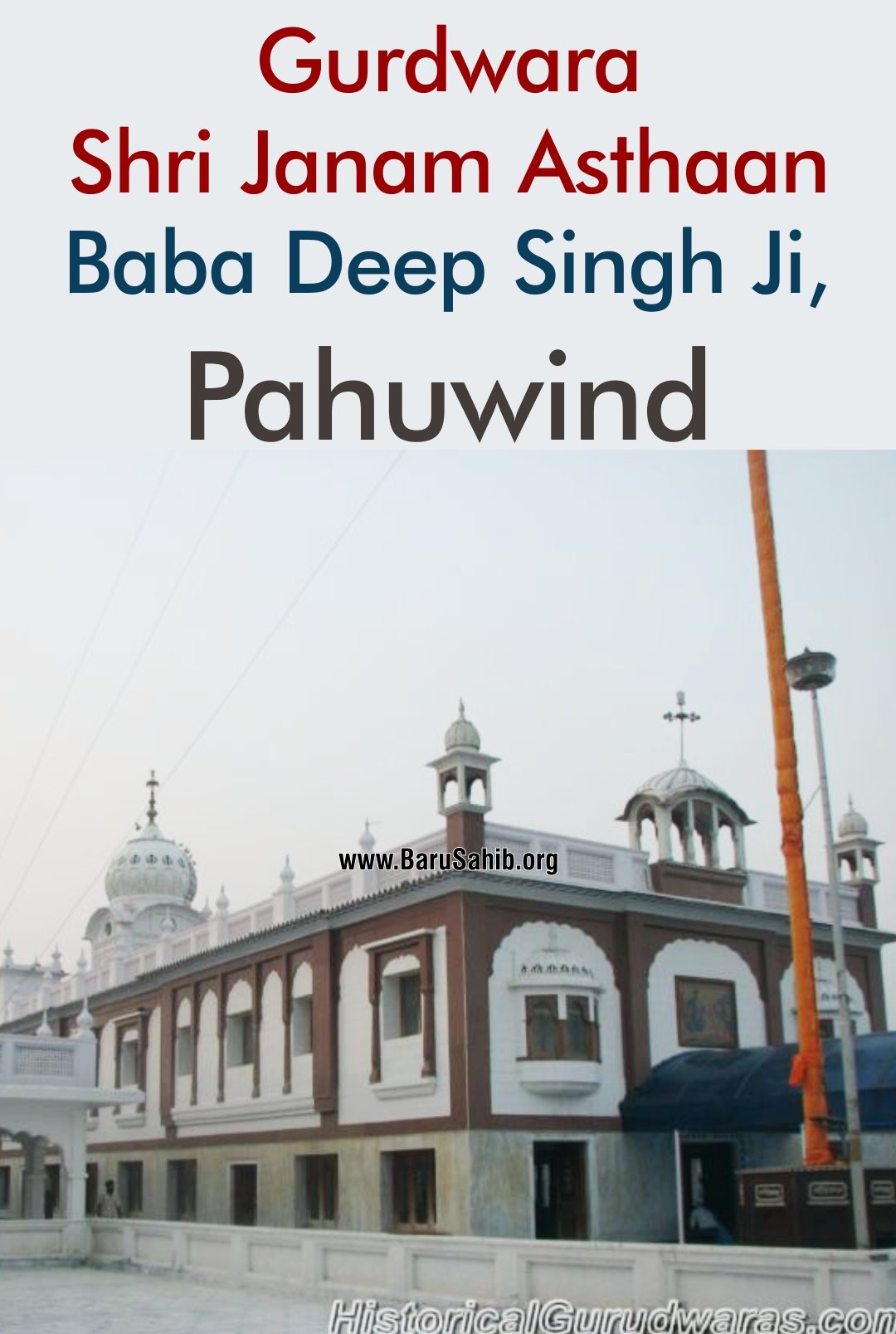
Gurdwara Shri Janam Asthaan Baba Deep Singh Ji, Pahuwind

GURDWARA SHRI JANAM ASTHAAN BABA DEEP SINGH JI SAHIB is situated in the village Pahuvind Teh Patti Distt Taran Taaran. BABA DEEP SINGH JI was born on 26th January 1682 to Father Bhai Bagtu ji and Mata Jeoni ji. At the age of eighteen, he received Amrit from the Panj Pyare at Anandpur Sahib on […]

GURDWARA SHRI JANAM ASTHAAN BABA DEEP SINGH JI SAHIB is situated in the village Pahuvind Teh Patti Distt Taran Taaran. BABA DEEP SINGH JI was born on 26th January 1682 to Father Bhai Bagtu ji and Mata Jeoni ji. At the age of eighteen, he received Amrit from the Panj Pyare at Anandpur Sahib on Vaisakhi day and took an oath to serve as one of Waheguru’s warriors (Akal Purakh dee fauj). With his new name, Deep Singh also learned that Sikhs are to always help the weak and needy, and to fight for truth and justice.

After receiving the vows of the Khalsa, he stayed on in Anandpur to continue his studies of the sacred texts under Bhai Mani Singh. He soon became one of the Guru’s most beloved Sikhs staying in Anandpur for a total of about eight years. BABA DEEP SINGH JI was the leader of the famous ” Shaheedan Di Missel ” among the 12 missels. Apart from getting the GURU GRANTH SAHIB’S saroop written, he also actively participated in all the major battles that took place in the 18th century.

In the year 1757 when BABA DEEP SINGH JI got the news that Taimurshah & Jahan Khan have shown disrespect for SHRI DARBAR SAHIB and also started filling the holy sarovar, even though BABA JI was in old age he carried a 18 ser heavy Khanda in his hand to free SHRI DARBAR SAHIB.

He took pledge to teach a lesson to the cruel and started his journey for SHRI AMRITSAR SAHIB. On hearing this, Jahan Khan had made thousands of his soldiers ready on the outskirts of the town near Gohalvadh village. There was a fierce battle. BABA JI was still far from the town when during his battle with Jahan Khan, he was beheaded. A Singh standing close to BABA JI when reminded him of his pledge, such a miracle happened which has never happened in the world before. BABA JI held his head in his left hand and with his right hand he swayed the Khanda with such a force that the enemies started running.

Like this, fighting the fierce battle, BABA JI reached SHRI AMRITSAR & offered his head at SHRI HARMANDAR SAHIB. In Parkarma, at Shaheed Bunge, this GURUDWARA reminds one of BABA JI & acts as a source of inspiration to keep alive the holiness of such places.

Gurdwara Shri Janam Asthaan Baba Deep Singh Ji, Pahuwind

GURDWARA SHRI JANAM ASTHAAN BABA DEEP SINGH JI SAHIB is situated in the village Pahuvind Teh Patti Distt Taran Taaran. BABA DEEP SINGH JI was born on 26th January 1682 to Father Bhai Bagtu ji and Mata Jeoni ji. At the age of eighteen, he received Amrit from the Panj Pyare at Anandpur Sahib on […]

GURDWARA SHRI JANAM ASTHAAN BABA DEEP SINGH JI SAHIB is situated in the village Pahuvind Teh Patti Distt Taran Taaran. BABA DEEP SINGH JI was born on 26th January 1682 to Father Bhai Bagtu ji and Mata Jeoni ji. At the age of eighteen, he received Amrit from the Panj Pyare at Anandpur Sahib on Vaisakhi day and took an oath to serve as one of Waheguru’s warriors (Akal Purakh dee fauj). With his new name, Deep Singh also learned that Sikhs are to always help the weak and needy, and to fight for truth and justice.

After receiving the vows of the Khalsa, he stayed on in Anandpur to continue his studies of the sacred texts under Bhai Mani Singh. He soon became one of the Guru’s most beloved Sikhs staying in Anandpur for a total of about eight years. BABA DEEP SINGH JI was the leader of the famous ” Shaheedan Di Missel ” among the 12 missels. Apart from getting the GURU GRANTH SAHIB’S saroop written, he also actively participated in all the major battles that took place in the 18th century.

In the year 1757 when BABA DEEP SINGH JI got the news that Taimurshah & Jahan Khan have shown disrespect for SHRI DARBAR SAHIB and also started filling the holy sarovar, even though BABA JI was in old age he carried a 18 ser heavy Khanda in his hand to free SHRI DARBAR SAHIB.

He took pledge to teach a lesson to the cruel and started his journey for SHRI AMRITSAR SAHIB. On hearing this, Jahan Khan had made thousands of his soldiers ready on the outskirts of the town near Gohalvadh village. There was a fierce battle. BABA JI was still far from the town when during his battle with Jahan Khan, he was beheaded. A Singh standing close to BABA JI when reminded him of his pledge, such a miracle happened which has never happened in the world before. BABA JI held his head in his left hand and with his right hand he swayed the Khanda with such a force that the enemies started running.

Like this, fighting the fierce battle, BABA JI reached SHRI AMRITSAR & offered his head at SHRI HARMANDAR SAHIB. In Parkarma, at Shaheed Bunge, this GURUDWARA reminds one of BABA JI & acts as a source of inspiration to keep alive the holiness of such places.

Reaching the Zenith of Success- Gurveer Singh

‘The pessimist sees difficulty in every opportunity. The optimist sees the opportunity in every difficulty.’ People walking alone after observing the theme of life in this world, often make promises perhaps they are known as goals. To achieve them they take their chance and convert it into a record. A small child of Bakenia village […]

‘The pessimist sees difficulty in every opportunity. The optimist sees the opportunity in every difficulty.’

People walking alone after observing the theme of life in this world, often make promises perhaps they are known as goals. To achieve them they take their chance and convert it into a record.

A small child of Bakenia village in Puranpur,U.P was raised with similar thoughts. Gurveer Singh was brought to Akal Academy Gomti in nursery. And he began his value based education with a fresh start. His teachers appreciated his hardworking behavior.

Gurveer’s world revolved only around in his small village and his father who worked as a farmer. After being admitted to the academy, he tasted a new world, a new life all together. Many things were new to him like sikh history and even gurbani.

He scored the highest marks in his commerce stream. Gurveer scored a good percentage of 85% in 12th. He had set a goal to become a C.A as he had a vast interest in accountancy , economics and business.

He decided to go to Mahatan Pholle Rohinkhad college, Barelli,U.P to pursue his C.A.

His hardworking habit had already been polished in the Akal Academy. So, his effort made him to get the best of his career in the following time. With the blessings of Baba ji, he topped in the C.A examinations and is not far away from reaching the zenith of Success.

Currently, Gurveer is in the final year of his study and plans to return to his village for seeking the blessings of his parents.

Gurveer recalls :

The academy has a special influence on people who go there. The atmosphere of divine prayers naturally helps in the keeping the peace of mind intact and enthusiasm alive. We learnt time management there which helps a lot in life. And the most important is the blessings of Baba ji which has always helped in getting through hard times.

– JAGPAL SINGH

Reaching the Zenith of Success- Gurveer Singh

‘The pessimist sees difficulty in every opportunity. The optimist sees the opportunity in every difficulty.’ People walking alone after observing the theme of life in this world, often make promises perhaps they are known as goals. To achieve them they take their chance and convert it into a record. A small child of Bakenia village […]

‘The pessimist sees difficulty in every opportunity. The optimist sees the opportunity in every difficulty.’

People walking alone after observing the theme of life in this world, often make promises perhaps they are known as goals. To achieve them they take their chance and convert it into a record.

A small child of Bakenia village in Puranpur,U.P was raised with similar thoughts. Gurveer Singh was brought to Akal Academy Gomti in nursery. And he began his value based education with a fresh start. His teachers appreciated his hardworking behavior.

Gurveer’s world revolved only around in his small village and his father who worked as a farmer. After being admitted to the academy, he tasted a new world, a new life all together. Many things were new to him like sikh history and even gurbani.

He scored the highest marks in his commerce stream. Gurveer scored a good percentage of 85% in 12th. He had set a goal to become a C.A as he had a vast interest in accountancy , economics and business.

He decided to go to Mahatan Pholle Rohinkhad college, Barelli,U.P to pursue his C.A.

His hardworking habit had already been polished in the Akal Academy. So, his effort made him to get the best of his career in the following time. With the blessings of Baba ji, he topped in the C.A examinations and is not far away from reaching the zenith of Success.

Currently, Gurveer is in the final year of his study and plans to return to his village for seeking the blessings of his parents.

Gurveer recalls :

The academy has a special influence on people who go there. The atmosphere of divine prayers naturally helps in the keeping the peace of mind intact and enthusiasm alive. We learnt time management there which helps a lot in life. And the most important is the blessings of Baba ji which has always helped in getting through hard times.

– JAGPAL SINGH

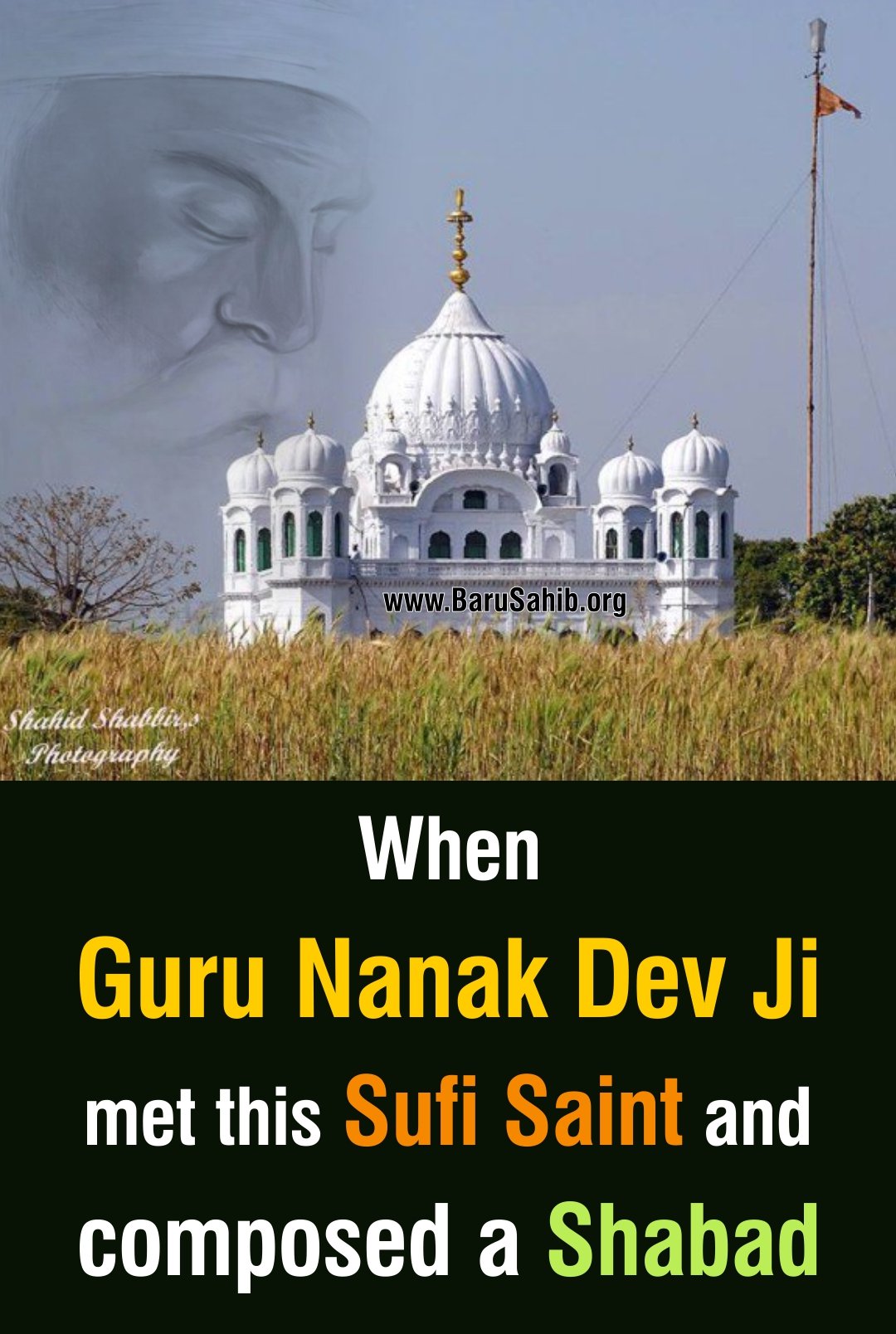
When Guru Nanak Dev Ji met this Sufi saint and composed a Shabad

GURU NANAK AND SYED ABDUL QADIR GILANI Inderjeet Singh & Shahid Shabbir Dr Kirpal Singh who has been honoured with the title of ‘Professor of Sikhism’ has done a yeoman service for Sikh community by analysing all Janamsakhi and other sources on the life and time of Guru Nanak (1469-1539). This book ‘Janamsakhi Parampara’ was […]

GURU NANAK AND SYED ABDUL QADIR GILANI

Inderjeet Singh & Shahid Shabbir

Dr Kirpal Singh who has been honoured with the title of ‘Professor of Sikhism’ has done a yeoman service for Sikh community by analysing all Janamsakhi and other sources on the life and time of Guru Nanak (1469-1539). This book ‘Janamsakhi Parampara’ was first published in 1969. The Part II of Miharban Janamsakhi records Guru Nanak’s meeting with Sufi Faqirs. The names of these contemporary Muslim saints have been confirmed from the book ‘Tazkara-i-Sufia-i-Punjab’ by Ahijazul Haq Kadusi published in Karachi, Pakistan. This Janamsakhi is the only document which provides valuable details of last years of Guru Nanak when he stayed at Kartarpur.

Meeting with Daud Kirmani

Guru Nanak travelled and reached Shergarh town, now in Dipalpur Tehsil, district Okara in West Punjab, Pakistan. The township had a spiritually enlightened faqir by the name of Daud Kirmani (d. 1574). The Urs celebration at his dargah continues till today.

Guru Ji met Daud Kirmani and had a dialogue with him. Daud Kirmani who was the disciple of Syed Abdul Qadir Gilani of Lahore impressed upon Guru Ji to meet his mentor.

Meeting with Syed Abdul Qadir Gilani

The Janamsakhi states that Guru Nanak set out from Shergarh and passing through Chuhnian , Kanganpur and Kasur reached Lahore. Chuhnian, Kanganpur and Kasur have Gurdwaras to commemorate the visit of Guru Ji.

Syed Abdul Qadir Gilani lived on the bank of river Raavi where he had set-up an establishment. His father, Syed Jamaluddin, had migrated from Baghdad to settle in Lahore. Syed Gilani had three sons Syed Haji, Sultan Akbar and Gyasuddin. He passed away in 942 Hijri/ A.D. 1535-36

Guru Nanak met Syed Abdul Qadir Gilani on the river bank. They sat down together to have a discourse. Guru Ji said that this world is full of suffering. Syed Gilani said that pleasure is in realizing the truth and achieving union with God. Guru Nanak replied that only God is true and everything else is transient and real pleasure could be achieved only after realizing God. Guru Ji recited the following Shabad:

ਸਿਰੀਰਾਗੁ ਮਹਲਾ ੧ ॥
sireeraag mehalaa 1 ||
Siree Raag, First Mehla:

ਅਮਲੁ ਗਲੋਲਾ ਕੂੜ ਕਾ ਦਿਤਾ ਦੇਵਣਹਾਰਿ ॥
amal galolaa koorr kaa dhithaa dhaevanehaar ||
The Great Giver has given the intoxicating drug of falsehood.

ਮਤੀ ਮਰਣੁ ਵਿਸਾਰਿਆ ਖੁਸੀ ਕੀਤੀ ਦਿਨ ਚਾਰਿ ॥
mathee maran visaariaa khusee keethee dhin chaar ||
The people are intoxicated; they have forgotten death, and they have fun for a few days.

ਸਚੁ ਮਿਲਿਆ ਤਿਨ ਸੋਫੀਆ ਰਾਖਣ ਕਉ ਦਰਵਾਰੁ ॥੧॥
sach miliaa thin sofeeaa raakhan ko dharavaar ||1||
Those who do not use intoxicants are true; they dwell in the Court of the Lord. ||1||

ਨਾਨਕ ਸਾਚੇ ਕਉ ਸਚੁ ਜਾਣੁ ॥
naanak saachae ko sach jaan ||
O Nanak, know the True Lord as True.

ਜਿਤੁ ਸੇਵਿਐ ਸੁਖੁ ਪਾਈਐ ਤੇਰੀ ਦਰਗਹ ਚਲੈ ਮਾਣੁ ॥੧॥ ਰਹਾਉ ॥
jith saeviai sukh paaeeai thaeree dharageh chalai maan ||1|| rehaao ||
Serving Him, peace is obtained; you shall go to His Court with honor. ||1||Pause||

ਸਚੁ ਸਰਾ ਗੁੜ ਬਾਹਰਾ ਜਿਸੁ ਵਿਚਿ ਸਚਾ ਨਾਉ ॥
sach saraa gurr baaharaa jis vich sachaa naao ||
The Wine of Truth is not fermented from molasses. The True Name is contained within it.

ਸੁਣਹਿ ਵਖਾਣਹਿ ਜੇਤੜੇ ਹਉ ਤਿਨ ਬਲਿਹਾਰੈ ਜਾਉ ॥
sunehi vakhaanehi jaetharrae ho thin balihaarai jaao ||
I am a sacrifice to those who hear and chant the True Name.

ਤਾ ਮਨੁ ਖੀਵਾ ਜਾਣੀਐ ਜਾ ਮਹਲੀ ਪਾਏ ਥਾਉ ॥੨॥
thaa man kheevaa jaaneeai jaa mehalee paaeae thhaao ||2||
Only one who obtains a room in the Mansion of the Lord’s Presence is deemed to be truly intoxicated. ||2||

ਨਾਉ ਨੀਰੁ ਚੰਗਿਆਈਆ ਸਤੁ ਪਰਮਲੁ ਤਨਿ ਵਾਸੁ ॥
naao neer cha(n)giaaeeaa sath paramal than vaas ||
Bathe in the waters of Goodness and apply the scented oil of Truth to your body,

ਤਾ ਮੁਖੁ ਹੋਵੈ ਉਜਲਾ ਲਖ ਦਾਤੀ ਇਕ ਦਾਤਿ ॥
thaa mukh hovai oujalaa lakh dhaathee eik dhaath ||
and your face shall become radiant. This is the gift of 100,000 gifts.

ਦੂਖ ਤਿਸੈ ਪਹਿ ਆਖੀਅਹਿ ਸੂਖ ਜਿਸੈ ਹੀ ਪਾਸਿ ॥੩॥
dhookh thisai pehi aakheeahi sookh jisai hee paas ||3||
Tell your troubles to the One who is the Source of all comfort. ||3||

ਸੋ ਕਿਉ ਮਨਹੁ ਵਿਸਾਰੀਐ ਜਾ ਕੇ ਜੀਅ ਪਰਾਣ ॥
so kio manahu visaareeai jaa kae jeea paraan ||
How can you forget the One who created your soul, and the praanaa, the breath of life?

ਤਿਸੁ ਵਿਣੁ ਸਭੁ ਅਪਵਿਤ੍ਰੁ ਹੈ ਜੇਤਾ ਪੈਨਣੁ ਖਾਣੁ ॥
this vin sabh apavithra hai jaethaa painan khaan ||
Without Him, all that we wear and eat is impure.

ਹੋਰਿ ਗਲਾਂ ਸਭਿ ਕੂੜੀਆ ਤੁਧੁ ਭਾਵੈ ਪਰਵਾਣੁ ॥੪॥੫॥
hor galaa(n) sabh koorreeaa thudhh bhaavai paravaan ||4||5||
Everything else is false. Whatever pleases Your Will is acceptable. ||4||5||

Syed Gilani was very pleased and said that a discourse on the Divine is always satisfying. Guru Ji spent some time with him and then returned to Kartarpur.

Readers may find the article on Syed Abdul Qadir Gilani in the Pakistani English Newspaper Dawn of some interest.

http://www.dawn.com/news/1206340

Acknowledgement

Islamabad based Shahid Shabbir of Pakistan Heritage Club who runs many pages on Facebook including ‘Save Gurdwaras & Temples of Pakistan’* has provided the photographs. His friend Ahmad Hassan from Lahore and member of Pakistan heritage Club was able to locate the dargah of Syed Abdul Qadir Gilani. It is a modest structure and hidden from most people. Ahmad Hassan informs me that this area was under the British Army and they had built high walls which obscure the view of the Dargah. The area is now no longer with the Army and people are starting clearing and renovating the structure. I am thankful to both of them for their help and assistance.

Courtesy- by Inderjeet Singh & Shahid Shabbir

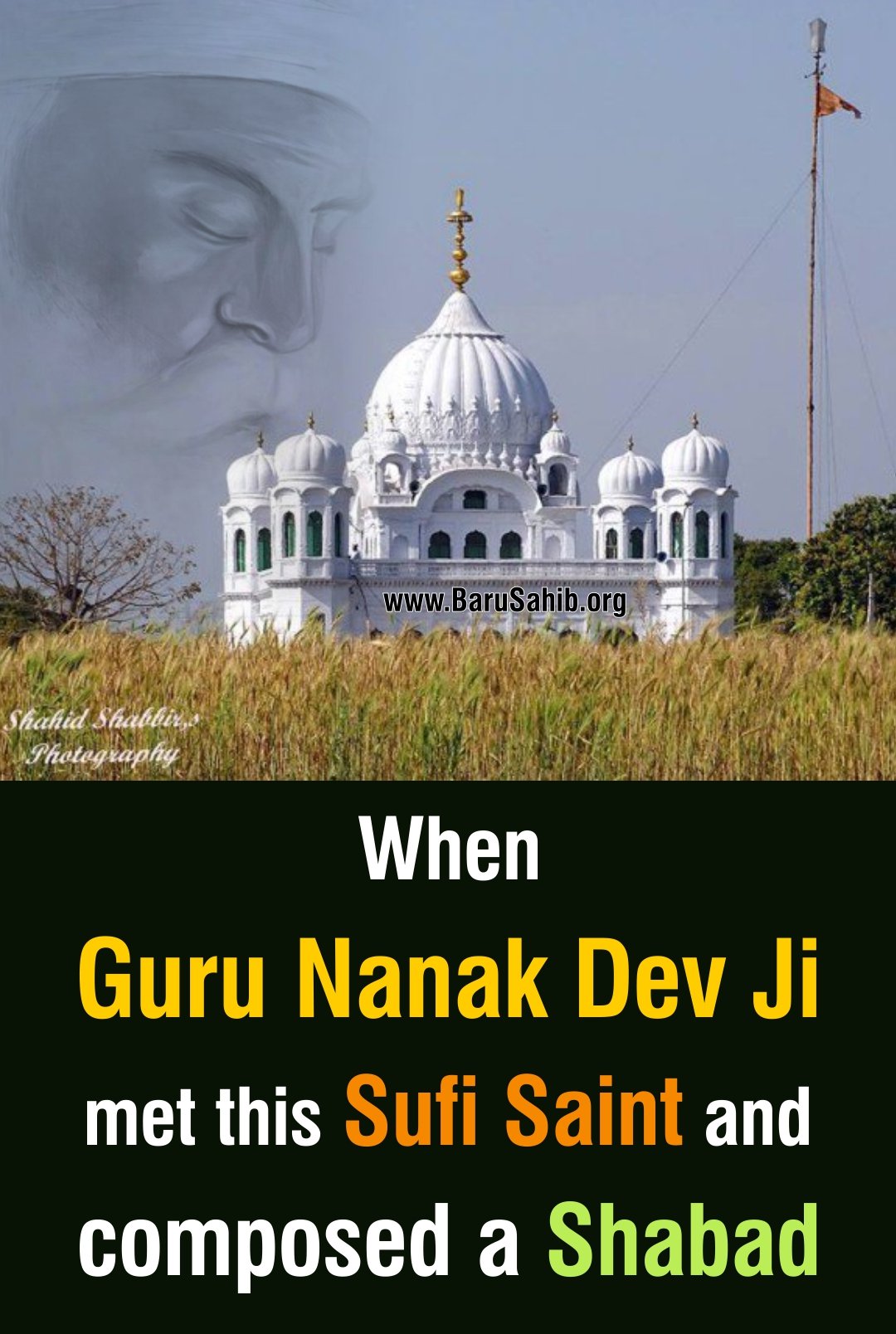
When Guru Nanak Dev Ji met this Sufi saint and composed a Shabad

GURU NANAK AND SYED ABDUL QADIR GILANI Inderjeet Singh & Shahid Shabbir Dr Kirpal Singh who has been honoured with the title of ‘Professor of Sikhism’ has done a yeoman service for Sikh community by analysing all Janamsakhi and other sources on the life and time of Guru Nanak (1469-1539). This book ‘Janamsakhi Parampara’ was […]

GURU NANAK AND SYED ABDUL QADIR GILANI

Inderjeet Singh & Shahid Shabbir

Dr Kirpal Singh who has been honoured with the title of ‘Professor of Sikhism’ has done a yeoman service for Sikh community by analysing all Janamsakhi and other sources on the life and time of Guru Nanak (1469-1539). This book ‘Janamsakhi Parampara’ was first published in 1969. The Part II of Miharban Janamsakhi records Guru Nanak’s meeting with Sufi Faqirs. The names of these contemporary Muslim saints have been confirmed from the book ‘Tazkara-i-Sufia-i-Punjab’ by Ahijazul Haq Kadusi published in Karachi, Pakistan. This Janamsakhi is the only document which provides valuable details of last years of Guru Nanak when he stayed at Kartarpur.

Meeting with Daud Kirmani

Guru Nanak travelled and reached Shergarh town, now in Dipalpur Tehsil, district Okara in West Punjab, Pakistan. The township had a spiritually enlightened faqir by the name of Daud Kirmani (d. 1574). The Urs celebration at his dargah continues till today.

Guru Ji met Daud Kirmani and had a dialogue with him. Daud Kirmani who was the disciple of Syed Abdul Qadir Gilani of Lahore impressed upon Guru Ji to meet his mentor.

Meeting with Syed Abdul Qadir Gilani

The Janamsakhi states that Guru Nanak set out from Shergarh and passing through Chuhnian , Kanganpur and Kasur reached Lahore. Chuhnian, Kanganpur and Kasur have Gurdwaras to commemorate the visit of Guru Ji.

Syed Abdul Qadir Gilani lived on the bank of river Raavi where he had set-up an establishment. His father, Syed Jamaluddin, had migrated from Baghdad to settle in Lahore. Syed Gilani had three sons Syed Haji, Sultan Akbar and Gyasuddin. He passed away in 942 Hijri/ A.D. 1535-36

Guru Nanak met Syed Abdul Qadir Gilani on the river bank. They sat down together to have a discourse. Guru Ji said that this world is full of suffering. Syed Gilani said that pleasure is in realizing the truth and achieving union with God. Guru Nanak replied that only God is true and everything else is transient and real pleasure could be achieved only after realizing God. Guru Ji recited the following Shabad:

ਸਿਰੀਰਾਗੁ ਮਹਲਾ ੧ ॥
sireeraag mehalaa 1 ||
Siree Raag, First Mehla:

ਅਮਲੁ ਗਲੋਲਾ ਕੂੜ ਕਾ ਦਿਤਾ ਦੇਵਣਹਾਰਿ ॥
amal galolaa koorr kaa dhithaa dhaevanehaar ||
The Great Giver has given the intoxicating drug of falsehood.

ਮਤੀ ਮਰਣੁ ਵਿਸਾਰਿਆ ਖੁਸੀ ਕੀਤੀ ਦਿਨ ਚਾਰਿ ॥
mathee maran visaariaa khusee keethee dhin chaar ||
The people are intoxicated; they have forgotten death, and they have fun for a few days.

ਸਚੁ ਮਿਲਿਆ ਤਿਨ ਸੋਫੀਆ ਰਾਖਣ ਕਉ ਦਰਵਾਰੁ ॥੧॥
sach miliaa thin sofeeaa raakhan ko dharavaar ||1||
Those who do not use intoxicants are true; they dwell in the Court of the Lord. ||1||

ਨਾਨਕ ਸਾਚੇ ਕਉ ਸਚੁ ਜਾਣੁ ॥
naanak saachae ko sach jaan ||
O Nanak, know the True Lord as True.

ਜਿਤੁ ਸੇਵਿਐ ਸੁਖੁ ਪਾਈਐ ਤੇਰੀ ਦਰਗਹ ਚਲੈ ਮਾਣੁ ॥੧॥ ਰਹਾਉ ॥
jith saeviai sukh paaeeai thaeree dharageh chalai maan ||1|| rehaao ||
Serving Him, peace is obtained; you shall go to His Court with honor. ||1||Pause||

ਸਚੁ ਸਰਾ ਗੁੜ ਬਾਹਰਾ ਜਿਸੁ ਵਿਚਿ ਸਚਾ ਨਾਉ ॥
sach saraa gurr baaharaa jis vich sachaa naao ||
The Wine of Truth is not fermented from molasses. The True Name is contained within it.

ਸੁਣਹਿ ਵਖਾਣਹਿ ਜੇਤੜੇ ਹਉ ਤਿਨ ਬਲਿਹਾਰੈ ਜਾਉ ॥
sunehi vakhaanehi jaetharrae ho thin balihaarai jaao ||
I am a sacrifice to those who hear and chant the True Name.

ਤਾ ਮਨੁ ਖੀਵਾ ਜਾਣੀਐ ਜਾ ਮਹਲੀ ਪਾਏ ਥਾਉ ॥੨॥
thaa man kheevaa jaaneeai jaa mehalee paaeae thhaao ||2||
Only one who obtains a room in the Mansion of the Lord’s Presence is deemed to be truly intoxicated. ||2||

ਨਾਉ ਨੀਰੁ ਚੰਗਿਆਈਆ ਸਤੁ ਪਰਮਲੁ ਤਨਿ ਵਾਸੁ ॥
naao neer cha(n)giaaeeaa sath paramal than vaas ||
Bathe in the waters of Goodness and apply the scented oil of Truth to your body,

ਤਾ ਮੁਖੁ ਹੋਵੈ ਉਜਲਾ ਲਖ ਦਾਤੀ ਇਕ ਦਾਤਿ ॥
thaa mukh hovai oujalaa lakh dhaathee eik dhaath ||
and your face shall become radiant. This is the gift of 100,000 gifts.

ਦੂਖ ਤਿਸੈ ਪਹਿ ਆਖੀਅਹਿ ਸੂਖ ਜਿਸੈ ਹੀ ਪਾਸਿ ॥੩॥
dhookh thisai pehi aakheeahi sookh jisai hee paas ||3||
Tell your troubles to the One who is the Source of all comfort. ||3||

ਸੋ ਕਿਉ ਮਨਹੁ ਵਿਸਾਰੀਐ ਜਾ ਕੇ ਜੀਅ ਪਰਾਣ ॥
so kio manahu visaareeai jaa kae jeea paraan ||
How can you forget the One who created your soul, and the praanaa, the breath of life?

ਤਿਸੁ ਵਿਣੁ ਸਭੁ ਅਪਵਿਤ੍ਰੁ ਹੈ ਜੇਤਾ ਪੈਨਣੁ ਖਾਣੁ ॥
this vin sabh apavithra hai jaethaa painan khaan ||
Without Him, all that we wear and eat is impure.

ਹੋਰਿ ਗਲਾਂ ਸਭਿ ਕੂੜੀਆ ਤੁਧੁ ਭਾਵੈ ਪਰਵਾਣੁ ॥੪॥੫॥
hor galaa(n) sabh koorreeaa thudhh bhaavai paravaan ||4||5||
Everything else is false. Whatever pleases Your Will is acceptable. ||4||5||

Syed Gilani was very pleased and said that a discourse on the Divine is always satisfying. Guru Ji spent some time with him and then returned to Kartarpur.

Readers may find the article on Syed Abdul Qadir Gilani in the Pakistani English Newspaper Dawn of some interest.

http://www.dawn.com/news/1206340

Acknowledgement

Islamabad based Shahid Shabbir of Pakistan Heritage Club who runs many pages on Facebook including ‘Save Gurdwaras & Temples of Pakistan’* has provided the photographs. His friend Ahmad Hassan from Lahore and member of Pakistan heritage Club was able to locate the dargah of Syed Abdul Qadir Gilani. It is a modest structure and hidden from most people. Ahmad Hassan informs me that this area was under the British Army and they had built high walls which obscure the view of the Dargah. The area is now no longer with the Army and people are starting clearing and renovating the structure. I am thankful to both of them for their help and assistance.

Courtesy- by Inderjeet Singh & Shahid Shabbir