Peer of Baghdad realized the Omnipotence of Guru Nanak Dev Ji!

ਫਿਰਿ ਬਾਬਾ ਗਿਆ ਬਗਦਾਦ ਨੋ ਬਾਹਰ ਜਾਇ ਕੀਆ ਅਸਥਾਨਾ|| ਇਕ ਬਾਬਾ ਅਕਾਲ ਰੂਪੁ ਦੂਜਾ ਰਬਾਬੀ ਮਰਦਾਨਾ|| “From Mecca, Baba went to Baghdad and stayed outside the city. There was the Baba himself, the form of Timeless, and secondly there was his companion Mardana, the Rabaab player.” Guru Nanak Dev Ji arrived in the outskirts of […]

ਫਿਰਿ ਬਾਬਾ ਗਿਆ ਬਗਦਾਦ ਨੋ ਬਾਹਰ ਜਾਇ ਕੀਆ ਅਸਥਾਨਾ||
ਇਕ ਬਾਬਾ ਅਕਾਲ ਰੂਪੁ ਦੂਜਾ ਰਬਾਬੀ ਮਰਦਾਨਾ||

“From Mecca, Baba went to Baghdad and stayed outside the city. There was the Baba himself, the form of Timeless, and secondly there was his companion Mardana, the Rabaab player.”

Guru Nanak Dev Ji arrived in the outskirts of the city of Baghdad in Iraq. He sung the shabad with Bhai Mardana Ji:

ਪਾਤਾਲਾ ਪਾਤਾਲ ਲਖ ਆਗਾਸਾ ਆਗਾਸ ||
pataalaa pataal lakh aagaasaa aagaas.
“There are worlds upon worlds and many hundreds of thousands of them and hundreds of thousands of skies.”
(Japji Sahib, ang 5)

Some onlookers heard and went to Pir Dastgeer and told him, “There is a holy man come with a white turban, he is transfixing the local people with his music. He is singing that there are are not only 7 under worlds and 7 skies, there are in fact hundreds of thousands.”

The Peer became enraged and said, “This is the worst kind of kaafir (non-believer). He comes to our Islamic land and questions our Quran. Get the people to stone him to death!”

The group gathered a crowd of people in the city armed with stones to kill Guru NanakDev Ji.

Bhai Mardana said to Guru Nanak Ji, “They are bringing big stones to come and kill you.” Guru Nanak Dev smiled and said, “Mardana, if truth never dies, then those that speak the truth never die also.”

ਦਿਤੀ ਬਾਂਗਿ ਨਿਵਾਜਿ ਕਰਿ ਸੁੰਨ ਸਮਾਨਿ ਹੋਆ ਜਹਾਨਾ||ਸੁੰਨ ਮੁੰਨਿ ਨਗਰੀ ਭਈ ਦੇਖਿ ਫਰਿ ਭਇਆ ਹੈਰਾਨਾ||
“The Baba gave his version of the call of prayer, listening to which the whole world went into absolute silence. The whole city became quiet and Lo! to behold it, the Peer (of the town) also got wonderstruck.”

As they attempted to throw their stones, they grew stiff and couldn’t move.

The Peer heard what had happened and came to investigate. He said to Guru NanakDev Ji, “What are you talking about, hundreds of thousands skies and worlds?”Guru sahib asked, “How many do you say?” The Peer said, “There are 7 skies and 7 under-worlds.” Guru sahib said, “Have you seen these 14?” He replied, “I have seen 14.” Guru Nanak Dev Ji said, “I’ve seen hundreds of thousands.” The Peer said, “Can you show me?” Guru Sahib replied, “Sure.”

The Peer was asked to look in to Guru Sahib’s eyes, and was shocked with what he saw. Before he went any further he became scared and said to Guru Ji, “Here is my son! You can show him instead as my health is not to good…” Guru Sahib said to the son, “Are you ready?” He anxiously said “Yes.” Within an instant he left his body and a few seconds later returned.

His father said, “What happened?… What did you see?” He was very shaken and wasn’t speaking properly. Then son explained, “I saw millions of worlds and millions of skies, everywhere we went they rejoiced and were overjoyed becauseGuru Nanak had arrived. They all bowed down to Guru Sahib and came begging to him…”

ਕੋਟਿ ਬ੍ਰਹਮੰਡ ਕੋ ਠਾਕੁਰੁ ਸੁਆਮੀ ਸਰਬ ਜੀਆ ਕਾ ਦਾਤਾ ਰੇ ||
“The Lord and Master of millions of universes; He is the Giver of all beings.”
(Sorat(h) M:5, 612)

The son went on to say, “I believe Guru Nanak is Khuda (God) himself.”

Guru Nanak Dev Ji even brought some karhah parshaad for Peer Dastgeer from the another world. Seeing and hearing this all, Peer Dastgeer fell at the feet of Guru Nanak Dev Ji.

ਪੁਛੇ ਫਰਿ ਤਕਰਾਰ ਕਰਿ ਏਹ ਫਕੀਰ ਵਡਾ ਅਤਾਈ||
ਏਥੇ ਵਿਚਿ ਬਗਦਾਦ ਦੇ ਵਡੀ ਕਰਾਮਾਤਿ ਦਿਖਲਾਈ||
ਪਾਤਾਲਾ ਆਕਾਸ ਲਖ ਓੜਕਿ ਭਾਲੀ ਖਬਰੁ ਸੁਣਾਈ||
ਫੇਰਿ ਦੁਰਾਇਣ ਦਸਤਗੀਰ ਅਸੀ ਭਿ ਵੇਖਾਂ ਜੋ ਤੁਹਿ ਪਾਈ||
ਨਾਲਿ ਲੀਤਾ ਬੇਟਾ ਫਰਿ ਦਾ ਅਖੀ ਮੀਟਿ ਗਇਆ ਹਾਵਾਈ||
ਲਖ ਅਕਾਸ ਪਤਾਲ ਲਖ ਅਖਿ ਫੁਰਕ ਵਿਚਿ ਸਭਿ ਦਿਖਲਾਈ||
ਭਰਿ ਕਚਕੌਲ ਪ੍ਰਸਾਦਿ ਦਾ ਧੁਰੋ ਪਤਾਲੋ ਲਈ ਕੜਾਈ||
ਜਾਹਰ ਕਲਾ ਨ ਛਪੈ ਛਪਾਈ ||੩੬||

“The Peer debated and came to know that this Fakeer (Guru Nanak) is much more powerful. Here in Baghdad he has shown a great miracle. Meanwhile he (Guru Nanak) talked about countless netherworlds and skies. Peer Dastgeer asked (the Guru) to show him whatever he had seen. Guru Nanak Dev taking along with him the son of the Peer, melted into thin air. And in a wink of eye visualized him the upper and lower worlds. From the nether world he brought a bowl full of Prashaad and handed it over to Peer.

This manifest power (of the Guru) cannot be made to hide.(36)”
(Bhai Gurdaas Ji: Vaar 1, Pauri 36)

Fitness Kaur- Gurpreet uses Kirtan to inspire her workouts!

This turbaned woman does not need metal for workout motiva tion in the gym. Instead she plays shabads (Sikh hymns) to pump the iron. Gurpreet Kaur, a 21-yearold UK Sikh, is popularly known as Fitness Kaur on the social media (Facebook, Instagram). When she works out, she does not need the chaotic amplified sounds of […]

This turbaned woman does not need metal for workout motiva tion in the gym. Instead she plays shabads (Sikh hymns) to pump the iron. Gurpreet Kaur, a 21-yearold UK Sikh, is popularly known as Fitness Kaur on the social media (Facebook, Instagram). When she works out, she does not need the chaotic amplified sounds of guitar and drum beats to get her going. It’s the soothing strains of `shabads’ that inspires her to stretch herself more, physically and spiritually.

Kaur, born to an English mother and Punjabi father, has a prominent connection with Punjab. Her father and her paternal family hail from Punjab. She not only ties a turban but also practices Calisthenics, yoga, and swears by weight training. She is a participant in the Ninja Warrior’s course, considered TV’s toughest obstacle course.
But why did she become so fitnessfocused at the age of 17? Was it the outcome of a failed self-defense move or did she want to be a professional body trainer?

She explains this: “I used to eat big packets of chocolate during break and lunch at school. I was a born premature and everybody used to mollycoddle me by saying you won’t be able to do this or that. Even at school when someone would stop me from doing something, I had the urge to prove them wrong. I was already into fitness at a smaller level in school. Three years ago, just before I was about to go to university , I decided to stop eating so much junk.”

Prakash Utsav of Guru Granth Sahib Ji at Akal Academy Bhadaur!

Akal Academy Bhadaur celebrated Sri Guru Granth Sahib Ji Prakash Ustav on 2nd Sep,2016 with full love & devotion. Students of all blocks recited the Sri Sukhmani Sahib Path in their classes. Principal Ma’am (Ms. Preeti Grover), Activity Incharge Mr. Gagandeep Singh, House Incharge Ms. Parveen Bhardwaj, floor coordinator (Ms. Harjit Kaur Gill, Ms. Maninderpal […]

Akal Academy Bhadaur celebrated Sri Guru Granth Sahib Ji Prakash Ustav on 2nd Sep,2016 with full love & devotion.

Students of all blocks recited the Sri Sukhmani Sahib Path in their classes.

Principal Ma’am (Ms. Preeti Grover), Activity Incharge Mr. Gagandeep Singh, House Incharge Ms. Parveen Bhardwaj, floor coordinator (Ms. Harjit Kaur Gill, Ms. Maninderpal Kaur) & students of +1,+2 class recited the Path in Darbar Sahib.

Degh was distributed among the students. Principal congratulated to all members prayed to Akal Purakh to shower His blessing on each & every member of Academy.

This event was a great success with great efforts of the whole team of Atul House and discipline committee members.

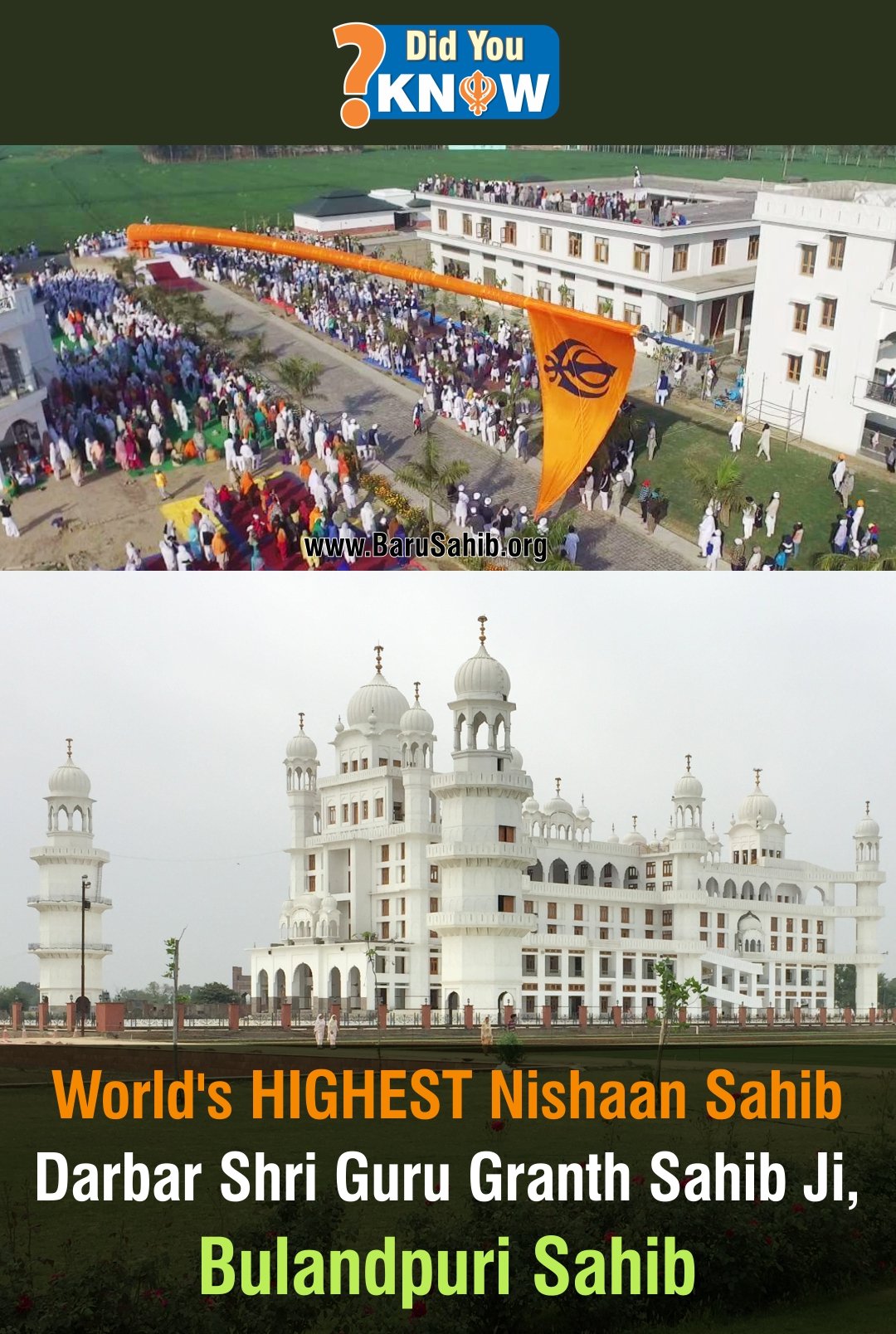
World’s HIGHEST Nishaan Sahib – Darbar Shri Guru Granth Sahib Ji, Bulandpuri Sahib

On February 24 world’s tallest Nishan Sahib was erected at Darbar Sri Guru Granth Sahib Ji, Bulandpuri Sahib which was formerly known as Nawan Nanaksar Thath, Bulandpuri Sahib. The Total Height of the Nishan Sahib is 255 fts with a weight of approx 21,000 kgs. The Khanda Sahib has a height of 113 inches and […]

On February 24 world’s tallest Nishan Sahib was erected at Darbar Sri Guru Granth Sahib Ji, Bulandpuri Sahib which was formerly known as Nawan Nanaksar Thath, Bulandpuri Sahib.

The Total Height of the Nishan Sahib is 255 fts with a weight of approx 21,000 kgs. The Khanda Sahib has a height of 113 inches and a weight of 60 kgs.

It was engineered and planned in the Sikh Nation’s branch in Canada unline other Nishan Sahibs. Before being brought and assembled in Punjab, the material were manufactured in China

The Nishan Sahib symbolizes unity of God’s Children and Guru Granth Sahib’s blessing to the Sikh community. It serves as a beacon or landmark to Darbar Sri Guru Granth Sahib Ji itself.

It is a great achievement and blessing for all Sikhs all over the WORLD!

Harpreet Kaur- The First Sikh local news reporter in the Washington, D.C!

Meet Harpreet Kaur, creator of visual stories. For over a decade, Harpreet has directed documentaries shedding light on social issues, and she was the first Sikh local news reporter in the Washington, D.C. area. Her debut feature documentary, ‘The Widow Colony – India’s Unsettled Settlement,’ was the first Sikh film to be shown at the […]

Meet Harpreet Kaur, creator of visual stories. For over a decade, Harpreet has directed documentaries shedding light on social issues, and she was the first Sikh local news reporter in the Washington, D.C. area.

Her debut feature documentary, ‘The Widow Colony – India’s Unsettled Settlement,’ was the first Sikh film to be shown at the Canadian and UK Parliament, followed by a screening at the United States Congress.

Her documentary, ‘A Little Revolution – A Story of Suicides and Dream,’ takes viewers from rural Punjab, India, into the homes of children of farmers who have committed suicide. Her humanitarian efforts through the film have impacted the lives of hundreds of children in the rural villages of Punjab.

Share & Spread for the World to know!

Pitiful state of the Pavilion in LAHORE marking site of the Final Blow of the Sikh Kingdom

Sitting inside the baradari (pavilion), Maharaja Sher Singh and his son, Kanvar Pratab Singh, watched the Khalsa Army parade in front of them. Before him, his father, Maharaja Ranjit Singh too sometimes used to inspect his army at this garden, earning it the title of parade ground. The river Ravi flowed just behind this 16th-century […]

Sitting inside the baradari (pavilion), Maharaja Sher Singh and his son, Kanvar Pratab Singh, watched the Khalsa Army parade in front of them. Before him, his father, Maharaja Ranjit Singh too sometimes used to inspect his army at this garden, earning it the title of parade ground.

The river Ravi flowed just behind this 16th-century baradari associated with the Sufi saint Shah Bilawal. It is here, on the banks of Ravi, that Shah Bilawal set up his madrassa. Later, when he passed away, his son buried him here, and constructed a huge garden around this structure. Only a few kilometers away from the historical Shalimar Bagh, this was one of the most famous gardens of Lahore, a city which was once known as a city of gardens.

I carefully walked into the baradari unaware of what to expect. The building had been abandoned many years ago. Its roof was missing, while its colorful frescoes comprising floral and geometrical patterns were slowly fading away. It was easy to tell that this must have been a beautiful building in its splendour.

Garden of kings

Just behind the baradari was an enclosure of the Lahore Waste Management Company. In the courtyard of this building there was a yellow trash can overflowing with garbage, while the floor was completely covered with trash.

There was no boundary wall dividing this baradari – once part of a splendid garden – and this office with trash. Some trash spilled over into the baradari.

The baradari was located in the middle of a congested locality called Bhogiwal in Lahore. It is hard to believe that there was once a spacious garden here, visited by kings. Next to the ruins of the baradari were the remains of the smadh of Maharaja Sher Singh.

On September 15, 1843, while Sher Singh was inspecting his troops, his cousin Ajit Singh Sandhawalia asked him to come out of the baradari and inspect a new English rifle that he had acquired.

Ajit Singh Sandhawalia had returned to Lahore four months earlier, two years after his departure. For two years, Ajit Singh Sandhawalia had taken refuge with the British, writing letters to the Khalsa Army, inciting them against Maharaja Sher Singh. He returned to Lahore through the good offices of the British, who helped in reconciliation.

Unaware of the plot, Maharaja Sher Singh stepped out of the baradari to inspect the rifle. When he got closer, Ajit Singh fired at the Maharaja. Then, to make sure that the Maharaja wouldn’t survive, he took out his sword and cut off his head. Ajit Singh’s elder brother, Lahina Singh Sandhawalia, then killed the 12-year-old Kanvar Pratab Singh.

End of an empire

Escaping the scene, both Ajit Singh and Lahina Singh reached the Lahore fort, where they assassinated Dhiyan Singh, the Prime Minister of Maharaja Sher Singh.

He was a controversial figure who had also previously served as the Prime Minister of Maharaja Ranjit Singh, Kharak Singh and Nau Nihal Singh.

Dhiyan Singh’s son, Hira Singh, with the help of a section of the Khalsa Army and the battalion of the legendary General Avitabile, lay siege on the Lahore fort and eventually killed Ajit Singh and Lahina Singh. The brothers’ heads were then severed and exhibited at the different gates of Lahore.

The mighty Sikh Empire, the last major independent kingdom in India, crumbled quickly after the assassination of Maharaja Sher Singh. Following his death, his five-year old step brother, Daleep Singh, was appointed as the Maharaja, while his mother Jind Kaur served as the Regent, a move that was challenged by Peshaura Singh and Kashmira Singh, the two elder sons of Ranjit Singh.

By now, the British knew that the Sikh Empire would soon fade away, a process that had started in 1839 after the death of Maharaja Ranjit Singh. In 1849, after suffering losses at the Second Anglo-Sikh War, Maharaja Daleep Singh handed over Punjab to the British, giving up the title of Maharaja.

It was here, in the shadows of this baradari, that a final blow was dealt to the Sikh Empire. Maharaja Sher Singh was the last sovereign ruler of Punjab, as Daleep Singh and the Regent served under the influence of the British Resident who was installed at the Lahore Durbar in 1846 after the First Anglo-Sikh War.

Steady decline

The situation, however, was not much better even before Sher Singh. Kharak Singh, the eldest son of Maharaja Ranjit Singh, replaced him but he was overthrown by his talented 18-year-old son, Nau Nihal Singh.

Kharak Singh died on November 5, 1840. On the same day, Nau Nihal died after suffering a fatal blow following the collapse of an arch. His mother, Chand Kaur, assumed the responsibility of the throne as a Regent, alleging that Nau Nihal’s wife was pregnant. The much awaited son was stillborn, and she was then replaced by the impatient Sher Singh, who took the throne in 1841, becoming the third Maharaja of Punjab in two years. This was the root of the conflict between Ajit Singh and Sher Singh. Ajit Singh supported Nau Nihal’s mother Chand Kaur during her conflict with Sher Singh, whom he felt had cheated her of the throne.

Even though it was perhaps evident that the Sikh Empire was on the decline, supporters of the throne clung to any hope. However, with the death of Sher Singh, all hopes for a stable Punjab Empire vanished.

The famous foreigner generals of Ranjit Singh, who had modernised the Khalsa Army and also served under his successors, left Punjab, perhaps aware of times to come. Just 10 years after the death of Sher-e-Punjab, his empire had been destroyed by his successors.

Sometime in the past few years, the smadh of Maharaja Sher Singh was converted into a Muslim shrine.

Today’s legacy

Only one part of the external wall of the smadh of Maharaja Sher Singh survived. It had been painted in white with a red boundary. Under the shadow of the smadh, a middle-aged man prepared bhang while next to him a woman sold eatables and incense stick.

Sometime in the past few years, the smadh of Maharaja Sher Singh was converted into a Muslim shrine. This has been the fate of several Hindu and Sikh shrines across the country, re-appropriated accordingly. But this was not a shrine, but the final resting place of a king. Perhaps in pre-Partition Lahore, Sikh pilgrims came to this smadh to pay their obeisance to the last sovereign Maharaja of Punjab.

Now, Muslim pilgrims and devotees visit his smadh, not for their Maharaja but an unknown Muslim saint. This is how the legacy of the last sovereign Maharaja of Punjab continues in Lahore, a city from where he once ruled a vast empire.

Haroon Khalid is the author of the books In Search of Shiva: A study of folk religious practices in Pakistan and A White Trail: A journey into the heart of Pakistan’s religious minorities.