
Join the fight against the Drug Menace – Kalgidhar Trust appeals to Society

To highlight and create awareness about drug addiction, The Kalgidhar Trust, an international non-profit organisation with its headquarters at Baru Sahib, Sirmour, Himachal Pradesh, organised its second annual social and spiritual event โ€œShaam-e-Roohani 2016โ€ at Punjab Kala Bhawan, Sector 16. The audience comprised eminent educationists, heads of colleges, schools, industries, doctors and retired officers of […]

To highlight and create awareness about drug addiction, The Kalgidhar Trust, an international non-profit organisation with its headquarters at Baru Sahib, Sirmour, Himachal Pradesh, organised its second annual social and spiritual event โ€œShaam-e-Roohani 2016โ€ at Punjab Kala Bhawan, Sector 16.

The audience comprised eminent educationists, heads of colleges, schools, industries, doctors and retired officers of the tricity.

The trustโ€™s Akal Drug De-Addiction Centre is located at Cheema Sahib, Sangrur, Punjab, which has successfully treated more than 4,500 addicts till now.

โ€œThe Kalgidhar Trust has taken up the mission of eradicating the drug menace in Punjab with a vision to open 22 de-addiction centres with the active support of our volunteers and the public,โ€ said, Baba Iqbal Singh, president, The Kalgidhar Trust, while speaking on the occasion.

Dr (Col) Rajinder Singh, director, de-addiction projects, said though drug addiction was a global problem, it had a local dimension in the youth of Punjab because of the stateโ€™s proximity to the Golden Crescent
(Pakistan, Afghanistan and Iran).

โ€œThrough this event, we are making an appeal to society to join us in the fight against drug addiction. If we donโ€™t take up this challenge now, then in next few years, every family in Punjab will have an addict, including ours,โ€ he said.

Dr Singh informed the trust was now opening its new centre at Chunni Kalan, Fatehgarh Sahib, to help addicts in Chandigarh, Mohali, Panchkula and adjoining areas.

The foundation stone of Akal Drug De-Addiction and Rehab Centre, Chunni Kalan, Fatehgarh Sahib, was laid by Bada Iqbal Singh yesterday.

The unique feature of this centre would be to provide appropriate vocational skills to the inmates so that they could earn their livelihood and become respected members of society, informed Dr Singh.
Students present divine music, play

Over fifty students of the Akal College of Divine Music and the Akal College of Nursing presented a soulful divine music and a socially relevant play on drug abuse under the aegis of the Kalgidhar Trust, Baru Sahib, Himachal Pardesh, at the Randhwa auditorium here today.

Veritably titled โ€œShaam-e- Roohani-2016โ€, the programme included deliberations on the drug menace.
The programme commenced with an unique instrumental music recital and Shabad gayan by 16 girls and a boy under the direction of Dr Purvi.

They enthralled the audience with the rendition of a shabad, Bba Kahan khusi khuar.
Nursing students staged a play, โ€œTabahโ€, directed by Dr Kulbir Virk, and a mesmerising mime, โ€œHeal the Worldโ€, presented by 23 students and directed by Kalpana, Savita and Mandeep.

เจ‡เจ• เจฌเจพเจ‚เจน เจจเจนเฉ€เจ‚ เจคเจพเจ‚ เจ•เฉ€ เจฆเจพเจคเจฟเจ† เจคเฉ‡เจฐเฉ€ เจฌเจ–เจธเจผเฉ€ เจฆเจธเจคเจพเจฐ เจจเจนเฉ€เจ‚ เจ›เฉฑเจกเจฃเฉ€

เจ‡เจ• เจฌเจพเจ‚เจน เจจเจนเฉ€เจ‚ เจคเจพเจ‚ เจ•เฉ€ เจฆเจพเจคเจฟเจ† เจคเฉ‡เจฐเฉ€ เจฌเจ–เจธเจผเฉ€ เจฆเจธเจคเจพเจฐ เจจเจนเฉ€เจ‚ เจ›เฉฑเจกเจฃเฉ€

เจ‡เจ• เจฌเจพเจ‚เจน เจจเจนเฉ€เจ‚ เจคเจพเจ‚ เจ•เฉ€ เจฆเจพเจคเจฟเจ† เจคเฉ‡เจฐเฉ€ เจฌเจ–เจธเจผเฉ€ เจฆเจธเจคเจพเจฐ เจจเจนเฉ€เจ‚ เจ›เฉฑเจกเจฃเฉ€

เจ‡เจ• เจฌเจพเจ‚เจน เจจเจนเฉ€เจ‚ เจคเจพเจ‚ เจ•เฉ€ เจฆเจพเจคเจฟเจ† เจคเฉ‡เจฐเฉ€ เจฌเจ–เจธเจผเฉ€ เจฆเจธเจคเจพเจฐ เจจเจนเฉ€เจ‚ เจ›เฉฑเจกเจฃเฉ€

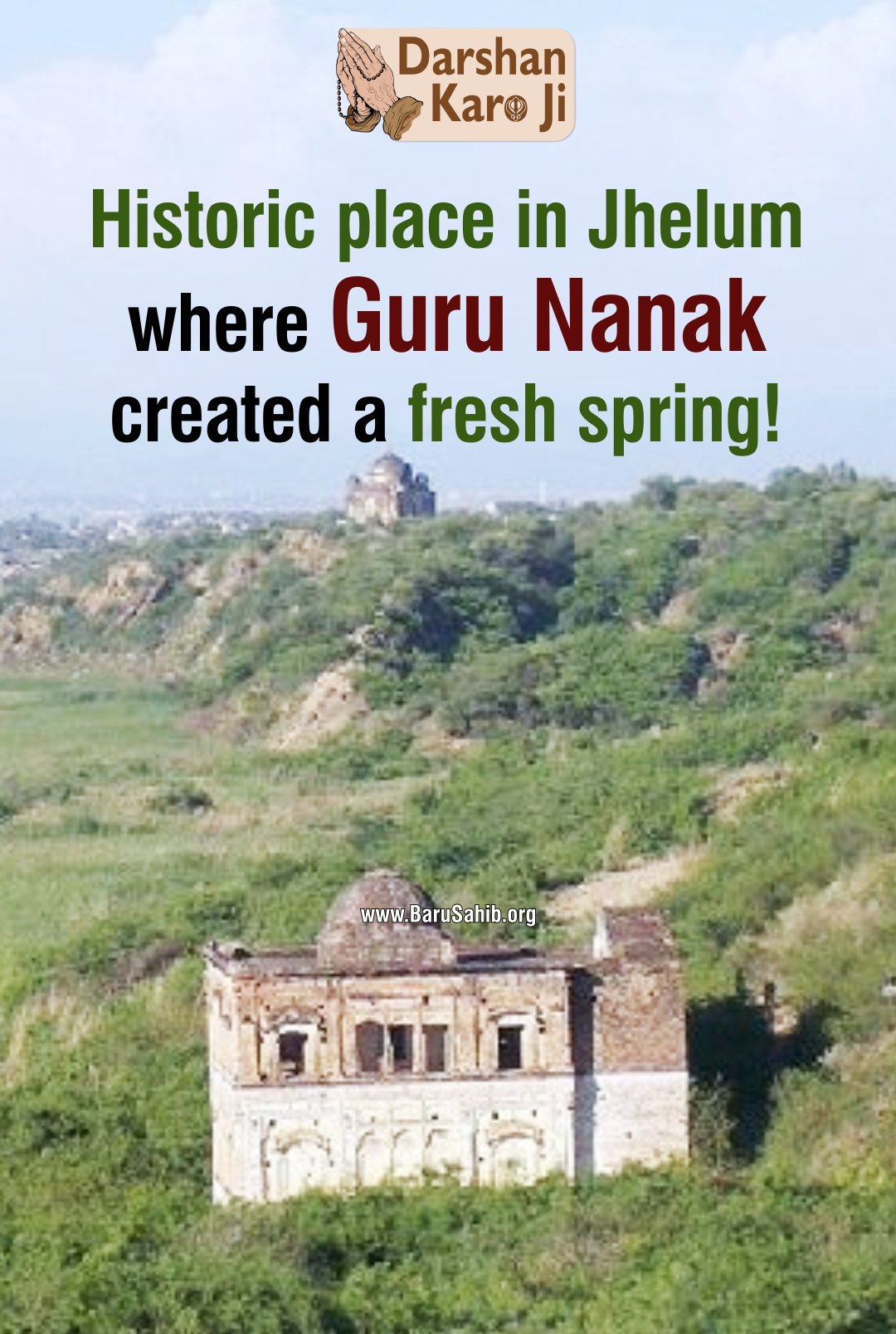
Historic place in Jhelum where Guru Nanak created a fresh spring!

The Gurdwara Sahib is located towards the North side of Rohtas Fort near the Talaqi Gate was built by Maharaja Ranjit Singh. Bhai Kahn Singh Nabha in his Mahan Kosh writes that the Maharaja gave 27 Gumaoo land and an annual grant of 260 rupees for the Gurdwara Sahib. The Gurdwara Sahib was managed by […]

The Gurdwara Sahib is located towards the North side of Rohtas Fort near the Talaqi Gate was built by Maharaja Ranjit Singh. Bhai Kahn Singh Nabha in his Mahan Kosh writes that the Maharaja gave 27 Gumaoo land and an annual grant of 260 rupees for the Gurdwara Sahib. The Gurdwara Sahib was managed by the Shiromani Gurdwara Parbandhak Committee till 1947 and an annual religious congregation (Jorr Mela) was held during the month of Katak to coincide with the Gurpurab of Guru Nanak.

Dr Harbans Singh in Sikh Encyclopaedia writes the nearest source of water for the people of this place during dry season was a spring at Tilla Jogian, about 14 km west of it. At the request of the people, Guru Ji caused a fresh water spring to flow out of the earth. In Persian, a stream or spring of water is called ‘Choha’ hence it came to be known as ‘Choha Sahib’ or holy stream. When the Gurdwara Sahib was raised, the spring of water was lined to form a sarovar or holy tank.

Courtesy- Mirza Safdar Baig

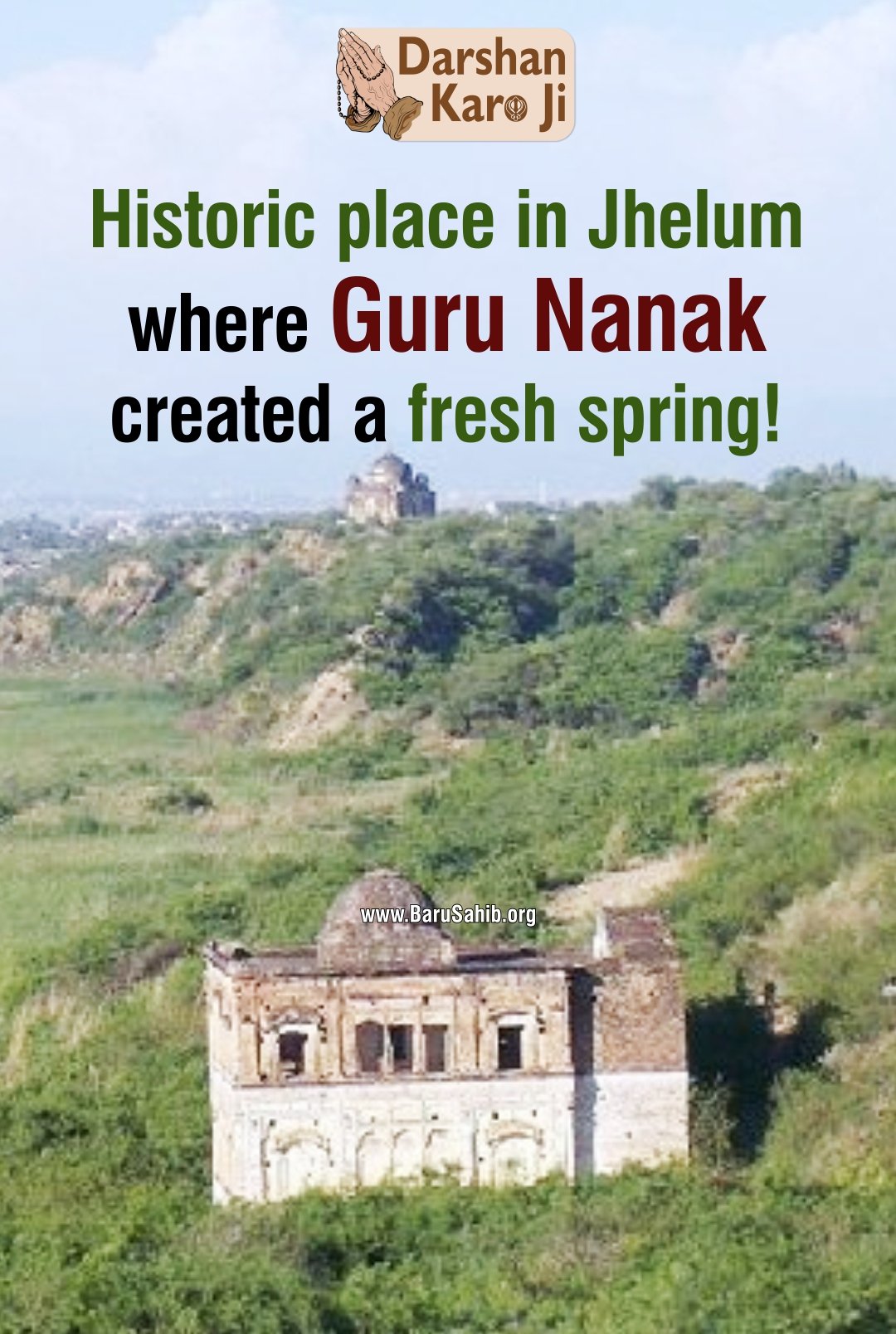
Historic place in Jhelum where Guru Nanak created a fresh spring!

The Gurdwara Sahib is located towards the North side of Rohtas Fort near the Talaqi Gate was built by Maharaja Ranjit Singh. Bhai Kahn Singh Nabha in his Mahan Kosh writes that the Maharaja gave 27 Gumaoo land and an annual grant of 260 rupees for the Gurdwara Sahib. The Gurdwara Sahib was managed by […]

The Gurdwara Sahib is located towards the North side of Rohtas Fort near the Talaqi Gate was built by Maharaja Ranjit Singh. Bhai Kahn Singh Nabha in his Mahan Kosh writes that the Maharaja gave 27 Gumaoo land and an annual grant of 260 rupees for the Gurdwara Sahib. The Gurdwara Sahib was managed by the Shiromani Gurdwara Parbandhak Committee till 1947 and an annual religious congregation (Jorr Mela) was held during the month of Katak to coincide with the Gurpurab of Guru Nanak.

Dr Harbans Singh in Sikh Encyclopaedia writes the nearest source of water for the people of this place during dry season was a spring at Tilla Jogian, about 14 km west of it. At the request of the people, Guru Ji caused a fresh water spring to flow out of the earth. In Persian, a stream or spring of water is called ‘Choha’ hence it came to be known as ‘Choha Sahib’ or holy stream. When the Gurdwara Sahib was raised, the spring of water was lined to form a sarovar or holy tank.

Courtesy- Mirza Safdar Baig

Guru Amar Das Ji teaches us important lesson on how to do SEWA!

Guru Amar Das ji tested the faith, devotion, humility and obedience of his two son-in laws, Bhai Rama ji (married to Bibi Daani ji) and Bhai Jetha ji (married to Bibi Bhaani ji). Both were ordered by Guru ji to make a platform for him to sit on and that whoever does the better work […]

Guru Amar Das ji tested the faith, devotion, humility and obedience of his two son-in laws, Bhai Rama ji (married to Bibi Daani ji) and Bhai Jetha ji (married to Bibi Bhaani ji). Both were ordered by Guru ji to make a platform for him to sit on and that whoever does the better work will receive the greater honour.

Both began doing the task. Bhai Rama ji finished and bowed before Guru ji but Guru ji said, “It’s crooked. Tear it down and build another.” Although Bhai Rama ji spent time and effort on it, he decided to rebuild it for the second time but it still failed the test so he built the third one. He mumbled, “The Guru has grown old, he must be senile.”

On the other hand, when Guru ji tested Bhai Jetha ji and repeatedly failed his work, Bhai Jetha ji fell at Guru ji’s feet and begged, “I am a fool and lack understanding, while you possess all knowledge. Kindly bless me with the wisdom so that I may be able to erect the platform to your liking.”

Bhai Jetha ji showed how a Sikh must always obey the Guru no matter what their own mind thinks, and also to do seva with correct attitude – to continue doing seva even if criticized, even if there is nothing to gain, or no one to praise you.

Guru Amar Das Ji teaches us important lesson on how to do SEWA!

Guru Amar Das ji tested the faith, devotion, humility and obedience of his two son-in laws, Bhai Rama ji (married to Bibi Daani ji) and Bhai Jetha ji (married to Bibi Bhaani ji). Both were ordered by Guru ji to make a platform for him to sit on and that whoever does the better work […]

Guru Amar Das ji tested the faith, devotion, humility and obedience of his two son-in laws, Bhai Rama ji (married to Bibi Daani ji) and Bhai Jetha ji (married to Bibi Bhaani ji). Both were ordered by Guru ji to make a platform for him to sit on and that whoever does the better work will receive the greater honour.

Both began doing the task. Bhai Rama ji finished and bowed before Guru ji but Guru ji said, “It’s crooked. Tear it down and build another.” Although Bhai Rama ji spent time and effort on it, he decided to rebuild it for the second time but it still failed the test so he built the third one. He mumbled, “The Guru has grown old, he must be senile.”

On the other hand, when Guru ji tested Bhai Jetha ji and repeatedly failed his work, Bhai Jetha ji fell at Guru ji’s feet and begged, “I am a fool and lack understanding, while you possess all knowledge. Kindly bless me with the wisdom so that I may be able to erect the platform to your liking.”

Bhai Jetha ji showed how a Sikh must always obey the Guru no matter what their own mind thinks, and also to do seva with correct attitude – to continue doing seva even if criticized, even if there is nothing to gain, or no one to praise you.

This 19-year-old Writer from Abbotsford, B.C is inspiring people with her blogs on SIKHI

My name is Harman Kaur, and I am a 19-year-old writer from Abbotsford, B.C, Canada. In January of this year, I summed up the courage to post my writings on social media platforms, such as Instagram and Facebook. The response I have received from my readers has been overwhelming; I have received so much support […]

My name is Harman Kaur, and I am a 19-year-old writer from Abbotsford, B.C, Canada. In January of this year, I summed up the courage to post my writings on social media platforms, such as Instagram and Facebook. The response I have received from my readers has been overwhelming; I have received so much support and encouragement, and it has ensured that I will never stop writing.

The main subject of my writing is Sikhi. Through the platform I have created, I spread the word of Guru Ji through my writing. I also focus on many aspects of Sikhi, such as Sikh history, Gurbani, etc. One of my most famous pieces is a series called #HarjeevsPathofLove. In this series I have collaborated with Jeevna Kaur, a Sikh artist from Bangkok, to create a beautiful harmony between poetry and art. This series focuses on the life of an imaginary Kaur, Harjeev Kaur, and how she deals with different aspects of Sikhi, such as Simran, Seva, Ardaas, etc. This series is ongoing, and will be continuing for a long while.

Along with Sikhi, I also use my writing to bring people closer to their Punjabi roots. I have started a series called #MaaBoliSeries, in which words in Punjabi and Gurmukhi are explored in English. The pronunciation and definitions of words are explored through this series. Recently, I started attempting to write poetry in Punjabi with an English translation right beside it. I have received such an encouraging response, so I feel comfortable in continuing to write poetry in such a manner.

I grew up surrounded by Sikhi and it was all thanks to my parents. They made sure I learned how to read and write Punjabi at a very young age. By the age of 10, I had completed santhiya of Guru Granth Sahib Ji. I was given Amrit at the age of 7, and I must say it has been the most important and beautiful decision of my life. Growing up, I was always interested in literature and I started writing stories. By the age of 16, I started writing poetry, and didnโ€™t find the courage to post them to the public until 3 years later.

I believe that everyone has a purpose in this life. Everyone is put on Earth by Guru Ji to play some sort of role. I believe my role is to spread the word of Sikhi through my writing. My message to everyone is, no matter what stage you are in your Sikhi โ€“ whether you are struggling to keep your hair, or are just beginning to learn about it, never give up. A problem I see in our community is that many people tend to look down upon people who do not โ€œlookโ€ like a Sikh. Being Amritdhari is a very important part of Sikhi, but one does not have to be Amritdhari to have a love for Guru Ji. If you ever come across someone who cuts their hair or eats meat, refrain from looking down on them. Instead, greet them with extra kindness, answer their questions, and fuel their love for Sikhi; you never know when Guru Ji will do kirpa and bless them with Amrit. When we make negative comments, we can prevent someone from walking on the path of Sikhi. Remember: Sikhi is a path and not a destination. Even Sikhs who have been given Amrit are still on this journey, and nobody is close to being perfect!

If you would like to keep up with my work, follow me on Instagram: @__harmankaur, or like my page on Facebook: harmankaurwrites. I can also be reached by email if you have any questions about my work or Sikhi in general: harmankaurwrites@gmail.com. Jeevna Kaur, the artist behind #HarjeevsPathOfLove is also on Instagram: @jeev_art.

เจœเจพเจจเฉ€ เจ•เฉ‹ เจœเจพเจจเฉ€ เจธเฉ‡ เจฎเจฟเจฒเจพ เจฆเฉ‹ (เจตเจฟเจถเจตเจพเจธ เจคเฉ‡ เจธเจฌเจฐ เจฆเฉ€ เจฎเจนเจฟเจคเจพ เจธเจฎเจเจพเจ‰เจ‚เจฆเฉ€ เจธเจพเจ–เฉ€)

เจœเจพเจจเฉ€ เจ•เฉ‹ เจœเจพเจจเฉ€ เจธเฉ‡ เจฎเจฟเจฒเจพ เจฆเฉ‹ (เจตเจฟเจถเจตเจพเจธ เจคเฉ‡ เจธเจฌเจฐ เจฆเฉ€ เจฎเจนเจฟเจคเจพ เจธเจฎเจเจพเจ‰เจ‚เจฆเฉ€ เจธเจพเจ–เฉ€) เจ—เฉเจฐเฉ‚ เจนเจฐเจฟเจ—เฉ‹เจฌเจฟเฉฐเจฆ เจœเฉ€ เจฆเฉ‡ เจตเจ•เจค เจ‡เจ• เจชเฉ€เจฐ เจธเฉ€ เจœเฉ‹ เจ•เฉ€ เจฐเฉฑเจฌ เจฆเฉ€ เจฌเฉœเฉ€ เจ‡เจฌเจพเจฆเจค เจ•เจฐเจฆเจพ เจธเฉ€.. เจ‡เฉฑเจ• เจฆเจฟเจจ เจ‰เจนเจจเฉ‚เฉฐ เจธเฉเจชเจจเจพ เจ†เจ‡เจ† เจ•เฉ€ เจœเฉ‡ เจฐเฉฑเจฌ เจจเจพเจฒ เจฎเจฟเจฒเจฃเจพ เจนเฉˆ เจคเจพเจ‚ เจ—เฉเจฐเฉ‚ เจนเจฐเจฟเจ—เฉ‹เจฌเจฟเฉฐเจฆ เจธเจพเจนเจฟเจฌ เจ•เฉ‹เจฒ เจšเจฒเจพ เจœเจพ.. เจ‰เจน เจชเฉ€เจฐ เจ—เฉเจฐเฉ‚ เจนเจฐเจฟเจ—เฉ‹เจฌเจฟเฉฐเจฆ เจธเจพเจนเจฟเจฌ เจœเฉ€ เจจเฉ‚เฉฐ เจฎเจฟเจฒเจฃ […]

เจœเจพเจจเฉ€ เจ•เฉ‹ เจœเจพเจจเฉ€ เจธเฉ‡ เจฎเจฟเจฒเจพ เจฆเฉ‹ (เจตเจฟเจถเจตเจพเจธ เจคเฉ‡ เจธเจฌเจฐ เจฆเฉ€ เจฎเจนเจฟเจคเจพ เจธเจฎเจเจพเจ‰เจ‚เจฆเฉ€ เจธเจพเจ–เฉ€)

เจ—เฉเจฐเฉ‚ เจนเจฐเจฟเจ—เฉ‹เจฌเจฟเฉฐเจฆ เจœเฉ€ เจฆเฉ‡ เจตเจ•เจค เจ‡เจ• เจชเฉ€เจฐ เจธเฉ€ เจœเฉ‹ เจ•เฉ€ เจฐเฉฑเจฌ เจฆเฉ€ เจฌเฉœเฉ€ เจ‡เจฌเจพเจฆเจค เจ•เจฐเจฆเจพ เจธเฉ€..
เจ‡เฉฑเจ• เจฆเจฟเจจ เจ‰เจนเจจเฉ‚เฉฐ เจธเฉเจชเจจเจพ เจ†เจ‡เจ† เจ•เฉ€ เจœเฉ‡ เจฐเฉฑเจฌ เจจเจพเจฒ เจฎเจฟเจฒเจฃเจพ เจนเฉˆ เจคเจพเจ‚ เจ—เฉเจฐเฉ‚ เจนเจฐเจฟเจ—เฉ‹เจฌเจฟเฉฐเจฆ เจธเจพเจนเจฟเจฌ เจ•เฉ‹เจฒ เจšเจฒเจพ เจœเจพ..

เจ‰เจน เจชเฉ€เจฐ เจ—เฉเจฐเฉ‚ เจนเจฐเจฟเจ—เฉ‹เจฌเจฟเฉฐเจฆ เจธเจพเจนเจฟเจฌ เจœเฉ€ เจจเฉ‚เฉฐ เจฎเจฟเจฒเจฃ เจ†เจ‡เจ† เจชเจฐ เจ—เฉเจฐเฉ‚ เจœเฉ€ เจธเจฌ เจ•เฉเจ เจœเจพเจฃเจฆเฉ‡
เจนเฉ‹เจ เจตเฉ€ เจชเจนเจฟเจฒเจพเจ‚ เจชเฉ€เจฐ เจฆเฉ€ เจชเฉเจฐเฉ€เจ–เจฟเจ† เจฒเฉˆเจฃเฉ€ เจšเจพเจนเฉเฉฐเจฆเฉ‡ เจธเฉ€..
เจ‰เจนเจจเจพเจ‚ เจจเฉ‡ เจธเจฟเฉฑเจ–เจพเจ‚ เจจเฉ‚เฉฐ เจ•เจฟเจนเจพ เจ•เฉ€ เจชเฉ€เจฐ เจจเฉ‚เฉฐ เจ…เฉฐเจฆเจฐ เจจเจพ เจ†เจ‰เจฃ เจฆเจฟเจ“..

เจชเฉ€เจฐ เจฌเจพเจนเจฐ เจฆเจฐเจตเจพเฉ›เฉ‡ เจคเฉ‡ เจฌเฉˆเจ เจพ เจ•เจนเฉ€ เจœเจพเจตเฉ‡..
เจœเจพเจจเฉ€ เจ•เฉ‹ เจœเจพเจจเฉ€ เจธเฉ‡ เจฎเจฟเจฒเจพ เจฆเฉ‹..

3 เจฆเจฟเจจ เจ‡เจธ เจคเจฐเจพเจ‚ เจฒเฉฐเจ— เจ—เจ.. เจ‰เจน เจชเฉ€เจฐ เจฌเจธ เจ‡เจ•เฉ‹ เจ—เฉฑเจฒ เจ•เจนเฉ€ เจœเจพเจตเฉ‡..
เจœเจพเจจเฉ€ เจ•เฉ‹ เจœเจพเจจเฉ€ เจธเฉ‡ เจฎเจฟเจฒเจพ เจฆเฉ‹..

(เจญเจพเจต เจฎเฉˆเจจเฉ‚เฉฐ เจฎเฉ‡เจฐเฉ‡ เจ–เฉเจฆเจพ เจจเจพเจฒ เจฎเจฟเจฒเจพ เจฆเฉ‹ )

เจธเจฟเฉฑเจ– เจ—เฉเจฐเฉ‚ เจœเฉ€ เจจเฉ‚เฉฐ เจ•เจนเจฟเฉฐเจฆเฉ‡ เจ•เจฟ เจชเฉ€เจฐ เจ‡เจธ เจคเจฐเจพเจ‚ เจ•เจนเจฟเฉฐเจฆเจพ เจนเฉˆ

เจœเจพเจจเฉ€ เจ•เฉ‹ เจœเจพเจจเฉ€ เจธเฉ‡ เจฎเจฟเจฒเจพ เจฆเฉ‹..

เจ—เฉเจฐเฉ‚ เจœเฉ€ เจ•เจนเจฟเฉฐเจฆเฉ‡ เจ‰เจนเจจเจพเจ‚ เจœเจพ เจ•เฉ‡ เจ•เจนเฉ‹ เจœเฉ‡ เจœเจพเจจเฉ€ เจจเจพเจฒ เจฎเจฟเจฒเจฃเจพ เจนเฉˆ เจคเจพเจ‚ เจœเจพ เจ•เฉ‡ เจฆเจฐเจฟเจ† เจตเจฟเจš เจ›เจพเจฒ เจฎเจพเจฐ เจฆเจตเฉ‡..

เจธเจฟเฉฑเจ– เจจเฉ‡ เจ† เจ•เฉ‡ เจชเฉ€เจฐ เจจเฉ‚เฉฐ เจ‡เจธ เจคเจฐเจพเจ‚ เจ•เจฟเจนเจพ.. เจชเฉ€เจฐ เจคเจพเจ‚ เจฌเฉ‡เจนเจฆ เจ–เฉเจถ เจนเฉ‹ เจ—เจฟเจ† เจคเฉ‡ เจญเฉฑเจœ เจ—เจฟเจ† เจฆเจฐเจฟเจ† เจตเจฒ เจ›เจพเจฒ เจฎเจพเจฐเจจ..

เจธเจฟเฉฑเจ– เจจเฉ‡ เจœเจพ เจ•เฉ‡ เจ—เฉเจฐเฉ‚ เจœเฉ€ เจจเฉ‚เฉฐ เจฆเฉฑเจธเจฟเจ† เจ•เฉ€ เจชเฉ€เจฐ เจคเจพ เจธเจšเฉ€ เจ›เจพเจฒ เจฎเจพเจฐเจจ เจญเฉฑเจœ เจ—เจฟเจ†..

เจคเจฆ เจ—เฉเจฐเฉ‚ เจœเฉ€ เจชเฉ€เจฐ เจฆเจพ เจธเฉฑเจšเจพ เจชเฉเจฐเฉ‡เจฎ เจฆเฉ‡เจ– เจ•เฉ‡ เจฌเฉœเฉ‡ เจ–เฉเจถ เจนเฉ‹เจ เจคเฉ‡ เจ…เจชเจจเฉ‡ เจธเจฟเฉฑเจ–เจพเจ‚ เจจเจพเจฒ เจœเจพ เจ•เฉ‡ เจฐเจธเจคเฉ‡ เจตเจฟเจš เจนเฉ€ เจชเฉ€เจฐ เจจเฉ‚เฉฐ เจฐเฉ‹เจ• เจฒเจฟเจ† เจคเฉ‡ เจ—เฉฑเจฒ เจจเจพเจฒ เจฒเจพ เจฒเจฟเจ†..

เจชเฉ€เจฐ เจจเฉ‚เฉฐ เจฎเจนเจฟเจธเฉ‚เจธ เจนเฉ‹เจ‡เจ† เจœเจฟเจตเฉ‡เจ‚ เจ‰เจนเจจเฉ‚เฉฐ เจ‰เจนเจฆเจพ เจœเจพเจจเฉ€ เจœเจพเจจ เจฎเจฟเจฒ เจ—เจฟเจ†..

เจ‡เจธ เจธเจพเจ–เฉ€ เจคเฉ‹เจ‚ เจธเจพเจจเฉ‚เฉฐ เจ‡เจน เจธเจฟเจ–เจฟเจ† เจฎเจฟเจฒเจฆเฉ€ เจนเฉˆ เจ•เฉ€ เจšเจพเจนเฉ‡ เจนเจพเจฒเจพเจค เจœเฉ‹ เจตเฉ€ เจนเฉ‹เจฃ เจธเจพเจจเฉ‚เฉฐ เจนเจฎเฉ‡เจถเจพ เจ†เจชเจฃเฉ‡ เจ—เฉเจฐเฉ‚ เจœเฉ€ เจฆเฉ‡ เจฌเจฃ เจ•เฉ‡ เจฐเจนเจฟเจฃเจพ เจšเจพเจนเฉ€เจฆเจพ.. เจ•เจฆเฉ€ เจตเฉ€ เจ—เฉเจฐเฉ‚ เจฆเจพ เจฆเจฐเจตเจพเฉ›เจพ เจจเจนเฉ€เจ‚ เจ›เฉฑเจกเจฃเจพ เจšเจพเจนเฉ€เจฆเจพ.. เจ•เจฌเฉ€เจฐ เจœเฉ€ เจคเจพเจ‚ เจ‡เจฅเฉ‹เจ‚ เจคเฉฑเจ• เจ•เจนเจฟเฉฐเจฆเฉ‡ เจจเฉ‡ เจ•เจฟ เจœเฉ‡ เจฎเฉˆเจจเฉ‚เฉฐ เจฎเฉŒเจค เจ†เจตเฉ‡ เจคเจพ เจฐเฉฑเจฌ เจฆเฉ‡ เจฌเฉ‚เจนเฉ‡ เจ…เฉฑเจ—เฉ‡ เจนเฉ‹เจตเฉ‡.. เจนเฉ‹ เจธเจ•เจฆเจพ เจฐเฉฑเจฌ เจชเฉเฉฑเจ› เจฒเจตเฉ‡ เจ•เจฟ เจ‡เจน เจ•เฉŒเจฃ เจฎเฉ‡เจฐเฉ‡ เจฆเจฐเจตเจพเฉ›เฉ‡ เจ…เฉฑเจ—เฉ‡ เจฎเจฐเจฟเจ† เจชเจฟเจ† เจนเฉˆ.. เจฆเฉ‚เจœเฉ€ เจ—เฉฑเจฒ เจ…เฉฑเจœ เจ•เจฒ เจธเจพเจ‡เฉฐเจธ เจฆเจพ เจŸเฉˆเจ•เจจเฉ‹เจฒเฉŒเจœเฉ€ เจฆเจพ เจซเจพเจธเจŸ เจœเจฎเจพเจจเจพ เจนเฉˆ..เจฒเฉ‹เจ•เจพเจ‚ เจตเจฟเฉฑเจš เจธเจฌเจฐ เจตเจฐเจ—เฉ‡ เจ—เฉเจฃ เจ–เจคเจฎ เจนเฉเฉฐเจฆเฉ‡ เจœเจพ เจฐเจนเฉ‡ เจจเฉ‡.. เจฒเฉ‹เจ• เจธเจตเฉ‡เจฐเฉ‡ เจ•เฉฐเจฎ เจ•เจฐเจฆเฉ‡ เจจเฉ‡ เจคเจพเจ‚ เจถเจพเจฎ เจคเจ• เจฐเจฟเจธเจฒเจŸ เจฎเฉฐเจ—เจฆเฉ‡ เจจเฉ‡.. เจฐเฉฑเจฌ เจฆเฉ‡ เจฎเจพเจฎเจฒเฉ‡ เจตเจฟเจš เจตเฉ€ เจฒเฉ‹เจ• เจ‡เจนเจฆเจพ เจ•เจฐเจฆเฉ‡ เจจเฉ‡.. เจฒเฉ‹เจ• เจšเจพเจ‰เจ‚เจฆเฉ‡ เจจเฉ‡ เจ…เจธเฉ€เจ‚ เจ›เฉ‡เจคเฉ€ เจคเฉ‹เจ‚ เจ›เฉ‡เจคเฉ€ เจฐเฉฑเจฌ เจจเฉ‚เฉฐ เจชเจพ เจฒเจˆเจ เจชเจฐ เจ‡เจนเจฆเจพ เจจเจนเฉ€เจ‚ เจนเฉเฉฐเจฆเจพ.. เจ‰เจธ เจชเฉ€เจฐ เจตเจฐเจ—เจพ เจตเจฟเจถเจตเจพเจธ เจนเฉ‹เจฃเจพ เจšเจพเจนเฉ€เจฆเจพ เจธเจพเจจเฉ‚เฉฐ เจ—เฉเจฐเฉ‚ เจจเจพเจจเจ• เจคเฉ‡.. เจตเจฟเจถเจตเจพเจธ เจฐเฉฑเจ– เจ•เฉ‡ เจ•เฉ€เจคเจพ 1 เจชเจพเจ  เจตเฉ€ เจฒเฉฑเจ–เจพเจ‚ เจตเจฐเจ—เจพ.. เจ‡เจธเจฒเจˆ เจตเจฟเจถเจตเจพเจธ เจฐเฉฑเจ–เฉ‹, เจธเจฌเจฐ เจฐเฉฑเจ–เฉ‹.. เจ—เฉเจฐเฉ‚ เจœเฉ€ เจฆเฉ€ เจ•เจฟเจฐเจชเจพ เจ‡เจ• เจฆเจฟเจจ เจœเจฐเฉ‚เจฐ เจนเฉ‹เจตเฉ‡เจ—เฉ€.. เจธเจพเจกเจพ เจ•เฉฐเจฎ เจนเฉˆ เจจเจพเจฎ เจœเจชเจฃเจพ.. เจ•เจฟเจฐเจชเจพ เจ†เจชเฉ‡ เจนเฉ‹ เจœเจพเจฃเฉ€.. เจœเจฟเจธ เจจเฉ‡ เจธเจพเจฐเจพ เจธเจฎเจเจฟเจ† เจ‡เจ• เจตเจพเจฐ เจตเจพเจนเจฟเจ—เฉเจฐเฉ‚ เจœเจฐเฉ‚เจฐ เจฒเจฟเจ–เฉ‹ เจคเฉ‡ เจชเจฒเฉ€เฉ› เจ‡เจน เจธเจพเจ–เฉ€ เจ†เจชเจฃเฉ‡ เจฆเฉ‹เจธเจคเจพเจ‚ เจจเจพเจฒ เจถเฉ‡เจ…เจฐ เจœเจฐเฉ‚เจฐ เจ•เจฐ เจฆเฉ€เจ“ เจธเจพเจฐเฉ‡..

เจœเจพเจจเฉ€ เจ•เฉ‹ เจœเจพเจจเฉ€ เจธเฉ‡ เจฎเจฟเจฒเจพ เจฆเฉ‹ (เจตเจฟเจถเจตเจพเจธ เจคเฉ‡ เจธเจฌเจฐ เจฆเฉ€ เจฎเจนเจฟเจคเจพ เจธเจฎเจเจพเจ‰เจ‚เจฆเฉ€ เจธเจพเจ–เฉ€)

เจœเจพเจจเฉ€ เจ•เฉ‹ เจœเจพเจจเฉ€ เจธเฉ‡ เจฎเจฟเจฒเจพ เจฆเฉ‹ (เจตเจฟเจถเจตเจพเจธ เจคเฉ‡ เจธเจฌเจฐ เจฆเฉ€ เจฎเจนเจฟเจคเจพ เจธเจฎเจเจพเจ‰เจ‚เจฆเฉ€ เจธเจพเจ–เฉ€) เจ—เฉเจฐเฉ‚ เจนเจฐเจฟเจ—เฉ‹เจฌเจฟเฉฐเจฆ เจœเฉ€ เจฆเฉ‡ เจตเจ•เจค เจ‡เจ• เจชเฉ€เจฐ เจธเฉ€ เจœเฉ‹ เจ•เฉ€ เจฐเฉฑเจฌ เจฆเฉ€ เจฌเฉœเฉ€ เจ‡เจฌเจพเจฆเจค เจ•เจฐเจฆเจพ เจธเฉ€.. เจ‡เฉฑเจ• เจฆเจฟเจจ เจ‰เจนเจจเฉ‚เฉฐ เจธเฉเจชเจจเจพ เจ†เจ‡เจ† เจ•เฉ€ เจœเฉ‡ เจฐเฉฑเจฌ เจจเจพเจฒ เจฎเจฟเจฒเจฃเจพ เจนเฉˆ เจคเจพเจ‚ เจ—เฉเจฐเฉ‚ เจนเจฐเจฟเจ—เฉ‹เจฌเจฟเฉฐเจฆ เจธเจพเจนเจฟเจฌ เจ•เฉ‹เจฒ เจšเจฒเจพ เจœเจพ.. เจ‰เจน เจชเฉ€เจฐ เจ—เฉเจฐเฉ‚ เจนเจฐเจฟเจ—เฉ‹เจฌเจฟเฉฐเจฆ เจธเจพเจนเจฟเจฌ เจœเฉ€ เจจเฉ‚เฉฐ เจฎเจฟเจฒเจฃ […]

เจœเจพเจจเฉ€ เจ•เฉ‹ เจœเจพเจจเฉ€ เจธเฉ‡ เจฎเจฟเจฒเจพ เจฆเฉ‹ (เจตเจฟเจถเจตเจพเจธ เจคเฉ‡ เจธเจฌเจฐ เจฆเฉ€ เจฎเจนเจฟเจคเจพ เจธเจฎเจเจพเจ‰เจ‚เจฆเฉ€ เจธเจพเจ–เฉ€)

เจ—เฉเจฐเฉ‚ เจนเจฐเจฟเจ—เฉ‹เจฌเจฟเฉฐเจฆ เจœเฉ€ เจฆเฉ‡ เจตเจ•เจค เจ‡เจ• เจชเฉ€เจฐ เจธเฉ€ เจœเฉ‹ เจ•เฉ€ เจฐเฉฑเจฌ เจฆเฉ€ เจฌเฉœเฉ€ เจ‡เจฌเจพเจฆเจค เจ•เจฐเจฆเจพ เจธเฉ€..
เจ‡เฉฑเจ• เจฆเจฟเจจ เจ‰เจนเจจเฉ‚เฉฐ เจธเฉเจชเจจเจพ เจ†เจ‡เจ† เจ•เฉ€ เจœเฉ‡ เจฐเฉฑเจฌ เจจเจพเจฒ เจฎเจฟเจฒเจฃเจพ เจนเฉˆ เจคเจพเจ‚ เจ—เฉเจฐเฉ‚ เจนเจฐเจฟเจ—เฉ‹เจฌเจฟเฉฐเจฆ เจธเจพเจนเจฟเจฌ เจ•เฉ‹เจฒ เจšเจฒเจพ เจœเจพ..

เจ‰เจน เจชเฉ€เจฐ เจ—เฉเจฐเฉ‚ เจนเจฐเจฟเจ—เฉ‹เจฌเจฟเฉฐเจฆ เจธเจพเจนเจฟเจฌ เจœเฉ€ เจจเฉ‚เฉฐ เจฎเจฟเจฒเจฃ เจ†เจ‡เจ† เจชเจฐ เจ—เฉเจฐเฉ‚ เจœเฉ€ เจธเจฌ เจ•เฉเจ เจœเจพเจฃเจฆเฉ‡
เจนเฉ‹เจ เจตเฉ€ เจชเจนเจฟเจฒเจพเจ‚ เจชเฉ€เจฐ เจฆเฉ€ เจชเฉเจฐเฉ€เจ–เจฟเจ† เจฒเฉˆเจฃเฉ€ เจšเจพเจนเฉเฉฐเจฆเฉ‡ เจธเฉ€..
เจ‰เจนเจจเจพเจ‚ เจจเฉ‡ เจธเจฟเฉฑเจ–เจพเจ‚ เจจเฉ‚เฉฐ เจ•เจฟเจนเจพ เจ•เฉ€ เจชเฉ€เจฐ เจจเฉ‚เฉฐ เจ…เฉฐเจฆเจฐ เจจเจพ เจ†เจ‰เจฃ เจฆเจฟเจ“..

เจชเฉ€เจฐ เจฌเจพเจนเจฐ เจฆเจฐเจตเจพเฉ›เฉ‡ เจคเฉ‡ เจฌเฉˆเจ เจพ เจ•เจนเฉ€ เจœเจพเจตเฉ‡..
เจœเจพเจจเฉ€ เจ•เฉ‹ เจœเจพเจจเฉ€ เจธเฉ‡ เจฎเจฟเจฒเจพ เจฆเฉ‹..

3 เจฆเจฟเจจ เจ‡เจธ เจคเจฐเจพเจ‚ เจฒเฉฐเจ— เจ—เจ.. เจ‰เจน เจชเฉ€เจฐ เจฌเจธ เจ‡เจ•เฉ‹ เจ—เฉฑเจฒ เจ•เจนเฉ€ เจœเจพเจตเฉ‡..
เจœเจพเจจเฉ€ เจ•เฉ‹ เจœเจพเจจเฉ€ เจธเฉ‡ เจฎเจฟเจฒเจพ เจฆเฉ‹..

(เจญเจพเจต เจฎเฉˆเจจเฉ‚เฉฐ เจฎเฉ‡เจฐเฉ‡ เจ–เฉเจฆเจพ เจจเจพเจฒ เจฎเจฟเจฒเจพ เจฆเฉ‹ )

เจธเจฟเฉฑเจ– เจ—เฉเจฐเฉ‚ เจœเฉ€ เจจเฉ‚เฉฐ เจ•เจนเจฟเฉฐเจฆเฉ‡ เจ•เจฟ เจชเฉ€เจฐ เจ‡เจธ เจคเจฐเจพเจ‚ เจ•เจนเจฟเฉฐเจฆเจพ เจนเฉˆ

เจœเจพเจจเฉ€ เจ•เฉ‹ เจœเจพเจจเฉ€ เจธเฉ‡ เจฎเจฟเจฒเจพ เจฆเฉ‹..

เจ—เฉเจฐเฉ‚ เจœเฉ€ เจ•เจนเจฟเฉฐเจฆเฉ‡ เจ‰เจนเจจเจพเจ‚ เจœเจพ เจ•เฉ‡ เจ•เจนเฉ‹ เจœเฉ‡ เจœเจพเจจเฉ€ เจจเจพเจฒ เจฎเจฟเจฒเจฃเจพ เจนเฉˆ เจคเจพเจ‚ เจœเจพ เจ•เฉ‡ เจฆเจฐเจฟเจ† เจตเจฟเจš เจ›เจพเจฒ เจฎเจพเจฐ เจฆเจตเฉ‡..

เจธเจฟเฉฑเจ– เจจเฉ‡ เจ† เจ•เฉ‡ เจชเฉ€เจฐ เจจเฉ‚เฉฐ เจ‡เจธ เจคเจฐเจพเจ‚ เจ•เจฟเจนเจพ.. เจชเฉ€เจฐ เจคเจพเจ‚ เจฌเฉ‡เจนเจฆ เจ–เฉเจถ เจนเฉ‹ เจ—เจฟเจ† เจคเฉ‡ เจญเฉฑเจœ เจ—เจฟเจ† เจฆเจฐเจฟเจ† เจตเจฒ เจ›เจพเจฒ เจฎเจพเจฐเจจ..

เจธเจฟเฉฑเจ– เจจเฉ‡ เจœเจพ เจ•เฉ‡ เจ—เฉเจฐเฉ‚ เจœเฉ€ เจจเฉ‚เฉฐ เจฆเฉฑเจธเจฟเจ† เจ•เฉ€ เจชเฉ€เจฐ เจคเจพ เจธเจšเฉ€ เจ›เจพเจฒ เจฎเจพเจฐเจจ เจญเฉฑเจœ เจ—เจฟเจ†..

เจคเจฆ เจ—เฉเจฐเฉ‚ เจœเฉ€ เจชเฉ€เจฐ เจฆเจพ เจธเฉฑเจšเจพ เจชเฉเจฐเฉ‡เจฎ เจฆเฉ‡เจ– เจ•เฉ‡ เจฌเฉœเฉ‡ เจ–เฉเจถ เจนเฉ‹เจ เจคเฉ‡ เจ…เจชเจจเฉ‡ เจธเจฟเฉฑเจ–เจพเจ‚ เจจเจพเจฒ เจœเจพ เจ•เฉ‡ เจฐเจธเจคเฉ‡ เจตเจฟเจš เจนเฉ€ เจชเฉ€เจฐ เจจเฉ‚เฉฐ เจฐเฉ‹เจ• เจฒเจฟเจ† เจคเฉ‡ เจ—เฉฑเจฒ เจจเจพเจฒ เจฒเจพ เจฒเจฟเจ†..

เจชเฉ€เจฐ เจจเฉ‚เฉฐ เจฎเจนเจฟเจธเฉ‚เจธ เจนเฉ‹เจ‡เจ† เจœเจฟเจตเฉ‡เจ‚ เจ‰เจนเจจเฉ‚เฉฐ เจ‰เจนเจฆเจพ เจœเจพเจจเฉ€ เจœเจพเจจ เจฎเจฟเจฒ เจ—เจฟเจ†..

เจ‡เจธ เจธเจพเจ–เฉ€ เจคเฉ‹เจ‚ เจธเจพเจจเฉ‚เฉฐ เจ‡เจน เจธเจฟเจ–เจฟเจ† เจฎเจฟเจฒเจฆเฉ€ เจนเฉˆ เจ•เฉ€ เจšเจพเจนเฉ‡ เจนเจพเจฒเจพเจค เจœเฉ‹ เจตเฉ€ เจนเฉ‹เจฃ เจธเจพเจจเฉ‚เฉฐ เจนเจฎเฉ‡เจถเจพ เจ†เจชเจฃเฉ‡ เจ—เฉเจฐเฉ‚ เจœเฉ€ เจฆเฉ‡ เจฌเจฃ เจ•เฉ‡ เจฐเจนเจฟเจฃเจพ เจšเจพเจนเฉ€เจฆเจพ.. เจ•เจฆเฉ€ เจตเฉ€ เจ—เฉเจฐเฉ‚ เจฆเจพ เจฆเจฐเจตเจพเฉ›เจพ เจจเจนเฉ€เจ‚ เจ›เฉฑเจกเจฃเจพ เจšเจพเจนเฉ€เจฆเจพ.. เจ•เจฌเฉ€เจฐ เจœเฉ€ เจคเจพเจ‚ เจ‡เจฅเฉ‹เจ‚ เจคเฉฑเจ• เจ•เจนเจฟเฉฐเจฆเฉ‡ เจจเฉ‡ เจ•เจฟ เจœเฉ‡ เจฎเฉˆเจจเฉ‚เฉฐ เจฎเฉŒเจค เจ†เจตเฉ‡ เจคเจพ เจฐเฉฑเจฌ เจฆเฉ‡ เจฌเฉ‚เจนเฉ‡ เจ…เฉฑเจ—เฉ‡ เจนเฉ‹เจตเฉ‡.. เจนเฉ‹ เจธเจ•เจฆเจพ เจฐเฉฑเจฌ เจชเฉเฉฑเจ› เจฒเจตเฉ‡ เจ•เจฟ เจ‡เจน เจ•เฉŒเจฃ เจฎเฉ‡เจฐเฉ‡ เจฆเจฐเจตเจพเฉ›เฉ‡ เจ…เฉฑเจ—เฉ‡ เจฎเจฐเจฟเจ† เจชเจฟเจ† เจนเฉˆ.. เจฆเฉ‚เจœเฉ€ เจ—เฉฑเจฒ เจ…เฉฑเจœ เจ•เจฒ เจธเจพเจ‡เฉฐเจธ เจฆเจพ เจŸเฉˆเจ•เจจเฉ‹เจฒเฉŒเจœเฉ€ เจฆเจพ เจซเจพเจธเจŸ เจœเจฎเจพเจจเจพ เจนเฉˆ..เจฒเฉ‹เจ•เจพเจ‚ เจตเจฟเฉฑเจš เจธเจฌเจฐ เจตเจฐเจ—เฉ‡ เจ—เฉเจฃ เจ–เจคเจฎ เจนเฉเฉฐเจฆเฉ‡ เจœเจพ เจฐเจนเฉ‡ เจจเฉ‡.. เจฒเฉ‹เจ• เจธเจตเฉ‡เจฐเฉ‡ เจ•เฉฐเจฎ เจ•เจฐเจฆเฉ‡ เจจเฉ‡ เจคเจพเจ‚ เจถเจพเจฎ เจคเจ• เจฐเจฟเจธเจฒเจŸ เจฎเฉฐเจ—เจฆเฉ‡ เจจเฉ‡.. เจฐเฉฑเจฌ เจฆเฉ‡ เจฎเจพเจฎเจฒเฉ‡ เจตเจฟเจš เจตเฉ€ เจฒเฉ‹เจ• เจ‡เจนเจฆเจพ เจ•เจฐเจฆเฉ‡ เจจเฉ‡.. เจฒเฉ‹เจ• เจšเจพเจ‰เจ‚เจฆเฉ‡ เจจเฉ‡ เจ…เจธเฉ€เจ‚ เจ›เฉ‡เจคเฉ€ เจคเฉ‹เจ‚ เจ›เฉ‡เจคเฉ€ เจฐเฉฑเจฌ เจจเฉ‚เฉฐ เจชเจพ เจฒเจˆเจ เจชเจฐ เจ‡เจนเจฆเจพ เจจเจนเฉ€เจ‚ เจนเฉเฉฐเจฆเจพ.. เจ‰เจธ เจชเฉ€เจฐ เจตเจฐเจ—เจพ เจตเจฟเจถเจตเจพเจธ เจนเฉ‹เจฃเจพ เจšเจพเจนเฉ€เจฆเจพ เจธเจพเจจเฉ‚เฉฐ เจ—เฉเจฐเฉ‚ เจจเจพเจจเจ• เจคเฉ‡.. เจตเจฟเจถเจตเจพเจธ เจฐเฉฑเจ– เจ•เฉ‡ เจ•เฉ€เจคเจพ 1 เจชเจพเจ  เจตเฉ€ เจฒเฉฑเจ–เจพเจ‚ เจตเจฐเจ—เจพ.. เจ‡เจธเจฒเจˆ เจตเจฟเจถเจตเจพเจธ เจฐเฉฑเจ–เฉ‹, เจธเจฌเจฐ เจฐเฉฑเจ–เฉ‹.. เจ—เฉเจฐเฉ‚ เจœเฉ€ เจฆเฉ€ เจ•เจฟเจฐเจชเจพ เจ‡เจ• เจฆเจฟเจจ เจœเจฐเฉ‚เจฐ เจนเฉ‹เจตเฉ‡เจ—เฉ€.. เจธเจพเจกเจพ เจ•เฉฐเจฎ เจนเฉˆ เจจเจพเจฎ เจœเจชเจฃเจพ.. เจ•เจฟเจฐเจชเจพ เจ†เจชเฉ‡ เจนเฉ‹ เจœเจพเจฃเฉ€.. เจœเจฟเจธ เจจเฉ‡ เจธเจพเจฐเจพ เจธเจฎเจเจฟเจ† เจ‡เจ• เจตเจพเจฐ เจตเจพเจนเจฟเจ—เฉเจฐเฉ‚ เจœเจฐเฉ‚เจฐ เจฒเจฟเจ–เฉ‹ เจคเฉ‡ เจชเจฒเฉ€เฉ› เจ‡เจน เจธเจพเจ–เฉ€ เจ†เจชเจฃเฉ‡ เจฆเฉ‹เจธเจคเจพเจ‚ เจจเจพเจฒ เจถเฉ‡เจ…เจฐ เจœเจฐเฉ‚เจฐ เจ•เจฐ เจฆเฉ€เจ“ เจธเจพเจฐเฉ‡..