Life story of Great Sikh Martyr Bhai Taru Singh!

Born in Punjab during the reign of the Mughal Empire, Bhai Taru Singh was raised as a Sikh by his widowed mother, Bibi Dharam Kaur as his father, Bhai Jodh Singh had died in battle. He had a younger sister named Bibi Tar Kaur. He was a pious Sikh who following the teachings of the […]

Born in Punjab during the reign of the Mughal Empire, Bhai Taru Singh was raised as a Sikh by his widowed mother, Bibi Dharam Kaur as his father, Bhai Jodh Singh had died in battle.

He had a younger sister named Bibi Tar Kaur. He was a pious Sikh who following the teachings of the Sikh Gurus, worked hard tilling his land diligently and lived frugally; although not a rich man, he was always happy and did much for his Sikh brothers and sisters.

Bhai Taru Singh was the son of Shaheed Bhai Jodh Singh and Bibi Dharam Kaur, a Sandhu Jatt family of Puhla village, in Amritsar district of the Punjab.

Bhai Taru Singh (c. 1720[1] – 1745) gave up his life for his religion, he chose to die than to give up his religion. The emperor was a muslim and wanted everyone to become a muslim.

Whatever Bhai Taru Singh saved, went to his Sikh brethren forced into exile by muslim persecution. Bhai Taru Singh was spied upon by Akil Das (also known as Harbhagat Niranjania) of Jandiala, a muslim informer. As the Prachin Panth Prakash narrates the story, Zakariya Khan once asked his men, “From where do the Sikhs obtain their nourishment? I have debarred them from all occupations. They realize no taxes. They do not farm, nor are they allowed to do business or join public employment. I have stopped all offerings to their gurdwaras, their places of worship. No provisions or supplies are accessible to them. Why do they not die of sheer starvation?”
Harbhagat, a sworn foe of the Sikhs, remarked, “There are Sikhs in this world who would not eat until they have fed their brethren. They may themselves go without food and clothing but cannot bear their comrades’ distress. They would pass the winter by fireside and send them their own clothes. They would sweat to grind corn and have it sent to them. They would do the roughest chore to earn a small wage for their sake. They migrate to distant places to eke out money for their brothers in exile.”

“In the village of Puhla in Majha,” continued Harbhagat, “lives one Taru Singh. He tills his land and pays the revenue to the officials. He eats but little and sends what he saves to his brothers in the jungle. His mother and sister both toil and grind to make a living. They eat sparingly and wear the coarsest homespun. Whatever they save, they pass on to their fellow Sikhs.”
Accompanied by twenty policemen and armed with orders of arrest of Bhai Taru Singh and his sister, Harbhagat Niranjania arrived in the village Puhla. Bhai Taru Singh said to the soldiers who had come to arrest him, “You have come to take me away on the orders of your master. I, bound by the orders of my Master, and cannot let you go without eating meals.” The soldiers acceded to his request and after taking meals, arrested him.

Bhai Taru’s hair could not be removed so instead his scalp was removed and thrown on the floor by muslims.

While Bhai Taur Singh was arrested and being taken away, the villagers protested and pleaded with the policemen to set Bhai Taru Singh free since he was a very noble, peace loving and kind hearted person. However, their plea fell on deaf ears.

While the police party was passing through village Bhadhana the Sikhs of the village tried to free Bhai Taru Singh by force, but Bhai Taru Singh persuaded them to desist from doing so.
When Bhai Taru Singh was caught along with his sister, many Sikhs offered to rescue them. However, Bhai Taru Singh said that he wanted to show mughals that Sikhs are not afraid of death. After convincing him otherwise, Bhai Taru Singh allowed his sister to be rescued. Sikhs and other villagers paid bribes and his sister managed to escape. Though his sister’s freedom was secured, Bhai Taru Singh refused to seek a pardon. Bhai Taru Singh Ji had taken amrit from Bhai Mani Singh Ji and was much influenced by him.
Bhai Taru Singh was locked in a prison cell and was tortured in various ways. The more they tortured him, the more Bhai Taru Singh became stead fast in his resolve to protect his faith at all costs.

Ultimately, Bhai Taru Singh was produced before Zakariya Khan and greeted him with the Sikh greeting: Waheguru Ji Ka Khalsa, Waheguru Ji Ki Fateh. When charged with sedition, he said, “I earn my livelihood by cultivating my land and working hard. I make payments of land tax regularly, which can be verified from the records. If I engage in commerce, I pay taxes. What is left after our payments is for our bellies. What we save from our mouths, we give to our brethren. We take nothing from you. Why then do you punish us?”
Zakariya Khan was in a rage and could not think of an appropriate answer, Khan asked Bhai Taru Singh where he got his strength from. Bhai Taru Singh said he got his strength through his kesh (hair) as given by Guru Gobind Singh. Angered, Zakariya Khan then gave him the choice of converting to Islam or having his hair cut off and death by torture. Bhai Taru Singh calmly asked, “Will I never die if I become a musalmaan? Don’t muslims die? I am going to die one day, irrespective of my religion, so why should I desert my faith? of which I am extremely proud of? Why should I commit such an act as to fall out of favour of my beloved Guru? If God had wanted me to be a muslim, I would have been born to Muslim parents. I love my faith more than my life and I will defend it at all costs.”

Zakariya Khan then said, ‘If you convert to Islam, you will be given a beautiful wife from a high mughal family. You will be given riches and a high position. You will lead a life of happiness and pleasure. If you refuse, you hair will be forcibly cut off and you will be subjected to severe tortures. Finally, you will beheaded or broken on the wheel. Be well advised. Don’t throw away your life and all that it can offer you.’ Bhai Taru Singh firmly and defiantly refused to give up his faith. He said, ‘Even if I were offered kingship of the whole world, even if all the beauties of paradise were offered to me as my personal servants, even if the treasure of the entire world were placed at my feet, I would not give up my religion. It is far more precious and dear than all these. I would not let my hair be cut, not even a single hair. I am prepared to die. May God and the Guru let me die with my hair all intact.’

Khan called a barber to cut Bhai Taru Singh’s hair. However, when the barbers tried to cut Bhai Taru’s hair it was as hard as iron. Bhai Taru Singh said, “I have kept my faith with my hair”. The barber refused to continue trying to cut Bhai Taru’s kesh so Zakariya Khan called a cobbler and ordered him to cut the scalp of Bhai Taru Singh with his axe. Amidst the torture Bhai Sahib could only be heard reciting Japji Sahib.

That very evening, Zakariya Khan was thinking about the events of the day. He suddenly found he could not pass urine. He was in agony and thought he was going mad. All his medical specialists did their best, but there was no effect. When the efforts of the physicians failed, Zakariya Khan sent Bhai Subeg Singh to seek pardon from the Sikhs. He sent him to the leader of Dal Khalsa. The leader said, “Zakariya Khan will pass urine if he takes the shoe of Bhai Taru Singh and hits himself on the head with it but he has committed a great sin and is destined to die before Bhai Taru Singh.

When Khan took the shoe of Bhai Taru Singh and hit his head with it, he was able to urinate. Unfortunately, the pain returned, Khan was having to hit his head harder and harder every day. After surviving for 22 days with the help of that shoe, the Governor died on the 1st July, 1745 A.D. Bhai Taru Singh gave up this mortal body after hearing about the death of the Governor.

~ Source: Sikh Awareness Society

ਸੁਰਿੰਦਰ ਕੌਰ, ਅੰਤਰਾਸ਼ਟਰੀ ਖੇਡਾਰਣ ਇਕ ਹੋਰ ਗੋਲ੍ਡ ਮੇਡਲ ਲਈ ਤਿਆਰ

ਸੁਰਿੰਦਰ ਕੌਰ, ਅੰਤਰਾਸ਼ਟਰੀ ਖੇਡਾਰਣ ਇਕ ਹੋਰ ਗੋਲ੍ਡ ਮੇਡਲ ਲਈ ਤਿਆਰ, ਕਮੀ ਹੋਂਸਲੇ ਦੀ ਨਹੀ ਪੈਸੇ ਦੀ ਹੈ | ਸਿੰਗਾਪੁਰ ਵਿਚ 4 ਤੋ 8 ਮਈ 2016 ਨੂੰ ਆਯੋਜਿਤ ਹੋਣ ਵਾਲੀਆਂ ਏਸ਼ੀਅਨ ਮਾਸਟਰ ਗੇਮ੍ਸ ਵਿਚ ਭਾਰਤ ਦੀ ਨੁਮਾਇੰਦਗੀ ਕਰਣ ਲਈ 53 ਸਾਲਾ ਸੁਰਿੰਦਰ ਕੌਰ ਪੰਚਾਇਤੀ ਸਟੇਡਿਯਮ ਦਸਯੂ ਵਿਖੇ ਜੀ ਜਾਨ ਨਾਲ ਮਿਹਨਤ ਕਰਨ ਉਪਰੰਤ ਚੁਣੀ ਗਈ ਹੈ […]

ਸੁਰਿੰਦਰ ਕੌਰ, ਅੰਤਰਾਸ਼ਟਰੀ ਖੇਡਾਰਣ ਇਕ ਹੋਰ ਗੋਲ੍ਡ ਮੇਡਲ ਲਈ ਤਿਆਰ, ਕਮੀ ਹੋਂਸਲੇ ਦੀ ਨਹੀ ਪੈਸੇ ਦੀ ਹੈ |

ਸਿੰਗਾਪੁਰ ਵਿਚ 4 ਤੋ 8 ਮਈ 2016 ਨੂੰ ਆਯੋਜਿਤ ਹੋਣ ਵਾਲੀਆਂ ਏਸ਼ੀਅਨ ਮਾਸਟਰ ਗੇਮ੍ਸ ਵਿਚ ਭਾਰਤ ਦੀ ਨੁਮਾਇੰਦਗੀ ਕਰਣ ਲਈ 53 ਸਾਲਾ ਸੁਰਿੰਦਰ ਕੌਰ ਪੰਚਾਇਤੀ ਸਟੇਡਿਯਮ ਦਸਯੂ ਵਿਖੇ ਜੀ ਜਾਨ ਨਾਲ ਮਿਹਨਤ ਕਰਨ ਉਪਰੰਤ ਚੁਣੀ ਗਈ ਹੈ ਪਰ ਪੈਸੇ ਦੀ ਕਮੀ ਵਜੋ ਸਿੰਗਾਪੁਰ ਭਾਗ ਨਹੀ ਲੈ ਸਕਦੀ ਜਿਸ ਦਾ ਓਹਨਾਂ ਨੂੰ ਬਹੁਤ ਅਫਸੋਸ ਹੈ |

ਇਸ ਤੋਂ ਪਹਿਲਾ ਵੀ ਓਹਨਾਂ ਨੇ ਭਾਰਤ ਵਾਸਤੇ ਅਨਗਿਣਤ ਅੰਤਰਰਾਸ਼ਟਰੀ ਪਦਰ ਦੇ ਮੁਕਾਬਲੇ ਜਿੱਤੇ ਹਨI ਮਲੇਸ਼ਿਆ ਤੇ ਚੀਨ ਵਿਖੇ ਹੋਇਆ 300 ਮੀਟਰ ਹਰਡਲ, 200 ਅਤੇ 40 ਮੀਟਰ ਦੀ ਰੇਸ ਵਿਚ ਦੇਸ਼ ਵਾਸਤੇ ਕਈ ਸੋਨੇ ਚਾਂਦੀ ਅਤੇ ਕਾੰਸੇ ਦੇ ਤਮਗੇ ਲਿਆਏ ਹਨ | ਆਪਣੇ ਕੋਲ ਪੈਸੇ ਦੀ ਕਮੀ ਕਰਕੇ ਓਹ ਰਾਜ ਸਰਕਾਰ ਤੋ ਮਦਦ ਦੀ ਉਮੀਦਾਂ ਲਾਈ ਹਨ |

ਦਸਵੀ ਕਲਾਸ ਪਾਸ ਅਤੇ ਇਕ ਖੇਤੀ ਵਿਕਾਸ ਬੈੰਕ ਦਸਯੂ ਵਿਖੇ ਚੋਥੀ ਸ਼੍ਰੇਣੀ ਦੀ ਕਰਮਚਾਰੀ ਸੁਰਿੰਦਰ ਕੌਰ ਨੂੰ ਇਸ ਗੱਲ ਦਾ ਵੀ ਅਫਸੋਸ ਹੈ ਕੀ ਦੇਸ਼ ਵਾਸਤੇ ਇੰਨਾਂ ਨਾਮ ਕਮਾਨ ਦੇ ਬਾਵਜੂਦ ਓਹਨਾਂ ਨੂੰ ਕੰਮ ਚ ਤਰੱਕੀ ਨਹੀ ਮਿਲ ਪਾਈ |

ਬਚਪਨ ਤੋ ਹੀ ਅਥਲੈਟਿਕ ਚੁਣ ਲਈ ਸੀ ਪਰ ਪੈਸੇ ਦੇ ਅਭਾਵ ਕਾਰਨ ਕੁਝ ਨਹੀ ਕਰ ਸਕੀ ਸੁਰਿੰਦਰ ਕੌਰ ਦੇ ਪਤੀ ਤਬੀਅਤ ਠੀਕ ਨਾ ਹੋਣ ਕਰਕੇ ਕੁਝ ਨਹੀ ਕਰਦੇ |

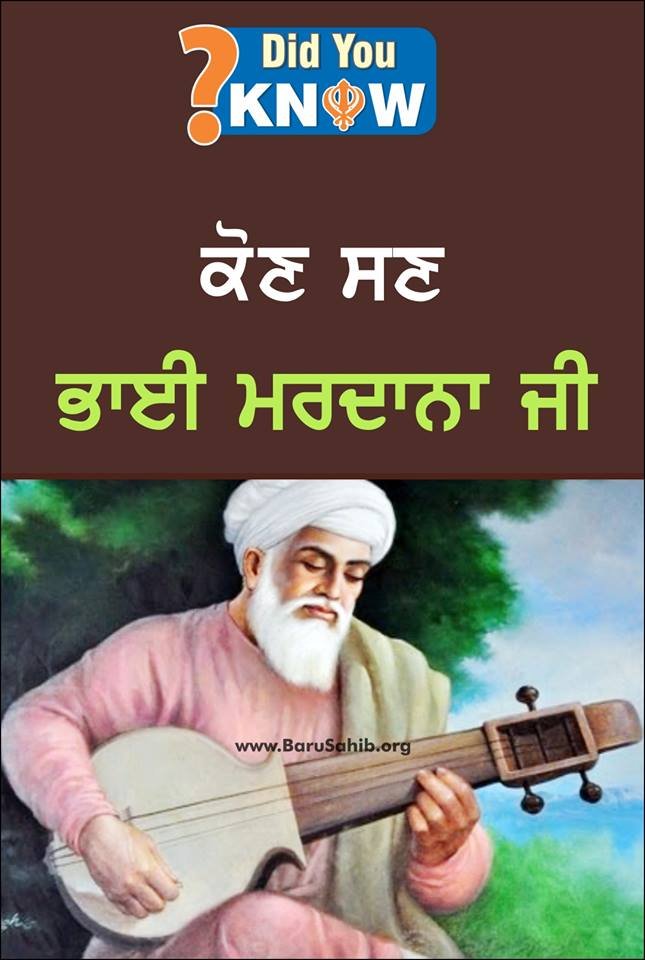
Did You Know Who is Bhai Mardana Ji!

ਭਾਈ ਮਰਦਾਨਾ (1459-1534), ਗੁਰੂ ਨਾਨਕ ਦੇ ਉਹ ਸਾਥੀ ਸਨ ਜਿਸਨੇ ਉਨ੍ਹਾਂ ਦਾ ਸਾਥ ਪੂਰੇ ਸੰਤਾਲੀ ਸਾਲ ਦਿਤਾ। ਭਾਈ ਮਰਦਾਨੇ ਲਈ ਪਹਾੜੀਆਂ ਦੀ ਸਰਦੀ, ਰੇਗਿਸਤਾਨਾਂ ਦੀ ਗਰਮੀ, ਜੰਗਲਾਂ ਵਿੱਚ ਜਾਨਵਰਾਂ ਦਾ ਡਰ, ਉਜਾੜ ਅਤੇ ਵੀਰਾਨੇ ਵਿੱਚ ਭੁੱਖ ਪਿਆਸ ਜਾਂ ਘਰ ਦਾ ਮੋਹ, ਗੁਰੂ ਦਾ ਸਾਥ ਦੇਣ ਵਿੱਚ ਔਕੜ ਨਾ ਬਣੇ। ਗੁਰੂ ਨੇ ਉਸ ਵਿੱਚੋਂ ਪੰਜ ਵਿਕਾਰ-ਕਾਮ, […]

ਭਾਈ ਮਰਦਾਨਾ (1459-1534), ਗੁਰੂ ਨਾਨਕ ਦੇ ਉਹ ਸਾਥੀ ਸਨ ਜਿਸਨੇ ਉਨ੍ਹਾਂ ਦਾ ਸਾਥ ਪੂਰੇ ਸੰਤਾਲੀ ਸਾਲ ਦਿਤਾ। ਭਾਈ ਮਰਦਾਨੇ ਲਈ ਪਹਾੜੀਆਂ ਦੀ ਸਰਦੀ, ਰੇਗਿਸਤਾਨਾਂ ਦੀ ਗਰਮੀ, ਜੰਗਲਾਂ ਵਿੱਚ ਜਾਨਵਰਾਂ ਦਾ ਡਰ, ਉਜਾੜ ਅਤੇ ਵੀਰਾਨੇ ਵਿੱਚ ਭੁੱਖ ਪਿਆਸ ਜਾਂ ਘਰ ਦਾ ਮੋਹ, ਗੁਰੂ ਦਾ ਸਾਥ ਦੇਣ ਵਿੱਚ ਔਕੜ ਨਾ ਬਣੇ। ਗੁਰੂ ਨੇ ਉਸ ਵਿੱਚੋਂ ਪੰਜ ਵਿਕਾਰ-ਕਾਮ, ਕ੍ਰੋਧ, ਲੌਭ, ਮੋਹ ਅਤੇ ਹੰਕਾਰ ਕੱਢ ਕੇ ਪੰਜ ਗੁਣ-ਸਤ ਸੰਤੋਖ ਸਬਰ, ਦਇਆ ਅਤੇ ਧਰਮ ਉਸ ਵਿੱਚ ਭਰ ਦਿੱਤੇ ਸਨ। ਉਸਨੂੰ ਇੱਕ ਸੰਤ ਅਤੇ ਸਾਰਿਆਂ ਦਾ ਭਰਾ ਹੋਣ ਦਾ ਮਾਣ ਬਖਸ਼ ਦਿੱਤਾ ਸੀ।

ਭਾਈ ਮਰਦਾਨੇ ਦਾ ਜਨਮ 1459 ਨੂੰ ਰਾਇ-ਭੋਇ ਦੀ ਤਲਵੰਡੀ ਵਿੱਚ ਹੋਇਆ। ਭਾਈ ਮਰਦਾਨਾ ਗੁਰੂ ਜੀ ਨਾਲੋਂ ਉਮਰ ਵਿੱਚ ਨੌਂ ਸਾਲ ਵੱਡਾ ਸੀ। ਉਸ ਦਾ ਪਿਤਾ, ਮੀਰ ਬਾਦਰੇ ਪਿੰਡ ਦਾ ਮਰਾਸੀ ਸੀ। ਉਨ੍ਹਾਂ ਦਿਨਾਂ ਵਿੱਚ ਕੋਈ ਚਿੱਠੀ ਪਤਰ ਭੇਜਣ ਦਾ ਸਾਧਨ ਨਹੀਂ ਸੀ। ਮਰਾਸੀ ਇਹ ਕੰਮ ਕਰਦੇ ਸਨ। ਪਿੰਡ ਦੇ ਲੋਕਾਂ ਦੇ ਸੁਨੇਹੇ ਉਨ੍ਹਾਂ ਦੇ ਰਿਸ਼ਤੇਦਾਰਾਂ ਨੂੰ ਜਾ ਕੇ ਦਿੰਦੇ ਅਤੇ ਉਨ੍ਹਾਂ ਨੂੰ ਸਭ ਜ਼ਬਾਨੀ ਯਾਦ ਰਖਣਾ ਪੈਂਦਾ ਸੀ। ਉਨ੍ਹਾਂ ਦੀ ਜ਼ਬਾਨ ਉੱਪਰ ਸਭ ਨੂੰ ਯਕੀਨ ਹੁੰਦਾ ਸੀ। ਉਹ ਹਰ ਇੱਕ ਦੇ ਘਰ ਰਹਿ ਸਕਦੇ ਸਨ ਅਤੇ ਹਰ ਇੱਕ ਦੇ ਘਰ ਦਾ ਖਾ ਪੀ ਸਕਦੇ ਸਨ। ਜਮਾਨਾਂ ਨੂੰ ਆਪਣੀ ਇੱਜ਼ਤ ਖਾਤਰ ਉਨ੍ਹਾਂ ਦੀ ਚੰਗੀ ਸੇਵਾ ਕਰਨੀ ਪੈਂਦੀ ਸੀ। ਉਹ ਜਾਂਦੇ ਆਂਉਂਦੇ ਰਹਿੰਦੇ ਸਨ, ਇਸ ਲਈ ਰਸਤੇ ਦੀਆਂ ਤਕਲੀਫਾਂ ਸਹਾਰਨਾ ਉਨ੍ਹਾਂ ਦੀ ਆਦਤ ਬਣ ਚੁਕੀ ਸੀ। ਰਸਤੇ ਵਿੱਚ ਇੱਕਲੇ ਹੋਣ ਕਾਰਣ ਆਪਣਾ ਆਪ ਬਹਿਲਾਉਣ ਲਈ, ਗਾਉਣਾ ਅਤੇ ਵਜਾਉਣਾ ਉਨ੍ਹਾਂ ਦਾ ਇੱਕ ਸ਼ੁਗਲ ਸੀ। ਉਨ੍ਹਾਂ ਦਾ ਆਚਰਣ ਉੱਚਾ ਹੋਣਾ ਸਭ ਤੋਂ ਵੱਡਾ ਗੁਣ ਹੁੰਦਾ ਸੀ।

ਭਾਈ ਮਰਦਾਨੇ ਵਿੱਚ ਆਪਣੇ ਖਾਨਦਾਨ ਦੀਆਂ ਸਾਰੀਆਂ ਚੰਗਿਆਈਆਂ ਹੋਣ ਤੋਂ ਇਲਾਵਾ, ਰਬਾਬ ਵਜਾਉਣ ਦਾ ਖਾਸ ਗੁਣ ਸੀ, ਜਿਸ ਨਾਲ ਉਸ ਨੇ ਗੁਰੂ ਜੀ ਦੀ ਰਚੀ ਬਾਣੀ ਉੱਨ੍ਹੀਂ ਰਾਗਾਂ ਵਿੱਚ ਗਾਇਨ ਕੀਤੀ।

~ Source : Wikipedia

Universal Message of Vaisakhi 1699!

1. Ensuring Dignity and Self-Esteem Infusing a new spirit in a society which was tyrannized for a few centuries of foreign rule. 2. A Code of Conduct The Do’s and Dont’s were codified and prescribed for Sikhs. There is special prohibition on use of drugs, tobacco, alcohal and intoxicants. 3. Universal Brotherhood All Sikh men […]

1. Ensuring Dignity and Self-Esteem
Infusing a new spirit in a society which was tyrannized for a few centuries of foreign rule.

2. A Code of Conduct
The Do’s and Dont’s were codified and prescribed for Sikhs. There is special prohibition on use of drugs, tobacco,
alcohal and intoxicants.

3. Universal Brotherhood
All Sikh men should have Singh and Sikh women to have Kaur as surnames depicting that all were equal, abolishing caste system.

4. Commitment
Sikhs should be committed to the code of conduct and follow universal brotherhood.

5. Qualities Emphasized
Compassion, Dharma, Courage, Discipline and self-respect.

6.Way to Spirituality
Surrender of ego and complete faith in Guru.

7. Social Justice
Defending Human Rights and Protecting the down trodden.

8. Democratic Values
Laying the foundation of democratic values in spiritual life. The Panj Pyaras – five beloveds – were empowered to take decisions and give directions, exactly as the Guru would do.

9. Guru and disciple merge to become one
In 1699, on Baisakhi day, Guru Gobind Singh knelt before the Panj Pyaras and sought blessings of Amrit from them. He was administered Amrit in exactly the same way, as a few minutes earlier, he had beslowed Amrit to Panj Pyaras. The Guru and Sikhs follow the same code of conduct.

Senior Maintenance Staff Officer at HQ Maintenance Command: RKS Shera

Air Marshal Shera was commissioned in Aeronautical Engineering Electronics Branch of Indian Air Force on 05 Jan 1981. He is a Post graduate from IIT Kanpur in Electrical Engineering. He has been trained in Russia on MiG-29 aircraft at the time of fleet induction in 1986. He is an alumnus of prestigious National Defence College […]

Air Marshal Shera was commissioned in Aeronautical Engineering Electronics Branch of Indian Air Force on 05 Jan 1981. He is a Post graduate from IIT Kanpur in Electrical Engineering. He has been trained in Russia on MiG-29 aircraft at the time of fleet induction in 1986. He is an alumnus of prestigious National Defence College (NDC) and Naval War College (NWC).

Air Marshal RKS Shera AVSM VSM takes over as Senior Maintenance Staff Officer at HQ Maintenance Command.

The Air Officer was Assistant Chief of Air Staff (Eng A) at Air HQ before taking over as Dy SMSO and subsequently SMSO at HQ MC IAF, Nagpur. Prior to that, he has held several important command and staff assignments that include SMSO HQ WAC, Command Engineering Officer at HQ EAC, Station Commander TETTRA School, Director MiG-29 Weapon Cell at Air HQ, Chief of Aircraft Production at Base Repair Depot, Inspector in Directorate of Air Staff Inspection (DASI), Chief Engineering Officer of Fighter Base and Instructor at Technical Training school, Botswana (Africa).

He was awarded “Ati Vishisht Seva Medal” in 2014 and “Vishisht Seva Medal” in 1993 by the President of India. He is married to Mrs Jaspreet Shera and they are blessed with a son.

~ Source: Air Force Association India

Simratpal & Harbans are epitomes of how one can stay true to both self and country!

Simratpal Singh, a military officer by profession and a Sikh in his religious faith, has been granted an exemption by the United Armed Forces to abide by both. He can now wear a beard and a turban while serving his country on active duty. Born in India in 1989, Simratpal moved to USA when he […]

Simratpal Singh, a military officer by profession and a Sikh in his religious faith, has been granted an exemption by the United Armed Forces to abide by both. He can now wear a beard and a turban while serving his country on active duty. Born in India in 1989, Simratpal moved to USA when he was 9. His own grandfather served in the British Indian Army in World War I.

Britain’s first turbaned Sikh was a Kenyan Kenya-born Harbans Singh Jabbal (1926-1999) made history for Kenya’s Sikhs – and for the British Sikhs as well – when, as Special Constable, he became the first British Police Officer to wear a turban on duty, 28 January 1970. He had earlier worked as a Detective Chief Inspector in Kenya until 1966 when he emigrated to the United Kingdom following the independence of Kenya and progressive Africanisation policies.

Both Simratpal and Harbans are epitomes of how one can stay true to both self and to country, and without compromising with neither faith nor patriotism. No matter where Sikhs have settled around the world, away from their traditional homeland of Punjab, they have made themselves a part of the society and country of their adoption by playing out their various roles in professions and occupations. Police service, as one of the many other law enforcements, is an area that attracts Sikhs to serve their duty to country, owing to their tradition of being Saint-Soliders in identity. Sikhs are by nature and design champions of peace and righteousness, so it is little wonder why they love to serve and protect, and maintain law and order in community, society and country.

With a rich history of exemplary courage and selfless sacrifice, Sikhs continue to enrol into the Police across every continent on earth. They are not only admired but envied too by one and all.

~ Source: feelthekenyaninyou

A mark of respect towards the 19th century king: Maharaja Ranjit Singh

Henri Prevosat-Allard, Deputy Mayor and in-charge of tourism of Saint-Tropez met Punjab Tourism Minister Sohan Singh Thandal here and invited him to the ceremony, an official release said. Henri Prevosat-Allard is a descendant of General Jean-Fran ois Allard who trained Maharaja Ranjit Singh’s troops, and has announced the step as a mark of respect towards […]

Henri Prevosat-Allard, Deputy Mayor and in-charge of tourism of Saint-Tropez met Punjab Tourism Minister Sohan Singh Thandal here and invited him to the ceremony, an official release said.

Henri Prevosat-Allard is a descendant of General Jean-Fran ois Allard who trained Maharaja Ranjit Singh’s troops, and has announced the step as a mark of respect towards the 19th century king, Thandal said.

A statue of Maharaja Ranjit Singh will be installed in France’s Saint-Tropez town, the birth place of his Army General Jean-Francois Allard, in September this year.

The installation of the statue is a sign off great pride for Punjab, the minister said, adding that it will herald a new epoch of Punjab-France relations and will boost tourism.

Allard will also invite Punjab Chief Minister Parkash Singh Badal to Saint-Tropez on September 17 when the statues of Maharaja Ranjit Singh, General Allard and his wife Bannou Pan Dei will be installed.

In September, the Indian embassy in France will hold also an exhibition on the life of the king.

~ Source: DNA India

Jealousy never takes you to Guru’s heart!

“God, like a mother and father, protects His servant. The face of the jealous is blackened here and hereafter. God heard the prayer of His servant Nanak, And the jealous sinner was destroyed beyond hope.” Guru Ram Das, the fourth Guru of the Sikhs, had three sons. They were Prithia, Mahan Dev and Arjan. Arjan […]

“God, like a mother and father, protects His servant. The face of the jealous is blackened here and hereafter. God heard the prayer of His servant Nanak, And the jealous sinner was destroyed beyond hope.”

Guru Ram Das, the fourth Guru of the Sikhs, had three sons. They were Prithia, Mahan Dev and Arjan. Arjan was the youngest of the three and Prithia was the eldest. Guru Ram Das loved Arjan very much because he always worked hard and spent much of his time at prayer. Prithia did not like this. He though, if the Guru loved Arjan, he would make him the next Guru, so he hated Arjan very much. He was jealous.

Once the Guru sent Arjan to Lahore and asked him not to leave Lahore until he was told to do so. A long time passed and young Arjan received no orders from his father. This made him sad. He thought that his father had forgotten to send his orders. He longed to see his father. One day he wrote him a letter. “As the Chatrik bird (The Cuckoo Hawk of the Punjab) cries for rain drops, so do I cry for a sight of thee, O father,” he wrote. The letter reached Amritsar where Guru Ram Das lived. Unfortunately, it fell into the hands r of jealous Prithia, who did not pass it on to the Guru. Instead, he sent a message to Arjan to stay at Lahore and wait for the Guru’s orders. Arjan got sad than before. After some time Arjan wrote-another letter. “I pine for thee like a Sarang bird who pines for water, O father,” he wrote. Once again Prithia pocketed the letter and did not let it reach the Guru. Arjan again received orders from Prithia in the Guru’s name to stay at Lahore.

After some time, Arjan again wrote a letter and put number 3 on it. He told the messenger to give the letter only to the Guru and to no one else. This time the letter really found its way to the Guru. The Guru at once guessed the meaning of number 3 on the letter. This was the third letter, so he wanted to know what had happened to the first two.

He asked Prithia about them but he said, “I know nothing about them.”

“Are you sure?” asked the Guru.

“Yes, I am. Do you think I am a liar?” replied Prithia.

At this the Guru smiled and sent one of his Sikhs to bring Prithia’s coat from his room. Of course, the two missing letters were found in his pocket. Prithia felt ashamed but still he said, “These are not letters. These are hymns written by me.” “Alright,” said the Guru, and he sent for Arjan from Lahore.

When Arjan came, the Guru also called Prithia before him. He asked them both to sing the fourth hymn to match the three already in his hand. Prithia proved to be a liar as he could not utter a word. Arjan at once sang the fourth stanza, “By good luck I have found the saint, indeed I can see God in my house.” And he completed the whole stanza.
The Guru was so pleased that he embraced Arjan and said. “Only he who is good and great can be the Guru of the Sikhs.” As one candle lights another, so did the greatness of Guru Ram Das pass on to Arjan, who became the fifth Guru of the Sikhs.

Prithia was very angry at the Guru’s decision. He even abused the Guru. But the Guru said, “It is a sin to quarrel with your father. Repeat the Name of God and be a true Sikh.” Finding him still angry, Guru Arjan said, “Dear father, give away everything to him. I need neither a house nor money. I need only the grace of God. He will give me all I need.”

So Guru Arjan left all his worldly goods to the greedy Prithia who was not happy even then. He became the Guru’s enemy. Later he tried to poison Guru Arjan’s son Hargobind but failed. He remained the Guru’s enemy for a long time.

“Only they offer prayers to God Who have the Lord on their side; How can one be jealous of them, When God himself is their Guide?”

~ Source: Sikh Awareness Society

ਸੂਰਬੀਰ ਯੋਧਾ – ਸ਼ਹੀਦ ਬਾਬਾ ਨੌਧ ਸਿੰਘ

ਸਿੱਖ ਕੌਮ ਦਾ ਇਤਿਹਾਸ ਕੁਰਬਾਨੀਆਂ ਨਾਲ ਭਰਿਆ ਪਿਆ ਹੈ। ਦਸਮ ਪਾਤਸ਼ਾਹ ਨੇ ਖਾਲਸਾ ਸਾਜ ਕੇ ਮਹਾਨ ਕਾਰਨਾਮਾ ਕਰ ਦਿਖਾਇਆ। ਉਸ ਖਾਲਸੇ ਵਿਚ ਜ਼ੁਲਮ ਨਾਲ ਟੱਕਰ ਲੈਣ ਦਾ ਜਜ਼ਬਾ ਪੈਦਾ ਕੀਤਾ। ਕਈ ਜ਼ਾਲਮ ਆਏ, ਪਰ ਖਾਲਸੇ ਦਾ ਕੁਝ ਨਾ ਵਿਗਾੜ ਸਕੇ। ਖਾਲਸੇ ਦੇ ਦਲੇਰਾਨਾ ਕਾਰਨਾਮਿਆਂ ਕਰਕੇ ਜ਼ਾਲਮ ਥਰ-ਥਰ ਕੰਬਦੇ ਸਨ। ਐਸੇ ਕਈ ਸਿੰਘ ਖਾਲਸਾ ਫੌਜ ਦੀ […]

ਸਿੱਖ ਕੌਮ ਦਾ ਇਤਿਹਾਸ ਕੁਰਬਾਨੀਆਂ ਨਾਲ ਭਰਿਆ ਪਿਆ ਹੈ। ਦਸਮ ਪਾਤਸ਼ਾਹ ਨੇ ਖਾਲਸਾ ਸਾਜ ਕੇ ਮਹਾਨ ਕਾਰਨਾਮਾ ਕਰ ਦਿਖਾਇਆ। ਉਸ ਖਾਲਸੇ ਵਿਚ ਜ਼ੁਲਮ ਨਾਲ ਟੱਕਰ ਲੈਣ ਦਾ ਜਜ਼ਬਾ ਪੈਦਾ ਕੀਤਾ। ਕਈ ਜ਼ਾਲਮ ਆਏ, ਪਰ ਖਾਲਸੇ ਦਾ ਕੁਝ ਨਾ ਵਿਗਾੜ ਸਕੇ। ਖਾਲਸੇ ਦੇ ਦਲੇਰਾਨਾ ਕਾਰਨਾਮਿਆਂ ਕਰਕੇ ਜ਼ਾਲਮ ਥਰ-ਥਰ ਕੰਬਦੇ ਸਨ। ਐਸੇ ਕਈ ਸਿੰਘ ਖਾਲਸਾ ਫੌਜ ਦੀ ਜਿੰਦ ਜਾਨ ਸਨ, ਜਿਨ੍ਹਾਂ ਵਿਚੋਂ ਬਾਬਾ ਦੀਪ ਸਿੰਘ, ਬਾਬਾ ਨੌਧ ਸਿੰਘ ਤੇ ਬਾਬਾ ਸੇਵਾ ਸਿੰਘ (ਦੋਨੋਂ ਭਰਾ ਸਨ)। ਬਾਬਾ ਨੌਧ ਸਿੰਘ ਦਾ ਜਨਮ 1662 ਈ: ਨੂੰ ਪਿੰਡ ਚੀਚਾ ਜ਼ਿਲ੍ਹਾ ਅੰਮ੍ਰਿਤਸਰ ਵਿਚ ਪਿਤਾ ਬਾਬਾ ਲੱਧਾ ਜੀ ਨੰਬਰਦਾਰ ਦੇ ਘਰ ਹੋਇਆ। ਬਾਬਾ ਸੇਵਾ ਸਿੰਘ ਆਪ ਦੇ ਵੱਡੇ ਭਰਾ ਸਨ।

ਆਪ ਦੋਵਾਂ ਭਰਾਵਾਂ ਨੇ ਪਵਿੱਤਰ ਅੰਮ੍ਰਿਤ ਦੀ ਦਾਤ ਪ੍ਰਾਪਤ ਕੀਤੀ ਤੇ ਅੰਮ੍ਰਿਤ ਦੀ ਦਾਤ ਪ੍ਰਾਪਤ ਕਰਨ ਉਪਰੰਤ ਦੋਵੇਂ ਭਰਾ ‘ਗੁੱਜਰ ਸਿੰਘ ਭੰਗੀ’ ਦੇ ਜਥੇ ਦੇ ਸਰਗਰਮ ਮੈਂਬਰ ਬਣ ਗਏ। 29 ਮਾਰਚ, 1748 ਨੂੰ ਅਕਾਲ ਤਖ਼ਤ ਸਾਹਿਬ ਅੰਮ੍ਰਿਤਸਰ ਵਿਖੇ ਸਰਬੱਤ ਖਾਲਸੇ ਦੇ ਇਕੱਠ ਵਿਚ 65 ਜਥਿਆਂ ਨੂੰ 11 ਮਿਸਲਾਂ ਵਿਚ ਵੰਡਿਆ ਗਿਆ। ਬਾਬਾ ਦੀਪ ਸਿੰਘ ਨੂੰ ਮਿਸਲ ਸ਼ਹੀਦਾਂ ਦਾ ਜਥੇਦਾਰ ਥਾਪਿਆ ਗਿਆ। ਕੁਝ ਸਮੇਂ ਬਾਅਦ ਬਾਬਾ ਨੌਧ ਸਿੰਘ ਨੇ ਆਪਣੀ ਮਿਸਲ ਦੀ ਅਗਵਾਈ ਕਰਦਿਆਂ 5 ਪਿੰਡਾਂ ‘ਤੇ ਕਬਜ਼ਾ ਜਮਾ ਲਿਆ। ਉਸ ਵਕਤ ਬਾਬਾ ਦੀਪ ਸਿੰਘ ਦਮਦਮਾ ਸਾਹਿਬ ਵਿਚ ਸਨ। ਇਧਰ ਬਾਬਾ ਨੌਧ ਸਿੰਘ ਨੇ ਵੀ ਆਪਣੀ ਸਾਰੀ ਜ਼ਿੰਮੇਵਾਰੀ ਆਪਣੇ ਚਾਰ ਸਪੁੱਤਰਾਂ ਬਾਬਾ ਗੁਰਬਖਸ਼ ਸਿੰਘ, ਭਾਗ ਸਿੰਘ, ਆਗਿਆ ਸਿੰਘ ਤੇ ਛੋਟੇ ਬਾਬਾ ਅੱਕਾ ਸਿੰਘ ਨੂੰ ਸੌਂਪ ਕੇ ਆਪ ਬਾਬਾ ਦੀਪ ਸਿੰਘ ਪਾਸ ਦਮਦਮਾ ਸਾਹਿਬ ਚਲੇ ਗਏ। ਬਾਬਾ ਦੀਪ ਸਿੰਘ ਨੇ ਆਪ ਨੂੰ ਆਪਣੇ ਜਥੇ ਦੇ ਮੀਤ ਜਥੇਦਾਰ ਵਜੋਂ ਸੇਵਾ ਸੌਂਪ ਦਿੱਤੀ।

ਉਧਰ ਅਬਦਾਲੀ ਨੇ ਆਪਣੇ ਪੁੱਤਰ ਤੈਮੂਰ ਸ਼ਾਹ, ਜਰਨੈਲ ਜਹਾਨ ਖਾਂ ਅਤੇ ਸਰਬੁਲੰਦ ਖਾਂ ਨੂੰ ਅੰਮ੍ਰਿਤਸਰ ਸਿੱਖਾਂ ਦਾ ਮਲੀਆਮੇਟ ਕਰਨ ਲਈ ਭੇਜਿਆ। ਇਨ੍ਹਾਂ ਦੋਵਾਂ ਨੇ ਆਉਂਦਿਆਂ ਹੀ ਸਿੱਖਾਂ ਨੂੰ ਮੌਤ ਦੇ ਘਾਟ ਉਤਾਰਨਾ ਸ਼ੁਰੂ ਕਰ ਦਿੱਤਾ, ਪਵਿੱਤਰ ਹਰਿਮੰਦਰ ਸਾਹਿਬ ਦੀ ਮਰਿਆਦਾ ਭੰਗ ਕੀਤੀ, ਪਵਿੱਤਰ ਸਰੋਵਰ ਨੂੰ ਮਿੱਟੀ ਨਾਲ ਪੂਰ ਦਿੱਤਾ ਤੇ ਆਪਣੀਆਂ ਮਨਮਾਨੀਆਂ ਕਰਨ ਲੱਗੇ। ਇਹ ਖ਼ਬਰ ਭਾਗ ਸਿੰਘ ਨਿਹੰਗ ਸਿੰਘ ਨੇ ਦਮਦਮਾ ਸਾਹਿਬ ਜਾ ਕੇ ਬਾਬਾ ਦੀਪ ਸਿੰਘ ਨੂੰ ਦੱਸੀ। ਉਸ ਵਕਤ ਬਾਬਾ ਜੀ ਬਾਣੀ ਲਿਖ ਰਹੇ ਸਨ। ਬਾਬਾ ਦੀਪ ਸਿੰਘ ਸਿੰਘਾਂ ਨੂੰ ਇਕੱਠੇ ਕਰਕੇ ਮਾਝੇ ਦੀ ਧਰਤੀ ‘ਤੇ ਪਹੁੰਚ ਗਏ। ਇਹ ਗੱਲ 1757 ਈ: ਦੀ ਹੈ।

ਸਿੰਘਾਂ ਤੇ ਦੁਰਾਨੀਆਂ ਦਾ ਟਾਕਰਾ ਪਿੰਡ ਗੋਹਲਵੜ ਦੇ ਮੈਦਾਨ ਵਿਚ ਹੋਇਆ। ਸਿੰਘ ਤੇ ਦੁਰਾਨੀ ਲੜਦੇ ਹੋਏ ਪਿੰਡ ਚੱਬਾ ਅਤੇ ਪਿੰਡ ਵਰਪਾਲ ਦੀ ਸਾਂਝੀ ਜੂਹ ‘ਚ ਆਹਮੋ- ਸਾਹਮਣੇ ਹੋ ਗਏ। ਬਾਬਾ ਜੀ ਨੂੰ ਵੈਰੀਆਂ ਦੇ ਟਿੱਡੀ ਦਲ ਨੇ ਘੇਰਾ ਪਾ ਲਿਆ। ਅੰਤ ਬਾਬਾ ਜੀ ਧਰਮ ਦੀ ਜੰਗ ਖਾਤਰ ਲੜਦੇ ਹੋਏ ਸ਼ਹੀਦ ਹੋ ਗਏ। ਸ਼ਹੀਦੀ ਵੇਲੇ ਬਾਬਾ ਜੀ ਦੀ ਉਮਰ 95 ਸਾਲ ਸੀ। ਸਿੱਖਾਂ ਦਾ ਵੀ ਬਹੁਤ ਨੁਕਸਾਨ ਹੋਇਆ।

ਨਾਮਵਰ ਸਿੰਘ ਇਸ ਯੁੱਧ ਵਿਚ ਵੈਰੀ ਨਾਲ ਲੋਹਾ ਲੈਂਦੇ ਸ੍ਰੀ ਹਰਿਮੰਦਰ ਸਾਹਿਬ ਦੀ ਪਵਿੱਤਰਤਾ ਲਈ ਸ਼ਹੀਦ ਹੋ ਗਏ। ਇਨ੍ਹਾਂ ਸ਼ਹੀਦ ਸਿੰਘਾਂ ਦੇ ਗੁਰਦੁਆਰੇ ਪਿੰਡ ਚੱਬਾ ਅਤੇ ਪਿੰਡ ਵਰਪਾਲ ਦੀ ਸਾਂਝੀ ਜੂਹ ‘ਚ ਸੁਸ਼ੋਭਿਤ ਹਨ। ਬਾਬਾ ਨੌਧ ਸਿੰਘ ਦਾ ਗੁਰਦੁਆਰਾ (ਸ਼ਹੀਦੀ ਅਸਥਾਨ) ਤਰਨ ਤਾਰਨ ਰੋਡ ਦੇ ਉੱਪਰ ਸਥਿਤ ਹੈ, ਜਿਸ ਦੀ ਸੇਵਾ ਤਰਨਾ ਦਲ ਦੇ ਮੁਖੀ ਜਥੇਦਾਰ ਬਾਬਾ ਮੱਖਣ ਸਿੰਘ ਕਰਵਾ ਰਹੇ ਹਨ। ਜਥੇਦਾਰ ਬਾਬਾ ਗੱਜਣ ਸਿੰਘ ਗੁਰਦੁਆਰਾ ਸਾਹਿਬ ਦੀ ਦੇਖ-ਰੇਖ ਦਾ ਕਾਰਜ ਕਰ ਰਹੇ ਹਨ।

~ Source : Sikhism

Meet the Boneless Man Jaspreet Singh from Ludhiana

#OMGIndia Meet Jaspreet Singh Kalra, India's most flexible asset, aka Rubber Man. Guess what his superpower is?!?

Posted by HISTORY on Monday, March 28, 2016

Meet Jaspreet Singh from Ludhiana , Punjab. His amazing ability to mould his body is a big surprise for even doctors. The Limca Book of Records calls him the Boneless Man. Now he has set his eyes on Guiness Book of World Records to make India proud. Wish him luck.