Instead of Begging, This Elderly Gursikh chooses to Work & live in Contentment!

This 80 yr old Sikh earns his living by sitting outside Gurdwara Chehharta Sahib Punjab with his weighing machine.

Mata Gujjar Kaur Trust Jagraon visited an old Gursikh and offered him financial aid, proper home and also gave him money for his daily expenses.

Astonishingly the Singh refused to take any financial aid offered to help with his daily life because these materialistic things held no meaning or attachment to him.

He said he is blessed enough already to read Gurbani, do simran and remember Akaal Purakh and those are the only blessings he needs.

He chooses contentment over materialistic things. He follows the teachings of Sikh Guru’s in reality.

While we find excuses to find time for simran amidst our busy lives, he makes sure he remembers him despite of having a struggling life.

This 80 Yr Old Gursikh teaches us the True Essence of Sikhism! Live exemplary of Life devoted to Naam Simran!

Dhan Sikhi!

~ Source: Sikh24.com

Another Effort to brings the Remnants of Sikh legacy in Pakistan to the forefront!

เจฌเจšเจพ เจฒเจ“ เจ•เฉ‹เจˆ เจธเจฟเฉฑเจ– เจตเจฟเจฐเจพเจธเจค เจธเฉˆเจจ เจนเฉ‹เฉ›เฉ‡ (เจšเจฐเจจเจœเฉ€เจค เจธเจฟเฉฐเจ˜ เจชเฉฐเจจเฉ‚): ‘เจฌเจšเจพ เจฒเจ“ เจ•เฉ‹เจˆ เจธเจฟเฉฑเจ– เจตเจฟเจฐเจพเจธเจค!’ เจ‡เจน เจ—เฉเจนเจพเจฐ เจชเจฟเจ›เจฒเฉ‡ เจฆเจฟเจจเฉ€เจ‚ เจ‡เฉฐเจ—เจฒเฉˆเจ‚เจก เจคเฉ‹เจ‚ เจ†เจ เจชเฉเจฐเจธเจฟเฉฑเจง เจ‡เจคเจฟเจนเจพเจธเจ•เจพเจฐ เจ…เจคเฉ‡ เจซเจฟเจฒเจฎเจธเจพเฉ› เจฌเฉŒเจฌเฉ€ เจฌเจพเจ‚เจธเจฒ เจจเฉ‡ เจธเจฟเฉฑเจ– เจซเจพเจŠเจ‚เจกเฉ‡เจถเจจ เจ…เจฎเจฐเฉ€เจ•เจพ เจตเฉฑเจฒเฉ‹เจ‚ เจธเจŸเฉˆเจจเจซเฉ‹เจฐเจก เจฏเฉ‚เจจเฉ€เจตเจฐเจธเจฟเจŸเฉ€ เจชเจพเจฒเฉ‹-เจ†เจฒเจŸเฉ‹ เจตเจฟเจ–เฉ‡ เจ‰เจจเฉเจนเจพเจ‚ เจจเจพเจฒ เจ‡เจ• เจฐเฉ‚เจฌเจฐเฉ‚ เจฆเฉŒเจฐเจพเจจ เจฒเจพเจˆเฅค เฉ›เจฟเจ•เจฐเจฏเฉ‹เจ— เจนเฉˆ เจ•เจฟ เจ‡เฉฐเจ—เจฒเฉˆเจ‚เจก เจฆเฉ‡ เจœเฉฐเจฎเจชเจฒ เจฌเฉŒเจฌเฉ€ เจธเจฟเฉฐเจ˜ เจฌเจพเจ‚เจธเจฒ เจจเฉ‡ เจฎเจนเจพเจฐเจพเจœเจพ เจฐเจฃเจœเฉ€เจค […]

เจฌเจšเจพ เจฒเจ“ เจ•เฉ‹เจˆ เจธเจฟเฉฑเจ– เจตเจฟเจฐเจพเจธเจค

เจธเฉˆเจจ เจนเฉ‹เฉ›เฉ‡ (เจšเจฐเจจเจœเฉ€เจค เจธเจฟเฉฐเจ˜ เจชเฉฐเจจเฉ‚): ‘เจฌเจšเจพ เจฒเจ“ เจ•เฉ‹เจˆ เจธเจฟเฉฑเจ– เจตเจฟเจฐเจพเจธเจค!’ เจ‡เจน เจ—เฉเจนเจพเจฐ เจชเจฟเจ›เจฒเฉ‡ เจฆเจฟเจจเฉ€เจ‚ เจ‡เฉฐเจ—เจฒเฉˆเจ‚เจก เจคเฉ‹เจ‚ เจ†เจ เจชเฉเจฐเจธเจฟเฉฑเจง เจ‡เจคเจฟเจนเจพเจธเจ•เจพเจฐ เจ…เจคเฉ‡ เจซเจฟเจฒเจฎเจธเจพเฉ› เจฌเฉŒเจฌเฉ€ เจฌเจพเจ‚เจธเจฒ เจจเฉ‡ เจธเจฟเฉฑเจ– เจซเจพเจŠเจ‚เจกเฉ‡เจถเจจ เจ…เจฎเจฐเฉ€เจ•เจพ เจตเฉฑเจฒเฉ‹เจ‚ เจธเจŸเฉˆเจจเจซเฉ‹เจฐเจก เจฏเฉ‚เจจเฉ€เจตเจฐเจธเจฟเจŸเฉ€ เจชเจพเจฒเฉ‹-เจ†เจฒเจŸเฉ‹ เจตเจฟเจ–เฉ‡ เจ‰เจจเฉเจนเจพเจ‚ เจจเจพเจฒ เจ‡เจ• เจฐเฉ‚เจฌเจฐเฉ‚ เจฆเฉŒเจฐเจพเจจ เจฒเจพเจˆเฅค เฉ›เจฟเจ•เจฐเจฏเฉ‹เจ— เจนเฉˆ เจ•เจฟ เจ‡เฉฐเจ—เจฒเฉˆเจ‚เจก เจฆเฉ‡ เจœเฉฐเจฎเจชเจฒ เจฌเฉŒเจฌเฉ€ เจธเจฟเฉฐเจ˜ เจฌเจพเจ‚เจธเจฒ เจจเฉ‡ เจฎเจนเจพเจฐเจพเจœเจพ เจฐเจฃเจœเฉ€เจค เจธเจฟเฉฐเจ˜ เจธเจฎเฉ‡เจ‚ เจฆเฉ‡ เจธเจฟเฉฑเจ– เจ‡เจคเจฟเจนเจพเจธ เจฆเฉ€ เจญเจฐเจชเฉ‚เจฐ เจ–เฉ‹เจœ เจ•เจฐ เจ•เฉ‡ เจฌเจนเฉเจค เจธเจพเจฐเฉ€เจ†เจ‚ เจฆเฉเจฐเจฒเจญ เจจเจฟเจถเจพเจจเฉ€เจ†เจ‚ เจคเฉ‡ เจ˜เจŸเจจเจพเจตเจพเจ‚ เจฆเฉ€ เจจเจฟเจถเจพเจจเจฆเฉ‡เจนเฉ€ เจ•เจฐ เจตเจฟเจ–เจพเจˆ เจนเฉˆเฅค

เจฎเจนเจพเจฐเจพเจœเจพ เจฐเจฃเจœเฉ€เจค เจธเจฟเฉฐเจ˜ เจธเจฎเฉ‡เจ‚ เจฆเฉ€เจ†เจ‚ เจ‡เจคเจฟเจนเจพเจธเจ• เจจเจฟเจถเจพเจจเฉ€เจ†เจ‚/เจฒเฉฑเจญเจคเจพเจ‚ เจฌเจพเจฐเฉ‡ เจ—เฉ‹เจถเจŸเฉ€ เจตเจฟเจš เจตเจฟเจฐเจพเจธเจค เจธเฉฐเจญเจพเจฒ เจฏเจคเจจเจพเจ‚ เจฌเจพเจฐเฉ‡ เจจเจฟเจ˜เจพเจฐ เจฆเฉ€ เจ—เฉฑเจฒ เจ•เจฐเจฆเจฟเจ†เจ‚ เจ‰เจจเฉเจนเจพเจ‚ เจ•เจฟเจนเจพ, ‘เจฌเจšเจพ เจฒเจ“ เจ•เฉ‹เจˆ เจธเจฟเฉฑเจ– เจตเจฟเจฐเจพเจธเจค!’ เจ‰เจจเฉเจนเจพเจ‚ เจฆเฉฑเจธเจฟเจ† เจ•เจฟ เจœเจฟเฉฑเจฅเฉ‡ เจนเฉเจฃ เจญเจพเจฐเจค, เจชเฉฐเจœเจพเจฌ เจคเฉ‹เจ‚ เจฒเฉ‹เจ• เจฐเฉเฉ›เจ—เจพเจฐ เจตเจพเจธเจคเฉ‡ เจฌเจพเจนเจฐเจฒเฉ‡ เจฆเฉ‡เจถเจพเจ‚ เจจเฉ‚เฉฐ เจฆเฉŒเฉœเจฆเฉ‡ เจฐเจนเฉ‡ เจนเจจ, เจ‰เจฅเฉ‡ เจฎเจนเจพเจฐเจพเจœเจพ เจฐเจฃเจœเฉ€เจค เจธเจฟเฉฐเจ˜ เจฆเฉ‡ เจถเจพเจธเจจ เจ•เจพเจฒ เจตเฉ‡เจฒเฉ‡ เจฆเฉ‚เจฐ เจฆเฉเจฐเจพเจกเจฟเจ“เจ‚ เจฐเฉเฉ›เจ—เจพเจฐ เจตเจพเจธเจคเฉ‡ เจฏเจพเจคเจฐเฉ€ เจ‰เจธ เจฆเฉ‡ เจฆเจฐเจฌเจพเจฐ เจตเจฟเจš เจชเฉเฉฑเจœเจฆเฉ‡ เจคเฉ‡ เจจเฉŒเจ•เจฐเฉ€ เจ•เจฐเจฆเฉ‡ เจฐเจนเฉ‡ เจนเจจเฅค เจ‰เจธ เจฆเฉ‡ เจฆเจฐเจฌเจพเจฐ เจตเจฟเจš เจ…เจฎเจฐเฉ€เจ•เจพ, เจนเจพเจฒเฉˆเจ‚เจก, เจชเจฐเจถเฉ€เจ†, เจฏเฉ‚เจจเจพเจจ, เจธเจชเฉ‡เจจ, เจนเจพเจฒเฉˆเจ‚เจก เจ†เจฆเจฟ เจคเฉ‹เจ‚ เจฒเฉ‹เจ• เจจเฉŒเจ•เจฐเฉ€ เจ•เจฐเจฆเฉ‡ เจฐเจนเฉ‡เฅค เจธ. เจฌเจพเจ‚เจธเจฒ เจจเฉ‡ เจชเจนเจฟเจฒเจพเจ‚ เจฆเฉ‹ เจชเฉเจธเจคเจ•เจพเจ‚ ‘เจฆเจพ เจ•เฉ‹เจฐเจŸ เจ†เจซ เจฒเจพเจนเฉŒเจฐ’ เจ…เจคเฉ‡ ‘เจฆเจพ เจฒเจพเจ‡เจจเฉ› เจซเจฐเฉฐเจ—เฉ€เฉ›… เจฏเฉ‚เจฐเจชเฉ€เจจเฉ› เจเจŸ เจฆเจพ เจ•เฉ‹เจฐเจŸ เจ†เจซ เจฒเจพเจนเฉŒเจฐ’ เจ›เจชเจตเจพเจˆเจ†เจ‚ เจนเจจ เจœเจฟเจจเฉเจนเจพเจ‚ เจฆเจพ เจตเจฟเจถเจต เจญเจฐ เจตเจฟเจš เจธเจตเจพเจ—เจค เจ•เฉ€เจคเจพ เจ—เจฟเจ† เจนเฉˆเฅค เจ‡เจธ เจ‰เจชเจฐเฉฐเจค ‘เจฆเจพ เจธเจฟเฉฑเจ–เจธ เจ†เจซ เจ•เจพเจฌเจฒ’ เจธเจฎเฉ‡เจค เจ‰เจจเฉเจนเจพเจ‚ เจฆเฉ€เจ†เจ‚ เจ•เจˆ เจฆเจธเจคเจพเจตเฉ‡เฉ›เฉ€ เจซเจฟเจฒเจฎเจพเจ‚ เจตเฉ€ เจฆเจฐเจถเจ•เจพเจ‚ เจจเฉ‡ เจฌเจนเฉเจค เจชเจธเฉฐเจฆ เจ•เฉ€เจคเฉ€เจ†เจ‚ เจนเจจเฅค เจ‰เจจเฉเจนเจพเจ‚ เจจเฉ‚เฉฐ เจชเฉ‡เจถเจพเจตเจฐ, เจฒเจพเจนเฉŒเจฐ, เจ…เฉฐเจฎเฉเจฐเจฟเจคเจธเจฐ, เจชเจŸเจฟเจ†เจฒเจพ เจธเจฎเฉ‡เจค เจชเจพเจ•เจฟเจธเจคเจพเจจ เจคเฉ‡ เจญเจพเจฐเจค เจฆเฉ€เจ†เจ‚ เจ•เจˆ เจฏเฉ‚เจจเฉ€เจตเจฐเจธเจฟเจŸเฉ€เจ†เจ‚ เจตเจฟเจš เจ—เจฟเจ†เจจ เจญเจฐเจชเฉ‚เจฐ เจญเจพเจถเจฃ เจฆเฉ‡เจฃ เจฆเจพ เจฎเฉŒเจ•เจพ เจฎเจฟเจฒเจฟเจ† เจนเฉˆเฅค

เจ‡เจธ เจฎเฉŒเจ•เฉ‡ เจชเฉเจฐเจธเจฟเฉฑเจง เจธเจฟเฉฑเจ– เจตเจฟเจ—เจฟเจ†เจจเฉ€ (เจซเจพเจฆเจฐ เจ†เจซ เจซเจพเจˆเจฌเจฐ เจ†เจชเจŸเจฟเจ•) เจกเจพ. เจจเจฐเจฟเฉฐเจฆเจฐ เจธเจฟเฉฐเจ˜ เจ•เจชเจพเจจเฉ€ เจตเฉฑเจฒเฉ‹เจ‚ เจธเจฟเฉฑเจ– เจ‡เจคเจฟเจนเจพเจธ เจฆเฉ€ เจธเฉฐเจญเจพเจฒ เจฒเจˆ เจฆเจฟเฉฑเจคเฉ‡ เจ—เจ เจฒเฉฑเจ–เจพเจ‚ เจกเจพเจฒเจฐเจพเจ‚ เจฌเจพเจฐเฉ‡ เจšเจฐเจšเจพ เจ•เฉ€เจคเฉ€ เจ—เจˆเฅค เฉ›เจฟเจ•เจฐเจฏเฉ‹เจ— เจนเฉˆ เจ•เจฟ เจ‰เจจเฉเจนเจพเจ‚ เจฎเจนเจพเจฐเจพเจœเจพ เจฐเจฃเจœเฉ€เจค เจธเจฟเฉฐเจ˜ เจจเจพเจฒ เจธเจฌเฉฐเจงเจค เจฌเจนเฉเจค เจฆเฉเจฐเจฒเจญ เจจเจฟเจถเจพเจจเฉ€เจ†เจ‚ เจฎเจนเจฟเฉฐเจ—เฉ€ เจจเจฟเจฒเจพเจฎเฉ€ เจตเจฟเจš เจ–เจฐเฉ€เจฆเฉ€เจ†เจ‚ เจนเฉ‹เจˆเจ†เจ‚ เจนเจจ, เจœเจฟเจจเฉเจนเจพเจ‚ เจตเจฟเจšเฉ‹เจ‚ เจฆเฉ‹ เจฎเฉเฉฐเจฆเฉ€เจ†เจ‚, เจธเจฟเจฐเจ•เฉ‹เจช เจคเฉ‡ เจ‡เจ• เจธเฉŒ เจนเฉ‹เจฐ เจตเจธเจคเจพเจ‚ เจธเฉˆเจจ เจซเจฐเจพเจ‚เจธเจฟเจธเจ•เฉ‹ เจฆเฉ‡ ‘เจเจถเฉ€เจ…เจจ เจ†เจฐเจŸ เจฎเจฟเจŠเฉ›เฉ€เจ…เจฎ’ เจ—เฉˆเจฒเจฐเฉ€ เจตเจฟเจš ‘เจธเจคเจฟเฉฐเจฆเจฐ เจ•เฉŒเจฐ เจ•เจชเจพเจจเฉ€ เจ•เฉเจฒเฉˆเจ•เจถเจจ’ เจจเฉเจฎเจพเจ‡เจถ เจตเจฟเจš เจ†เจชเจฃเฉ€ เจชเจคเจจเฉ€ เจจเฉ‚เฉฐ เจธเจฎเจฐเจชเจฟเจค เจ•เฉ€เจคเฉ€เจ†เจ‚ เจนเจจเฅค เจ‰เจจเฉเจนเจพเจ‚ เจ‡เจธ เจ†เจฐเจŸ เจ—เฉˆเจฒเจฐเฉ€ เจจเฉ‚เฉฐ 1999 เจตเจฟเจš เจชเฉฐเจœ เจฒเฉฑเจ– เจกเจพเจฒเจฐ เจฆเฉ‡ เจ•เฉ‡ เจธเจฟเฉฑเจ– เจฏเจพเจฆเจ—เจพเจฐเจพเจ‚ เจถเจพเจฎเจฒ เจ•เจฐเจจ เจฒเจˆ เจนเจฟเฉฑเจธเจพ เจชเจพเจ‡เจ† เจธเฉ€เฅค เจนเฉเจฃ เจตเฉ€ เจ‰เจจเฉเจนเจพเจ‚ เจฆเฉ€เจ†เจ‚ เจฆเจฟเฉฑเจคเฉ€เจ†เจ‚ เจ‡เจน เจ•เฉ€เจฎเจคเฉ€ เจฆเฉเจฐเจฒเจญ เจตเจธเจคเจพเจ‚ เจ‰เจฅเฉ‡ เจชเจˆเจ†เจ‚ เจนเจจ เจชเจฐ เจฆเจฐเจถเจ•เจพเจ‚ เจฆเจพ เจธเจพเจฐเจฅเจฟเจ• เจนเฉเฉฐเจ—เจพเจฐเจพ เจจเจพ เจฎเจฟเจฒเจฃ เจ•เจฐเจ•เฉ‡ เจ‡เจจเฉเจนเจพเจ‚ เจฆเฉ€ เจฌเฉ‡เจ•เจฆเจฐเฉ€ เจนเฉ‹ เจฐเจนเฉ€ เจนเฉˆเฅค เจกเจพ. เจจเจฐเจฟเฉฐเจฆเจฐ เจ•เจชเจพเจจเฉ€ เจจเฉ‡ เจนเจฐ เจ†เจฎ เจ–เจพเจธ เจจเฉ‚เฉฐ เจฌเฉ‡เจจเจคเฉ€ เจ•เฉ€เจคเฉ€ เจนเฉˆ เจ•เจฟ เจ‰เจน เจธเฉˆเจจ เจซเจฐเจพเจ‚เจธเจฟเจธเจ•เฉ‹ เจœเจพเจฃ เจธเจฎเฉ‡เจ‚ เจ‡เจธ เจฎเจŠเฉ›เฉ€เจ…เจฎ เจตเจฟเจš เจธเจฟเฉฑเจ– เจ†เจฐเจŸ เจฆเฉ‡ เจฆเจฐเจถเจจ เฉ›เจฐเฉ‚เจฐ เจ•เจฐเจจเฅค เจกเจพ. เจฆเจฒเจตเฉ€เจฐ เจธเจฟเฉฐเจ˜ เจชเฉฐเจจเฉ‚ เจจเฉ‡ ‘เจ‰เจšเฉ‡ เจฌเฉเจฐเจœ เจฒเจพเจนเฉŒเจฐ เจฆเฉ‡’ เจจเจพเจฎเฉ€เจ‚ เจ†เจชเจฃเฉ‡ เจธเจซเจฐเจจเจพเจฎเฉ‡ เจตเจฟเจšเฉ‹เจ‚ เจšเฉ‹เจฃเจตเฉ€เจ†เจ‚ เจฏเจพเจฆเจ—เจพเจฐเจพเจ‚ เจคเจธเจตเฉ€เจฐเจพเจ‚ เจธเฉฐเจ— เจชเฉ‡เจถเจ•เจพเจฐเฉ€ เจ•เจฐ เจ•เฉ‡ เจธเจฟเฉฑเจ– เจตเจฟเจฐเจพเจธเจค เจฆเฉ€ เจตเจฟเจ—เฉœ เจฐเจนเฉ€ เจนเจพเจฒเจพเจค เจฌเจพเจฐเฉ‡ เจฆเฉฑเจธเจฟเจ† เจคเฉ‡ เจœเฉ‹เจฐ เจฆเจฟเฉฑเจคเจพ เจ•เจฟ เจธเจฟเฉฑเจ– เจฏเจพเจคเจฐเฉ‚ เจ—เฉเจฐเจฆเฉเจ†เจฐเจฟเจ†เจ‚ เจฆเฉ‡ เจฆเจฐเจถเจจ เจ•เจฐเจจ เจฆเฉ‡ เจจเจพเจฒ เจ‡เจจเฉเจนเจพเจ‚ เจ‡เจคเจฟเจนเจพเจธเจ• เจ‡เจฎเจพเจฐเจคเจพเจ‚ เจฆเฉ€ เจตเฉ€ เจธเจพเจฐ เจฒเฉˆเจฃเฅค

Source- Punjab Times

Prof Gurindar Singh received World’s Most Prestigious Honour in the field of Computers!

Gurinder Singh received a Ph.D in Electrical and Computer Engineering from the University of Illinois, and has been a faculty member at the University of Wisconsin-Madison since 1985. He is currently the John P. Morgridge Professor and the E. David Cronon Professor of Computer Sciences in the Computer Sciences and Electrical and Computer Engineering departments. […]

Gurinder Singh received a Ph.D in Electrical and Computer Engineering from the University of Illinois, and has been a faculty member at the University of Wisconsin-Madison since 1985. He is currently the John P. Morgridge Professor and the E. David Cronon Professor of Computer Sciences in the Computer Sciences and Electrical and Computer Engineering departments. He served as the Department Chair of the Computer Sciences department from 2004 through 2008.

Singh’s research has been in the design of high-performance computer systems. He has co-authored several papers and patents that have influenced both researchers and commercial microprocessors. In the mid 1980s, while most computer architects were investigating in-order processors, he investigated out-of-order processors. His paper “Instruction Issue Logic for High-Performance, Interruptible Pipelined Processors” (in ISCA 1987) articulated a model for a dynamically scheduled processor supporting precise exceptions, a model that was widely adopted by several microprocessor manufacturers.

His paper “High Bandwidth Data Memory Systems for Superscalar Processors” (in ASPLOS 1991) argued for non-blocking (or lockup-free) caches, and was instrumental in influencing high-end microprocessors to switch from blocking to non-blocking caches. In the early 1990s while other computer architects started investigating out-of-order processors he proposed the concept of multiscalar processors and thread-level speculation in his papers “The Expandable Split Window Paradigm for Exploiting Fine-Grain Parallelism” (in ISCA 1992) and “Multiscalar Processors” (in ISCA 1995). Thread-level speculation and its variants are currently one of the most active areas of research in computer architecture.

His paper “Dynamic Speculation and Synchronization of Data Dependences” (in ISCA 1997) introduced the idea of memory dependence prediction, an idea that was used in the Alpha processor designs and is being considered by others. His paper “Dynamic Instruction Reuse” (in ISCA 1997) proposed the concept of instruction reuse, another area of active research. He and his students also had the first academic proposal for trace caches. Singh’s research group also developed the Simplescalar simulator, a simulation toolset that is widely used for research and instruction.

Singh has interacted heavily with industry. Over the years he has discussed his research with architects and given talks in design groups at most of the leading microprocessor manufacturers, including Digital Equipment, HaL, Hewlett-Packard, IBM, Intel, MIPS, Motorola, Silicon Graphics, and Sun Microsystems.

He edited “25 Years of the International Symposium on Computer Architecture – Selected Papers” published by ACM, and recently co-edited (with Mark Hill and Norm Jouppi) “Readings in Computer Architecture” published by Morgan Kaufmann Publishers.

Singh has graduated 18 Ph.D students, many of whom currently hold academic positions at leading research universities (Illinois, Maryland, Michigan, Pennsylvania, Purdue, and Toronto). They include six winners of NSF CAREER awards and a winner of a Sloan Research Fellowship. He continues to lead a research group investigating different models for speculative multithreading, approximate programs, value communication prediction, chip multiprocessing, and other innovations for future microprocessors.

He received the 1999 ACM SIGARCH Maurice Wilkes award “for seminal contributions in the areas of high issue rate processors and instruction level parallelism”. At the University of Wisconsin he was selected as a Vilas Associate in 1997, won the WARF Kellett Mid-Career Faculty Researcher award in 2000 and was selected a WARF Named Professor (E. David Cronon Professor of Computer Sciences) in 2007. He is a Fellow of the ACM and a Fellow of the IEEE and a member of the National Academy of Engineering.

~ Source: cs.wisc.edu

Guru Har Rai Sahib Jiโ€™s Divine Love with Nature

Guru Har Rai was a nature lover and he instilled a vision among his followers to care for and to live in harmony with nature and other living beings. The story of love with nature began when Guru Har Rai as a young boy accidentally battered a flower in his garden with his gown. He […]

Guru Har Rai was a nature lover and he instilled a vision among his followers to care for and to live in harmony with nature and other living beings.

The story of love with nature began when Guru Har Rai as a young boy accidentally battered a flower in his garden with his gown. He was deeply hurt at this incident and never plucked any flower or leaf in his whole life instead he became an intense lover and preserver of nature. He began a medicinal herb garden known as called Naulakha Baagh.

Sikhs around the world would be taking pledge to protect the environment and follow the principle of โ€œPawan Guru, Pani Pita, Mata Dharat Mahatโ€ as enshrined in Gurbani aiming to create awareness about nature conservation. Guru Har Rai is remembered in Sikh history for his deep sensitivity to nature and its preservation.

He was a great humanitarian who inspired Sikhs to preserve nature and promote the well-being of animals.

โ€œItโ€™s our moral duty to protect mother nature from the pollutants and not to let anyone plunder the natural resources, besides we should teach others to do the same,โ€ said Baba Sewa Singh Karsewawale and an environmentalist. He said every Sikh should take the initiative to keep surroundings clean and green.

How did Guru Har Rai Ji rescued the life of Shah Jahan’s Eldest Son!

History tells of how when Dara Shiko (the son of Shahjahan the Emperor of India) was poisoned with tigerโ€™s whiskers by his own brother Aurangzeb, the royal family begged for medicinal herbs from the Guru Har Raiโ€™s medicinal garden. The medicines included cloves and 100 grams of Harar (termininalia chebula; known in Ayurvedic medicine as […]

History tells of how when Dara Shiko (the son of Shahjahan the Emperor of India) was poisoned with tigerโ€™s whiskers by his own brother Aurangzeb, the royal family begged for medicinal herbs from the Guru Har Raiโ€™s medicinal garden.

The medicines included cloves and 100 grams of Harar (termininalia chebula; known in Ayurvedic medicine as Aralu and credited with having laxative and stomachic properties).

To these ingredients, Guru ji added a pearl called Jagmoti which was to be ground and used as a subsidiary remedy. When his son was healed, the Emperor was naturally very pleased and forgot all his enmity with the Guru, and vowed that he would never again cause him annoyance.

Donald Trump ridicules Turban & humiliates a SIKH during his Rally!

A Sikh protester was evicted from one of Republican frontrunner Donald Trumpโ€™s election rallies in Iowa on Sunday after he held up a placard that said โ€œSTOP HATEโ€. The man, sporting a red turban, held up the placard when Trump was speaking of 9/11, according to media reports. โ€œWe have radical Islamic terror going on […]

A Sikh protester was evicted from one of Republican frontrunner Donald Trumpโ€™s election rallies in Iowa on Sunday after he held up a placard that said โ€œSTOP HATEโ€.

The man, sporting a red turban, held up the placard when Trump was speaking of 9/11, according to media reports. โ€œWe have radical Islamic terror going on all over the place, all over the world, and we have a president that wonโ€™t say it,โ€ he said.

โ€œWhen planes fly into the World Trade Center, and into the Pentagon, and wherever the third plane was going. When people are shooting their friends in California, when theyโ€™re shooting their friends…โ€

As the Sikh man raised his banner, Trump waved his hand and said, โ€œBye. Bye. Goodbye.โ€

Shortly after the San Bernardino shooting, Trump called for temporarily banning non-American Muslims from entering the country, for which he was criticized even by his party.

But what the Republican frontrunner said after the protestor was evicted would probably worry the community more: โ€œHe wasnโ€™t wearing one of those hats, was he? Was he wearing one of those?โ€

Trump didnโ€™t expand on it, but the given the context, the expression โ€œone of those hatsโ€ probably meant the headgear used by West Asian men.

Some Americans canโ€™t tell this headgear from the turbans that Sikhs wear and that has cost at least one Sikh man his life โ€” Balbir Singh Sodhi, a gas station owner who was killed within days of the 9/11 attacks after being mistaken for a West Asian.

A white supremacist gunned down six Sikhs at a gurdwara in Wisconsin in 2012. His reasons for targeting them were never clear, other than that he had spoken of a โ€œracial holy warโ€.

In recognition of the lack of awareness among Americans about their religion, the Sikh community has tried to reach out. The Sikh Coalition, an advocacy group, runs a section on its website on turbans: โ€œArab turbans are wrapped differently and have a very different style that (is) almost never seen in the United States. Remember that in America, 99% of the people you see wearing a turban will be Sikh.

~ Source: HindustanTimes

If you see someone wearing a turban and you are not sure if they are Sikh or not, ask them!โ€

เจธเจฟเจ•เฉเจฒเจพเจ—เจฐเจพเจ‚ เจคเฉ‡ เจชเฉ€. เจเจš. เจกเฉ€. เจชเฉเจฐเจพเจชเจค เจ•เจฐเจจ เจตเจพเจฒเฉ€ เจฆเฉ‡เจธเจผ เจฆเฉ€ เจชเจนเจฟเจฒเฉ€ เจธเจฟเฉฑเจ– เจฒเจกเจผเจ•เฉ€ เจกเจพ: เจนเจฐเจชเฉเจฐเฉ€เจค เจ•เฉŒเจฐ เจ–เฉเจฐเจพเจฃเจพ

‘เจธเจฟเจ•เจฒเฉ€เจ—เจฐ เจธเจฟเจ–เจพเจ‚ เจจเฉ‚เฉฐ เจชเฉ‚เจฐเฉ‡ เจฆเฉ‡เจธเจผ ‘เจš เจ‡เจ•เฉ‹ เจœเจฟเจนเจพ เจฆเจฐเจœเจพ เจฎเจฟเจฒเฉ‡’ – เจกเจพ: เจ–เฉเจฐเจพเจฃเจพ เจ‡เฉฐเจฆเฉ‹เจฐ,14 เจจเจตเฉฐเจฌเจฐ (เจธเจผเฉˆเจฐเฉ€) – เจธเจฎเจพเจœ เจฆเจพ เจ‡เจ• เจ…เจฃเจ—เฉ‹เจฒเจฟเจ† เจนเจฟเฉฑเจธเจพ เจธเจฟเจ•เจฒเฉ€เจ—เจฐ เจตเฉ€ เจนเจจ, เจœเฉ‹ เจ—เฉเจฐเฉ‚ เจจเจพเจจเจ• เจจเจพเจฎ เจฒเฉ‡เจตเจพ เจนเจจ, เจชเจฐ เจธเจฟเฉฑเจ– เจธเจฎเจพเจœ เจฆเฉ€เจ†เจ‚ เจธเจผเฉเจฐเฉ‹เจฎเจฃเฉ€ เจธเฉฐเจธเจฅเจพเจตเจพเจ‚ เจตเจฒเฉ‹เจ‚ เจ‰เจจเจพเจ‚ เจฆเฉ€ เจธเฉฐเจญเจพเจฒ เจคเฉ‡ เจตเจฟเจ•เจพเจธ เจฒเจˆ เจ•เฉ‹เจˆ เจฆเฉ‚เจฐเจ—เจพเจฎเฉ€ เจฏเฉ‹เจœเจจเจพ เจจเจนเฉ€เจ‚ เจฌเจฃเจพเจˆ เจ—เจˆ| เจธเจผเฉเจฐเฉ€ เจ—เฉเจฐเฉ‚ เจ—เฉ‹เจฌเจฟเฉฐเจฆ เจธเจฟเฉฐเจ˜ เจœเฉ€ […]

‘เจธเจฟเจ•เจฒเฉ€เจ—เจฐ เจธเจฟเจ–เจพเจ‚ เจจเฉ‚เฉฐ เจชเฉ‚เจฐเฉ‡ เจฆเฉ‡เจธเจผ ‘เจš เจ‡เจ•เฉ‹ เจœเจฟเจนเจพ เจฆเจฐเจœเจพ เจฎเจฟเจฒเฉ‡’ – เจกเจพ: เจ–เฉเจฐเจพเจฃเจพ

เจ‡เฉฐเจฆเฉ‹เจฐ,14 เจจเจตเฉฐเจฌเจฐ (เจธเจผเฉˆเจฐเฉ€) – เจธเจฎเจพเจœ เจฆเจพ เจ‡เจ• เจ…เจฃเจ—เฉ‹เจฒเจฟเจ† เจนเจฟเฉฑเจธเจพ เจธเจฟเจ•เจฒเฉ€เจ—เจฐ เจตเฉ€ เจนเจจ, เจœเฉ‹ เจ—เฉเจฐเฉ‚ เจจเจพเจจเจ• เจจเจพเจฎ เจฒเฉ‡เจตเจพ เจนเจจ, เจชเจฐ เจธเจฟเฉฑเจ– เจธเจฎเจพเจœ เจฆเฉ€เจ†เจ‚ เจธเจผเฉเจฐเฉ‹เจฎเจฃเฉ€ เจธเฉฐเจธเจฅเจพเจตเจพเจ‚ เจตเจฒเฉ‹เจ‚ เจ‰เจจเจพเจ‚ เจฆเฉ€ เจธเฉฐเจญเจพเจฒ เจคเฉ‡ เจตเจฟเจ•เจพเจธ เจฒเจˆ เจ•เฉ‹เจˆ เจฆเฉ‚เจฐเจ—เจพเจฎเฉ€ เจฏเฉ‹เจœเจจเจพ เจจเจนเฉ€เจ‚ เจฌเจฃเจพเจˆ เจ—เจˆ| เจธเจผเฉเจฐเฉ€ เจ—เฉเจฐเฉ‚ เจ—เฉ‹เจฌเจฟเฉฐเจฆ เจธเจฟเฉฐเจ˜ เจœเฉ€ เจฆเฉ€ เจซเฉŒเจœ เจตเจฟเจš เจธเจผเจธเจผเจคเจฐ เจฌเจฃเจพเจ‰เจฃ เจฆเฉ€ เจธเฉ‡เจตเจพ เจ•เจฐเจฆเจฟเจ†เจ‚ เจ‰เจชเจฐเฉฐเจค เจฌเฉฐเจฆเจพ เจธเจฟเฉฐเจ˜ เจฌเจนเจพเจฆเจฐ เจซเฉ‡เจฐ เจฎเจนเจพเจฐเจพเจœเจพ เจฐเจฃเจœเฉ€เจค เจธเจฟเฉฐเจ˜ เจฆเฉ‡ เจธเจฎเฉ‡เจ‚ เจŠเจจเจพเจ‚ เจฒเฉฐเจฌเจพ เจธเจฎเจพเจ‚ เจ•เฉŒเจฎ เจฆเฉ€ เจธเฉ‡เจตเจพ เจตเจฟเจš เจฒเจ—เจพเจ‡เจ†| เจธเจฟเฉฑเจ– เจธเจฎเจพเจœ เจฒเจˆ เจ‡เจน เจฌเจกเจผเฉ‡ เจฎเจพเจฃ เจตเจพเจฒเฉ€ เจ—เฉฑเจฒ เจนเฉˆ เจ•เจฟ เจญเฉ‹เจชเจพเจฒ เจฆเฉ€ เจกเจพ: เจนเจฐเจชเฉเจฐเฉ€เจค เจ•เฉŒเจฐ เจ–เฉเจฐเจพเจฃเจพ เจจเฉ‡ เจธเจฟเจ•เจฒเฉ€เจ—เจฐเจพเจ‚ เจคเฉ‹ เจชเฉ€. เจเจš. เจกเฉ€. เจ•เจฐเจ•เฉ‡ เจŠเจจเจพเจ‚ เจฆเฉ‡ เจœเฉ€เจตเจจ เจฆเฉ‡ เจตเฉฑเจ– เจตเฉฑเจ– เจชเจนเจฟเจฒเฉ‚เจ†เจ‚ เจจเฉ‚เฉฐ เจธเจฎเจพเจœ เจฆเฉ‡ เจธเจพเจนเจฎเจฃเฉ‡ เจฒเจฟเจ†เจ‚เจฆเจพ เจนเฉˆ|

เจฌเจฐเจ•เจคเจ‰เจฒเจพ เจฏเฉ‚เจจเจฟเจตเจฐเจธเจฟเจŸเฉ€ เจญเฉ‹เจชเจพเจฒ เจจเฉ‡ เจธเฉ‹เจธเจผเจฒ เจธเจพเจ‡เฉฐเจธ เจตเจฟเจธเจผเฉ‡ เจฆเฉŒเจฐเจพเจจ เจธเจฎเจพเจœ เจธเจผเจพเจธเจผเจคเจฐ เจตเจฟเจš เจŠเจจเจพเจ‚ เจจเฉ‚เฉฐ เจชเฉ€. เจเจš. เจกเฉ€. เจฆเฉ€ เจกเจฟเจ—เจฐเฉ€ เจชเฉเจฐเจงเจพเจจ เจ•เฉ€เจคเฉ€ เจนเฉˆ เจŠเจจเจพเจ‚ เจฆเฉ‡ เจ–เฉ‹เจœ เจกเจพ เจตเจฟเจธเจผเจพ “เจธเจฟเจ•เจฒเฉ€เจ—เจฐเจพเจ‚ เจฆเฉ€ เจธเจฎเจพเจœเจฟเจ• เจธเจฅเจฟเจคเฉ€ – เจ‡เจ• เจธเจฎเจพเจœ เจธเจผเจพเจธเจคเจฐเฉ€ เจ…เจงเจฟเจเจจ” เจธเฉ€| เจญเฉ‹เจชเจพเจฒ เจนเฉ‹เจธเจผเฉฐเจ—เจพเจฌเจพเจฆ เจฆเฉ‡ เจ‡เจฒเจพเจ•เฉ‡ เจจเฉ‚เฉฐ เจ†เจงเจพเจฐ เจฌเจฃเจพ เจ•เฉ‡ เจŠเจจเจพเจ‚ เจ•เจˆ เจฎเจนเจคเจตเจชเฉ‚เจฐเจจ เจชเจนเจฟเจฒเฉ‚เจ†เจ‚ เจจเฉ‚เฉฐ เจธเจฎเจœ เจฆเฉ‡ เจธเจพเจนเจฎเจฃเฉ‡ เจฒเจฟเจ†เจ‚เจฆเจพ เจนเฉˆ|

เจŠเจจเจพเจ‚ เจฆเฉฑเจธเจฟเจ† เจ•เจฟ เจ“เจ เจคเจพเจ‚ เจธเจฟเจ•เจฒเฉ€เจ—เจฐ เจฆเฉ‡เจธเจผ เจฆเฉ‡ เจธเจพเจฐเฉ‡ เจญเจพเจ—เจพเจ‚ เจตเจฟเจš เจซเฉˆเจฒเฉ‡ เจนเฉ‹เจ เจนเจจ, เจชเจฐ เจœเจฟเจ†เจฆเจพเจคเจฐ เจชเฉฐเจœเจพเจฌ, เจšเฉฐเจกเฉ€เจ—เจกเจผเฉเจน, เจนเจฐเจฟเจ†เจฃเจพ, เจนเจฟเจฎเจพเจšเจฒ, เจœเจฎเฉ เจ•เจธเจผเจฎเฉ€เจฐ, เจฆเจฟเฉฑเจฒเฉ€, เจฐเจพเจœเจธเจฅเจพเจจ, เจฎเฉฑเจง เจชเฉเจฐเจฆเฉ‡เจธเจผ, เจ—เฉเจœเจฐเจพเจค,เจ•เจฐเจจเจพเจŸเจ•, เจ†เจ‚เจงเจฐเจพ เจชเฉเจฐเจฆเฉ‡เจธเจผ เจคเฉ‡ เจฎเจนเจพเจฐเจพเจธเจผเจŸเจฐ เจตเจฟเจš เจซเฉˆเจฒเฉ‡ เจนเฉ‹เจ เจนเจจ|

เจ‡เจจเฉเจจเจพเจ‚ เจฆเฉ€ เจ—เจฟเจฃเจคเฉ€ 5 เจ•เจฐเฉ‹เจกเจผ เจคเฉ‹เจ‚ เจตเฉ€ เจตเฉฑเจง เจนเฉˆ เจ‡เจน เจœเฉฐเจ—เฉ€ เจนเจฅเจฟเจ†เจฐ เจฌเจฃเจพเจ‰เจฃ เจฆเฉ‡ เจฎเจพเจนเจฟเจฐ เจนเจจ เจธเจฟเจฐเจซ เจชเฉฐเจœเจพเจฌ เจนเจฐเจฟเจ†เจฃเจพ เจšเฉฐเจกเฉ€เจ—เจกเจผเฉเจน เจฆเจฟเฉฑเจฒเฉ€ เจคเฉ‡ เจนเจฟเจฎเจพเจšเจฒ เจตเจฟเจš เจตเฉ€ เจ‡เจจเฉเจจเจพเจ‚ เจจเฉ‚เฉฐ เจชเจ›เฉœเฉ€ เจœเจพเจคเฉ€ เจกเจพ เจฆเจฐเจœเจพ เจชเฉเจฐเจพเจชเจค เจนเฉˆ, เจฌเจพเจ•เฉ€ เจธเฉ‚เจฌเจฟเจ†เจ‚ เจตเจฟเจš เจ‡เฉฐเจจเจพเจ‚ เจจเฉ‚เฉฐ เจ†เจฎ เจธเจผเฉเจฐเฉ‡เจฃเฉ€ เจฆเจพ เจฆเจฐเจœเจพ เจนเฉˆ|

เจกเจพ: เจ–เฉเจฐเจพเจฃเจพ เจจเฉ‡ เจกเจพ: เจฐเฉเจšเฉ€ เจ˜เฉ‹เจธเจผ เจฆเฉ‡ เจฎเจพเจฐเจ—เจฆเจฐเจธเจผเจจ เจตเจฟเจš เจ‡เจน เจ–เฉ‹เจœ เจฆเจพ เจ•เจพเจฐเจœ เจคเจ•เจฐเฉ€เจฌเจจ 4 เจธเจพเจฒ เจฆเฉ€ เจ˜เจพเจฒเจฃเจพ เจจเจพเจฒ เจชเฉ‚เจฐเจพ เจ•เฉ€เจคเจพ เจนเฉˆ| เจ“เจจเฉเจนเจพเจ‚ เจฆเฉ€ เจ‡เจธ เจชเฉเจฐเจพเจชเจคเฉ€ ‘เจคเฉ‡ เจฎเฉฑเจง เจชเฉเจฐเจฆเฉ‡เจธเจผ เจ•เฉ‡เจ‚เจฆเจฐเฉ€ เจ—เฉเจฐเฉ‚ เจธเจฟเฉฐเจ˜ เจธเจญเจพ เจฆเฉ‡ เจชเฉเจฐเจงเจพเจจ เจธ: เจ—เฉเจฐเจฆเฉ€เจช เจธเจฟเฉฐเจ˜ เจญเจพเจŸเฉ€เจ†, เจฎเฉฑเจง เจชเฉเจฐเจฆเฉ‡เจธเจผ เจชเฉฐเจœเจพเจฌเฉ€ เจ…เจ•เจพเจฆเจฎเฉ€ เจฆเฉ‡ เจชเฉเจฐเจงเจพเจจ เจชเฉเจฐเจฟเจคเจชเจพเจฒ เจธเจฟเฉฐเจ˜ เจ…เจจเฉฐเจฆ, เจธเจผเฉเจฐเฉ€ เจ—เฉเจฐเฉ‚ เจธเจฟเฉฐเจ˜ เจธเจญเจพ เจฆเฉ‡ เจชเฉเจฐเจงเจพเจจ เจฎเจจเจœเฉ€เจค เจธเจฟเฉฐเจ˜ เจญเจพเจŸเฉ€เจ† 16 เจธเฉฐเจธเจฅเจพเจตเจพเจ‚ เจฆเฉ€ เจœเจฅเฉ‡เจฌเฉฐเจฆเฉ€ เจธเจพเจ‚เจ เจฆเฉ‡ เจธเฉฐเจฏเฉ‹เจœเจ• เจธ: เจชเฉเจฐเฉ€เจคเจฎ เจธเจฟเฉฐเจ˜ เจ›เจพเจฌเฉœเจพ เจธเจนเจฟเจค เจธเจฟเฉฑเจ– เจธเจฎเจพเจœ เจฆเฉ€เจ†เจ‚ เจ•เจˆ เจธเจฎเจพเจœเจฟเจ•, เจ…เจ•เจพเจฆเจฎเจฟเจ• เจคเฉ‡ เจงเจพเจฐเจฎเจฟเจ• เจธเฉฐเจธเจฅเจพเจตเจพเจ‚ เจจเฉ‡ เจกเจพ: เจนเจฐเจชเฉเจฐเฉ€เจค เจ•เฉŒเจฐ เจ–เฉเจฐเจพเจฃเจพ เจจเฉ‚เฉฐ เจตเจงเจพเจˆ เจฆเจฟเฉฑเจคเฉ€ เจนเฉˆ|

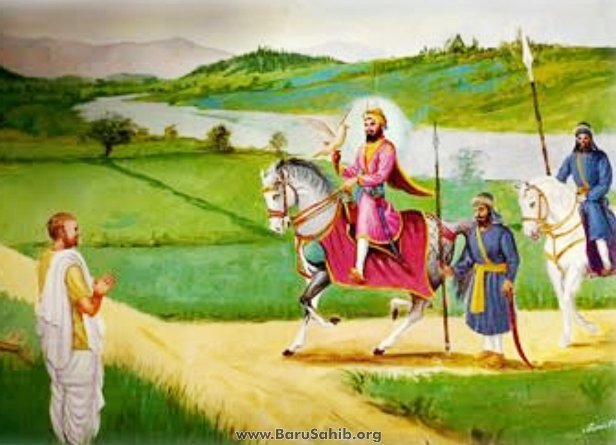
When Guru Gobind Singh Ji’s Horse stopped abruptly before entering Tobacco Fields

Guru Gobind Singh Ji and his army were on their way to Anandpur Sahib. Guru ji was on his horse when it abruptly halted in front of a field they were about to go through. Guru Sahib turned his mighty horse around and told the fauj they would take another route going the long way […]

Guru Gobind Singh Ji and his army were on their way to Anandpur Sahib. Guru ji was on his horse when it abruptly halted in front of a field they were about to go through.

Guru Sahib turned his mighty horse around and told the fauj they would take another route going the long way around the field. Later one of the Guruโ€™s soldiers asked Guru Sahib, โ€ Guru ji why are we going the long way when we could have just walked through the field that we halted at, surely we would be home by nowโ€.

Guru Sahib Ji replied, โ€œThat field was planted with tobacco and it wasnโ€™t me that halted, rather it was my Horse which having caught scent of the tobacco, refused to go any further. It refused to walk through such an unclean placeโ€.

So if my horse was not willing to enter the field of tobacco then neither should my Sikhs be exposed to such pollution.โ€ Every action of our Guru ji was done for a reason.

~ Source- DailySikhUpdate

Inspiring Patriotic Message from Amarjeet Singh – The First Sikh Ranger in Pakistan

Pakistan Sikh Ranger,Sardar Amarjit Singh is the First Pakistani Sikh to take part as a Ranger officer in the flag-lowering ceremony at Wagah Border. He was welcomed by both the nations with a round of applause. He is a resident of Nankana Sahib and joined the army in 2005. After completing his training for an year he was included in the defense forces at Wagah Border.

Amarjeet said it was a matter of proud for him that he is the part of Pakistani Army and he would be happy to lay down his life for the nation.