PM of London Theresa may send Best Wishes to Sikhs celebrating Baisakhi

Prime Minister Theresa May hailed the contribution of Sikhs to the country, and said their values are needed now more than ever.   Vaisakhi events have been organised in the palace of Westminster and by the Indian high commission. British Sikhs numbered over 4.3 lakh in the 2011 census; members of the community have held […]

Prime Minister Theresa May hailed the contribution of Sikhs to the country, and said their values are needed now more than ever.
 
Vaisakhi events have been organised in the palace of Westminster and by the Indian high commission. British Sikhs numbered over 4.3 lakh in the 2011 census; members of the community have held positions in public life.
 
May said in her message: “I send my best wishes to everyone in Britain and around the world celebrating Vaisakhi – one of the most important dates in the Sikh calendar and a time when families and friends come together to commemorate the birth of the Khalsa”.
 
“As Sikhs across the globe take part in spectacular processions, and neighbourhoods and Gurdwaras burst forth with colour, I would like to take this opportunity to celebrate the immense contribution British Sikhs make to our country”.
 
“Whether it’s in the fields of business, the armed forces or the charitable sector, you consistently follow the pillars of your faith and in so doing set an example to us all”.
 
Recalling the ongoing process of the UK leaving the EU, she added: “Your values – of equality and respect, of fairness and helping those less fortunate than yourselves – are values we need more than ever, as we forge a new, ambitious, role for Britain in the world”.
 
“I am determined to build a country that works for everyone; a country where no matter who you are, you can achieve your goals – and the Sikh community is a vital part of that mission”.
 
A recent survey in the British Sikh Report 2017 revealed that 65% voted to remain in the EU, but 73% would now vote to remain if there were a second EU Referendum. It also revealed that 13% of British Sikhs had been victims of hate crimes since the EU referendum.
– Hindustan Times

Growing Epidemic Of Hate Crimes can only be fought by LOVE

Timothy Caughman was killed with a sword in a random act of hate violence last Monday. I tie my turban in his memory, and in commitment to always fight for every American’s right to be free to be themselves. There is a growing epidemic of hate in this country. It can only be fought with […]

Timothy Caughman was killed with a sword in a random act of hate violence last Monday. I tie my turban in his memory, and in commitment to always fight for every American’s right to be free to be themselves.

There is a growing epidemic of hate in this country. It can only be fought with love.

Please share this in his memory.

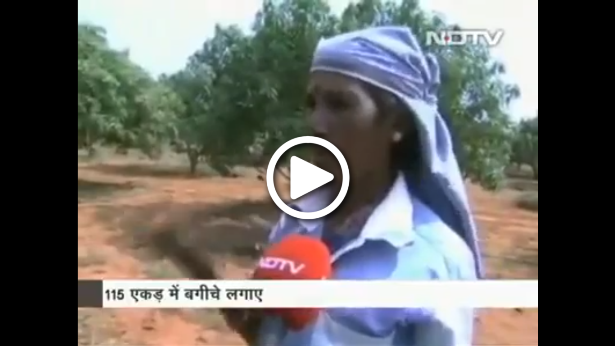
ਤਾਮਿਲ ਨਾਡੂ ਵਿੱਚ ਪੰਜਾਬ ਦੇ ਕਿਸਾਨਾਂ ਨੇ ਬਣਾਇਆ ਬੰਜਰ ਜ਼ਮੀਨਾਂ ਨੂੰ ਉਪਜਾਊ

ਪੰਜਾਬ ਦਾ ਕਿਸਾਨ ਕਿਤੇ ਵੀ ਚਲਾ ਜਾਵੇ ਆਪਣੀ ਮਿਹਨਤ ਤੇ ਗੁਰੂ ਸਾਹਿਬ ਦੇ ਪ੍ਰੇਣਾ ਸਦਕਾ ਕਾਮਯਾਬ ਹੋ ਹੀ ਜਾਂਦਾ, ਜਿਸ ਦੀ ਇੱਕ ਤਾਜ਼ੀ ਉਦਾਹਰਨ ਦੇਖਣ ਨੂੰ ਮਿਲ਼ੀ, ਤਾਮਿਲ਼ਨਾਡੂ ਚ੍ ਬਾਰਿਸ਼ ਘੱਟ ਪੈਣ ਨਾਲ਼ ਬਹੁਤ ਲੋਕ ਆਪਣੀਆਂ ਜਮੀਨਾਂ ਵੇਚ ਕੇ ਚਲ਼ੇ ਗੲੇ ਉਹਨਾਂ ਦੀ ਜਮੀਨ ਪੰਜਾਬ ਦੇ ਕਿਸਾਨਾਂ ਵਲ਼ੋ ਸਸਤੇ ਮੁੱਲ਼ ਤੇ ਖਰੀਦੀ

Value-based education needed to do away with substance abuse: Manmohan Singh

Referring to reports on Punjab’s drug problem, former Prime Minister Manmohan Singh on Saturday stressed on the importance of value-based education to wean the state’s youth away from substance abuse. “Today, Punjab needs to move ahead. Along with science and technology, there is a need for value-based education. We hear unsettling stories and news from […]

Referring to reports on Punjab’s drug problem, former Prime Minister Manmohan Singh on Saturday stressed on the importance of value-based education to wean the state’s youth away from substance abuse. “Today, Punjab needs to move ahead. Along with science and technology, there is a need for value-based education. We hear unsettling stories and news from Punjab on the rampant use of chitta (cocaine) across the state. Its use is only increasing. In order to control this, Punjab will need to compete in the sphere of science and technology,” he said while speaking at the launch of a book on the life of Baba Iqbal Singh, who heads the Kalgidhar Society that runs a chain of 129 Akal Academy schools in the country. These institutions promote value-based education.

“In today’s age, we need science and technology, but we also need to be careful that our children know about our faith and our heritage and how to use it. Science? Yes. Mathematics? Yes. But spiritual values are also needed. The contribution made by Babaji (Iqbal Singh) in this respect is great,” he further said at the event, which was also attended by Punjab Finance Minister Manpreet Badal, businessman Sunil Munjal and economist Isher Judge Ahluwalia.


Source- Indian Express

Ex pm Manmohan Singh stresses on the need of Value Education in Current Times

There is immense need for value education in contemporary times, former Prime Minister Manmohan Singh said on Saturday, acknowledging that while subjects like science and mathematics form the backbone of regular curricula, value education keeps one connected to the roots. Speaking at the launch of book “Mission to Reboot Punjab through Value-Based Education”, by philanthropist […]

There is immense need for value education in contemporary times, former Prime Minister Manmohan Singh said on Saturday, acknowledging that while subjects like science and mathematics form the backbone of regular curricula, value education keeps one connected to the roots.

Speaking at the launch of book “Mission to Reboot Punjab through Value-Based Education”, by philanthropist Baba Iqbal Singh the former PM spoke about the contribution of Sikhs in transforming Indian society but regretted that the lack of value education among children often leads them astray.

“The Sikh gurus have contrib- uted a lot in transforming the Indian society but Partition came as a big blow to Punjab. And then there was the spread of terrorism, which is not even worthy of mention. Value education is the need of the hour in current times,” he said. “Science and technology is important in today’s day and age, but at the same time, our children should be aware of their cultural heritage too,” he added.

Hindustan Times

This Kaur is making a difference in so many children’s lives

Those who have Autistic Spectrum Disorder face various obstacles as they go through life. As many will struggle with socialising and communicating with others, it can be hard for them to develop relationships and make their thoughts and feelings clear. The next hot trend is getting botox in your bumhole Further issues come to light […]

Those who have Autistic Spectrum Disorder face various obstacles as they go through life.
As many will struggle with socialising and communicating with others, it can be hard for them to develop relationships and make their thoughts and feelings clear.

The next hot trend is getting botox in your bumhole
Further issues come to light when an autistic person comes from an ethnic minority background – and this is something Manpreet Kaur, Director of Projects at children’s special educational needs charity Hope and Compassion, knows all too well.

According to the National Autistic Society, individuals and families from BME backgrounds can face additional difficulties due to cultural and language barriers and the stigma that surrounds autism in some communities.
As Autism Awareness Week takes place from 27 March until 2 April, we chatted with Manpreet to find out more about what it’s like to be from a BME background and deal with autism.
How did you first find yourself getting involved in working with children with autism?

I gained a masters degree in Special Educational Needs (SEN). Not long after I graduated I started volunteering for groups that work with SEN children.

One of the places I went to was Pingalwara in Amritsar Punjab. Pingalwara is a home where families leave their disabled children they are unable to take care of.

I ended up spending six months there helping in any way I could. I have since been going back regularly and one of the things I did was a talk on autism, which got the attention of many parents who realised their children may have this condition.

Here I realised how awareness about autism can help. Once I got back to the UK I wanted to continue this and I have been working with special needs children ever since.

JAGMEET SINGH- The Rising Star in Canada who is poised to do BIG THINGS!

Jagmeet Singh looks the way you hope a progressive politician would. Recently, BuzzFeed anointed him the “most stylish politician in Canada by like a million kilometers.” He’s the first turban-wearing Sikh to sit in Queen’s Park; he commutes to work by bike, often featured on his Instagram . When I meet him in his office, […]

Jagmeet Singh looks the way you hope a progressive politician would. Recently, BuzzFeed anointed him the “most stylish politician in Canada by like a million kilometers.” He’s the first turban-wearing Sikh to sit in Queen’s Park; he commutes to work by bike, often featured on his Instagram . When I meet him in his office, PartyNextDoor is blaring from his Bluetooth speakers.

At 38-years-old, the criminal defense lawyer turned politician is a rising star in Canada, currently serving as Deputy Leader of the Ontario New Democratic Party. But why should you care about a guy that represents a suburban district outside of Toronto? Because rumor has it that Singh will soon make the jump into federal politics and run for leadership of the left-wing New Democratic Party of Canada, ready to take on Prime Minister Justin Trudeau’s Liberal Party government.

Both identify as progressives, but unlike the Prime Minister, Singh supports policies such as electoral reform and the repeal of Canada’s Anti Terrorism Act, Bill C-51. And while he’s just as happy to grab a selfie with you as Trudeau, Singh understands that the real power of social media isn’t showing off his custom-designed suits (though those look sharp as hell), but as a vital tool for communicating with his constituents—the youth, in particular.
After the scandals that surrounded the late Toronto mayor Rob Ford, Toronto became the political laughing stock not just of Canada, but the world. But if Singh’s ascent continues, he may turn Toronto’s reputation around as the hotbed of a new progressive movement.

GQ: You may just have the most interesting Instagram and Snapchat accounts of any politician. Do you think social media might be ruining democratic politics?

Jagmeet Singh: It can be a double-edged sword. The ability to become more accessible, to spread a message further, and to share stories at a faster rate are great things to come from social media. As politicians, we have another platform with which we can reach people but also listen to them. Social media enables us to talk about issues, shine a light on problems, and raise awareness of struggles that might have gone unnoticed. On the flipside, it also allows for a lot of noise and distractions. Sometimes it doesn’t create the best environment for a healthy discussion and can lead to trolling.

It also has a hand in organizing these global protests that we’re now seeing against Donald Trump.
I came from a tradition of demonstrations and protests, and I really believe in them. I think they are powerful ways of bring people together, to organize, to raise awareness, and most importantly to empower people. Protests have a value in society that I don’t think you can quantify. The protests we’re seeing that oppose some of the heinous things we see going on in this world are perhaps a silver lining to a lot the negativity we see and the pessimism that we feel. We feel that things are going in a bad direction, and when people are upset, it encourages them to come together and express that dissatisfaction. That’s a beautiful thing.

How did you get into Canadian politics in the first place?
I faced some significant racism as a kid growing up with a unique identity—you know, brown skin, long hair for a boy, with a funny sounding first name like Jagmeet, while going through childhood in a small Canadian city with little diversity. But because of having to deal with racism myself, I became very sensitive to unfairness. It created this appreciation and understanding of the struggles people go through from all walks of life. I was more sensitive and aware of the struggles people faced when it came to poverty, gender, and other systemic barriers.
As a student, I would help with issues by spreading awareness and going to demonstrations. In law school, I began to use my legal training to help marginalized groups. Then as a lawyer I continued to do human rights work with local organizations and cultural communities that felt their political representation was inadequate; that the elected officials we had were not tackling the issues that mattered to them. A group of friends, colleagues, and family—my brother Gurratan Singh and friend Amneet Singh were a big part of this—kept encouraging and pushing me to run for political office. I finally caved and got into politics.

Source-GQ