Gurdwaras truly affirm that SERVICE to Mankind is Service to God!

The vision behind much of the concept of Langar lies in the spirit of selfless service.

The offering of food to all as a central tenet of the Sikh tradition has meant that Sikhs are often the go-to community for food relief.

In Gurdwara Sahib Your caste doesn’t matter nor does your religion. No one is turned away due to his religious background, each one is welcomed and blessed.

The idea of langar extends all across the whole world, and allows them to put into practice the ideal of โ€œSarbat Da Bhallaโ€ or, โ€œworking for the betterment of allโ€.

Meet Modesto’s FIRST SIKH Officer – Varinder Singh Khun Khun

Varinder Singh Khun Khun, along with two other officers, graduated from the Napa Police Academy on June 11. He is one of 33 officers hired by the department so far this year. Khun Khun has lived in Ceres for the past 10 years, previously lived in the Bay Area and was born in India. He […]

Varinder Singh Khun Khun, along with two other officers, graduated from the Napa Police Academy on June 11. He is one of 33 officers hired by the department so far this year.

Khun Khun has lived in Ceres for the past 10 years, previously lived in the Bay Area and was born in India.

He said he long wanted to be a police officer but didnโ€™t know if he would be allowed to wear his turban and beard in accordance with the Sikh religion.

โ€œIโ€™ve never seen police officers wearing a turban before; I didnโ€™t know if I would get a chance (to be a police officer) โ€ฆ I am thankful for MPD giving me the opportunity,โ€ Khun Khun said before the swearing-in ceremony in the basement chambers of 1010 Tenth Street in Modesto.

The Modesto Police Departmentโ€™s grooming policy requires officers be clean shaven, allowing only for a mustache that extends to the edge of the lip.

Singh approached Police Chief Galen Carroll a year ago about applying for the job and the requirement that he have a beard and wear a turban.

โ€œI told him that that didnโ€™t matter, that we would make accommodations for his religious beliefs and that, more importantly, we were looking for people with high character standards and he would be an addition to the Police Department as a segment of the community that is not represented in the Police Department,โ€ Carroll said. โ€œYou want to have a police department that mirrors the community as much as possible. When you call an officer and nobody looks like you โ€ฆ you donโ€™t feel like they can understand you or relate to you, so it is important to have that so you build stronger ties with the community.โ€

In 2012, Gov. Jerry Brown signed a law that added to Californiaโ€™s Fair Employment Act protection against discrimination for religious dress and grooming practices.

In April, three U.S. Army enlistees won permission to wear beards and turbans after filing federal lawsuits that seek to force the Pentagon to accommodate those who wear beards for religious purposes, according to The Associated Press.

Khun Khun said he wouldnโ€™t have taken the job if he was required to shave or forbidden to wear a turban.

The Sikh religion originated in the 15th century in the Punjab region of India and Pakistan. In the United States, the faith dates back about 100 years, according to Bee archives, and the first Sikh temple in the nation is in Stockton. The Central Valley has the largest Sikh community in the country.

Carroll said he hopes Khun Khun will be โ€œthe trailblazer that may bring more Sikh officers and other people who are interested that think they canโ€™t be officers.โ€

~ Source- Modbee.com

Act Upon it before it is too late : Guru Arjan Dev Ji!

Setha, Gobinda and Bhaga were three rich merchants. They lived at Chaniot – a small town in Pakistan. All the three brothers were Hindus and the offered Sharadhs every year. They gave corn, clothes and coins to the Brahmans as Dakshana (offering). Sometimes they wondered if all these things were really reached their forefathers in […]

Setha, Gobinda and Bhaga were three rich merchants. They lived at Chaniot – a small town in Pakistan. All the three brothers were Hindus and the offered Sharadhs every year. They gave corn, clothes and coins to the Brahmans as Dakshana (offering). Sometimes they wondered if all these things were really reached their forefathers in the next world. One day they came to Guru Arjan to find out his views about the Sharadhs and Dakshana.

“O Guru,” said Gobinda “We give Dakshana to the Brahmans in the name of our dear forefathers every year. Tell us whether all this reaches our forefathers or not?” “No man can tell whether your forefathers are in heaven or hell.” said the Guru smilingly. “No one can tell which Brahman will go to heaven and which to hell? Stop thinking about such things and stop offering Sharadhs. Work hard, tell the truth, help others and remember God.”

The three brothers agreed to act upon the Guru’s advice and were satisfied, but there was another man, named Chuhar, who couldn’t understand the Guru’s advice. He said “Sir, how can a merchant like myself and people like Gobinda always speak the truth? Merchants have to tell many lies between sunrise and sunset every day.”

“Go back to your village, Chuhar,” said the Guru. “Do your trading and try to act upon my advice. Everyday count your lies and good deeds, write them down on a piece of paper and show me that paper at the end of every month.” Chuhar agreed to act upon the Guru’s advice and went away.

From that day onwards. Chuhar counted and wrote down his lies and good deeds on a piece of paper. At the end of a month he came with it and showed it to the Guru The Guru asked him to read it out to the Sikhs and Chuhar did so. He had done no good deeds and had told a number of lies. He felt small and thought that he should have done better. The Guru however smiled and said, “Chuhar, leave your paper here and keep on trying.”

At the end of the second month, Chuhar had really done some good deeds and had told fewer lies. And so it went on. At the end of the eighth month, Chuhar’s lies and good deeds were added up. This showed that although he had done only a few good deeds, he had told no lies. Everybody was surprised. Guru Arjan said, “All advice falls flat on those who never think of acting upon it. People have been listening to good advice for thousands of years. The important thing is to act upon it. Cart-loads of books and all the learning in the world are of no use if we do not care to follow them.”

All the Sikhs understood the Guru’s advice and promised to act upon it.

“As a child is satisfied by drinking milk;
As a poor man is happy on finding wealth;
As a thirsty man is refreshed by drinking water;
So is my soul happy with God.” (Guru Arjan)

“To forget God is death;
To meditate on His Name is life.
Nanak, God is found in the company of the saints.”(Guru Arjan)

Source : tuhitu.blogspot

25,000 – 30,000 people are served langar on daily basis in Gurdwara Bangla Sahib

Gurdwara Bangla Sahib is one of the most prominent Sikh Gurdwara located in C.P. New Delhi on Baba Kharak Singh Marg and is instantly recognizable by its golden dome and tall flagpole Nishan Sahib. Gurdwara Bangla Sahib was originally a bungalow belonging to Raja Jai Singh. The eighth Sikh Guru, Guru Har Krishan ji resided […]

Gurdwara Bangla Sahib is one of the most prominent Sikh Gurdwara located in C.P. New Delhi on Baba Kharak Singh Marg and is instantly recognizable by its golden dome and tall flagpole Nishan Sahib.

Gurdwara Bangla Sahib was originally a bungalow belonging to Raja Jai Singh. The eighth Sikh Guru, Guru Har Krishan ji resided here during his stay in Delhi in 1664.

On weekdays, approximately 25,000-30,000 people eat at the langar in this Gurdwara. On weekends, the numbers go up to a staggering 45,000.

Every day around 700 kilos of daal, 250-300 kilos of rice, 1,000 kilos of vegetables and 80,000-1 lakh rotis are prepared. The two big iron kadhai (wok) make around 500 kilos of sabji and 300 kilos of rice at a time, while each of the six copper pots churn out around 150 kilos of daal.

Anyone and everyone can work in the kitchen. In fact, volunteers do more work than the gurudwara staff in preparing meals. The only rule that one has to adhere to is “serve with clean hands” indicating the importance of hygiene.

โ€ช#โ€ŽSourceโ€ฌ : Mail Today

Share & Spread!!

เจธเจฟเจ– เจธเฉ‚เจฐเจฎเจพ เจธเจตเจพ เจฒเจ– เจคเฉ‡ เจ‡เจ•เฉ‹ เจญเจพเจฐเฉ€

Sikhs, as a community, have stood tall as a breed of warriors. From the gallant Gurus to the Indian Army, Sikhs have never backed down from going to war for the sake of humanity and the country. One of the many Sikh war cries is the famous โ€˜Sava Lakh Se Ek Ladaun Tabhi Gobind Singh […]

Sikhs, as a community, have stood tall as a breed of warriors. From the gallant Gurus to the Indian Army, Sikhs have never backed down from going to war for the sake of humanity and the country. One of the many Sikh war cries is the famous โ€˜Sava Lakh Se Ek Ladaun Tabhi Gobind Singh Naam Kahaunโ€™. You surely would have heard it loud and clear in the movies, but have you ever wondered where it came from? Here, this is the story behind it.

The saying came from the Supreme Guru of Sikhs, Guru Gobind Singh ji during the Second War of Chamkaur Sahib, in 1705. Mughal Emperor and Hindu Hill Chiefs settled at a truce and a safe passage to leave Anandpur Sahib was offered to Guru Gobind Singh ji and his fellow Sikhs. While Guru Gobind Singh ji thought that the Mughals werenโ€™t chasing them anymore, an informant had informed Wazir Khan about their movement. Hot on their heels, the Sikhs battled extreme weather while crossing the river.

Guruji along with only 40 of his followers was able to cross the river. Their entire army was now scattered. These 40 men took shelter in a small mud house called โ€˜Kachhi Garhiโ€™. It didnโ€™t take very long for the Mughal Army to surround the hiding. If the legend is to be believed, Guru Gobind Singh went against 10 lakh Mughal soldiers while having only 40 warriors on his side. The 40 Sikhs along with Guru Gobind Singh ji as the commander opened attack on the army. They fought till the lasts of the ammunition and when the ammo ran out. The Sikhs came out in batches of 5 and attacked the army that outnumbered them beyond belief. Each Sikh fought with the bravery of a lion and this situation brought true the prophecy of one of Guru Sahib Jiโ€™s compositions:

“Call me Gobind Singh, only, when each of my Sikh will fight with more than one and a quarter lakh of enemy.”

โ€œSava Lakh Se Ek Ladaun Tabhi Gobind Singh Naam Kahaunโ€

The battle went down in the history as one of the greatest ever!

As told : By Shantanu Prasher

Photo: ยฉ Sikhblog (Main Image)

เจ—เฉเจฐเจฎเจคเจฟ เจธเจฎเจพเจ—เจฎ เจธเฉฐเจค เจฌเจพเจฌเจพ เจคเฉ‡เจœเจพ เจธเจฟเฉฐเจ˜ เจœเฉ€ เจฆเฉ€ เจธเจฒเจพเจจเจพ เจฌเจฐเจธเฉ€ เจฆเฉ‡ เจธเจจเฉเจฌเจฆ เจตเจฟเจš

เจฎเจฟเจคเฉ€ 24, 25 เจ…เจคเฉ‡ 26 เจธเฉ‚เจšเฉ€ 2016 เจจเฉ‚เฉฐ เจ—เฉเจฐเจฆเฉเจ†เจฐเจพ เจฌเฉœเฉ‚ เจธเจพเจนเจฟเจฌ เจตเจฟเจ–เฉ‡ เจฌเฉœเฉ€ เจงเฉ‚เจฎ เจงเจพเจฎ เจคเฉ‡ เจšเฉœเจฆเฉ€เจ•เจฒเจพ เจจเจพเจฒ เจฎเจจเจพเจ‡เจ† เจœเจพ เจฐเจฟเจนเจพ เจนเฉˆ 24 เจœเฉ‚เจจ 2016, เจถเฉเจ•เจฐเจตเจพเจฐ: เจ†เจฐเฉฐเจญ เจถเฉเจฐเฉ€ เจ…เจ–เฉฐเจก เจชเจพเจ  เจธเจพเจนเจฟเจฌ – เจ…เจฎเฉเจฐเจฟเจคเฉ เจตเฉ‡เจฒเฉ‡ 12.30 เจคเฉ‹เจ‚ 1.00 เจตเจœเฉ‡ เจคเฉฑเจ• เจ…เจฎเฉเจฐเจฟเจคเฉ เจตเฉ‡เจฒเฉ‡ เจฆเจพ เจชเฉเจฐเฉ‹เจ—เจฐเจพเจฎ – 12.30 เจคเฉ‹เจ‚ 7.30 เจตเจœเฉ‡ เจคเฉฑเจ•, เจœเจพเจช เจตเจพเจนเจฟเจ—เฉเจฐเฉ‚ เจ—เฉเจฐเจฎเฉฐเจคเจฐ , เจจเจฟเจคเจจเฉ‡เจฎ, เจธเฉเจ–เจฎเจจเฉ€ […]

เจฎเจฟเจคเฉ€ 24, 25 เจ…เจคเฉ‡ 26 เจธเฉ‚เจšเฉ€ 2016 เจจเฉ‚เฉฐ เจ—เฉเจฐเจฆเฉเจ†เจฐเจพ เจฌเฉœเฉ‚ เจธเจพเจนเจฟเจฌ เจตเจฟเจ–เฉ‡ เจฌเฉœเฉ€ เจงเฉ‚เจฎ เจงเจพเจฎ เจคเฉ‡ เจšเฉœเจฆเฉ€เจ•เจฒเจพ เจจเจพเจฒ เจฎเจจเจพเจ‡เจ† เจœเจพ เจฐเจฟเจนเจพ เจนเฉˆ

24 เจœเฉ‚เจจ 2016, เจถเฉเจ•เจฐเจตเจพเจฐ:

เจ†เจฐเฉฐเจญ เจถเฉเจฐเฉ€ เจ…เจ–เฉฐเจก เจชเจพเจ  เจธเจพเจนเจฟเจฌ – เจ…เจฎเฉเจฐเจฟเจคเฉ เจตเฉ‡เจฒเฉ‡ 12.30 เจคเฉ‹เจ‚ 1.00 เจตเจœเฉ‡ เจคเฉฑเจ•
เจ…เจฎเฉเจฐเจฟเจคเฉ เจตเฉ‡เจฒเฉ‡ เจฆเจพ เจชเฉเจฐเฉ‹เจ—เจฐเจพเจฎ – 12.30 เจคเฉ‹เจ‚ 7.30 เจตเจœเฉ‡ เจคเฉฑเจ•, เจœเจพเจช เจตเจพเจนเจฟเจ—เฉเจฐเฉ‚ เจ—เฉเจฐเจฎเฉฐเจคเจฐ , เจจเจฟเจคเจจเฉ‡เจฎ, เจธเฉเจ–เจฎเจจเฉ€ เจธเจพเจนเจฟเจฌ เจ…เจคเฉ‡ เจ†เจธเจพ เจฆเฉ€ เจตเจพเจฐ
เจถเจพเจฎ เจฆเจพ เจฆเฉ€เจตเจพเจจ – 3 เจคเฉ‹เจ‚ 6.45 เจคเฉฑเจ• เจ•เจฅเจพ เจ•เฉ€เจฐเจคเจจ, เจธเฉเจ–เจฎเจจเฉ€ เจธเจพเจนเจฟเจฌ เจ…เจคเฉ‡ เจฐเจนเจฟเจฐเจพเจธ เจธเจพเจนเจฟเจฌ เจคเฉ‡ เจ†เจฐเจคเฉ€
เจตเจฟเจถเฉ‡เจถ เจ•เฉ€เจฐเจคเจจ เจฆเจฐเจฌเจพเจฐ – เจถเจพเจฎเฉ€ 6.45 เจคเฉ‹เจ‚ เจฐเจพเจค 9.45 เจคเฉฑเจ• เจธเฉฐเจคเจพเจ‚- เจฎเจนเจพเจ‚เจชเฉเจฐเจถเจพเจ‚, เจฐเจพเจ—เฉ€ เจขเจพเจขเฉ€ เจœเจฅเฉ‡, เจ…เจจเจพเจนเจฆ เจฌเจพเจฃเฉ€ เจœเจฅเจพ เจ…เจคเฉ‡ เจ…เจ•เจพเจฒ เจ…เจ•เฉˆเจกเจฎเฉ€เจ†เจ‚ เจฆเฉ‡ เจตเจฟเจฆเจฟเจ†เจฐเจฅเฉ€เจ†เจ‚ เจตเฉฑเจฒเฉ‹เจ‚

25 เจœเฉ‚เจจ 2016, เจถเจจเฉ€เจตเจพเจฐ:

เจ…เจฎเฉเจฐเจฟเจคเฉ เจตเฉ‡เจฒเฉ‡ เจฆเจพ เจชเฉเจฐเฉ‹เจ—เจฐเจพเจฎ – 12.30 เจคเฉ‹เจ‚ 7.30 เจตเจœเฉ‡ เจคเฉฑเจ•, เจœเจพเจช เจตเจพเจนเจฟเจ—เฉเจฐเฉ‚ เจ—เฉเจฐเจฎเฉฐเจคเจฐ , เจจเจฟเจคเจจเฉ‡เจฎ, เจธเฉเจ–เจฎเจจเฉ€ เจธเจพเจนเจฟเจฌ เจ…เจคเฉ‡ เจ†เจธเจพ เจฆเฉ€ เจตเจพเจฐ
เจตเจฟเจถเฉ‡เจถ เจ•เฉ€เจฐเจคเจจ เจฆเจฐเจฌเจพเจฐ – เจธเจตเฉ‡เจฐเฉ‡ 7.30 เจคเฉ‹เจ‚ 12 เจตเจœเฉ‡ เจคเฉฑเจ• เจธเฉฐเจคเจพเจ‚ เจฎเจนเจพเจ‚เจชเฉเจฐเจถเจพเจ‚ เจฐเจพเจ—เฉ€ เจขเจพเจกเฉ€ เจœเจฅเฉ‡, เจ…เจจเจพเจนเจฆ เจฌเจพเจฃเฉ€ เจœเจฅเจพ เจ…เจคเฉ‡ เจ…เจคเฉ‡ เจ…เจ•เจพเจฒ เจ…เจ•เฉˆเจกเจฎเฉ€เจ†เจ‚ เจฆเฉ‡ เจตเจฟเจฆเจฟเจ†เจฐเจฅเฉ€เจ†เจ‚ เจตเฉฑเจฒเฉ‹เจ‚
เจถเจพเจฎ เจฆเจพ เจฆเฉ€เจตเจพเจจ – 3 เจคเฉ‹เจ‚ 6.45 เจคเฉฑเจ• เจ•เจฅเจพ เจ•เฉ€เจฐเจคเจจ, เจธเฉเจ–เจฎเจจเฉ€ เจธเจพเจนเจฟเจฌ เจ…เจคเฉ‡ เจฐเจนเจฟเจฐเจพเจธ เจธเจพเจนเจฟเจฌ เจคเฉ‡ เจ†เจฐเจคเฉ€
เจตเจฟเจถเฉ‡เจถ เจ•เฉ€เจฐเจคเจจ เจฆเจฐเจฌเจพเจฐ – เจถเจพเจฎเฉ€ 6.45 เจคเฉ‹เจ‚ เจฐเจพเจค 9.45 เจคเฉฑเจ• เจธเฉฐเจคเจพเจ‚- เจฎเจนเจพเจ‚เจชเฉเจฐเจถเจพเจ‚, เจฐเจพเจ—เฉ€ เจขเจพเจขเฉ€ เจœเจฅเฉ‡, เจ…เจจเจพเจนเจฆ เจฌเจพเจฃเฉ€ เจœเจฅเจพ เจ…เจคเฉ‡ เจ…เจ•เจพเจฒ เจ…เจ•เฉˆเจกเจฎเฉ€เจ†เจ‚ เจฆเฉ‡ เจตเจฟเจฆเจฟเจ†เจฐเจฅเฉ€เจ†เจ‚ เจตเฉฑเจฒเฉ‹เจ‚ เจ…เจคเฉ‡ เจฌเจพเจฌเจพ เจ‡เจ•เจฌเจพเจฒ เจธเจฟเฉฐเจ˜ เจœเฉ€ เจตเฉฑเจฒเฉ‹เจ‚ เจ—เฉเจฐเจฎเจคเจฟ เจฌเจšเจจ

26 เจœเฉ‚เจจ 2016, เจเจคเจตเจพเจฐ

เจญเฉ‹เจ— เจถเฉเจฐเฉ€ เจ…เจ–เฉฐเจก เจชเจพเจ  เจธเจพเจนเจฟเจฌ – เจ…เจฎเฉเจฐเจฟเจคเฉ เจตเฉ‡เจฒเฉ‡ 12.30 เจคเฉ‹เจ‚ 1.00 เจตเจœเฉ‡ เจคเฉฑเจ•
เจตเจฟเจถเฉ‡เจถ เจ•เฉ€เจฐเจคเจจ เจฆเจฐเจฌเจพเจฐ – เจธเจตเฉ‡เจฐเฉ‡ 7.30 เจคเฉ‹เจ‚ 12 เจตเจœเฉ‡ เจคเฉฑเจ• เจธเฉฐเจคเจพเจ‚ เจฎเจนเจพเจ‚เจชเฉเจฐเจถเจพเจ‚ เจฐเจพเจ—เฉ€ เจขเจพเจกเฉ€ เจœเจฅเฉ‡, เจ…เจจเจพเจนเจฆ เจฌเจพเจฃเฉ€ เจœเจฅเจพ เจ…เจคเฉ‡ เจ…เจคเฉ‡ เจ…เจ•เจพเจฒ เจ…เจ•เฉˆเจกเจฎเฉ€เจ†เจ‚ เจฆเฉ‡ เจตเจฟเจฆเจฟเจ†เจฐเจฅเฉ€เจ†เจ‚ เจตเฉฑเจฒเฉ‹เจ‚ เจ…เจคเฉ‡ เจ—เฉเจฐเจฎเจคเจฟ เจฌเจšเจจ เจฌเจพเจฌเจพ เจ‡เจ•เจฌเจพเจฒ เจธเจฟเฉฐเจ˜ เจœเฉ€ เจตเฉฑเจฒเฉ‹เจ‚
เจ…เจฎเฉเจฐเจฟเจค เจธเฉฐเจšเจพเจฐ – 26 เจœเฉ‚เจจ เจจเฉ‚เฉฐ เจธเจตเฉ‡เจฐเฉ‡ 10 เจตเจœเฉ‡ เจ…เจฎเฉเจฐเจฟเจค เจธเฉฐเจšเจพเจฐ เจนเฉ‹เจตเฉ‡เจ—เจพ

เจ—เฉเจฐเฉ‚ เจ•เจพ เจฒเฉฐเจ—เจฐ 24 เจ˜เฉฐเจŸเฉ‡ เจ…เจคเฉเฉฑเจŸ เจตเจฐเจคเฉ‡เจ—เจพ เจ…เจคเฉ‡ เจธเฉฐเจ—เจค เจฆเฉ€ เจฐเจฟเจนเจพเจ‡เจถ เจฆเจพ เจฏเฉ‹เจ— เจชเฉเจฐเจฌเฉฐเจฆ เจนเฉ‹เจตเฉ‡เจ—เจพ

เจชเจพเจคเจถเจพเจนเฉ€เจ†เจ‚

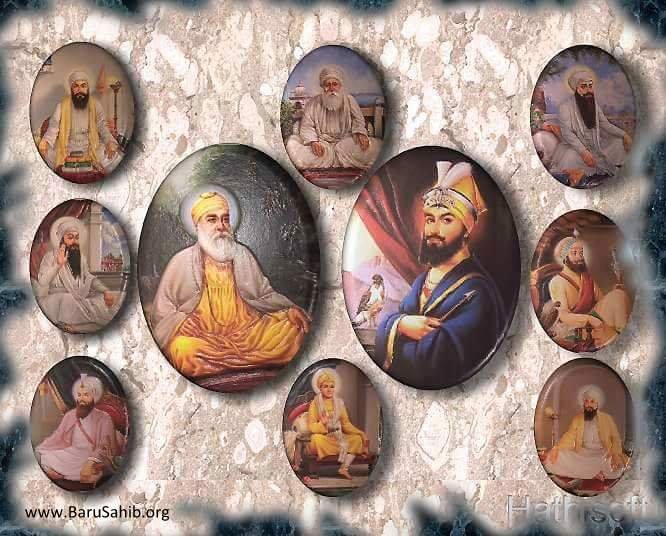
เจชเจนเจฟเจฒเฉ€ เจชเจพเจคเจถเจพเจนเฉ€ เจถเฉเจฐเฉ€ เจ—เฉเจฐเฉ‚ เจจเจพเจจเจ• เจฆเฉ‡เจต เจœเฉ€ เจœเจฟเจนเจจเจพเจ‚ เจจเฉ‡ เจฆเฉเจจเฉ€เจ† เจจเฉ‚เฉฐ เจธเจฎเจเจพเจ‡เจ† เจ‡เจ• เจ‰เจ…เฉฐเจ•เจพเจฐ เจฆเจพ เจชเจพเจ  เจชเฉœเฉเจนเจพเจ‡เจ† เจคเฉ‡ เจฎเจพเจจเจธ เจ•เฉ€ เจœเจพเจค เจ‡เจ• เจนเฉˆ เจฌเจคเจพเจ‡เจ† เจฆเฉ‚เจœเฉ€ เจชเจพเจคเจถเจพเจนเฉ€ เจถเฉเจฐเฉ€ เจ—เฉเจฐเฉ‚ เจ…เฉฐเจ—เจฆ เจฆเฉ‡เจต เจœเฉ€, เจœเจฟเจนเจจเจพเจ‚ เจ—เจฐเฉ€เจฌเจพเจ‚ เจจเฉ‚เฉฐ เจ—เจฒเฉ‡ เจจเจพเจฒ เจฒเจพเจ‡เจ† เจคเฉ‡ เจ”เจฐเจค เจจเฉ‚เฉฐ เจนเจ•เจผ เจฆเจฟเจฒเจพเจ‡เจ† เจคเฉ€เจœเฉ€ เจชเจพเจคเจถเจพเจนเฉ€ เจถเฉเจฐเฉ€ เจ—เฉเจฐเฉ‚ เจ…เจฎเจฐ เจฆเจพเจธ เจœเฉ€, เจชเจนเจฟเจฒเฉ‡ เจชเฉฐเจ—เจค เจคเฉ‡ เจซเจฟเจฐ เจธเฉฐเจ—เจค เจ‡เจน […]

เจชเจนเจฟเจฒเฉ€ เจชเจพเจคเจถเจพเจนเฉ€ เจถเฉเจฐเฉ€ เจ—เฉเจฐเฉ‚ เจจเจพเจจเจ• เจฆเฉ‡เจต เจœเฉ€
เจœเจฟเจนเจจเจพเจ‚ เจจเฉ‡ เจฆเฉเจจเฉ€เจ† เจจเฉ‚เฉฐ เจธเจฎเจเจพเจ‡เจ†
เจ‡เจ• เจ‰เจ…เฉฐเจ•เจพเจฐ เจฆเจพ เจชเจพเจ  เจชเฉœเฉเจนเจพเจ‡เจ†
เจคเฉ‡ เจฎเจพเจจเจธ เจ•เฉ€ เจœเจพเจค เจ‡เจ• เจนเฉˆ เจฌเจคเจพเจ‡เจ†

เจฆเฉ‚เจœเฉ€ เจชเจพเจคเจถเจพเจนเฉ€ เจถเฉเจฐเฉ€ เจ—เฉเจฐเฉ‚ เจ…เฉฐเจ—เจฆ เจฆเฉ‡เจต เจœเฉ€,
เจœเจฟเจนเจจเจพเจ‚ เจ—เจฐเฉ€เจฌเจพเจ‚ เจจเฉ‚เฉฐ เจ—เจฒเฉ‡ เจจเจพเจฒ เจฒเจพเจ‡เจ†
เจคเฉ‡ เจ”เจฐเจค เจจเฉ‚เฉฐ เจนเจ•เจผ เจฆเจฟเจฒเจพเจ‡เจ†

เจคเฉ€เจœเฉ€ เจชเจพเจคเจถเจพเจนเฉ€ เจถเฉเจฐเฉ€ เจ—เฉเจฐเฉ‚ เจ…เจฎเจฐ เจฆเจพเจธ เจœเฉ€,
เจชเจนเจฟเจฒเฉ‡ เจชเฉฐเจ—เจค เจคเฉ‡ เจซเจฟเจฐ เจธเฉฐเจ—เจค เจ‡เจน เจธเจฎเจเจพเจ‡เจ†

เจšเฉŒเจฅเฉ€ เจชเจพเจคเจถเจพเจนเฉ€ เจถเฉเจฐเฉ€ เจ—เฉเจฐเฉ‚ เจฐเจพเจฎ เจฆเจพเจธ เจœเฉ€,
เจ†เจจเฉฐเจฆ เจ•เจพเจฐเฉ› เจฆเฉ€ เจชเฉเจฐเจฅเจพ เจšเจฒเจพเจˆ
เจ…เจฎเฉเจฐเจฟเจค เจธเจฐเฉ‹เจตเจฐ เจฆเฉ€ เจจเฉ€เจ‚เจต เจฐเจ–เจพเจˆ
เจคเฉ‡ เจธเฉ‡เจตเจพ เจธเจฟเจฎเจฐเจจ เจฆเฉ€ เจญเจพเจตเจจเจพ เจœเจ—เจพเจˆ

เจชเฉฐเจœเจตเฉ€ เจชเจพเจคเจถเจพเจนเฉ€ เจถเฉเจฐเฉ€ เจ…เจฐเจœเจจ เจฆเฉ‡เจต เจœเฉ€,
เจฆเจธเจตเฉฐเจง เจฆเฉ‡เจฃ เจฆเฉ€ เจชเฉเจฐเจฅเจพ เจฌเจฃเจพเจˆ
เจคเฉ‡ เจธเจฟเฉฑเจ–เฉ€ เจธเจฟเจฆเจ• เจ“เจนเจจเจพเจ‚ เจจเฉ‡ เจจเจนเฉ€เจ‚ เจนเจพเจฐเจฟเจ†

เจ›เฉ‡เจตเฉ€ เจชเจพเจคเจถเจพเจนเฉ€ เจถเฉเจฐเฉ€ เจ—เฉเจฐเฉ‚ เจนเจฐเจ—เฉ‹เจฌเจฟเฉฐเจฆ เจœเฉ€,
เจฎเฉ€เจฐเฉ€ เจชเฉ€เจฐเฉ€ เจฆเฉ‡ เจฎเจพเจฒเจ• เจนเจฐเจ—เฉ‹เจฌเจฟเฉฐเจฆ
เจฒเฉ‹เจ•เจพเจ‚ เจจเฉ‚เฉฐ เจ†เจชเจฃเจพ เจนเจ•เจผ เจฆเจฟเจฒเจพเจ‡เจ†
เจคเฉ‡ เจญเจ—เจคเฉ€ เจคเฉ‡ เจถเจ•เจคเฉ€ เจฆเจพ เจ…เจฐเจฅ เจธเจฎเจเจพเจ‡เจ†

เจธเจคเจตเฉ€เจ‚ เจชเจพเจคเจถเจพเจนเฉ€ เจถเฉเจฐเฉ€ เจ—เฉเจฐเฉ‚ เจนเจฐ เจฐเจพเจ‡ เจœเฉ€,
เจฌเจพเจฃเฉ€ เจฆเจพ เจฎเจนเจคเจต เจธเจฎเจเจพเจ‡เจ†
เจ—เฉเจฐเฉ‚ เจจเจพเจฒ เจœเฉเฉœเฉเจนเจจเจพ เจ“เจนเจจเจพเจ‚ เจจเฉ‡ เจธเจฟเจ–เจพเจ‡เจ†
เจคเฉ‡ เจฌเจพเจจเฉ€ เจฆเฉ€ เจธเฉ‡เจตเจพ เจ•เจฐเจฆเฉ‡ เจœเฉ€เจตเจจ เจฌเจฟเจคเจพเจ‡เจ†

เจ…เจ เจตเฉ€เฉฐ เจชเจพเจคเจถเจพเจนเฉ€ เจถเฉเจฐเฉ€ เจ—เฉเจฐเฉ‚ เจนเจฐเจ•เจฟเจถเจจ เจœเฉ€,
เจฆเฉเจ–เฉ€เจ†เจ‚ เจฆเจพ เจธเจพเจฐเจพ เจฆเฉเจ– เจ“เจนเจจเจพเจ‚ เจนเจฐเจฟเจ†
เจคเฉ‡ เจชเฉฐเจœ เจธเจพเจฒ เจฆเฉ€ เจ‰เจฎเจฐ เจตเจฟเจš เจ—เฉเจฐเฉ‚ เจฌเจฃเจฟเจ†

เจจเฉ‹เจตเฉ€ เจชเจพเจคเจถเจพเจนเฉ€ เจถเฉเจฐเฉ€ เจ—เฉเจฐเฉ‚ เจคเฉ‡เจ— เจฌเจนเจพเจฆเฉเจฐ เจœเฉ€,
เจœเจฟเจนเจจเจพเจ‚ เจจเฉ‚เฉฐ เจ•เจนเจฟเฉฐเจฆเฉ‡ เจนเจฟเฉฐเจฆ เจฆเฉ€ เจšเจพเจฆเจฐ
เจคเฉ‡ เจœเจฟเจนเจจเจพเจ‚ เจฆเฉ‡เจถ เจฒเจˆ เจถเฉ€เจถ เจ•เจŸเจพเจ‡เจ†

เจฆเจธเจตเฉ€เจ‚ เจชเจพเจคเจถเจพเจนเฉ€ เจถเฉเจฐเฉ€ เจ—เฉเจฐเฉ‚ เจ—เฉ‹เจฌเจฟเฉฐเจฆ เจธเจฟเฉฐเจ˜ เจœเฉ€,
เจ…เจฎเฉเจฐเจฟเจค เจ›เจ•เจพ เจ•เฉ‡ เจ–เจพเจฒเจธเจพ เจฌเจจเจพเจ‡เจ†
เจคเฉ‡ เฉ›เฉเจฒเจฎ เจจเจนเฉ€ เจธเจนเจฟเจจเจพเจ‚ เจ‡เจน เจธเจฟเจ–เจพเจ‡เจ†

เจฆเจธเจพ เจ—เฉเจฐเฉ‚เจ†เจ‚ เจฆเฉ€ เจœเฉ‹เจค เจถเฉเจฐเฉ€ เจ—เฉเจฐเฉ‚ เจ—เฉเจฐเฉฐเจฅ เจธเจพเจนเจฟเจฌ เจœเฉ€,
เจœเจฟเจนเจจเจพเจ‚ เจฆเฉ‡ เจนเฉเจ•เจฎ เจคเฉ‡ เจšเจฒ เจ•เฉ‡ เจœเฉ€เจตเจจ เจœเจพเจš เจธเจฟเจ–เจพเจ‡เจ†

Indiaโ€™s First SIKH Blade Runner: Major D P Singh!

When I was Injured, I received Blood from Countless people of Different castes, creeds and States,” “With the Blood of India running in my Veins, I feel like I can do everything. In 1999, during the Kargil war, a shell exploded next to Major D P Singh, and he was almost shredded to pieces. When […]

When I was Injured, I received Blood from Countless people of Different castes, creeds and States,”

“With the Blood of India running in my Veins, I feel like I can do everything.

In 1999, during the Kargil war, a shell exploded next to Major D P Singh, and he was almost shredded to pieces. When he was brought into the hospital, the doctors at first glance declared him dead, and it was just a stroke of Luck that one doctor who was Present on the spot refused to give up on him and managed to Resuscitate him.

He eventually survived, and underwent several surgeries, But he lost his leg. An Ordinary person may have been shattered by this, but then, Major D P Singh is not ordinary person. He was determined not to be treated like a victim. He was determined to give a new purpose to his life, which he did, and Now ! After being fitted with his โ€œbladeโ€ he took up the challenge that life had thrown his way, and slowly got into shape, and went on to become Indiaโ€™s first Blade Runner. He dream to win a medal for the Country in the next Paralympics.

Source : TheGreatIndianDefence