Alert Punjabi youth helps Police nab suspect in NY and NJ blasts!

A Punjabi bar owner in the United States is being hailed as a hero for helping capture the 28-year-old Afghan-American wanted for the weekend bombings in New York and New Jersey. Harinder Bains, the owner of a bar in Linden, found Ahmad Khan Rahami sleeping in the doorway of his establishment on Monday. At first, […]

A Punjabi bar owner in the United States is being hailed as a hero for helping capture the 28-year-old Afghan-American wanted for the weekend bombings in New York and New Jersey.

Harinder Bains, the owner of a bar in Linden, found Ahmad Khan Rahami sleeping in the doorway of his establishment on Monday.

At first, he thought he was some “drunk guy” resting in the vestibule but then recognised Rahami and called police.
I’m just a regular citizen doing what every citizen should do. Cops are the real heroes, law enforcement are the real heroes.

When officers responded, Rahami pulled out a handgun and opened fire, striking an officer in the chest. A foot chase ensued, during which Rahami shot at a police car, causing a bullet to graze another office in the face.

The chase ended when Rahami was shot multiple times. He was taken to a hospital for surgery. He was not initially cooperative with police who tried to interview him, a law enforcement official said.
Indian-American attorney Ravi Batra said:

Bains dared to honour his Oath of Citizenship to protect the Constitution from enemies – and it turns out that the Chelsea pressure-cooker bomb suspect, a naturalised citizen, is caught by another immigrant, an Indian-American hero Sikh.

In a statement, the National Sikh Campaign hailed it a brave and courageous act by Bains.

Source- Quint

New Jersey’s Newspaper Features Major Kamaljeet Singh Kalsi & his struggle to SERVE

Maj. Kamaljeet Singh Kalsi stood backstage at the Democratic National Convention, watching through tears as the parents of a fallen Muslim-American soldier delivered a powerful message about sacrifice and the dangers of discrimination. As a Sikh, Kalsi does not share the Muslim faith of Khizr and Ghazala Khan and their slain son, Army Capt. Humayun […]

Maj. Kamaljeet Singh Kalsi stood backstage at the Democratic National Convention, watching through tears as the parents of a fallen Muslim-American soldier delivered a powerful message about sacrifice and the dangers of discrimination.

As a Sikh, Kalsi does not share the Muslim faith of Khizr and Ghazala Khan and their slain son, Army Capt. Humayun Khan. But he found common cause in their call for Americans to honor military service and sacrifice regardless of one’s religion.

That night Kalsi wore a black suit and tie, in addition to the pink turban that holds his unshorn hair, both symbols of his faith. His work clothes — the uniform of a U.S. Army officer — includes a camouflage-pattern turban.

It’s the embodiment of a small victory in a battle he’s waged with the military establishment over a rule he believes restricts the opportunity of Sikhs and members of other religious groups to serve in the armed forces.

The 40-year-old Riverdale resident who grew up in Lodi is believed to be the first Sikh soldier to be allowed to wear his articles of faith while in uniform since the military in 1981 imposed a ban on facial hair and other religious symbols deemed to not fit into its uniform appearance standards.

To be sure, Kalsi has opened a window for those like him. But his breakthrough has been limited. Others who want to serve with outward manifestations of their religious identity intact must still go through the same arduous process as he did, which can last up to a year, and approval is not guaranteed.

So he continues to push for such restrictions to be removed entirely, allowing Sikhs and members of other religious communities to serve more freely.

There are five recognized articles of faith Sikhs typically wear. Here’s the meaning behind each one:

Kes (unshorn hair) — Hair kept in its natural state is regarded as part of living in harmony with God. Wearing a turban declares a commitment to the faith.

Kangha (comb) — A small comb worn in the hair symbolizes a clean mind and body.

Kara (steel bracelet) — The bracelet serves as a reminder that the practitioner serves the faith’s Guru, or leader, and does not do anything that would shame or disgrace the faith.

Kirpan (sword) — The sword, at times a small dagger, symbolizes the Sikh’s obligation of courage, self-defense and the capacity and readiness to defend the weak and oppressed.

Kachhehra (soldier’s shorts) — The shorts remind Sikhs to maintain high moral character and practice self-restraint over passions and desires.

Source: The Sikh Coalition; BBC.

For his efforts, he is one of nearly 40 people being honored by the Sikh Coalition this month in a portrait exhibit of Sikh-Americans to mark the 15th anniversary of the coalition and its efforts to raise awareness of the Sikh community’s contributions to American society.

IF YOU GO:

The Sikh Coalition is hosting a portrait exhibit of Sikh-Americans to mark the 15th anniversary of the coalition and its efforts to raise awareness of the Sikh community’s contributions to American society. The exhibit, at 530 Broadway in Manhattan, will open Saturday and is slated to run through Sept. 25.

Beard, turban included

In early 2001, while Kalsi was in medical school in California, Army recruiters came to the campus looking for doctors. He told them he would love to serve but that he came with a beard and turban.

The recruiters said it was fine.

So Kalsi joined up in the Reserve and reported for duty at West Point and various posts while he finished medical school.

Once he became a doctor, though, the Army called. He told commanders at his new assignment that he was an observant Sikh who kept a beard and wore a turban. The officers said they would check, but once again, he was assured that all would be fine.

“A month later, I got a very different call,” Kalsi said. The brass had looked at the 1981 regulation and said Kalsi would have to shave his beard and remove the turban.

Major Kamaljeet Singh Kalsi is the first known Sikh to receive a religious exemption to wear his religious articles while serving in the U.S. Army. Kalsi in the backyard of his home.

“I said, ‘Look, sir, when the time comes I’ll bleed for my country. I’ll die for my country,’Ÿ” Kalsi said. “But I can’t give you that which doesn’t belong to me. I can’t give you my faith. I can’t give you the turban and my hair which belongs to my God.”

Eighteen months later, in 2010, the command relented, allowing Kalsi to wear his turban and other articles of faith when he deployed to an isolated combat hospital in war-torn Helmand Province, Afghanistan, during the troop surge ordered by President Obama.

“We saw some of the bloodiest injuries of the war. But none of the soldiers ever stopped me and said, ‘Don’t take care of me because you have a beard, don’t take care of me because you’re wearing a turban,’Ÿ” Kalsi said.

Sikh population estimates in the United States range from 200,000 to 500,000, with roughly a quarter living in the New York metropolitan area, according to figures from the Sikh Coalition. Many families have been in the U.S. for four generations or longer. Sikhs arrived on the West Coast in the 1800s and helped build the Transcontinental Railroad.

Despite their history, they have been the target of hate crimes, which the Sikh Coalition said have increased since 9/11.

Acting Bergen County Prosecutor Gurbir Grewal, who is a Sikh, said confusion about the tenets of their beliefs have made Sikhs an easy and repeated target for discrimination. During the Iranian hostage crisis in the 1970s, people would confuse Sikhs with Iranians. During problems with Libyan dictator Moammar Gadhafi in the 1980s, people thought Sikhs were Middle Eastern. During the Persian Gulf War in the early 1990s, people thought they were Iraqi.

Woven into the cultural and religious identity of an observant Sikh man are both the outward symbols of his faith and the willingness to take up arms, both literally and figuratively.

Early in the life of the faith, during the rule of Mughals,a Muslim empire that controlled large portions of India from the 1500s to the 1800s, Sikhs were persecuted, driven to near extinction and told they could not wear turbans, grow beards or carry weapons.

During this period, Sikhs established a military tradition that has lasted to this day, calling on the men to become “soldier saints” and not to hide the articles of their faith, which, beyond a beard and turban, include a bracelet and a small sword or dagger.

Grewal, a childhood friend, said that Kalsi embodies much of what is taught to young Sikhs — to stand up against injustice and to serve the larger community.

The prosecutor was working in a private law office across from the Pentagon on 9/11 when planes crashed into the Twin Towers and the U.S. military headquarters. He left private practice to become an assistant U.S. attorney, serving in Brooklyn and Newark before taking over as prosecutor.

Growing up in suburban New Jersey in the late 1980s and ’90s, they did not see many Sikhs, both Kalsi and Grewal said.

Kalsi said Grewal and other young Sikhs a few years older helped him through those times.

Even while serving in the Army, Kalsi has noticed increased scrutiny at airports along with veiled and not-so-veiled derogatory comments from people calling him “Osama” or telling him to “go back where he came from.”

Despite these attitudes, Kalsi said, young Sikhs still want to join the military. He fields weekly phone calls from young Sikhs interested in serving.

But for now they must complete a burdensome application process for an exemption or remove their articles of faith, he said.


New Jersey’s Newspaper Features Major Kamaljeet Singh Kalsi & his struggle to SERVE

Maj. Kamaljeet Singh Kalsi stood backstage at the Democratic National Convention, watching through tears as the parents of a fallen Muslim-American soldier delivered a powerful message about sacrifice and the dangers of discrimination. As a Sikh, Kalsi does not share the Muslim faith of Khizr and Ghazala Khan and their slain son, Army Capt. Humayun […]

Maj. Kamaljeet Singh Kalsi stood backstage at the Democratic National Convention, watching through tears as the parents of a fallen Muslim-American soldier delivered a powerful message about sacrifice and the dangers of discrimination.

As a Sikh, Kalsi does not share the Muslim faith of Khizr and Ghazala Khan and their slain son, Army Capt. Humayun Khan. But he found common cause in their call for Americans to honor military service and sacrifice regardless of one’s religion.

That night Kalsi wore a black suit and tie, in addition to the pink turban that holds his unshorn hair, both symbols of his faith. His work clothes — the uniform of a U.S. Army officer — includes a camouflage-pattern turban.

It’s the embodiment of a small victory in a battle he’s waged with the military establishment over a rule he believes restricts the opportunity of Sikhs and members of other religious groups to serve in the armed forces.

The 40-year-old Riverdale resident who grew up in Lodi is believed to be the first Sikh soldier to be allowed to wear his articles of faith while in uniform since the military in 1981 imposed a ban on facial hair and other religious symbols deemed to not fit into its uniform appearance standards.

To be sure, Kalsi has opened a window for those like him. But his breakthrough has been limited. Others who want to serve with outward manifestations of their religious identity intact must still go through the same arduous process as he did, which can last up to a year, and approval is not guaranteed.

So he continues to push for such restrictions to be removed entirely, allowing Sikhs and members of other religious communities to serve more freely.

There are five recognized articles of faith Sikhs typically wear. Here’s the meaning behind each one:

Kes (unshorn hair) — Hair kept in its natural state is regarded as part of living in harmony with God. Wearing a turban declares a commitment to the faith.

Kangha (comb) — A small comb worn in the hair symbolizes a clean mind and body.

Kara (steel bracelet) — The bracelet serves as a reminder that the practitioner serves the faith’s Guru, or leader, and does not do anything that would shame or disgrace the faith.

Kirpan (sword) — The sword, at times a small dagger, symbolizes the Sikh’s obligation of courage, self-defense and the capacity and readiness to defend the weak and oppressed.

Kachhehra (soldier’s shorts) — The shorts remind Sikhs to maintain high moral character and practice self-restraint over passions and desires.

Source: The Sikh Coalition; BBC.

For his efforts, he is one of nearly 40 people being honored by the Sikh Coalition this month in a portrait exhibit of Sikh-Americans to mark the 15th anniversary of the coalition and its efforts to raise awareness of the Sikh community’s contributions to American society.

IF YOU GO:

The Sikh Coalition is hosting a portrait exhibit of Sikh-Americans to mark the 15th anniversary of the coalition and its efforts to raise awareness of the Sikh community’s contributions to American society. The exhibit, at 530 Broadway in Manhattan, will open Saturday and is slated to run through Sept. 25.

Beard, turban included

In early 2001, while Kalsi was in medical school in California, Army recruiters came to the campus looking for doctors. He told them he would love to serve but that he came with a beard and turban.

The recruiters said it was fine.

So Kalsi joined up in the Reserve and reported for duty at West Point and various posts while he finished medical school.

Once he became a doctor, though, the Army called. He told commanders at his new assignment that he was an observant Sikh who kept a beard and wore a turban. The officers said they would check, but once again, he was assured that all would be fine.

“A month later, I got a very different call,” Kalsi said. The brass had looked at the 1981 regulation and said Kalsi would have to shave his beard and remove the turban.

Major Kamaljeet Singh Kalsi is the first known Sikh to receive a religious exemption to wear his religious articles while serving in the U.S. Army. Kalsi in the backyard of his home.

“I said, ‘Look, sir, when the time comes I’ll bleed for my country. I’ll die for my country,’Ÿ” Kalsi said. “But I can’t give you that which doesn’t belong to me. I can’t give you my faith. I can’t give you the turban and my hair which belongs to my God.”

Eighteen months later, in 2010, the command relented, allowing Kalsi to wear his turban and other articles of faith when he deployed to an isolated combat hospital in war-torn Helmand Province, Afghanistan, during the troop surge ordered by President Obama.

“We saw some of the bloodiest injuries of the war. But none of the soldiers ever stopped me and said, ‘Don’t take care of me because you have a beard, don’t take care of me because you’re wearing a turban,’Ÿ” Kalsi said.

Sikh population estimates in the United States range from 200,000 to 500,000, with roughly a quarter living in the New York metropolitan area, according to figures from the Sikh Coalition. Many families have been in the U.S. for four generations or longer. Sikhs arrived on the West Coast in the 1800s and helped build the Transcontinental Railroad.

Despite their history, they have been the target of hate crimes, which the Sikh Coalition said have increased since 9/11.

Acting Bergen County Prosecutor Gurbir Grewal, who is a Sikh, said confusion about the tenets of their beliefs have made Sikhs an easy and repeated target for discrimination. During the Iranian hostage crisis in the 1970s, people would confuse Sikhs with Iranians. During problems with Libyan dictator Moammar Gadhafi in the 1980s, people thought Sikhs were Middle Eastern. During the Persian Gulf War in the early 1990s, people thought they were Iraqi.

Woven into the cultural and religious identity of an observant Sikh man are both the outward symbols of his faith and the willingness to take up arms, both literally and figuratively.

Early in the life of the faith, during the rule of Mughals,a Muslim empire that controlled large portions of India from the 1500s to the 1800s, Sikhs were persecuted, driven to near extinction and told they could not wear turbans, grow beards or carry weapons.

During this period, Sikhs established a military tradition that has lasted to this day, calling on the men to become “soldier saints” and not to hide the articles of their faith, which, beyond a beard and turban, include a bracelet and a small sword or dagger.

Grewal, a childhood friend, said that Kalsi embodies much of what is taught to young Sikhs — to stand up against injustice and to serve the larger community.

The prosecutor was working in a private law office across from the Pentagon on 9/11 when planes crashed into the Twin Towers and the U.S. military headquarters. He left private practice to become an assistant U.S. attorney, serving in Brooklyn and Newark before taking over as prosecutor.

Growing up in suburban New Jersey in the late 1980s and ’90s, they did not see many Sikhs, both Kalsi and Grewal said.

Kalsi said Grewal and other young Sikhs a few years older helped him through those times.

Even while serving in the Army, Kalsi has noticed increased scrutiny at airports along with veiled and not-so-veiled derogatory comments from people calling him “Osama” or telling him to “go back where he came from.”

Despite these attitudes, Kalsi said, young Sikhs still want to join the military. He fields weekly phone calls from young Sikhs interested in serving.

But for now they must complete a burdensome application process for an exemption or remove their articles of faith, he said.

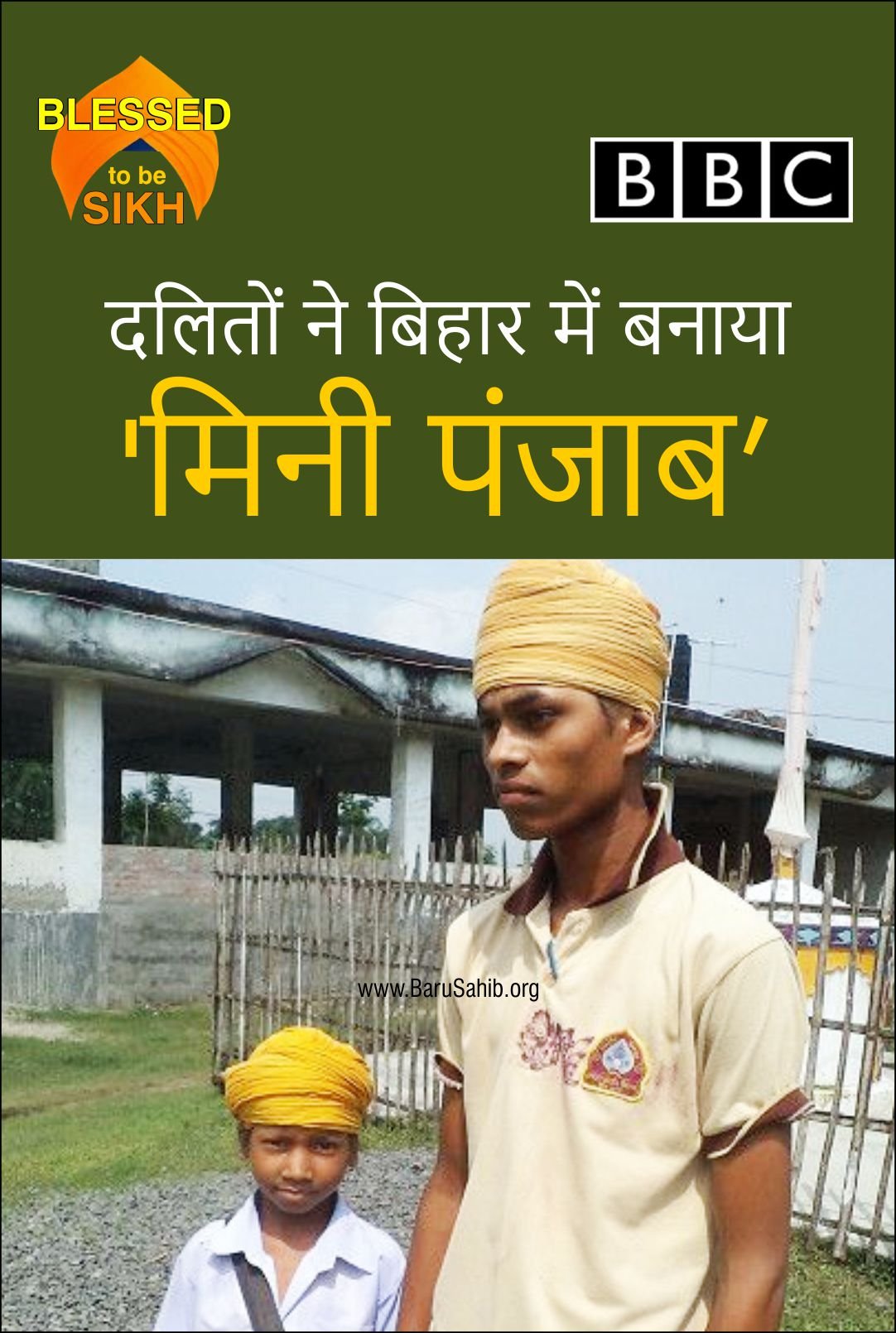
दलितों ने बिहार में बनाया ‘मिनी पंजाब’

बिहार की राजधानी पटना से क़रीब 300 किलोमीटर दूर बसे हैं दलितों के कुछ ऐसे गांव जहाँ पंच ककार यानी केश, कृपाण, कंघा, कड़ा और कच्छा का पूरा पालन होता है| यही नहीं यहाँ एक गुरुद्वारा भी है| ज़िले के ख़ास हलहलिया, नयानगर, ख़वासपुर, परमानन्दपुर, माणिकपुर और मजलत्ता गाँव में लगभग 200 ऐसे दलित महिला-पुरुष […]

बिहार की राजधानी पटना से क़रीब 300 किलोमीटर दूर बसे हैं दलितों के कुछ ऐसे गांव जहाँ पंच ककार यानी केश, कृपाण, कंघा, कड़ा और कच्छा का पूरा पालन होता है| यही नहीं यहाँ एक गुरुद्वारा भी है|

ज़िले के ख़ास हलहलिया, नयानगर, ख़वासपुर, परमानन्दपुर, माणिकपुर और मजलत्ता गाँव में लगभग 200 ऐसे दलित महिला-पुरुष हैं, जिन्होंने सिख धर्म को अपना लिया है|

ये सभी मूल रूप से ऋषिदेव (मांझी) समुदाय से आते हैं|
ख़ास हलहलिया गाँव में पहले फूस के श्रीअकाल तख़्त साहब गुरुद्वारा को दिसंबर, 1985 में पक्का बना दिया गया|

इस सबकी शुरुआत नरेंद्र सिंह ज्ञानी ने की थी. वो क़रीब 10 साल तक रोज़ी-रोटी के लिये पंजाब में रहे थे, ग़रीबी और बिहार में जातीय भेदभाव से पीछा छुड़ाने के लिए इन्होंने ख़ालसा पंथ अपना लिया था|

बाद में जब वो गाँव लौटे तो लोगों को अपने नए धर्म के प्रवचन और सत्संग सुनाए|
और लोगों में इसका प्रभाव बढ़ा वो उनके साथ होते गए|

और अस्सी के दशक में जिस बदलाव की गांव में शुरूआत हुई थी अब उसकी तीसरी पीढ़ी तैयार हो गई है|
पंजाब के कटाना साहब, खन्ना में क़रीब तीन साल काम कर चुके 35 साल के सरदार प्रमोद सिंह बताते हैं कि यह महादलितों का गाँव है|

यहां के गुरूद्वारे में ग्रंथी का काम वीरेन्द्र सिंह ज्ञानी कर रहे हैं. और हर रोज़ पांच वाणियों का जाप होता है|
लेकिन, ‘बदलाव’ की शुरुआत इतनी सहज नहीं थी और स्थानीय लोगों ने इसका विरोध किया था|

रूप सिंह कहते हैं, लोग कहते थे चाकू धारण कर आ गया है और ये सब वहां नहीं चलेगा. लेकिन, अब मामला ठीक है|
हम हर साल गुरुनानक देव और गुरु गोविंद सिंह की जयंती और बैशाखी धूमधाम से मनाते हैं|
सरदार संजय सिंह के मुताबिक़ सिख धर्म बराबरी का दर्जा देता है|
संजय सिंह कहते हैं, “लंगर में एक साथ सब खाते हैं| ऊँच-नीच वाली बात इसमें नहीं है, इसलिए उन्होंने इस मत को अपनाया है|”

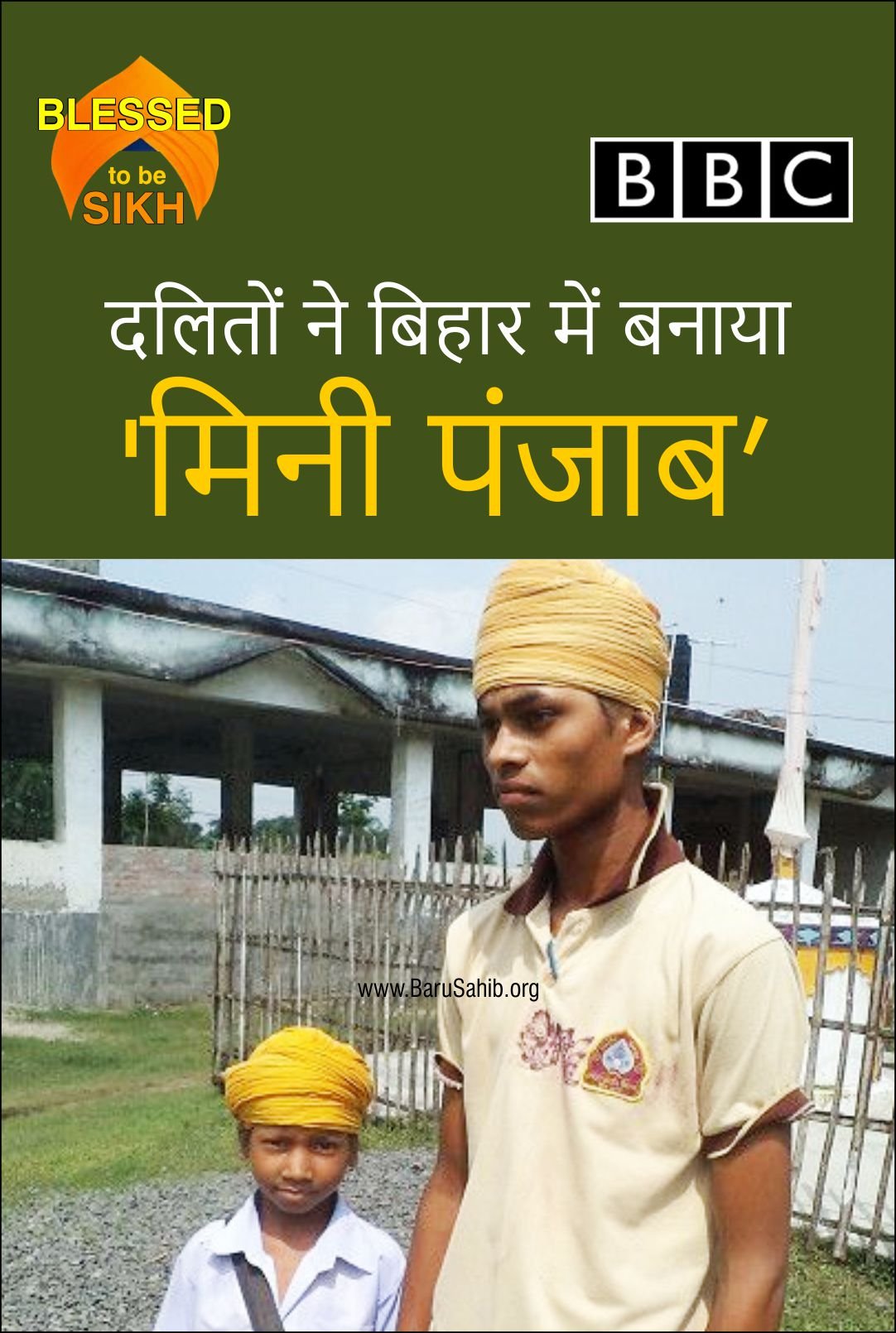
दलितों ने बिहार में बनाया ‘मिनी पंजाब’

बिहार की राजधानी पटना से क़रीब 300 किलोमीटर दूर बसे हैं दलितों के कुछ ऐसे गांव जहाँ पंच ककार यानी केश, कृपाण, कंघा, कड़ा और कच्छा का पूरा पालन होता है| यही नहीं यहाँ एक गुरुद्वारा भी है| ज़िले के ख़ास हलहलिया, नयानगर, ख़वासपुर, परमानन्दपुर, माणिकपुर और मजलत्ता गाँव में लगभग 200 ऐसे दलित महिला-पुरुष […]

बिहार की राजधानी पटना से क़रीब 300 किलोमीटर दूर बसे हैं दलितों के कुछ ऐसे गांव जहाँ पंच ककार यानी केश, कृपाण, कंघा, कड़ा और कच्छा का पूरा पालन होता है| यही नहीं यहाँ एक गुरुद्वारा भी है|

ज़िले के ख़ास हलहलिया, नयानगर, ख़वासपुर, परमानन्दपुर, माणिकपुर और मजलत्ता गाँव में लगभग 200 ऐसे दलित महिला-पुरुष हैं, जिन्होंने सिख धर्म को अपना लिया है|

ये सभी मूल रूप से ऋषिदेव (मांझी) समुदाय से आते हैं|
ख़ास हलहलिया गाँव में पहले फूस के श्रीअकाल तख़्त साहब गुरुद्वारा को दिसंबर, 1985 में पक्का बना दिया गया|

इस सबकी शुरुआत नरेंद्र सिंह ज्ञानी ने की थी. वो क़रीब 10 साल तक रोज़ी-रोटी के लिये पंजाब में रहे थे, ग़रीबी और बिहार में जातीय भेदभाव से पीछा छुड़ाने के लिए इन्होंने ख़ालसा पंथ अपना लिया था|

बाद में जब वो गाँव लौटे तो लोगों को अपने नए धर्म के प्रवचन और सत्संग सुनाए|
और लोगों में इसका प्रभाव बढ़ा वो उनके साथ होते गए|

और अस्सी के दशक में जिस बदलाव की गांव में शुरूआत हुई थी अब उसकी तीसरी पीढ़ी तैयार हो गई है|
पंजाब के कटाना साहब, खन्ना में क़रीब तीन साल काम कर चुके 35 साल के सरदार प्रमोद सिंह बताते हैं कि यह महादलितों का गाँव है|

यहां के गुरूद्वारे में ग्रंथी का काम वीरेन्द्र सिंह ज्ञानी कर रहे हैं. और हर रोज़ पांच वाणियों का जाप होता है|
लेकिन, ‘बदलाव’ की शुरुआत इतनी सहज नहीं थी और स्थानीय लोगों ने इसका विरोध किया था|

रूप सिंह कहते हैं, लोग कहते थे चाकू धारण कर आ गया है और ये सब वहां नहीं चलेगा. लेकिन, अब मामला ठीक है|
हम हर साल गुरुनानक देव और गुरु गोविंद सिंह की जयंती और बैशाखी धूमधाम से मनाते हैं|
सरदार संजय सिंह के मुताबिक़ सिख धर्म बराबरी का दर्जा देता है|
संजय सिंह कहते हैं, “लंगर में एक साथ सब खाते हैं| ऊँच-नीच वाली बात इसमें नहीं है, इसलिए उन्होंने इस मत को अपनाया है|”

Sikh Contestant In Popular Bakery Show In UK Racially Abused

A 28-year-old Sikh man in the UK, competing in a popular television bakery show, has suffered racist abuse after appearing in the first two episodes of the show, according to a media report. Rav Bansal, who has proved popular on The Great British Bake Off (GBBO) show, said he was asked whether he was a […]

A 28-year-old Sikh man in the UK, competing in a popular television bakery show, has suffered racist abuse after appearing in the first two episodes of the show, according to a media report.

Rav Bansal, who has proved popular on The Great British Bake Off (GBBO) show, said he was asked whether he was a “P***” by a stranger who referred to the “not-so-British Bake Off”.

“So today I was asked ‘Are you the p*** on the not so British bake off?’ Really, in 2016?,” he questioned on twitter yesterday alongside an angry-face emoticon.

Fellow contestant Benjamina Ebuehi replied to the tweet, saying “so horrible”. Meanwhile, another baker on this year’s show, Selasi Gbormittah, wrote, “What is happening?”

“This makes me livid! I’m sorry that these people exist! You’re great and absolutely British! Keep on keeping on!,” another wrote.

One of his fellow amateur bakers, replied to his tweet about the abuse, saying it was “so horrible”, the report said.

He is not the first Bake Off contestant to have suffered racist abuse. Last year’s winner 31-year-old Nadiya Hussain has previously spoken of insults and violence she suffered as British-Muslim at the hands of strangers.

“I’ve had things thrown at me and been pushed and shoved,” Bangladeshi-origin Mr Hussain had said recently.

Mr Bansal lives in Kent, south-east England, and studied criminology but went on to work in the field of student support at City University, London.

“He has an extremely strong bond with his sister who inspired him to bake. He has always been passionate about helping people and has volunteered for charities such as Victim Support. Rav is adventurous and experimental with his baking and likes to use a whole range of unusual ingredients,” reads Mr Bansal’s profile for the show on BBC.

He is one of ten remaining contestants on GBBO this year, and has won fans for his good-natured humour in the tent.

The GBBO has previously been praised for being one of the most ethnically diverse shows on prime time television.

The show has received record ratings this year, achieving more than 10 million overnight viewers for each of its first two episodes.

Sikh Contestant In Popular Bakery Show In UK Racially Abused

A 28-year-old Sikh man in the UK, competing in a popular television bakery show, has suffered racist abuse after appearing in the first two episodes of the show, according to a media report. Rav Bansal, who has proved popular on The Great British Bake Off (GBBO) show, said he was asked whether he was a […]

A 28-year-old Sikh man in the UK, competing in a popular television bakery show, has suffered racist abuse after appearing in the first two episodes of the show, according to a media report.

Rav Bansal, who has proved popular on The Great British Bake Off (GBBO) show, said he was asked whether he was a “P***” by a stranger who referred to the “not-so-British Bake Off”.

“So today I was asked ‘Are you the p*** on the not so British bake off?’ Really, in 2016?,” he questioned on twitter yesterday alongside an angry-face emoticon.

Fellow contestant Benjamina Ebuehi replied to the tweet, saying “so horrible”. Meanwhile, another baker on this year’s show, Selasi Gbormittah, wrote, “What is happening?”

“This makes me livid! I’m sorry that these people exist! You’re great and absolutely British! Keep on keeping on!,” another wrote.

One of his fellow amateur bakers, replied to his tweet about the abuse, saying it was “so horrible”, the report said.

He is not the first Bake Off contestant to have suffered racist abuse. Last year’s winner 31-year-old Nadiya Hussain has previously spoken of insults and violence she suffered as British-Muslim at the hands of strangers.

“I’ve had things thrown at me and been pushed and shoved,” Bangladeshi-origin Mr Hussain had said recently.

Mr Bansal lives in Kent, south-east England, and studied criminology but went on to work in the field of student support at City University, London.

“He has an extremely strong bond with his sister who inspired him to bake. He has always been passionate about helping people and has volunteered for charities such as Victim Support. Rav is adventurous and experimental with his baking and likes to use a whole range of unusual ingredients,” reads Mr Bansal’s profile for the show on BBC.

He is one of ten remaining contestants on GBBO this year, and has won fans for his good-natured humour in the tent.

The GBBO has previously been praised for being one of the most ethnically diverse shows on prime time television.

The show has received record ratings this year, achieving more than 10 million overnight viewers for each of its first two episodes.

Join the fight against the Drug Menace – Kalgidhar Trust appeals to Society

To highlight and create awareness about drug addiction, The Kalgidhar Trust, an international non-profit organisation with its headquarters at Baru Sahib, Sirmour, Himachal Pradesh, organised its second annual social and spiritual event “Shaam-e-Roohani 2016” at Punjab Kala Bhawan, Sector 16. The audience comprised eminent educationists, heads of colleges, schools, industries, doctors and retired officers of […]

To highlight and create awareness about drug addiction, The Kalgidhar Trust, an international non-profit organisation with its headquarters at Baru Sahib, Sirmour, Himachal Pradesh, organised its second annual social and spiritual event “Shaam-e-Roohani 2016” at Punjab Kala Bhawan, Sector 16.

The audience comprised eminent educationists, heads of colleges, schools, industries, doctors and retired officers of the tricity.

The trust’s Akal Drug De-Addiction Centre is located at Cheema Sahib, Sangrur, Punjab, which has successfully treated more than 4,500 addicts till now.

“The Kalgidhar Trust has taken up the mission of eradicating the drug menace in Punjab with a vision to open 22 de-addiction centres with the active support of our volunteers and the public,” said, Baba Iqbal Singh, president, The Kalgidhar Trust, while speaking on the occasion.

Dr (Col) Rajinder Singh, director, de-addiction projects, said though drug addiction was a global problem, it had a local dimension in the youth of Punjab because of the state’s proximity to the Golden Crescent
(Pakistan, Afghanistan and Iran).

“Through this event, we are making an appeal to society to join us in the fight against drug addiction. If we don’t take up this challenge now, then in next few years, every family in Punjab will have an addict, including ours,” he said.

Dr Singh informed the trust was now opening its new centre at Chunni Kalan, Fatehgarh Sahib, to help addicts in Chandigarh, Mohali, Panchkula and adjoining areas.

The foundation stone of Akal Drug De-Addiction and Rehab Centre, Chunni Kalan, Fatehgarh Sahib, was laid by Bada Iqbal Singh yesterday.

The unique feature of this centre would be to provide appropriate vocational skills to the inmates so that they could earn their livelihood and become respected members of society, informed Dr Singh.
Students present divine music, play

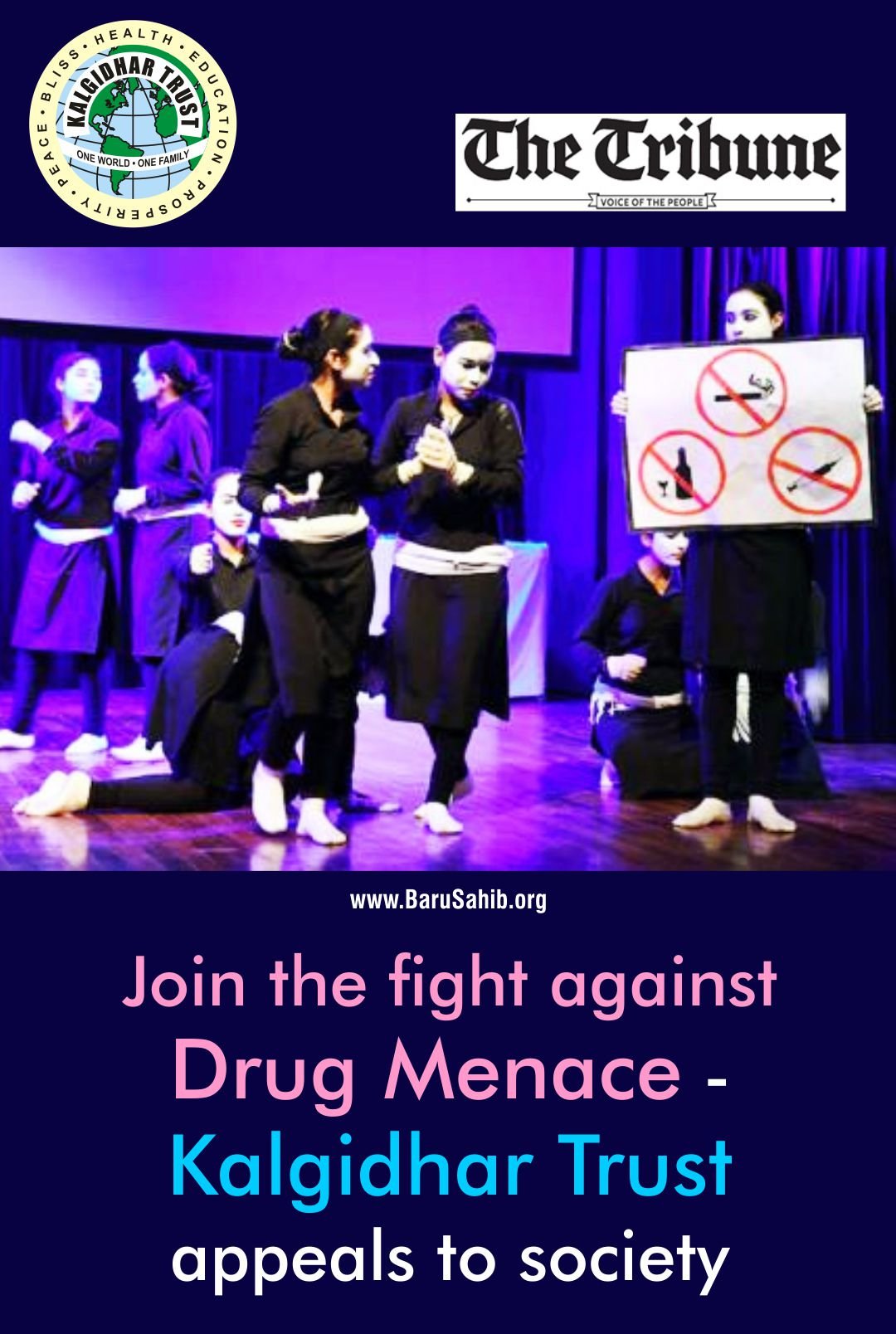
Over fifty students of the Akal College of Divine Music and the Akal College of Nursing presented a soulful divine music and a socially relevant play on drug abuse under the aegis of the Kalgidhar Trust, Baru Sahib, Himachal Pardesh, at the Randhwa auditorium here today.

Veritably titled “Shaam-e- Roohani-2016”, the programme included deliberations on the drug menace.
The programme commenced with an unique instrumental music recital and Shabad gayan by 16 girls and a boy under the direction of Dr Purvi.

They enthralled the audience with the rendition of a shabad, Bba Kahan khusi khuar.
Nursing students staged a play, “Tabah”, directed by Dr Kulbir Virk, and a mesmerising mime, “Heal the World”, presented by 23 students and directed by Kalpana, Savita and Mandeep.