Sikhs have always been a saviors since centuries!

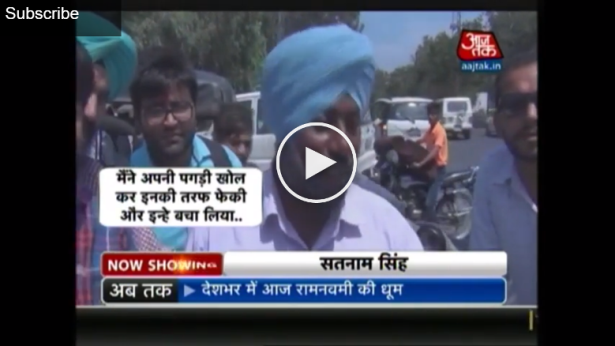
A Sikh sardaar, Satnam Singh, rescued a couple from being washed away in a canal by using his turban (pagdi) in Ludhiana. Satish had stepped into the canal to immerse Ashtami pooja items, when his foot slipped and he was swept away. His wife, who tried to rescue him, too fell into the canal. Luckily, a Sikh Sardar saved them by using his turban cloth as a rope.

~ Source: Aajtak

Baba Banda Singh Bahadur – The Game

It is available now on all the platforms! The game is inspired by the historic character and events. The game will surely mesmerize the users with its addictive and fun gameplay. 11 Destinations | 6 Battles Game links: For Android Demo Game : Click Here For Android Full Version : Click Here For Apple Devices: […]

It is available now on all the platforms!

The game is inspired by the historic character and events. The game will surely mesmerize the users with its addictive and fun gameplay.

11 Destinations | 6 Battles

Game links:

For Android Demo Game : Click Here

For Android Full Version : Click Here

For Apple Devices: Click Here

For Windows Devices: Search in store with Baba Banda Singh Bahadur name

Amazon Store: Click Here

War Fields:

Nanded -> Rajasthan -> Hissar -> Samana -> Sadhora -> Sirhind

Game Features:
– Virtual joystick for the movement of player
– Various combos which helps in fighting
– Camera position changes according the scene
– Lot of battle sequences
– Save player from puzzles and traps of enemies
– Dynamic Gameplay

Play | Review | Share

Thanks for the patience and support!

Anmol Sakhiyan – Sukhmani Sahib!

ਇਕ ਦਿਨ ਪੰਜਵੇਂ ਪਾਤਸ਼ਾਹ ਧੰਨ ਧੰਨ ਗੁਰੂ ਅਰਜਨ ਦੇਵ ਜੀ ਅਮ੍ਰਿਤ ਵੇਲੇ ਇਸਨਾਨ ਕਰਕੇ ਬੇਰੀ(ਰਾਮਸਰ) ਦੇ ਨੀਚੇ ਬੈਠੇ ਸਨ| ਬਾਬਾ ਬੁਢਾ ਜੀ ਅਤੇ ਭਾਈ ਗੁਰਦਾਸ ਜੀ ਗੁਰੂ ਜੀ ਕੋਲ ਆ ਕੇ ਬੇਨਤੀ ਕਰਨ ਲਗੇ “ਗਰੀਬ ਨਵਾਜ਼, ਆਪ ਜੀ ਤੇ ਬਾਕੀ ਚਾਰ ਸਤਗੁਰੂ ਸਾਹਿਬਾਨ ਜੀ ਦੀ ਬਾਨੀ ਵਿਚ ਮਨੁਖ ਨੂੰ ਸਵਾਸ ਸਵਾਸ ਨਾਮ ਜਪਣ ਲਈ ਕਿਹਾ […]

ਇਕ ਦਿਨ ਪੰਜਵੇਂ ਪਾਤਸ਼ਾਹ ਧੰਨ ਧੰਨ ਗੁਰੂ ਅਰਜਨ ਦੇਵ ਜੀ ਅਮ੍ਰਿਤ ਵੇਲੇ ਇਸਨਾਨ ਕਰਕੇ ਬੇਰੀ(ਰਾਮਸਰ) ਦੇ ਨੀਚੇ ਬੈਠੇ ਸਨ|

ਬਾਬਾ ਬੁਢਾ ਜੀ ਅਤੇ ਭਾਈ ਗੁਰਦਾਸ ਜੀ ਗੁਰੂ ਜੀ ਕੋਲ ਆ ਕੇ ਬੇਨਤੀ ਕਰਨ ਲਗੇ “ਗਰੀਬ ਨਵਾਜ਼, ਆਪ ਜੀ ਤੇ ਬਾਕੀ ਚਾਰ ਸਤਗੁਰੂ ਸਾਹਿਬਾਨ ਜੀ ਦੀ ਬਾਨੀ ਵਿਚ ਮਨੁਖ ਨੂੰ ਸਵਾਸ ਸਵਾਸ ਨਾਮ ਜਪਣ ਲਈ ਕਿਹਾ ਹੈ| ਪਰ ਹਰ ਬੰਦੇ ਦੇ ਵਸ ਦਾ ਨਹੀ ਸਵਾਸ ਸਵਾਸ ਨਾਮ ਸਿਮਰਨਾ ਫਿਰ ਮਨੁਖ ਦਾ ਉਧਾਰ ਕਿਵੇਂ ਹੋਵੇਗਾ| ਮਹਾਰਾਜ ਜੀ ਤੁਸੀਂ ਐਸੀ ਬਾਨੀ ਉਚਰਣ ਕਰੋ ਜਿਸਨੂੰ ਜਪ ਕੇ ਬੰਦਾ ਆਪਣੇ ਸਵਾਸਾਂ ਨੂੰ ਲੇਖੇ ਲਾ ਸਕੇ ਜੋ ਪੜ੍ਹਨ ਅਤੇ ਸਮਝਣ ਵਿਚ ਅਸਾਨ ਹੋਵੇ|

ਓਹਨਾਂ ਦੀ ਬੇਨਤੀ ਸੁਨ ਕੇ ਮਹਾਰਾਜ ਜੀ ਨੇ ਰਾਮਸਰ ਸਰੋਵਰ ਦੇ ਕੰਡੇ ਬੈਠ ਕੇ ਸੁਖਮਨੀ ਸਾਹਿਬ ਜੀ ਦੀ ਬਾਨੀ ਉਚਾਰਨ ਕਿੱਤੀ|

ਸੁਖਮਨੀ ਸਾਹਿਬ ਦੀ ਬਾਨੀ ਵਿਚ 24 ਅਸਟਪਦੀਆਂ, 24 ਸ਼੍ਲੋਕ ਅਤੇ ਹਰ ਅਸ਼ਟਪਦੀ ਵਿਚ 8 ਪਦੇ ਹਨ, ਤੇ ਹਰ ਪਦੇ ਵਿਚ 10 ਪੰਗਤੀਆਂ ਹਨ, ਕੁਲ ਮਿਲਾ ਕੇ 24000 ਅਖਰ ਹਨ|

ਬੰਦੇ ਨੂੰ ਪੂਰੇ ਦਿਨ ਵਿਚ 24000 ਸ਼ਵਾਸ ਆਂਦੇ ਨੇ ਤੇ ਸੁਖਮਨੀ ਸਾਹਿਬ ਦਾ ਏਕ ਪਾਠ ਰੋਜ਼ਾਨਾ ਕਰ ਕੇ ਬੰਦਾ ਆਪਣੇ 24000 ਸ਼ਵਾਸ ਲੇਖੇ ਲਾ ਸਕਦਾ ਹੈ|

The First Ever Sikh Marshal of the Indian Air Force!

Arjan Singh, Marshal of the Indian Air force, is the only Indian officer with a five-star rank still alive. The story of his active service begins in December 1939 when he was commissioned into the Royal Indian Air Force (RIAF) for World War II. He was immediately engaged in the war in the North West […]

Arjan Singh, Marshal of the Indian Air force, is the only Indian officer with a five-star rank still alive. The story of his active service begins in December 1939 when he was commissioned into the Royal Indian Air Force (RIAF) for World War II. He was immediately engaged in the war in the North West Frontier Province against Pashtuns.

In 1943, he fought against Japanese in Imphal and against aggressors from Pakistan in Kashmir in 1947. He then led India in the 1965 war against Pakistan in which Air Force was engaged for the first time.

An exclusive interview is published on DSA Magzine on Arjan Singh, Marshal of the Indian Air Force and a perfect personification of the highest amplitude of a bona fide defence officer on his 97th Birthday, 15th April. Marshal Arjan Singh has exemplified patriotism and is synonymous with courage, duty, respect, selfless service, moral values and ethics. He is an embodiment of honour and integrity around the world.

The valour with which Arjan Singh led the Indian Air Force in the ’65 war made him the force’s Air Chief Marshal. He was also awarded with a Padma Vibhushan and in 2002 he was named as the first ever Marshal of the Indian Air Force.

~ Source : Sikh Discover Inspire

Who was Bhai Sati Das?

Bhai Sati Das Ji (died 1675) along with his elder brother Bhai Mati Das Ji is one of the greatest martyrs in Sikh history. Bhai Sati Das Ji and his elder brother Bhai Mati Das Ji were followers of ninth Sikh Guru, Guru Tegh Bahadur Sahib Ji. Bhai Sati Das Ji, Bhai Mati Das Ji […]

Bhai Sati Das Ji (died 1675) along with his elder brother Bhai Mati Das Ji is one of the greatest martyrs in Sikh history. Bhai Sati Das Ji and his elder brother Bhai Mati Das Ji were followers of ninth Sikh Guru, Guru Tegh Bahadur Sahib Ji. Bhai Sati Das Ji, Bhai Mati Das Ji and Bhai Dyal Das Ji were all executed at Kotwali (police-station) near the Sunehri Masjid in the Chandni Chowk area of Old Delhi, under the express orders of Emperor Aurangzeb.

Early life

Bhai Sati Das Ji was a Mohyal Brahmin of the Chhibber clan. He belonged to the village of Karyala, a stronghold of the Chhibbers, in the Jhelum District in Punjab (Pakistan), about ten kilometres from Chakwal on the road to the Katas Raj Temple Complex. The village stands on the top of the Surla hills. This part of the country is known as Dhani meaning rich. A few kilometres away are the Salt Mines and coal mines of Dandot. The Katas lake is beautiful. Legend connects it to the Mahabharata. It is believed to be the very pool, where the Pandava, Yudhishtira was tested by his father, Lord Yama/Dharma in the form of a Yaksha. A great Hindu fair used to be held there up to 1947.

Devotion to the Gurus

Bhai Sati Das Ji was the son of Hira Nand, a disciple of Guru Har Gobind Singh Ji, under whom he had fought in many battles. He survived the Guru, and a little before his death he had entrusted his two sons, Bhai Mati Das and Bhai Sati Das to the care of Guru Har Rai Sahib Ji, who had assured the dying man of his full attention and help. Both the lads remained attached to the Guru’s family at Kiratpur. When Guru Har Krishan Sahib Ji was summoned to Delhi by Aurangzeb, both the brothers, Bhai Mati Das Ji and Bhai Sati Das Ji, were present in his entourage along with Bhai Dyal Das Ji and Bhai Gurditta Ji, a descendant of Bhai Budha Ji (different from Baba Gurditta Ji, the son of Guru Hargobind Sahib Ji, brother of Guru Tegh Bahadur Sahib Ji and father of Guru Har Rai Ji).

Guru Tegh Bahadur Sahib Ji

On Guru Har Krishan Sahib Ji’s death at Delhi, these two brothers were included in the deputation of five men containing Bhai Dyal Das Ji and Bhai Gurditta Ji to declare the nomination of Tegh Bahadur Ji as the ninth Guru at the village of Bakala where the new Guru was then residing. The Guru was pleased to offer the two important portfolios of finance and home departments to Bhai Mati Das Ji and Bhai Sati Das Ji respectively. Both knew Persian well, and were quite familiar with the working of the Guru’s durbar. The departmnent of household affairs was entrusted to Bhai Dyal Das.

While Bhai Mati Das Ji was Dewan at Guru’s court, Bhai Sati Das Ji was a writer cum translator of a high calibre. He was a scholar of Persian language. He used to write in Persian, the utterings of Guru ji which were later translated and written in Gurmukhi script by him.

The two brothers accompanied Guru Tegh Bahadur Sahib Ji during his journey to Assam. Guru Tegh Bahadur Sahib Ji bought a hillock near the village of Makhowal five miles north of Kiratpur and established a new town, which he named as Anandpur (the abode of bliss). Bhai Mati Das Ji and Bhai Sati Das Ji were present at the foundation of Anandpur. The Guru’s council of administration then consisted of Bhai Mati Das Ji, Bhai Sati Das Ji, Bhai Dyal Das Ji and Bhai Gurditta Ji. When the Guru was arrested and taken to Delhi, these four persons followed the Guru.

Martyrdom

Bhai Sati Das ji tortured and executed by the muslims at Delhi, the Guru and his four companions were summoned into the council chamber of the Red Fort. The Guru was asked numerous questions on religion, Hinduism, Sikhism and Islam. It was suggested to the Guru that he should embrace Islam. On the Guru’s emphatic refusal to abjure his faith, he was asked why he was called Tegh Bahadur (gladiator or Knight of the Sword; before this, his name had been Tyag Mal). Bhai Mati Das Ji immediately replied that the Guru had won the title by inflicting a heavy blow on the imperial forces at the young age of fourteen. He was reprimanded for his breach of etiquette and outspokenness. As for the Kashmiri Pandits, it was his duty to raise his voice against cruelty and injustice. The Guru and his companions were ordered to be imprisoned and tortured until they agreed to embrace Islam.

After a few days, Guru Tegh Bahadur and three of his companions were produced before the Qazi of the city. Bhai Gurditta Ji had managed to escape. He remained in hiding in the city, and in spite of all the efforts of the Government, he could not be traced. The Qazi turned to Mati Das first and asked him to embrace Islam. He refused to do so. He was condemned to an instantaneous death.

The executioners were called and the Guru and all the three of his companions were made to sit at the place of the execution. Bhai Sati Das Ji approached the Guru with folded hands and asked for his blessings, saying that he was happy to be the first to achieve martyrdom.

The Guru blessed him telling that they must resign themselves cheerfully to the will of the Lord. He praised him for his lifelong single-minded devotion to him and his cause. With tears in his eyes, he bade him farewell saying his sacrifice would occupy an abiding place in history. Bhai Mati Das touched the Guru’s feet, embraced his friend and brother, and came to his place.

Bhai Dayal Das and Bhai Mati Das

Bhai Dyal Das abused the Emperor and his courtiers for this infernal act. He was tied up like a round bundle and thrown into a huge cauldron of boiling oil. He was roasted alive into a block of charcoal. Mati Das condemned these brutalities. He was hacked to pieces limb by limb. The Guru witnessed all this savagery with divine calm.

Guru Tegh Bahadur’s Martyrdom

Bhai Mati Das Ji, Bhai Dyal Das Ji and Bhai Sati Das Ji were tortured and executed on three consecutive days.

With the execution of Bhai Sati Das JI, the Kazis of Emperor Aurangzeb were disheartened and dismayed. They were expecting that at least one among the three of Guru’s Sikhs would be attracted by lures of luxurious lives out of love for life and agreed to get converted to Islam.

Now they were left with no illusions that they could still persuade the 9th Guru of the Sikhs to adopt Islam, thereby opening the floodgate of conversion of the Hindus of India into Islam.

The disciples of Sikh Gurus derive inspiration from these three sikh martyrs for all time to come and emulate their examples that no sacrifice is too high for one’s religion and faith.

Guru Tegh Bahadur Ji was beheaded by an executioner called Jalal-ud-din Jallad, who belonged to the town of Samana in present-day Haryana. The spot of the execution was under a banyan tree (the trunk of the tree and well near-by where he took a bath are still preserved), opposite the Sunheri Masjid near the Kotwali in Chandni Chowk where he was lodged as a prisoner, on November 11, 1675.

His head was carried by Bhai Jaita Ji, a disciple of the Guru, to Anandpur where the nine-year old Guru Gobind Singh Ji cremated it(The gurdwara at this spot is also called Gurdwara Sis Ganj Sahib). The body, before it could be quartered, was stolen under the cover of darkness by Bhai Lakhi Shah Vanjara, another disciple who carried it in a cart of hay and cremated it by burning his hut. At this spot, the Gurdwara Rakab Ganj Sahib stands today. Later on, the Gurdwara Sis Ganj Sahib, was built at Chandni Chowk at the site of Guru’s martyrdom.

Legacy

In recognition of the devotion and supreme sacrifice made by Bhai Mati Das Ji, Guru Tegh Bahadur Ji bestowed the title of Bhai on him. In course of time, all Chhibbers belonging to the village of Karyala adopted this title.

~ Source: Wikipedia

Life story of Great Sikh Martyr Bhai Taru Singh!

Born in Punjab during the reign of the Mughal Empire, Bhai Taru Singh was raised as a Sikh by his widowed mother, Bibi Dharam Kaur as his father, Bhai Jodh Singh had died in battle. He had a younger sister named Bibi Tar Kaur. He was a pious Sikh who following the teachings of the […]

Born in Punjab during the reign of the Mughal Empire, Bhai Taru Singh was raised as a Sikh by his widowed mother, Bibi Dharam Kaur as his father, Bhai Jodh Singh had died in battle.

He had a younger sister named Bibi Tar Kaur. He was a pious Sikh who following the teachings of the Sikh Gurus, worked hard tilling his land diligently and lived frugally; although not a rich man, he was always happy and did much for his Sikh brothers and sisters.

Bhai Taru Singh was the son of Shaheed Bhai Jodh Singh and Bibi Dharam Kaur, a Sandhu Jatt family of Puhla village, in Amritsar district of the Punjab.

Bhai Taru Singh (c. 1720[1] – 1745) gave up his life for his religion, he chose to die than to give up his religion. The emperor was a muslim and wanted everyone to become a muslim.

Whatever Bhai Taru Singh saved, went to his Sikh brethren forced into exile by muslim persecution. Bhai Taru Singh was spied upon by Akil Das (also known as Harbhagat Niranjania) of Jandiala, a muslim informer. As the Prachin Panth Prakash narrates the story, Zakariya Khan once asked his men, “From where do the Sikhs obtain their nourishment? I have debarred them from all occupations. They realize no taxes. They do not farm, nor are they allowed to do business or join public employment. I have stopped all offerings to their gurdwaras, their places of worship. No provisions or supplies are accessible to them. Why do they not die of sheer starvation?”
Harbhagat, a sworn foe of the Sikhs, remarked, “There are Sikhs in this world who would not eat until they have fed their brethren. They may themselves go without food and clothing but cannot bear their comrades’ distress. They would pass the winter by fireside and send them their own clothes. They would sweat to grind corn and have it sent to them. They would do the roughest chore to earn a small wage for their sake. They migrate to distant places to eke out money for their brothers in exile.”

“In the village of Puhla in Majha,” continued Harbhagat, “lives one Taru Singh. He tills his land and pays the revenue to the officials. He eats but little and sends what he saves to his brothers in the jungle. His mother and sister both toil and grind to make a living. They eat sparingly and wear the coarsest homespun. Whatever they save, they pass on to their fellow Sikhs.”
Accompanied by twenty policemen and armed with orders of arrest of Bhai Taru Singh and his sister, Harbhagat Niranjania arrived in the village Puhla. Bhai Taru Singh said to the soldiers who had come to arrest him, “You have come to take me away on the orders of your master. I, bound by the orders of my Master, and cannot let you go without eating meals.” The soldiers acceded to his request and after taking meals, arrested him.

Bhai Taru’s hair could not be removed so instead his scalp was removed and thrown on the floor by muslims.

While Bhai Taur Singh was arrested and being taken away, the villagers protested and pleaded with the policemen to set Bhai Taru Singh free since he was a very noble, peace loving and kind hearted person. However, their plea fell on deaf ears.

While the police party was passing through village Bhadhana the Sikhs of the village tried to free Bhai Taru Singh by force, but Bhai Taru Singh persuaded them to desist from doing so.
When Bhai Taru Singh was caught along with his sister, many Sikhs offered to rescue them. However, Bhai Taru Singh said that he wanted to show mughals that Sikhs are not afraid of death. After convincing him otherwise, Bhai Taru Singh allowed his sister to be rescued. Sikhs and other villagers paid bribes and his sister managed to escape. Though his sister’s freedom was secured, Bhai Taru Singh refused to seek a pardon. Bhai Taru Singh Ji had taken amrit from Bhai Mani Singh Ji and was much influenced by him.
Bhai Taru Singh was locked in a prison cell and was tortured in various ways. The more they tortured him, the more Bhai Taru Singh became stead fast in his resolve to protect his faith at all costs.

Ultimately, Bhai Taru Singh was produced before Zakariya Khan and greeted him with the Sikh greeting: Waheguru Ji Ka Khalsa, Waheguru Ji Ki Fateh. When charged with sedition, he said, “I earn my livelihood by cultivating my land and working hard. I make payments of land tax regularly, which can be verified from the records. If I engage in commerce, I pay taxes. What is left after our payments is for our bellies. What we save from our mouths, we give to our brethren. We take nothing from you. Why then do you punish us?”
Zakariya Khan was in a rage and could not think of an appropriate answer, Khan asked Bhai Taru Singh where he got his strength from. Bhai Taru Singh said he got his strength through his kesh (hair) as given by Guru Gobind Singh. Angered, Zakariya Khan then gave him the choice of converting to Islam or having his hair cut off and death by torture. Bhai Taru Singh calmly asked, “Will I never die if I become a musalmaan? Don’t muslims die? I am going to die one day, irrespective of my religion, so why should I desert my faith? of which I am extremely proud of? Why should I commit such an act as to fall out of favour of my beloved Guru? If God had wanted me to be a muslim, I would have been born to Muslim parents. I love my faith more than my life and I will defend it at all costs.”

Zakariya Khan then said, ‘If you convert to Islam, you will be given a beautiful wife from a high mughal family. You will be given riches and a high position. You will lead a life of happiness and pleasure. If you refuse, you hair will be forcibly cut off and you will be subjected to severe tortures. Finally, you will beheaded or broken on the wheel. Be well advised. Don’t throw away your life and all that it can offer you.’ Bhai Taru Singh firmly and defiantly refused to give up his faith. He said, ‘Even if I were offered kingship of the whole world, even if all the beauties of paradise were offered to me as my personal servants, even if the treasure of the entire world were placed at my feet, I would not give up my religion. It is far more precious and dear than all these. I would not let my hair be cut, not even a single hair. I am prepared to die. May God and the Guru let me die with my hair all intact.’

Khan called a barber to cut Bhai Taru Singh’s hair. However, when the barbers tried to cut Bhai Taru’s hair it was as hard as iron. Bhai Taru Singh said, “I have kept my faith with my hair”. The barber refused to continue trying to cut Bhai Taru’s kesh so Zakariya Khan called a cobbler and ordered him to cut the scalp of Bhai Taru Singh with his axe. Amidst the torture Bhai Sahib could only be heard reciting Japji Sahib.

That very evening, Zakariya Khan was thinking about the events of the day. He suddenly found he could not pass urine. He was in agony and thought he was going mad. All his medical specialists did their best, but there was no effect. When the efforts of the physicians failed, Zakariya Khan sent Bhai Subeg Singh to seek pardon from the Sikhs. He sent him to the leader of Dal Khalsa. The leader said, “Zakariya Khan will pass urine if he takes the shoe of Bhai Taru Singh and hits himself on the head with it but he has committed a great sin and is destined to die before Bhai Taru Singh.

When Khan took the shoe of Bhai Taru Singh and hit his head with it, he was able to urinate. Unfortunately, the pain returned, Khan was having to hit his head harder and harder every day. After surviving for 22 days with the help of that shoe, the Governor died on the 1st July, 1745 A.D. Bhai Taru Singh gave up this mortal body after hearing about the death of the Governor.

~ Source: Sikh Awareness Society

ਸੁਰਿੰਦਰ ਕੌਰ, ਅੰਤਰਾਸ਼ਟਰੀ ਖੇਡਾਰਣ ਇਕ ਹੋਰ ਗੋਲ੍ਡ ਮੇਡਲ ਲਈ ਤਿਆਰ

ਸੁਰਿੰਦਰ ਕੌਰ, ਅੰਤਰਾਸ਼ਟਰੀ ਖੇਡਾਰਣ ਇਕ ਹੋਰ ਗੋਲ੍ਡ ਮੇਡਲ ਲਈ ਤਿਆਰ, ਕਮੀ ਹੋਂਸਲੇ ਦੀ ਨਹੀ ਪੈਸੇ ਦੀ ਹੈ | ਸਿੰਗਾਪੁਰ ਵਿਚ 4 ਤੋ 8 ਮਈ 2016 ਨੂੰ ਆਯੋਜਿਤ ਹੋਣ ਵਾਲੀਆਂ ਏਸ਼ੀਅਨ ਮਾਸਟਰ ਗੇਮ੍ਸ ਵਿਚ ਭਾਰਤ ਦੀ ਨੁਮਾਇੰਦਗੀ ਕਰਣ ਲਈ 53 ਸਾਲਾ ਸੁਰਿੰਦਰ ਕੌਰ ਪੰਚਾਇਤੀ ਸਟੇਡਿਯਮ ਦਸਯੂ ਵਿਖੇ ਜੀ ਜਾਨ ਨਾਲ ਮਿਹਨਤ ਕਰਨ ਉਪਰੰਤ ਚੁਣੀ ਗਈ ਹੈ […]

ਸੁਰਿੰਦਰ ਕੌਰ, ਅੰਤਰਾਸ਼ਟਰੀ ਖੇਡਾਰਣ ਇਕ ਹੋਰ ਗੋਲ੍ਡ ਮੇਡਲ ਲਈ ਤਿਆਰ, ਕਮੀ ਹੋਂਸਲੇ ਦੀ ਨਹੀ ਪੈਸੇ ਦੀ ਹੈ |

ਸਿੰਗਾਪੁਰ ਵਿਚ 4 ਤੋ 8 ਮਈ 2016 ਨੂੰ ਆਯੋਜਿਤ ਹੋਣ ਵਾਲੀਆਂ ਏਸ਼ੀਅਨ ਮਾਸਟਰ ਗੇਮ੍ਸ ਵਿਚ ਭਾਰਤ ਦੀ ਨੁਮਾਇੰਦਗੀ ਕਰਣ ਲਈ 53 ਸਾਲਾ ਸੁਰਿੰਦਰ ਕੌਰ ਪੰਚਾਇਤੀ ਸਟੇਡਿਯਮ ਦਸਯੂ ਵਿਖੇ ਜੀ ਜਾਨ ਨਾਲ ਮਿਹਨਤ ਕਰਨ ਉਪਰੰਤ ਚੁਣੀ ਗਈ ਹੈ ਪਰ ਪੈਸੇ ਦੀ ਕਮੀ ਵਜੋ ਸਿੰਗਾਪੁਰ ਭਾਗ ਨਹੀ ਲੈ ਸਕਦੀ ਜਿਸ ਦਾ ਓਹਨਾਂ ਨੂੰ ਬਹੁਤ ਅਫਸੋਸ ਹੈ |

ਇਸ ਤੋਂ ਪਹਿਲਾ ਵੀ ਓਹਨਾਂ ਨੇ ਭਾਰਤ ਵਾਸਤੇ ਅਨਗਿਣਤ ਅੰਤਰਰਾਸ਼ਟਰੀ ਪਦਰ ਦੇ ਮੁਕਾਬਲੇ ਜਿੱਤੇ ਹਨI ਮਲੇਸ਼ਿਆ ਤੇ ਚੀਨ ਵਿਖੇ ਹੋਇਆ 300 ਮੀਟਰ ਹਰਡਲ, 200 ਅਤੇ 40 ਮੀਟਰ ਦੀ ਰੇਸ ਵਿਚ ਦੇਸ਼ ਵਾਸਤੇ ਕਈ ਸੋਨੇ ਚਾਂਦੀ ਅਤੇ ਕਾੰਸੇ ਦੇ ਤਮਗੇ ਲਿਆਏ ਹਨ | ਆਪਣੇ ਕੋਲ ਪੈਸੇ ਦੀ ਕਮੀ ਕਰਕੇ ਓਹ ਰਾਜ ਸਰਕਾਰ ਤੋ ਮਦਦ ਦੀ ਉਮੀਦਾਂ ਲਾਈ ਹਨ |

ਦਸਵੀ ਕਲਾਸ ਪਾਸ ਅਤੇ ਇਕ ਖੇਤੀ ਵਿਕਾਸ ਬੈੰਕ ਦਸਯੂ ਵਿਖੇ ਚੋਥੀ ਸ਼੍ਰੇਣੀ ਦੀ ਕਰਮਚਾਰੀ ਸੁਰਿੰਦਰ ਕੌਰ ਨੂੰ ਇਸ ਗੱਲ ਦਾ ਵੀ ਅਫਸੋਸ ਹੈ ਕੀ ਦੇਸ਼ ਵਾਸਤੇ ਇੰਨਾਂ ਨਾਮ ਕਮਾਨ ਦੇ ਬਾਵਜੂਦ ਓਹਨਾਂ ਨੂੰ ਕੰਮ ਚ ਤਰੱਕੀ ਨਹੀ ਮਿਲ ਪਾਈ |

ਬਚਪਨ ਤੋ ਹੀ ਅਥਲੈਟਿਕ ਚੁਣ ਲਈ ਸੀ ਪਰ ਪੈਸੇ ਦੇ ਅਭਾਵ ਕਾਰਨ ਕੁਝ ਨਹੀ ਕਰ ਸਕੀ ਸੁਰਿੰਦਰ ਕੌਰ ਦੇ ਪਤੀ ਤਬੀਅਤ ਠੀਕ ਨਾ ਹੋਣ ਕਰਕੇ ਕੁਝ ਨਹੀ ਕਰਦੇ |

Akal Academy Pedagogical Leadership Team at Hyderabad!

The Director, Dr. Davinder Singh and the Principal, Dr. Neelam Kaur attended the IB Asia Pacific Annual Conference at International Convention Centre Hyderabad. P D Mani, the PYP Coordinator attended the IB Pre- Conference workshop. It was a great opportunity for them to interact with experts and workshop leaders from IB as well as the […]

The Director, Dr. Davinder Singh and the Principal, Dr. Neelam Kaur attended the IB Asia Pacific Annual Conference at International Convention Centre Hyderabad.

P D Mani, the PYP Coordinator attended the IB Pre- Conference workshop.

It was a great opportunity for them to interact with experts and workshop leaders from IB as well as the pedagogical leaders of other schools from around the globe. The team also visited the Sreenidhi International School and the Silver Oaks International School.

~ Jasvinder Kaur
~ New Delhi, 9th April ’16

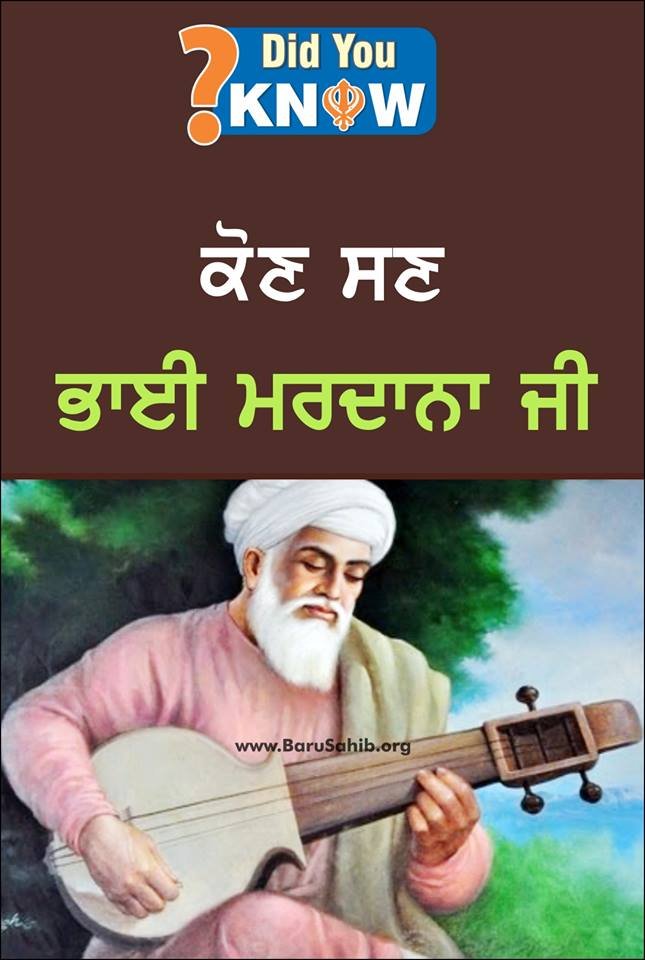
Did You Know Who is Bhai Mardana Ji!

ਭਾਈ ਮਰਦਾਨਾ (1459-1534), ਗੁਰੂ ਨਾਨਕ ਦੇ ਉਹ ਸਾਥੀ ਸਨ ਜਿਸਨੇ ਉਨ੍ਹਾਂ ਦਾ ਸਾਥ ਪੂਰੇ ਸੰਤਾਲੀ ਸਾਲ ਦਿਤਾ। ਭਾਈ ਮਰਦਾਨੇ ਲਈ ਪਹਾੜੀਆਂ ਦੀ ਸਰਦੀ, ਰੇਗਿਸਤਾਨਾਂ ਦੀ ਗਰਮੀ, ਜੰਗਲਾਂ ਵਿੱਚ ਜਾਨਵਰਾਂ ਦਾ ਡਰ, ਉਜਾੜ ਅਤੇ ਵੀਰਾਨੇ ਵਿੱਚ ਭੁੱਖ ਪਿਆਸ ਜਾਂ ਘਰ ਦਾ ਮੋਹ, ਗੁਰੂ ਦਾ ਸਾਥ ਦੇਣ ਵਿੱਚ ਔਕੜ ਨਾ ਬਣੇ। ਗੁਰੂ ਨੇ ਉਸ ਵਿੱਚੋਂ ਪੰਜ ਵਿਕਾਰ-ਕਾਮ, […]

ਭਾਈ ਮਰਦਾਨਾ (1459-1534), ਗੁਰੂ ਨਾਨਕ ਦੇ ਉਹ ਸਾਥੀ ਸਨ ਜਿਸਨੇ ਉਨ੍ਹਾਂ ਦਾ ਸਾਥ ਪੂਰੇ ਸੰਤਾਲੀ ਸਾਲ ਦਿਤਾ। ਭਾਈ ਮਰਦਾਨੇ ਲਈ ਪਹਾੜੀਆਂ ਦੀ ਸਰਦੀ, ਰੇਗਿਸਤਾਨਾਂ ਦੀ ਗਰਮੀ, ਜੰਗਲਾਂ ਵਿੱਚ ਜਾਨਵਰਾਂ ਦਾ ਡਰ, ਉਜਾੜ ਅਤੇ ਵੀਰਾਨੇ ਵਿੱਚ ਭੁੱਖ ਪਿਆਸ ਜਾਂ ਘਰ ਦਾ ਮੋਹ, ਗੁਰੂ ਦਾ ਸਾਥ ਦੇਣ ਵਿੱਚ ਔਕੜ ਨਾ ਬਣੇ। ਗੁਰੂ ਨੇ ਉਸ ਵਿੱਚੋਂ ਪੰਜ ਵਿਕਾਰ-ਕਾਮ, ਕ੍ਰੋਧ, ਲੌਭ, ਮੋਹ ਅਤੇ ਹੰਕਾਰ ਕੱਢ ਕੇ ਪੰਜ ਗੁਣ-ਸਤ ਸੰਤੋਖ ਸਬਰ, ਦਇਆ ਅਤੇ ਧਰਮ ਉਸ ਵਿੱਚ ਭਰ ਦਿੱਤੇ ਸਨ। ਉਸਨੂੰ ਇੱਕ ਸੰਤ ਅਤੇ ਸਾਰਿਆਂ ਦਾ ਭਰਾ ਹੋਣ ਦਾ ਮਾਣ ਬਖਸ਼ ਦਿੱਤਾ ਸੀ।

ਭਾਈ ਮਰਦਾਨੇ ਦਾ ਜਨਮ 1459 ਨੂੰ ਰਾਇ-ਭੋਇ ਦੀ ਤਲਵੰਡੀ ਵਿੱਚ ਹੋਇਆ। ਭਾਈ ਮਰਦਾਨਾ ਗੁਰੂ ਜੀ ਨਾਲੋਂ ਉਮਰ ਵਿੱਚ ਨੌਂ ਸਾਲ ਵੱਡਾ ਸੀ। ਉਸ ਦਾ ਪਿਤਾ, ਮੀਰ ਬਾਦਰੇ ਪਿੰਡ ਦਾ ਮਰਾਸੀ ਸੀ। ਉਨ੍ਹਾਂ ਦਿਨਾਂ ਵਿੱਚ ਕੋਈ ਚਿੱਠੀ ਪਤਰ ਭੇਜਣ ਦਾ ਸਾਧਨ ਨਹੀਂ ਸੀ। ਮਰਾਸੀ ਇਹ ਕੰਮ ਕਰਦੇ ਸਨ। ਪਿੰਡ ਦੇ ਲੋਕਾਂ ਦੇ ਸੁਨੇਹੇ ਉਨ੍ਹਾਂ ਦੇ ਰਿਸ਼ਤੇਦਾਰਾਂ ਨੂੰ ਜਾ ਕੇ ਦਿੰਦੇ ਅਤੇ ਉਨ੍ਹਾਂ ਨੂੰ ਸਭ ਜ਼ਬਾਨੀ ਯਾਦ ਰਖਣਾ ਪੈਂਦਾ ਸੀ। ਉਨ੍ਹਾਂ ਦੀ ਜ਼ਬਾਨ ਉੱਪਰ ਸਭ ਨੂੰ ਯਕੀਨ ਹੁੰਦਾ ਸੀ। ਉਹ ਹਰ ਇੱਕ ਦੇ ਘਰ ਰਹਿ ਸਕਦੇ ਸਨ ਅਤੇ ਹਰ ਇੱਕ ਦੇ ਘਰ ਦਾ ਖਾ ਪੀ ਸਕਦੇ ਸਨ। ਜਮਾਨਾਂ ਨੂੰ ਆਪਣੀ ਇੱਜ਼ਤ ਖਾਤਰ ਉਨ੍ਹਾਂ ਦੀ ਚੰਗੀ ਸੇਵਾ ਕਰਨੀ ਪੈਂਦੀ ਸੀ। ਉਹ ਜਾਂਦੇ ਆਂਉਂਦੇ ਰਹਿੰਦੇ ਸਨ, ਇਸ ਲਈ ਰਸਤੇ ਦੀਆਂ ਤਕਲੀਫਾਂ ਸਹਾਰਨਾ ਉਨ੍ਹਾਂ ਦੀ ਆਦਤ ਬਣ ਚੁਕੀ ਸੀ। ਰਸਤੇ ਵਿੱਚ ਇੱਕਲੇ ਹੋਣ ਕਾਰਣ ਆਪਣਾ ਆਪ ਬਹਿਲਾਉਣ ਲਈ, ਗਾਉਣਾ ਅਤੇ ਵਜਾਉਣਾ ਉਨ੍ਹਾਂ ਦਾ ਇੱਕ ਸ਼ੁਗਲ ਸੀ। ਉਨ੍ਹਾਂ ਦਾ ਆਚਰਣ ਉੱਚਾ ਹੋਣਾ ਸਭ ਤੋਂ ਵੱਡਾ ਗੁਣ ਹੁੰਦਾ ਸੀ।

ਭਾਈ ਮਰਦਾਨੇ ਵਿੱਚ ਆਪਣੇ ਖਾਨਦਾਨ ਦੀਆਂ ਸਾਰੀਆਂ ਚੰਗਿਆਈਆਂ ਹੋਣ ਤੋਂ ਇਲਾਵਾ, ਰਬਾਬ ਵਜਾਉਣ ਦਾ ਖਾਸ ਗੁਣ ਸੀ, ਜਿਸ ਨਾਲ ਉਸ ਨੇ ਗੁਰੂ ਜੀ ਦੀ ਰਚੀ ਬਾਣੀ ਉੱਨ੍ਹੀਂ ਰਾਗਾਂ ਵਿੱਚ ਗਾਇਨ ਕੀਤੀ।

~ Source : Wikipedia

Universal Message of Vaisakhi 1699!

1. Ensuring Dignity and Self-Esteem Infusing a new spirit in a society which was tyrannized for a few centuries of foreign rule. 2. A Code of Conduct The Do’s and Dont’s were codified and prescribed for Sikhs. There is special prohibition on use of drugs, tobacco, alcohal and intoxicants. 3. Universal Brotherhood All Sikh men […]

1. Ensuring Dignity and Self-Esteem
Infusing a new spirit in a society which was tyrannized for a few centuries of foreign rule.

2. A Code of Conduct
The Do’s and Dont’s were codified and prescribed for Sikhs. There is special prohibition on use of drugs, tobacco,
alcohal and intoxicants.

3. Universal Brotherhood
All Sikh men should have Singh and Sikh women to have Kaur as surnames depicting that all were equal, abolishing caste system.

4. Commitment
Sikhs should be committed to the code of conduct and follow universal brotherhood.

5. Qualities Emphasized
Compassion, Dharma, Courage, Discipline and self-respect.

6.Way to Spirituality
Surrender of ego and complete faith in Guru.

7. Social Justice
Defending Human Rights and Protecting the down trodden.

8. Democratic Values
Laying the foundation of democratic values in spiritual life. The Panj Pyaras – five beloveds – were empowered to take decisions and give directions, exactly as the Guru would do.

9. Guru and disciple merge to become one
In 1699, on Baisakhi day, Guru Gobind Singh knelt before the Panj Pyaras and sought blessings of Amrit from them. He was administered Amrit in exactly the same way, as a few minutes earlier, he had beslowed Amrit to Panj Pyaras. The Guru and Sikhs follow the same code of conduct.