Emotional Tribute by Little Khalsa Kid to Chhote Sahibzaade
Emotional Tribute by this Little Khalsa Kid to Chhote Sahibzaade will move you to tears!

Emotional Tribute by this Little Khalsa Kid to Chhote Sahibzaade will move you to tears!
Celebration of the First Khalsa Raj at Chapar Chiri, Chandigarh in Honor of Baba Banda Singh Bahadur
Sant Attar Singh ji Maharaj had indicated that an unknown sacred place (Tapo Bhoomi) where many sages and seers had meditated on the divine name in the previous aeons is located in the Himalayan region in the hilly areas of Sirmour District (Nahan) of Himachal Pradesh. Saint Attar Singh also had indicated the features of […]
Sant Attar Singh ji Maharaj had indicated that an unknown sacred place (Tapo Bhoomi) where many sages and seers had meditated on the divine name in the previous aeons is located in the Himalayan region in the hilly areas of Sirmour District (Nahan) of Himachal Pradesh. Saint Attar Singh also had indicated the features of the place that it is surrounded by seven peaks and thick forest and sweet water gushing out of many springs. Saint ji had ordered that it should be found out and a spiritual center should be established for the meditation of the seeker after truth and where such educational institution should be established in which spiritually value based education should be combined with the modern scientific education of the present era for the learning of the students, (like Gurukuls of the previous era)
Accordingly Saint Teja Singh instructed Iqbal Singh and Khem Singh to search out this place. Iqbal Singh after completing his MSc (Agriculture) from PAU joined the department of agriculture Govt. of Punjab along with his colleague DrKhem Singh Gill. He alone kept on searching for this hidden place in the hills of Paonta Sahib and Nahan and couldn’t locate any such place as per instructions of Saint Teja ji.
In the early months of 1955 AD, once Iqbal Singh along with his colleague DrKhem Singh Gill took leave from the Govt. of Punjab and started searching and traveled on foot from Solan to Rajgarh as there was no motor able roads at that time in this area. But the people of Rajgarh discouraged them that they could not find place such a type of place.
Iqbal Singh then decided to leave the job of Govt. of Punjab and join the job in Govt. of Himachal Pradesh so that while in service, he could try to search that place. He was posted as a research assistant cum farm manager at an agricultural research station DhaulanKuan near Paonta Sahib.
According to the Divine wishes of Sant Attar Singh ji Maharaj, Mastuane Wale, Siant Teja Singh, M.A. L.Lb, (Pb University), AM (Harvard University, USA) revealed the divine valley Baru Sahib in 1956.At this place many sages, saints seers like Vashisht Muni, Gautam Rishi, Pandvas meditated in the previous a eons.
Thakur Joginder Singh, owned the village Baru in Sirmaour District. Once thus happened that a sage came and meditated under the walnut tree near the water spring owned by him. As usually Joginder Singh used to serve the food to the visiting hermits, he also served the same way to this sage. The sage kept on meditating and after sometime when he opened his eyes, he uttered that he (Thakur Joginder Singh) has to leave this place sometime soon and the followers of Guru Nanak Dev would purchase this village from him with the price whatever he asks for. And that they would enlighten the whole world with message of Universal brotherhood by establishing educational institutions here.
Annoyed, Joginder Singh took away the food without serving the sage perceiving that he has cursed him. After his anger cooled and on persuasion of his wife, he returned to serve the food to the sage. But surprisingly, the sage had left the place and he could not trace him in the whole of forest. After few months, he developed many disputes with almost all the people of these surrounding areas. The situation got so worse that he wept and decided to sell this land and settle somewhere else.
All the discussion in this respect was done in his house but due to divine telepathy, the message of selling this land was perceived by the Saint Teja Singh ji at a village Cheema ,inDisttSangrur,Punjab at a distance to 300 Kms.
Saint Teja Singh sent a messenger namely GianiZail Singh to his disciple Iqbal Singh, who was serving as a farm manager in DhaulanKuan near Paonta Sahib in the Deptt. of Agriculture, Govt. of Himachal Pradesh; to direct him to visit village Baru and see whether that land was the same where the seers and the sages of the previous aeons meditated and was also blessed by Guru Nanak Dev and Guru Gobind Singh while visiting this place.
At that time there was no motor able road and bus service from Solan and Nahan to the village Baru. Iqbal Singh covered more than 40 km on foot to visit the village Baru. On reaching there he saw the whole area was infested with thick forest and there were only monkeys, bears, jackals and mini tigers. Only the house of Thakur Joginder Singh owner of the land existed there.
Saint Teja Singh had told Iqbal Singh about the features of the area surrounding the village Baru with his divine vision. Iqbal Singh found all the features mentioned by the Saint matching with the place on reaching there.
Iqbal Singh travelled from village Baru to Solan on foot covering a distance of about 60 kms and sent a telegram informing that the place he was directed to visit, was the same divine place for which Saint Teja Singh was searching for from past five years.
Before purchasing of this place Iqbal Singh and other disciples of the Saint had shown many comfortable places located just around the main highway of Kalka to Shimla but the Saint declined to purchase the same for the reasons that these places were not according to the divine wishes of Saint Attar Singh.
On hearing the message from Iqbal Singh that village Baru was the divine place, His Holiness was in search for, Saint Teja Singh at once came to Nahan and without visiting the Baru Village, purchased the whole of the land comprising of 400 acres from Thakur Joginder Singh and paid the price whatever he demanded without any negotiation keeping in view that this is the land of Guru Nanak Dev Ji Maharaj.
In 1957 Saint himself visited Baru Sahib along with many devotees namely BhaiGyan Singh, Khem Singh, Hardyal Singh, Mohinder Singh, Ajaib Singh, Iqbal Singh, Master Baldev Singh, Bibi Pritam Kaur and many others. At that time Saint Harnam Singh of Rampur Khere wale also visited Baru Sahib along with Saint Teja Singh. About 40 KM was covered from Sarahan to Baru Sahib. Some of the plain area was covered on back of Horse and steep area on foot.
Saint Teja Singh stayed in the tent and other disciples stayed in the mud house of erstwhile owner of the land Thakur Joginder Singh. The next day free community Kitchen was organized and local people from far flung areas also participated in such a gathering for the first time in this remote part of Himachal Pradesh.
Next time Saint Teja Singh visited in 1959/1960 and got constructed a small mud room with a gallery to install Guru Granth Sahib ji. Akhand Path (Nonstop recitation of the divine hymns of Guru Granth Sahib ji) was performed in which Saint Teja Singh for the first time himself took active part in the recitation of divine hymns at Akhand Path.
At the completion of Akhand path of Guru Granth Sahib ji, Saint Teja Singh himself performed Ardas (prayer) before Guru Granth Sahib ji with a deep spiritual devotion and tears rolling down from his eyes. At the end of Ardas he submitted to Guru Granth Sahib ji, ”O’ Divine Lord, when would you bring that time when the persons and children from all over the world would come here, for not only getting the value based education but also recitation of divine hymns and meditation on the divine Name, so that this horrified era of Darkness (Kalyug) may get converted into era of Truthfulness (Satyug).”
He further prayed to the Guru to bless this place for establishing Braham Vidya University,on the pattern of Gurukuls established by old sages and saints like Texla and Nalanda of the past. After the performance of the religious ceremonies, devotees gathered around Saint Teja Singh and put forth their deep concerns and doubts about the predictions made for the establishment of these spiritual institutions. They pleaded Saint TejaSingh “O’Saint, it is all forested area infested with different kinds of flora and fauna and no human population except herds of monkeys, bears, jackals and mini tigers. There was no road from the main cities like Solan, Sarahan and Nahan. How all these things would be possible which you have predicted and who would come over here”.
With a divine smile and having a spiritual radiation on the face, Saint Teja Singh brushed all these self-conceived false doubts. He further narrated that with the will of God, the roads, building and other modern facilities would be created with the passage of time. It would be a great spiritual education center where a four year old child to grown up learned professional would get the value based education right from the Nursery level to the Ph.D. level. There would be schools, colleges and the divine University. He further narrated that only those persons who had some spiritual capital accumulated in the previous births would only come here to get the value based education and meditate on the Divine Name.
However, everybody bowed their heads in acceptance of sermons of the Saint, but still they were having doubts in their minds. Only a very few blessed devotees of Saint accepted the verdict whole heartedly. Before the shedding his mortal frame on 3rd July, 1965, Saint Teja Singh himself established The Kalgidhar Trust in the form of Will. Later the same Trust was got registered.
Meet Tejinder Singh Sodhi, the first turbaned Sikh to graduate in the over 120 years history of the William Allen White School of Journalism at the University of Kansas. The university had no dress code for Sikhs, but the university made special amendments in its rules and allowed the first Sikh graduate of the Journalism […]
Meet Tejinder Singh Sodhi, the first turbaned Sikh to graduate in the over 120 years history of the William Allen White School of Journalism at the University of Kansas. The university had no dress code for Sikhs, but the university made special amendments in its rules and allowed the first Sikh graduate of the Journalism department to graduate wearing his Sikhi Saroop.
Sodhi who became the first Sikh from Jammu and Kashmir to be awarded the International Fellowship by Foundation Fellowship, became the first civilian to study (full time) at the US Army Command and General Staff College Fort Leavenworth, he was also selected by the Department of Defense (DOD) to undergo 15 days long Media and Military workshop at two major US military bases in Kansas and Missouri.
Tejinder was have been a panelist at the National Press Club Washington DC where he delivered lectures on conflict reporting.
In 2012 Tejinder was nominated for the World Sikh Award (in Media) in London and was also nominated for the Tully Freedom of Speech award, he has been the recipient (twice) of McCormick Fellowship in the USA.
After working for several national newspapers, Tejinder these days work with one of the leading news agency in the country.
Once a White couple asked Tejinder that if he is an Afghan, so he decided to educate the Americans about Sikhs, Sikh religion and Sikh culture so Tejinder undertook series of several lectures at several places to make people aware about Sikhi.
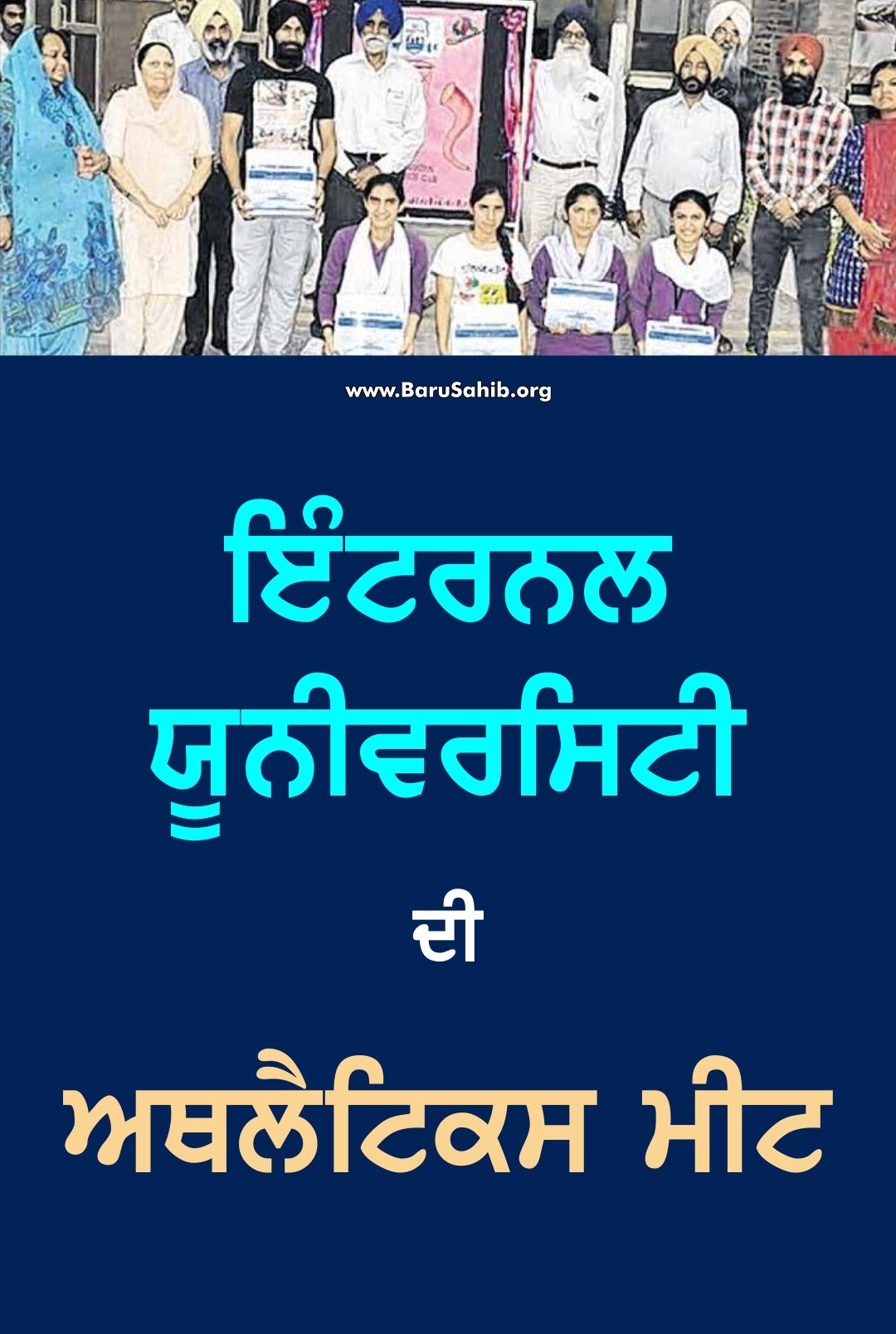
ਇੰਟਰਨਲ ਯੂਨੀਵਰਸਿਟੀ ਬੜੂ ਸਾਹਿਬ (ਹਿਮਾਚਲ ਪ੍ਰਦੇਸ਼) ਵਿਖੇ ਸਪੋਰਟਸ ਕਲੱਬ ਵੱਲੋਂ ਯੂਨੀਵਰਸਿਟੀ ਦੇ ਸਪੋਰਟਸ ਕੰਪਲੈਕ੍ਸ ਵਿਖੇ ਬਾਸਕਟ ਬਾਲ ਅਤੇ ਬੈਡਮਿੰਟਨ ਦੇ ਮੁਕਾਬਲੇ ਤੋਂ ਇਲਾਵਾ ਕਰਾਸ ਕੰਟਰੀ ਦੌੜ ਕਰਵਾਈ, ਜਿਸ ਚ ਯੂਨੀਵਰਸਿਟੀ ਦੇ ਵਿਦਿਆਰਥੀਆਂ ਨੇ ਵੱਧ -ਚੜ ਕੇ ਹਿੱਸਾ ਲਿਆ| ਇਸ ਸਪੋਰਟਸ ਮੀਟ ਦਾ ਉਦਘਾਟਨ ਯੂਨੀਵਰਸਿਟੀ ਦੇ ਵਾਈਸ ਚਾਂਸਲਰ ਡਾ ਐਚ. ਐਸ. ਧਾਲੀਵਾਲ ਨੇ ਕੀਤਾ| ਇਸ ਮੌਕੇ […]
ਇੰਟਰਨਲ ਯੂਨੀਵਰਸਿਟੀ ਬੜੂ ਸਾਹਿਬ (ਹਿਮਾਚਲ ਪ੍ਰਦੇਸ਼) ਵਿਖੇ ਸਪੋਰਟਸ ਕਲੱਬ ਵੱਲੋਂ ਯੂਨੀਵਰਸਿਟੀ ਦੇ ਸਪੋਰਟਸ ਕੰਪਲੈਕ੍ਸ ਵਿਖੇ ਬਾਸਕਟ ਬਾਲ ਅਤੇ ਬੈਡਮਿੰਟਨ ਦੇ ਮੁਕਾਬਲੇ ਤੋਂ ਇਲਾਵਾ ਕਰਾਸ ਕੰਟਰੀ ਦੌੜ ਕਰਵਾਈ, ਜਿਸ ਚ ਯੂਨੀਵਰਸਿਟੀ ਦੇ ਵਿਦਿਆਰਥੀਆਂ ਨੇ ਵੱਧ -ਚੜ ਕੇ ਹਿੱਸਾ ਲਿਆ|
ਇਸ ਸਪੋਰਟਸ ਮੀਟ ਦਾ ਉਦਘਾਟਨ ਯੂਨੀਵਰਸਿਟੀ ਦੇ ਵਾਈਸ ਚਾਂਸਲਰ ਡਾ ਐਚ. ਐਸ. ਧਾਲੀਵਾਲ ਨੇ ਕੀਤਾ| ਇਸ ਮੌਕੇ ਕਰਵਾਏ ਬਾਸਕਟ ਬਾਲ ਦੇ ਮੁਕਾਬਲੇ ਚ ਇੰਟਰਨਲ ਯੂਨੀਵਰਸਿਟੀ ਦੀ ਟੀਮ ਨੇ ਅਕਾਲ ਕਾਲਜ ਆਫ਼ ਨਰਸਿੰਗ ਦੀ ਟੀਮ ਨੂੰ ਹਰਾ ਕੇ ਪਹਿਲਾ ਸਥਾਨ ਹਾਸਲ ਕੀਤਾ| ਬੈਡਮਿੰਟਨ ਦੇ ਸਿੰਗਲ ਵਰਗ ਚ ਗਗਨ ਨੇ ਪਹਿਲਾ ਸਥਾਨ, ਡਬਲ ਵਰਗ ਚ ਨਵਨੀਤ ਅਤੇ ਮਿੰਟੂ ਦੀ ਜੋੜੀ ਨੇ ਪਹਿਲਾ ਸਥਾਨ ਹਾਸਲ ਕੀਤਾ| ਜੇਤੂ ਖਿਡਾਰੀਆਂ ਨੂੰ ਇਨਾਮਾਂ ਦੀ ਵੰਡ ਵਾਈਸ ਚਾਂਸਲਰ ਐਚ. ਐਸ. ਧਾਲੀਵਾਲ, ਸੀਨੀਅਰ ਡੀਨ ਬਲਦੇਵ ਸਿੰਘ ਬੋਪਾਰਾਏ ਅਤੇ ਡਾ. ਜਸਵੰਤ ਸਿੰਘ ਡੀ. ਐਸ. ਓ. ਇੰਟਰਨਲ ਯੂਨੀਵਰਸਿਟੀ ਬੜੂ ਸਾਹਿਬ ਨੇ ਕੀਤੀ।
ਇਸ ਮੌਕੇ ਅਸਿਸਟੈਂਟ ਡਾਇਰੈਕਟਰ ਆਫ਼ ਫਿਜ਼ੀਕਲ ਐਜੂਕੇਸ਼ਨ ਸ਼ਿਵਾਨੀ ਸੈਣੀ, ਵਿਵੇਕ ਸ਼ਰਮਾ, ਅਮਨ ਯਾਦਵ ਅਤੇ ਨਰਸਿੰਗ ਕਾਲਜ ਤੋਂ ਲਿੰਬਨ ਜੋਸਫ ਆਦਿ ਮੌਜੂਦ ਸਨ|
The Sikh Coalition is excited to announce that the first-ever art exhibition exclusively featuring Sikh Americans will launch in New York City on Friday, September 16th. The Sikh Project, brought to you by the Sikh Coalition and acclaimed British photographers, Amit and Naroop, will feature nearly 40 portraits of Sikh American men and women that […]
The Sikh Coalition is excited to announce that the first-ever art exhibition exclusively featuring Sikh Americans will launch in New York City on Friday, September 16th.
The Sikh Project, brought to you by the Sikh Coalition and acclaimed British photographers, Amit and Naroop, will feature nearly 40 portraits of Sikh American men and women that explore the style and significance of the Sikh articles of faith. The exhibition, which will be free to the general public from September 16-25, will also highlight generations of Sikh American history that embodies perseverance and progress as we commemorate the 15-year anniversary of 9/11.
The Sikh Coalition, which was formed immediately after 9/11, will also be celebrating its 15-year anniversary. “As we commemorate this important milestone for our organization, we felt that the moment was right to examine the beauty of the Sikh faith, the strength of our collective spirit and to do so in a way that further educates Americans,” said Executive Director, Sapreet Kaur.
In addition to the thousands who will visit the exhibition in person, media coverage of the Sikh Project is expected to reach millions more as the Sikh Coalition launches a communications plan to publicize the exhibition.
“We are really proud to be working with the Sikh Coalition to bring this project to the United States this September,” said Amit and Naroop. The photographers, who are generously volunteering their time to this project, launched the original British version of the photography exhibition titled The Singh Project in 2014.
We are grateful to our sponsors Suneet Kaur, Jaspal Singh and family; Jaswinder and Anupreet Chadha; Dr. Deeptej Singh; Mitchell J. Barnett and Cushman & Wakefield for their support of this event. To find out more about how you can support this project by becoming a sponsor, please email satjeet@sikhcoalition.org.
If you are organizing a group of 25 or more people to visit the exhibition, please email sikhproject@sikhcoalition.org.
WHAT: The Sikh Project, an art exhibition featuring Sikh American men and women and the beauty of the Sikh articles of faith.
WHEN: September 16-25, 2016. Completely free to the public! Doors will open daily from 10am-8pm EST, with extended hours on the weekends.
WHERE: 138 Fifth Avenue, New York, NY 10011. Located in the heart of Manhattan, this space is easily accessible by train and subway with the nearest stations being Union Square and Madison Square Park. Parking is also available with multiple parking garages in the vicinity.
~ Source- SikhCoalition
History Repeats! On a bright day in downtown Kabul, Jagtar Singh Laghmani was in his traditional herb shop when a man turned up, drew a knife and told him to convert to Islam or he would cut his throat. Only bystanders and other shopkeepers saved his life. The incident earlier this month was the latest […]
History Repeats!
On a bright day in downtown Kabul, Jagtar Singh Laghmani was in his traditional herb shop when a man turned up, drew a knife and told him to convert to Islam or he would cut his throat. Only bystanders and other shopkeepers saved his life.
The incident earlier this month was the latest attack on a dwindling community of Sikhs and Hindus in Afghanistan, a deeply conservative Muslim country struggling with growing insecurity caused by an Islamist insurgency and economic challenges.
Once a thriving minority, only a handful of Sikh and Hindu families remain. Many have chosen to flee the country of their birth, blaming growing discrimination and intolerance.
WE BEGIN OUR DAY WITH FEAR AND ISOLATION: SIKHS IN AFGHANISTAN
“This is how we begin our day – with fear and isolation. If you are not a Muslim, you are not a human in their eyes,” said Jagtar Singh, speaking in his tiny shop in the bustling centre of Kabul. “I don’t know what to do or where to go.”
For centuries, Hindu and Sikh communities played a prominent role in merchant trade and money lending in Afghanistan, although today they are known more for medicinal herb shops.
According to Avtar Singh, chairman of the national council of Hindus and Sikhs, the community now numbers fewer than 220 families, compared with around 220,000 members before the collapse of the Kabul government in 1992.
Currently only an estimated 1,350 Hindus and Sikhs remain in the country.
Once spread across the country, the community is now mainly concentrated in the eastern provinces of Nangarhar, Ghazni, and the capital Kabul.
THINGS WERE WORSE UNDER TALIBAN
Although Afghanistan is almost entirely Muslim, its constitution, drawn up after US-led forces drove out the Taliban government in 2001, theoretically guarantees the right of minority religions to worship freely.
But as the conflict drags on, Avtar Singh said conditions were worse than under the Taliban, which imposed strict Islamic laws, staged public executions and banned girls from schools.
Hindus and Sikhs had to wear yellow patches that identified them in public, but were otherwise seldom bothered.
“The good old days have long gone when we were treated as Afghans, not as outsiders,” Avtar Singh said from a temple in Kabul, all the while keeping an eye on visitors using monitors linked to security cameras.
“Our lands have been taken by powerful figures in the government, especially by the warlords. We are facing threats, and this small community is getting smaller and smaller every day,” he added.
Last week, dozens of Hindu and Sikh families left Helmand, where Taliban insurgents, who have a presence in much of the southern province, sent a letter demanding 200,000 Afghani ($2,800) a month from the community.
Tensions have surfaced in Qalacha, an area on the outskirts of Kabul where the Sikh and Hindu community owns a high-walled crematorium.
As the capital has expanded in recent years, the neighbourhood has become densely populated and some newer residents oppose Hindu and Sikh cremations, a practice foreign to Muslims, who bury their dead.
“When they burn the body the smell makes our family sick and we don’t want this to happen here,” said Ahmad Timor, a Muslim resident in Qalacha.
The Sikhs say local Muslim hardliners have stirred up hostility against them, and the community now requires police protection for their funeral rituals.
“They throw stones and bricks at us, at the bodies of the dead, whenever there is a funeral,” said Avtar Singh, pointing to a newly built house next to the crematorium.
Dahi-ul Haq Abid, deputy minister for Haj and religious affairs, said the government had done what it could to improve the livelihood of Hindus and Sikhs.
“We agree that conflicts pushed them out of the country, but their condition is not as bad as they claim,” Abid added.
“We have allocated them a place to burn their bodies because inside the city people complained about the smell, but they did not agree,” he said.
HARRASSMENT IS ALSO COMMON
Jasmeet Singh, eight, stopped going to school because of what he said was daily harassment. He and other children from the community now either go to private schools or study inside the temple.
“While I was at school, other students were making fun of me. They were removing my turban, hitting me and calling me Hindu and kaffir (infidel),” said Jasmeet Singh, as other boys nodded their heads in agreement.
Increasing numbers of Sikhs and Hindus have moved to India, their spiritual homeland, but some say they remain foreigners wherever they go.
“When we go to India, we are known as Afghans, but when we are here, we are seen as outsiders even if we are native Afghan,” said Baljit Singh, a shopkeeper in Kabul. “We are lost between both worlds.”
Source- Terrorscoop.com
Gurdwara Shahidi Asthaan Baba Banda Singh Bahadur is situated in the Meharauli Area of Delhi near the Qutab Minar. Here Baba Banda Singh Bahadur ji, his four-year-old son Ajai Singh along with forty Sikhs were tourtured to death by the Mughals. After his son Ajai Singh was killed, before Banda’s eyes, his heart was cut […]
Gurdwara Shahidi Asthaan Baba Banda Singh Bahadur is situated in the Meharauli Area of Delhi near the Qutab Minar. Here Baba Banda Singh Bahadur ji, his four-year-old son Ajai Singh along with forty Sikhs were tourtured to death by the Mughals.
After his son Ajai Singh was killed, before Banda’s eyes, his heart was cut out and dripping with blood it was forcibly pushed into Banda ji’s mouth, then Baba Ji’s eyes were gouged out. Baba ji’s Body was then hung on a Gate where he was skinned alive. Then his body was pierced with red hot rods; finally he dismembered limb by limb.
Banda Bahadur was tortured to death by order of the Mughal Ruler Farrukh Siyar on June 19, 1716 in Mehrauli near the Qutub Minar. Earlier he was taken through the streets of Delhi to the shrine of the Sufi Saint Khawaja Bakhtiar Kaki in Mehrauli. He was then paraded around the tomb of Emperor Bahadur Shah. He was offered the usual choice of death or conversion to Islam but like all his companions he chose death. He was ordered to kill his own four-year-old son Ajai Singh but he refused. Thereafter they butchered the innocent child. His heart was cut out and forced into Banda’s mouth.
Exactly three years later the Saiyid brothers saw to it that, what one might call Divine retribution, caught up with the Emperor who had ordered the murder and beheadings of untold thousands of Sikhs besides Banda Bahadur and his conpanions. Farrukh Siyar was deposed, imprisoned, blinded and ultimately killed in a very ignominious manner on April 28, 1719.
Banda Bahadur’s courage was unparalleled. He possessed a most fearless and undaunted spirit. W.L. M’ Gregor, in his The History of the Sikhs wrote, “Banda Bahadur was a man of undaunted valour and bravery”. The coolness with which he met his death, earned praise for Banda even from the historian Khafi Khan.
Banda Bahadur took over the military leadership of the Sikhs after the death of Guru Gobind Singh. On embracing Sikhism he became a staunch Khalsa Sant-Soldier of the tenth Guru, who followed the teachings of the Gurus in theory and practice living a pure and simple life.
During his time as the Jathedar of the Sikhs the followers of the young faith increased with many Hindus and even large numbers of Muslims becoming Sikhs. Nawab Amin-ud-Daula writes in the third Ruqat-I-Amin-Ud-Daula as follows, “Many Hindus and Musalmans adopted their faith and rituals. And their chief (Banda Bahadur) captivated the hearts of Musalmans who came in contact with him. He addressed them with the title of Singh.
Accordingly, Dinder Khan, a powerful ruler of the neighbourhood was named Dinder Singh and Mir Nasir-ud-Din was renamed as Mir Nasir Singh.”
A Mughal scribe charged with reporting events to the Mughal Darbar wrote to the Emperor about the activities of Banda Bahadur the following words, “The wretched man has his camp in the town of Kalanaur up to 9th instant. During the period he promised and proclaimed, ‘I do not oppress Muslims’. He fixed a daily allowance and wages and looks after them. He has permitted them to read the Khutba and do Namaz. As many as 5,000 Musalmans have gathered around him. Having entered his friendship, they are free to shout their call and say prayer in the army of the wretched.”
This report by the Mughal official speaks of Banda’s allowing the Mughals under his rule to practise their religion in their own way freely, while the previous Emperor Bahadur Shah (Aurangzeb’s son) who had been aided by the Sikhs and Guru Gobind Singh in securing the Mughal throne had issued on December 10, 1710 (after the Guru’s death) an imperial order stating that, “every Sikh wherever found should be put to death without any hesitation and without any further thought’. Furrukhsiyar was the second Emperor to follow Bahadur Shah I his excessive cruelties on his own men would lead to his death.
Banda Bahadur established the first independent sovereign state under Sikh rule, with its own coins and seal. Although it was short-lived, it put the Sikhs on the path to establish their own rule in many parts of Punjab subsequently. Sri Gokal Chand Narang writes in his book, Transformation of Sikhism that the personal magnetism of Banda Bahadur was too great for the Mughals to ignore, as his undaunted courage and extraordinary valour knit his followers closely to him. The fact that not even a single Sikh, out of thousands that were captured and executed by the Mughal Government, renounced his faith to save his own life was due, in no small part, to the exemplary piety and lofty character of Banda Bahadur.
ਧਰਮਗੜ੍ਹ, 23 ਜੂਨ (ਚਹਿਲ ) – ਕਲਗੀਧਰ ਟਰੱਸਟ ਬੜੂ ਸਾਹਿਬ ਵੱਲੋਂ ਸੰਤ ਤੇਜਾ ਸਿੰਘ ਜੀ ਐਮ.ਏ.,ਐਲ.ਐਲ.ਬੀ., ਏ. ਐਮ. (ਹਾਰਵਰਡ) ਦੀ ਸਾਲਾਨਾ ਬਰਸੀ ਦੇ ਸੰਬੰਧ ‘ਚ 24, 25 ਅਤੇ 26 ਜੂਨ ਨੂੰ ਗੁਰਦੁਆਰਾ ਬੜੂ ਸਾਹਿਬ (ਹਿਮਾਚਲ ਪ੍ਰਦੇਸ) ਵਿਖੇ ਵਿਸ਼ਾਲ ਗੁਰਮਤਿ ਸਮਾਗਮ ਕਰਵਾਇਆ ਜਾ ਰਿਹਾ ਹੈ, ਜਿਸ ‘ਚ ਸੰਤ-ਮਹਾਪੁਰਸ਼, ਰਾਗੀ, ਢਾਢੀ ਅਤੇ ਅਕਾਲ ਅਕੈਡਮੀਆਂ ਦੇ ਵਿਦਿਆਰਥੀ ਸੰਗਤਾਂ […]
ਧਰਮਗੜ੍ਹ, 23 ਜੂਨ (ਚਹਿਲ ) – ਕਲਗੀਧਰ ਟਰੱਸਟ ਬੜੂ ਸਾਹਿਬ ਵੱਲੋਂ ਸੰਤ ਤੇਜਾ ਸਿੰਘ ਜੀ ਐਮ.ਏ.,ਐਲ.ਐਲ.ਬੀ., ਏ. ਐਮ. (ਹਾਰਵਰਡ) ਦੀ ਸਾਲਾਨਾ ਬਰਸੀ ਦੇ ਸੰਬੰਧ ‘ਚ 24, 25 ਅਤੇ 26 ਜੂਨ ਨੂੰ ਗੁਰਦੁਆਰਾ ਬੜੂ ਸਾਹਿਬ (ਹਿਮਾਚਲ ਪ੍ਰਦੇਸ) ਵਿਖੇ ਵਿਸ਼ਾਲ ਗੁਰਮਤਿ ਸਮਾਗਮ ਕਰਵਾਇਆ ਜਾ ਰਿਹਾ ਹੈ, ਜਿਸ ‘ਚ ਸੰਤ-ਮਹਾਪੁਰਸ਼, ਰਾਗੀ, ਢਾਢੀ ਅਤੇ ਅਕਾਲ ਅਕੈਡਮੀਆਂ ਦੇ ਵਿਦਿਆਰਥੀ ਸੰਗਤਾਂ ਨੂੰ ਗੁਰ-ਜਸ ਸੁਣਾ ਕੇ ਨਿਹਾਲ ਕਰਨਗੇ ਟਰੱਸਟ ਦੇ ਪ੍ਰਧਾਨ ਬਾਬਾ ਇਕਬਾਲ ਸਿੰਘ ਕਿੰਗਰਾ ਨੇ ਦੱਸਿਆ ਕਿ 24 ਜੂਨ ਨੂੰ ਸ਼੍ਰੀ ਅਖੰਡ ਪਾਠ ਸਾਹਿਬ ਪ੍ਰਕਾਸ਼ ਕਰਵਾ ਕੇ 26 ਜੂਨ ਨੂੰ ਭੋਗ ਪਾਏ ਜਾਣਗੇ ਅਤੇ ਸਮਾਗਮ ਦੇ ਅਖੀਰਲੇ ਦਿਨ ਅਮ੍ਰਿਤ ਸੰਚਾਰ ਵੀ ਕਰਵਾਇਆ ਜਾਵੇਗਾ ਇਸ ਮੌਕੇ ਉਨ੍ਹਾਂ ਵੱਧ ਤੋਂ ਵੱਧ ਸੰਗਤਾਂ ਨੂੰ ਇਸ ਵਿਸ਼ਾਲ ਗੁਰਮਤਿ ਸਮਾਗਮ ‘ਚ ਸ਼ਾਮਲ ਹੋਣ ਦੀ ਅਪੀਲ ਵੀ ਕੀਤੀ |
Air Marshal Jasjit Singh Kler, an Air Officer with vast flying experience in helicopter and a qualified flying instructor took over as Commandant of the National Defence Academy (NDA) on Monday, a press release from the Defence PRO said. Kler was commissioned into the helicopter stream of the Indian Air Force on December 13, 1980. […]
Air Marshal Jasjit Singh Kler, an Air Officer with vast flying experience in helicopter and a qualified flying instructor took over as Commandant of the National Defence Academy (NDA) on Monday, a press release from the Defence PRO said.
Kler was commissioned into the helicopter stream of the Indian Air Force on December 13, 1980. He is a third generation soldier and was holding the position of Senior Air Staff Officer of Eastern Air Command at Shillong prior to his appointment in NDA. On May 31, the earlier Commandant of NDA, Vice Admiral G Ashok Kumar, took over charge as the Deputy Chief of Naval Staff. Deputy Commandant Air Vice Marshal Sandesh Wagle was officiating as Commandant.
Kler has flown more than 8,000 hours on various helicopters, flying mostly in Siachen Glacier and in the Eastern sector. He has flown most types of helicopters in the IAF inventory including Cheetah, Chetak, Mi-8, Mi-17 and Mi-17 IV. Kler was promoted to the rank of Air Marshal in 2015 and took over as Director General (Inspection and Safety). He has held various command and staff appointments including Inspector General (Air), Border Security Force; Senior Air Adm Staff Officer Maintenance Command; Deputy Comman-dant of Air Force Academy; Air Officer Commanding of Air Force Station, New Delhi; and Station Commander of Air Force Station, Jammu.
Kler also commanded an Mi-17 helicopter unit and was posted to Namibia to raise and train the Namibian Helicopter element. The press release said that Kler is an alumnus of College of Defence Management and National Defence College, Bangladesh. Kler is a Master of Business Administration and also has a Masters degree in Public Administration from the Indian Institute of Public Administration. For his distinguished service, he was awarded the Vayu Sena Medal in 2001
~ Source- IndianExpress