Tejinder Singh – The First Turbaned SIKH to Graduate in 120 years from the William Allen White School of Journalism, USA

Meet Tejinder Singh Sodhi, the first turbaned Sikh to graduate in the over 120 years history of the William Allen White School of Journalism at the University of Kansas. The university had no dress code for Sikhs, but the university made special amendments in its rules and allowed the first Sikh graduate of the Journalism […]

Meet Tejinder Singh Sodhi, the first turbaned Sikh to graduate in the over 120 years history of the William Allen White School of Journalism at the University of Kansas. The university had no dress code for Sikhs, but the university made special amendments in its rules and allowed the first Sikh graduate of the Journalism department to graduate wearing his Sikhi Saroop.

Sodhi who became the first Sikh from Jammu and Kashmir to be awarded the International Fellowship by Foundation Fellowship, became the first civilian to study (full time) at the US Army Command and General Staff College Fort Leavenworth, he was also selected by the Department of Defense (DOD) to undergo 15 days long Media and Military workshop at two major US military bases in Kansas and Missouri.

Tejinder was have been a panelist at the National Press Club Washington DC where he delivered lectures on conflict reporting.

In 2012 Tejinder was nominated for the World Sikh Award (in Media) in London and was also nominated for the Tully Freedom of Speech award, he has been the recipient (twice) of McCormick Fellowship in the USA.

After working for several national newspapers, Tejinder these days work with one of the leading news agency in the country.

Once a White couple asked Tejinder that if he is an Afghan, so he decided to educate the Americans about Sikhs, Sikh religion and Sikh culture so Tejinder undertook series of several lectures at several places to make people aware about Sikhi.

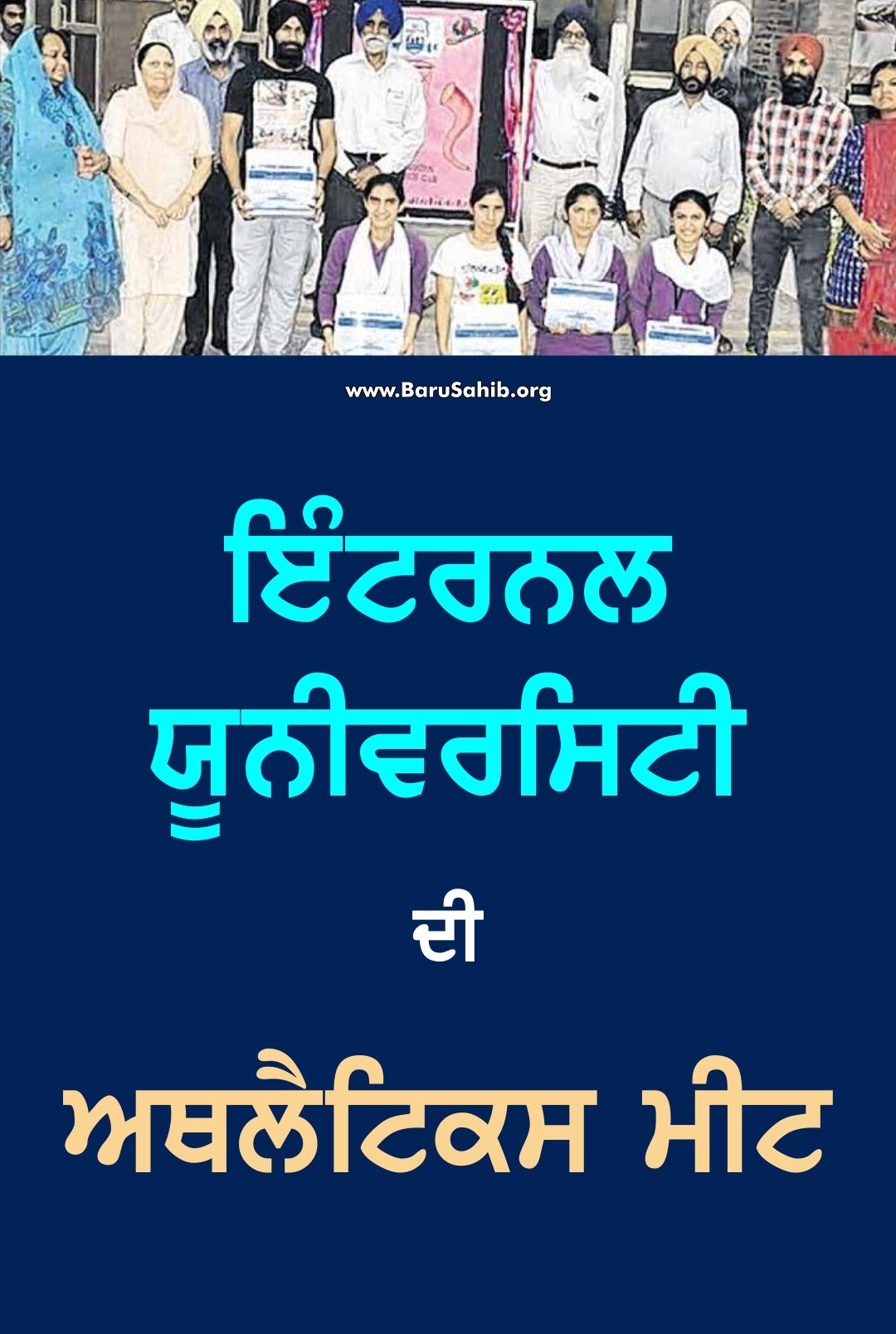
ਇੰਟਰਨਲ ਯੂਨੀਵਰਸਿਟੀ ਦੀ ਅਥਲੈਟਿਕਸ ਮੀਟ

ਇੰਟਰਨਲ ਯੂਨੀਵਰਸਿਟੀ ਬੜੂ ਸਾਹਿਬ (ਹਿਮਾਚਲ ਪ੍ਰਦੇਸ਼) ਵਿਖੇ ਸਪੋਰਟਸ ਕਲੱਬ ਵੱਲੋਂ ਯੂਨੀਵਰਸਿਟੀ ਦੇ ਸਪੋਰਟਸ ਕੰਪਲੈਕ੍ਸ ਵਿਖੇ ਬਾਸਕਟ ਬਾਲ ਅਤੇ ਬੈਡਮਿੰਟਨ ਦੇ ਮੁਕਾਬਲੇ ਤੋਂ ਇਲਾਵਾ ਕਰਾਸ ਕੰਟਰੀ ਦੌੜ ਕਰਵਾਈ, ਜਿਸ ਚ ਯੂਨੀਵਰਸਿਟੀ ਦੇ ਵਿਦਿਆਰਥੀਆਂ ਨੇ ਵੱਧ -ਚੜ ਕੇ ਹਿੱਸਾ ਲਿਆ| ਇਸ ਸਪੋਰਟਸ ਮੀਟ ਦਾ ਉਦਘਾਟਨ ਯੂਨੀਵਰਸਿਟੀ ਦੇ ਵਾਈਸ ਚਾਂਸਲਰ ਡਾ ਐਚ. ਐਸ. ਧਾਲੀਵਾਲ ਨੇ ਕੀਤਾ| ਇਸ ਮੌਕੇ […]

ਇੰਟਰਨਲ ਯੂਨੀਵਰਸਿਟੀ ਬੜੂ ਸਾਹਿਬ (ਹਿਮਾਚਲ ਪ੍ਰਦੇਸ਼) ਵਿਖੇ ਸਪੋਰਟਸ ਕਲੱਬ ਵੱਲੋਂ ਯੂਨੀਵਰਸਿਟੀ ਦੇ ਸਪੋਰਟਸ ਕੰਪਲੈਕ੍ਸ ਵਿਖੇ ਬਾਸਕਟ ਬਾਲ ਅਤੇ ਬੈਡਮਿੰਟਨ ਦੇ ਮੁਕਾਬਲੇ ਤੋਂ ਇਲਾਵਾ ਕਰਾਸ ਕੰਟਰੀ ਦੌੜ ਕਰਵਾਈ, ਜਿਸ ਚ ਯੂਨੀਵਰਸਿਟੀ ਦੇ ਵਿਦਿਆਰਥੀਆਂ ਨੇ ਵੱਧ -ਚੜ ਕੇ ਹਿੱਸਾ ਲਿਆ|

ਇਸ ਸਪੋਰਟਸ ਮੀਟ ਦਾ ਉਦਘਾਟਨ ਯੂਨੀਵਰਸਿਟੀ ਦੇ ਵਾਈਸ ਚਾਂਸਲਰ ਡਾ ਐਚ. ਐਸ. ਧਾਲੀਵਾਲ ਨੇ ਕੀਤਾ| ਇਸ ਮੌਕੇ ਕਰਵਾਏ ਬਾਸਕਟ ਬਾਲ ਦੇ ਮੁਕਾਬਲੇ ਚ ਇੰਟਰਨਲ ਯੂਨੀਵਰਸਿਟੀ ਦੀ ਟੀਮ ਨੇ ਅਕਾਲ ਕਾਲਜ ਆਫ਼ ਨਰਸਿੰਗ ਦੀ ਟੀਮ ਨੂੰ ਹਰਾ ਕੇ ਪਹਿਲਾ ਸਥਾਨ ਹਾਸਲ ਕੀਤਾ| ਬੈਡਮਿੰਟਨ ਦੇ ਸਿੰਗਲ ਵਰਗ ਚ ਗਗਨ ਨੇ ਪਹਿਲਾ ਸਥਾਨ, ਡਬਲ ਵਰਗ ਚ ਨਵਨੀਤ ਅਤੇ ਮਿੰਟੂ ਦੀ ਜੋੜੀ ਨੇ ਪਹਿਲਾ ਸਥਾਨ ਹਾਸਲ ਕੀਤਾ| ਜੇਤੂ ਖਿਡਾਰੀਆਂ ਨੂੰ ਇਨਾਮਾਂ ਦੀ ਵੰਡ ਵਾਈਸ ਚਾਂਸਲਰ ਐਚ. ਐਸ. ਧਾਲੀਵਾਲ, ਸੀਨੀਅਰ ਡੀਨ ਬਲਦੇਵ ਸਿੰਘ ਬੋਪਾਰਾਏ ਅਤੇ ਡਾ. ਜਸਵੰਤ ਸਿੰਘ ਡੀ. ਐਸ. ਓ. ਇੰਟਰਨਲ ਯੂਨੀਵਰਸਿਟੀ ਬੜੂ ਸਾਹਿਬ ਨੇ ਕੀਤੀ।

ਇਸ ਮੌਕੇ ਅਸਿਸਟੈਂਟ ਡਾਇਰੈਕਟਰ ਆਫ਼ ਫਿਜ਼ੀਕਲ ਐਜੂਕੇਸ਼ਨ ਸ਼ਿਵਾਨੀ ਸੈਣੀ, ਵਿਵੇਕ ਸ਼ਰਮਾ, ਅਮਨ ਯਾਦਵ ਅਤੇ ਨਰਸਿੰਗ ਕਾਲਜ ਤੋਂ ਲਿੰਬਨ ਜੋਸਫ ਆਦਿ ਮੌਜੂਦ ਸਨ|

FIRST-Ever Art Exhibition exclusively featuring SIKH Americans!

The Sikh Coalition is excited to announce that the first-ever art exhibition exclusively featuring Sikh Americans will launch in New York City on Friday, September 16th. The Sikh Project, brought to you by the Sikh Coalition and acclaimed British photographers, Amit and Naroop, will feature nearly 40 portraits of Sikh American men and women that […]

The Sikh Coalition is excited to announce that the first-ever art exhibition exclusively featuring Sikh Americans will launch in New York City on Friday, September 16th.

The Sikh Project, brought to you by the Sikh Coalition and acclaimed British photographers, Amit and Naroop, will feature nearly 40 portraits of Sikh American men and women that explore the style and significance of the Sikh articles of faith. The exhibition, which will be free to the general public from September 16-25, will also highlight generations of Sikh American history that embodies perseverance and progress as we commemorate the 15-year anniversary of 9/11.

The Sikh Coalition, which was formed immediately after 9/11, will also be celebrating its 15-year anniversary. “As we commemorate this important milestone for our organization, we felt that the moment was right to examine the beauty of the Sikh faith, the strength of our collective spirit and to do so in a way that further educates Americans,” said Executive Director, Sapreet Kaur.

In addition to the thousands who will visit the exhibition in person, media coverage of the Sikh Project is expected to reach millions more as the Sikh Coalition launches a communications plan to publicize the exhibition.

“We are really proud to be working with the Sikh Coalition to bring this project to the United States this September,” said Amit and Naroop. The photographers, who are generously volunteering their time to this project, launched the original British version of the photography exhibition titled The Singh Project in 2014.

We are grateful to our sponsors Suneet Kaur, Jaspal Singh and family; Jaswinder and Anupreet Chadha; Dr. Deeptej Singh; Mitchell J. Barnett and Cushman & Wakefield for their support of this event. To find out more about how you can support this project by becoming a sponsor, please email satjeet@sikhcoalition.org.

If you are organizing a group of 25 or more people to visit the exhibition, please email sikhproject@sikhcoalition.org.

WHAT: The Sikh Project, an art exhibition featuring Sikh American men and women and the beauty of the Sikh articles of faith.

WHEN: September 16-25, 2016. Completely free to the public! Doors will open daily from 10am-8pm EST, with extended hours on the weekends.

WHERE: 138 Fifth Avenue, New York, NY 10011. Located in the heart of Manhattan, this space is easily accessible by train and subway with the nearest stations being Union Square and Madison Square Park. Parking is also available with multiple parking garages in the vicinity.

~ Source- SikhCoalition

SIKHS in Afghanistan Flee HOME due to INTOLERANCE & DISCRIMINATION

History Repeats! On a bright day in downtown Kabul, Jagtar Singh Laghmani was in his traditional herb shop when a man turned up, drew a knife and told him to convert to Islam or he would cut his throat. Only bystanders and other shopkeepers saved his life. The incident earlier this month was the latest […]

History Repeats!

On a bright day in downtown Kabul, Jagtar Singh Laghmani was in his traditional herb shop when a man turned up, drew a knife and told him to convert to Islam or he would cut his throat. Only bystanders and other shopkeepers saved his life.

The incident earlier this month was the latest attack on a dwindling community of Sikhs and Hindus in Afghanistan, a deeply conservative Muslim country struggling with growing insecurity caused by an Islamist insurgency and economic challenges.

Once a thriving minority, only a handful of Sikh and Hindu families remain. Many have chosen to flee the country of their birth, blaming growing discrimination and intolerance.

WE BEGIN OUR DAY WITH FEAR AND ISOLATION: SIKHS IN AFGHANISTAN

“This is how we begin our day – with fear and isolation. If you are not a Muslim, you are not a human in their eyes,” said Jagtar Singh, speaking in his tiny shop in the bustling centre of Kabul. “I don’t know what to do or where to go.”

For centuries, Hindu and Sikh communities played a prominent role in merchant trade and money lending in Afghanistan, although today they are known more for medicinal herb shops.

According to Avtar Singh, chairman of the national council of Hindus and Sikhs, the community now numbers fewer than 220 families, compared with around 220,000 members before the collapse of the Kabul government in 1992.

Currently only an estimated 1,350 Hindus and Sikhs remain in the country.

Once spread across the country, the community is now mainly concentrated in the eastern provinces of Nangarhar, Ghazni, and the capital Kabul.

THINGS WERE WORSE UNDER TALIBAN

Although Afghanistan is almost entirely Muslim, its constitution, drawn up after US-led forces drove out the Taliban government in 2001, theoretically guarantees the right of minority religions to worship freely.

But as the conflict drags on, Avtar Singh said conditions were worse than under the Taliban, which imposed strict Islamic laws, staged public executions and banned girls from schools.

Hindus and Sikhs had to wear yellow patches that identified them in public, but were otherwise seldom bothered.

“The good old days have long gone when we were treated as Afghans, not as outsiders,” Avtar Singh said from a temple in Kabul, all the while keeping an eye on visitors using monitors linked to security cameras.

“Our lands have been taken by powerful figures in the government, especially by the warlords. We are facing threats, and this small community is getting smaller and smaller every day,” he added.

Last week, dozens of Hindu and Sikh families left Helmand, where Taliban insurgents, who have a presence in much of the southern province, sent a letter demanding 200,000 Afghani ($2,800) a month from the community.
Tensions have surfaced in Qalacha, an area on the outskirts of Kabul where the Sikh and Hindu community owns a high-walled crematorium.

As the capital has expanded in recent years, the neighbourhood has become densely populated and some newer residents oppose Hindu and Sikh cremations, a practice foreign to Muslims, who bury their dead.

“When they burn the body the smell makes our family sick and we don’t want this to happen here,” said Ahmad Timor, a Muslim resident in Qalacha.

The Sikhs say local Muslim hardliners have stirred up hostility against them, and the community now requires police protection for their funeral rituals.

“They throw stones and bricks at us, at the bodies of the dead, whenever there is a funeral,” said Avtar Singh, pointing to a newly built house next to the crematorium.

Dahi-ul Haq Abid, deputy minister for Haj and religious affairs, said the government had done what it could to improve the livelihood of Hindus and Sikhs.
“We agree that conflicts pushed them out of the country, but their condition is not as bad as they claim,” Abid added.

“We have allocated them a place to burn their bodies because inside the city people complained about the smell, but they did not agree,” he said.

HARRASSMENT IS ALSO COMMON

Jasmeet Singh, eight, stopped going to school because of what he said was daily harassment. He and other children from the community now either go to private schools or study inside the temple.

“While I was at school, other students were making fun of me. They were removing my turban, hitting me and calling me Hindu and kaffir (infidel),” said Jasmeet Singh, as other boys nodded their heads in agreement.

Increasing numbers of Sikhs and Hindus have moved to India, their spiritual homeland, but some say they remain foreigners wherever they go.

“When we go to India, we are known as Afghans, but when we are here, we are seen as outsiders even if we are native Afghan,” said Baljit Singh, a shopkeeper in Kabul. “We are lost between both worlds.”

Source- Terrorscoop.com

Gurdwara Shahidi Asthaan Baba Banda Singh Bahadur

Gurdwara Shahidi Asthaan Baba Banda Singh Bahadur is situated in the Meharauli Area of Delhi near the Qutab Minar. Here Baba Banda Singh Bahadur ji, his four-year-old son Ajai Singh along with forty Sikhs were tourtured to death by the Mughals. After his son Ajai Singh was killed, before Banda’s eyes, his heart was cut […]

Gurdwara Shahidi Asthaan Baba Banda Singh Bahadur is situated in the Meharauli Area of Delhi near the Qutab Minar. Here Baba Banda Singh Bahadur ji, his four-year-old son Ajai Singh along with forty Sikhs were tourtured to death by the Mughals.

After his son Ajai Singh was killed, before Banda’s eyes, his heart was cut out and dripping with blood it was forcibly pushed into Banda ji’s mouth, then Baba Ji’s eyes were gouged out. Baba ji’s Body was then hung on a Gate where he was skinned alive. Then his body was pierced with red hot rods; finally he dismembered limb by limb.

Banda Bahadur was tortured to death by order of the Mughal Ruler Farrukh Siyar on June 19, 1716 in Mehrauli near the Qutub Minar. Earlier he was taken through the streets of Delhi to the shrine of the Sufi Saint Khawaja Bakhtiar Kaki in Mehrauli. He was then paraded around the tomb of Emperor Bahadur Shah. He was offered the usual choice of death or conversion to Islam but like all his companions he chose death. He was ordered to kill his own four-year-old son Ajai Singh but he refused. Thereafter they butchered the innocent child. His heart was cut out and forced into Banda’s mouth.

Exactly three years later the Saiyid brothers saw to it that, what one might call Divine retribution, caught up with the Emperor who had ordered the murder and beheadings of untold thousands of Sikhs besides Banda Bahadur and his conpanions. Farrukh Siyar was deposed, imprisoned, blinded and ultimately killed in a very ignominious manner on April 28, 1719.

Banda Bahadur’s courage was unparalleled. He possessed a most fearless and undaunted spirit. W.L. M’ Gregor, in his The History of the Sikhs wrote, “Banda Bahadur was a man of undaunted valour and bravery”. The coolness with which he met his death, earned praise for Banda even from the historian Khafi Khan.

Banda Bahadur took over the military leadership of the Sikhs after the death of Guru Gobind Singh. On embracing Sikhism he became a staunch Khalsa Sant-Soldier of the tenth Guru, who followed the teachings of the Gurus in theory and practice living a pure and simple life.

During his time as the Jathedar of the Sikhs the followers of the young faith increased with many Hindus and even large numbers of Muslims becoming Sikhs. Nawab Amin-ud-Daula writes in the third Ruqat-I-Amin-Ud-Daula as follows, “Many Hindus and Musalmans adopted their faith and rituals. And their chief (Banda Bahadur) captivated the hearts of Musalmans who came in contact with him. He addressed them with the title of Singh.

Accordingly, Dinder Khan, a powerful ruler of the neighbourhood was named Dinder Singh and Mir Nasir-ud-Din was renamed as Mir Nasir Singh.”

A Mughal scribe charged with reporting events to the Mughal Darbar wrote to the Emperor about the activities of Banda Bahadur the following words, “The wretched man has his camp in the town of Kalanaur up to 9th instant. During the period he promised and proclaimed, ‘I do not oppress Muslims’. He fixed a daily allowance and wages and looks after them. He has permitted them to read the Khutba and do Namaz. As many as 5,000 Musalmans have gathered around him. Having entered his friendship, they are free to shout their call and say prayer in the army of the wretched.”
This report by the Mughal official speaks of Banda’s allowing the Mughals under his rule to practise their religion in their own way freely, while the previous Emperor Bahadur Shah (Aurangzeb’s son) who had been aided by the Sikhs and Guru Gobind Singh in securing the Mughal throne had issued on December 10, 1710 (after the Guru’s death) an imperial order stating that, “every Sikh wherever found should be put to death without any hesitation and without any further thought’. Furrukhsiyar was the second Emperor to follow Bahadur Shah I his excessive cruelties on his own men would lead to his death.

Banda Bahadur established the first independent sovereign state under Sikh rule, with its own coins and seal. Although it was short-lived, it put the Sikhs on the path to establish their own rule in many parts of Punjab subsequently. Sri Gokal Chand Narang writes in his book, Transformation of Sikhism that the personal magnetism of Banda Bahadur was too great for the Mughals to ignore, as his undaunted courage and extraordinary valour knit his followers closely to him. The fact that not even a single Sikh, out of thousands that were captured and executed by the Mughal Government, renounced his faith to save his own life was due, in no small part, to the exemplary piety and lofty character of Banda Bahadur.

ਗੁਰਮਤਿ ਸਮਾਗਮ ਅੱਜ ਤੋਂ

ਧਰਮਗੜ੍ਹ, 23 ਜੂਨ (ਚਹਿਲ ) – ਕਲਗੀਧਰ ਟਰੱਸਟ ਬੜੂ ਸਾਹਿਬ ਵੱਲੋਂ ਸੰਤ ਤੇਜਾ ਸਿੰਘ ਜੀ ਐਮ.ਏ.,ਐਲ.ਐਲ.ਬੀ., ਏ. ਐਮ. (ਹਾਰਵਰਡ) ਦੀ ਸਾਲਾਨਾ ਬਰਸੀ ਦੇ ਸੰਬੰਧ ‘ਚ 24, 25 ਅਤੇ 26 ਜੂਨ ਨੂੰ ਗੁਰਦੁਆਰਾ ਬੜੂ ਸਾਹਿਬ (ਹਿਮਾਚਲ ਪ੍ਰਦੇਸ) ਵਿਖੇ ਵਿਸ਼ਾਲ ਗੁਰਮਤਿ ਸਮਾਗਮ ਕਰਵਾਇਆ ਜਾ ਰਿਹਾ ਹੈ, ਜਿਸ ‘ਚ ਸੰਤ-ਮਹਾਪੁਰਸ਼, ਰਾਗੀ, ਢਾਢੀ ਅਤੇ ਅਕਾਲ ਅਕੈਡਮੀਆਂ ਦੇ ਵਿਦਿਆਰਥੀ ਸੰਗਤਾਂ […]

ਧਰਮਗੜ੍ਹ, 23 ਜੂਨ (ਚਹਿਲ ) – ਕਲਗੀਧਰ ਟਰੱਸਟ ਬੜੂ ਸਾਹਿਬ ਵੱਲੋਂ ਸੰਤ ਤੇਜਾ ਸਿੰਘ ਜੀ ਐਮ.ਏ.,ਐਲ.ਐਲ.ਬੀ., ਏ. ਐਮ. (ਹਾਰਵਰਡ) ਦੀ ਸਾਲਾਨਾ ਬਰਸੀ ਦੇ ਸੰਬੰਧ ‘ਚ 24, 25 ਅਤੇ 26 ਜੂਨ ਨੂੰ ਗੁਰਦੁਆਰਾ ਬੜੂ ਸਾਹਿਬ (ਹਿਮਾਚਲ ਪ੍ਰਦੇਸ) ਵਿਖੇ ਵਿਸ਼ਾਲ ਗੁਰਮਤਿ ਸਮਾਗਮ ਕਰਵਾਇਆ ਜਾ ਰਿਹਾ ਹੈ, ਜਿਸ ‘ਚ ਸੰਤ-ਮਹਾਪੁਰਸ਼, ਰਾਗੀ, ਢਾਢੀ ਅਤੇ ਅਕਾਲ ਅਕੈਡਮੀਆਂ ਦੇ ਵਿਦਿਆਰਥੀ ਸੰਗਤਾਂ ਨੂੰ ਗੁਰ-ਜਸ ਸੁਣਾ ਕੇ ਨਿਹਾਲ ਕਰਨਗੇ ਟਰੱਸਟ ਦੇ ਪ੍ਰਧਾਨ ਬਾਬਾ ਇਕਬਾਲ ਸਿੰਘ ਕਿੰਗਰਾ ਨੇ ਦੱਸਿਆ ਕਿ 24 ਜੂਨ ਨੂੰ ਸ਼੍ਰੀ ਅਖੰਡ ਪਾਠ ਸਾਹਿਬ ਪ੍ਰਕਾਸ਼ ਕਰਵਾ ਕੇ 26 ਜੂਨ ਨੂੰ ਭੋਗ ਪਾਏ ਜਾਣਗੇ ਅਤੇ ਸਮਾਗਮ ਦੇ ਅਖੀਰਲੇ ਦਿਨ ਅਮ੍ਰਿਤ ਸੰਚਾਰ ਵੀ ਕਰਵਾਇਆ ਜਾਵੇਗਾ ਇਸ ਮੌਕੇ ਉਨ੍ਹਾਂ ਵੱਧ ਤੋਂ ਵੱਧ ਸੰਗਤਾਂ ਨੂੰ ਇਸ ਵਿਸ਼ਾਲ ਗੁਰਮਤਿ ਸਮਾਗਮ ‘ਚ ਸ਼ਾਮਲ ਹੋਣ ਦੀ ਅਪੀਲ ਵੀ ਕੀਤੀ |

Air Marshal JS Kler takes over as the Commandant at the NDA!

Air Marshal Jasjit Singh Kler, an Air Officer with vast flying experience in helicopter and a qualified flying instructor took over as Commandant of the National Defence Academy (NDA) on Monday, a press release from the Defence PRO said. Kler was commissioned into the helicopter stream of the Indian Air Force on December 13, 1980. […]

Air Marshal Jasjit Singh Kler, an Air Officer with vast flying experience in helicopter and a qualified flying instructor took over as Commandant of the National Defence Academy (NDA) on Monday, a press release from the Defence PRO said.

Kler was commissioned into the helicopter stream of the Indian Air Force on December 13, 1980. He is a third generation soldier and was holding the position of Senior Air Staff Officer of Eastern Air Command at Shillong prior to his appointment in NDA. On May 31, the earlier Commandant of NDA, Vice Admiral G Ashok Kumar, took over charge as the Deputy Chief of Naval Staff. Deputy Commandant Air Vice Marshal Sandesh Wagle was officiating as Commandant.

Kler has flown more than 8,000 hours on various helicopters, flying mostly in Siachen Glacier and in the Eastern sector. He has flown most types of helicopters in the IAF inventory including Cheetah, Chetak, Mi-8, Mi-17 and Mi-17 IV. Kler was promoted to the rank of Air Marshal in 2015 and took over as Director General (Inspection and Safety). He has held various command and staff appointments including Inspector General (Air), Border Security Force; Senior Air Adm Staff Officer Maintenance Command; Deputy Comman-dant of Air Force Academy; Air Officer Commanding of Air Force Station, New Delhi; and Station Commander of Air Force Station, Jammu.

Kler also commanded an Mi-17 helicopter unit and was posted to Namibia to raise and train the Namibian Helicopter element. The press release said that Kler is an alumnus of College of Defence Management and National Defence College, Bangladesh. Kler is a Master of Business Administration and also has a Masters degree in Public Administration from the Indian Institute of Public Administration. For his distinguished service, he was awarded the Vayu Sena Medal in 2001

~ Source- IndianExpress

Mind Blowing Gatka Performance by Singhs in New Zealand

Singhs in Full form display their Gatka Skills in New Zealand. 6 years olds to 30 years old young men played together this sport fearlessly.

Gatka is an ancient martial art which has been thoroughly battle-tested and has existed in Northern India for many thousands of years. It is considered to be a spiritual as well as a physical exercise. Gatka include the Sikh Martial Art “Shashtar Vidya” started by sixth Sikh Guru “HarGobind Sahib

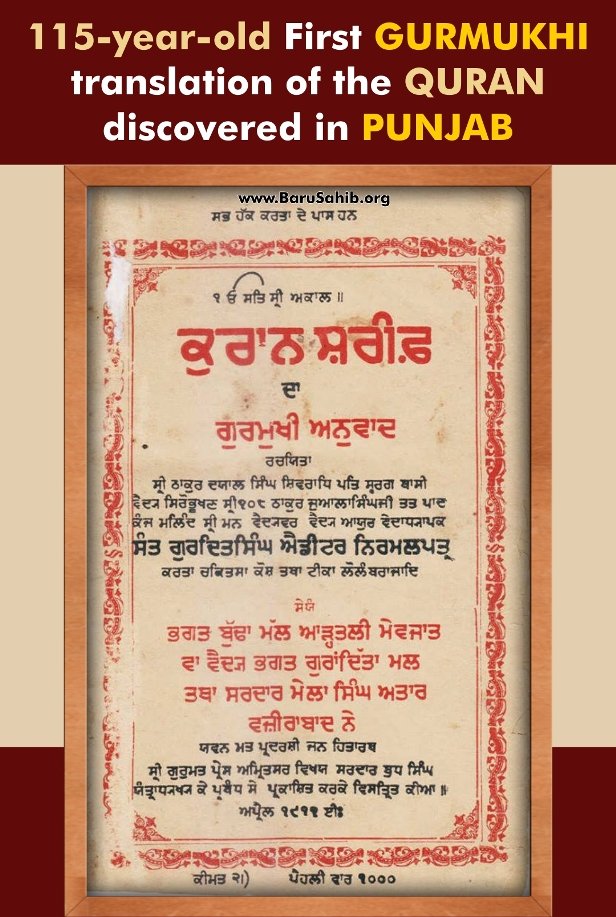
115-year-old First GURMUKHI translation of the QURAN discovered in PUNJAB

A 115-year-old Gurmukhi translation of the Quran, believed to be the “oldest” Punjabi version of the Muslim scripture, has been discovered in a village in Punjab. This 784-page volume was translated from Arabic to Gurmukhi by a scholar of the Nirmala tradition. A Hindu businessmen and a Sikh collected money for its printing, a task […]

A 115-year-old Gurmukhi translation of the Quran, believed to be the “oldest” Punjabi version of the Muslim scripture, has been discovered in a village in Punjab.

This 784-page volume was translated from Arabic to Gurmukhi by a scholar of the Nirmala tradition. A Hindu businessmen and a Sikh collected money for its printing, a task which was undertaken by an Amritsar-based Sikh publisher.

Published in 1911, the edition was recently traced to a village in Moga district by Dr Subhash Parihar, art historian and former professor of history at the Central University of Punjab, Bathinda, while he was working on an encyclopaedia on Sufism to be published by Punjabi University, Patiala.

It was previously believed the first Gurmukhi translation of the scripture was carried out by scholars of the Qadian-based Ahmadiyya sect of the Muslims in the early 1980s. However, the discovery of the 1911 edition has taken many scholars by surprise.

“I frequently need to consult the Punjabi version of Quran for research purposes. During a casual discussion on the issue, Noor Mohammad of Lande village of Moga district, told me that one such translation was with him.

“When I received a copy, I could not believe that Quran’s translation in Punjabi was done over a century ago. The research that I have done so far has made me believe that it is the oldest Punjabi translation of Quran Sharif”, Dr Parihar said. Dr Parihar said it was translated by Sant Vaidya Gurdit Singh Alomhari, a Nirmala Sikh. Priced at Rs2.25, only 1,000 copies were published.

“Its beauty is that its printing was sponsored by two Hindus ­— Bhagat Buddhamal Aadatli and Vaidya Bhagat Guranditta – along with a Sikh, Sardar Mela Singh Attar of Wazirabad, Pakistan. It was published by Sardar Buddh Singh at Shri Gurmat Press, Amritsar”, he said. Till a few years ago, the copy was in possession of poet Jhanda Singh Aarif of Kotkapura.

“After Arif’s death, his elder son Natha Singh handed it over to Noor Mohammad. Natha Singh died around six months ago,” Parihar added.

Source-Tribune

This SIKH Garment Seller is winning Hearts in KASHMIR during Ramadan!

Ramadan is not only a month of challenging oneself by not eating and drinking during day hours but it is also a time that stands for compassion and unity. In the Kashmir valley, which is experiencing usually hot weather during Ramadan this year, hundreds of Muslims who do not manage to find space in crowded […]

Ramadan is not only a month of challenging oneself by not eating and drinking during day hours but it is also a time that stands for compassion and unity. In the Kashmir valley, which is experiencing usually hot weather during Ramadan this year, hundreds of Muslims who do not manage to find space in crowded mosques have to pray on roads instead.

The sizzling temperatures are no deterrent, and the conditions are made easier by noble souls such as an elderly Sikh cloth dealer from Srinagar. As Muslims prepare to pray on pavements outside the crowded mosque in Karan Nagar locality of Srinagar, this Sikh man rolls out new fabric sheets from his shop for them to pray on comfortably. Although he hails from Amritsar in Punjab, he has been living in Srinagar for many years now.

He is there every Ramadan, outside the mosque to offer the new fabrics for free. This has become a common sight for the people who live in and around the area. And the Muslims are bowled over by this Sikh man’s generosity.

Sameen Khan, a radio jockey working with Big 92.7 FM station, uploaded some pictures of him on Facebook. The post has gone viral online.

People are describing him as not only a noble man but one with a good sense of humour too. He does not own a big store but sells his fabrics on pavements. He describes his offerings as service to God.

In the Valley, where the politics of divide between Muslims and Pandits (Hindus) has been played to the hilt, Sikhs are a small community. Jammu and Kashmir has a total number of 3.7 lakh Sikhs, out of which nearly 80,000 live in Kashmir.

Sikhs and Muslims participate in each other’s festivals and Ramadan often serves as a reminder of the same. In the uptown Srinagar locality, Sanat Nagar, local Sikhs come out every evening with dates and water, and offer them to Muslims for breaking the fast.

A roadside stall put up by the Sikh community displays the message, “Recognise the entire Human race as one.”